Why Your Maytag Washer Won’t Drain or Spin and What You Can Do About It
A washer that won’t drain or spin isn’t just inconvenient—it can bring your laundry routine to a halt. If you own a Maytag washing machine and are dealing with this frustrating issue, understanding what’s going on under the hood is key. This guide will walk you through potential causes, how your washer’s internal system is designed to work, common failure points, and the best ways to get it back in top shape. More importantly, it will help you make smarter decisions about how to protect your investment over time, especially if you’re already thinking about home warranty coverage.
How a Maytag Washer Drains and Spins: The Basics
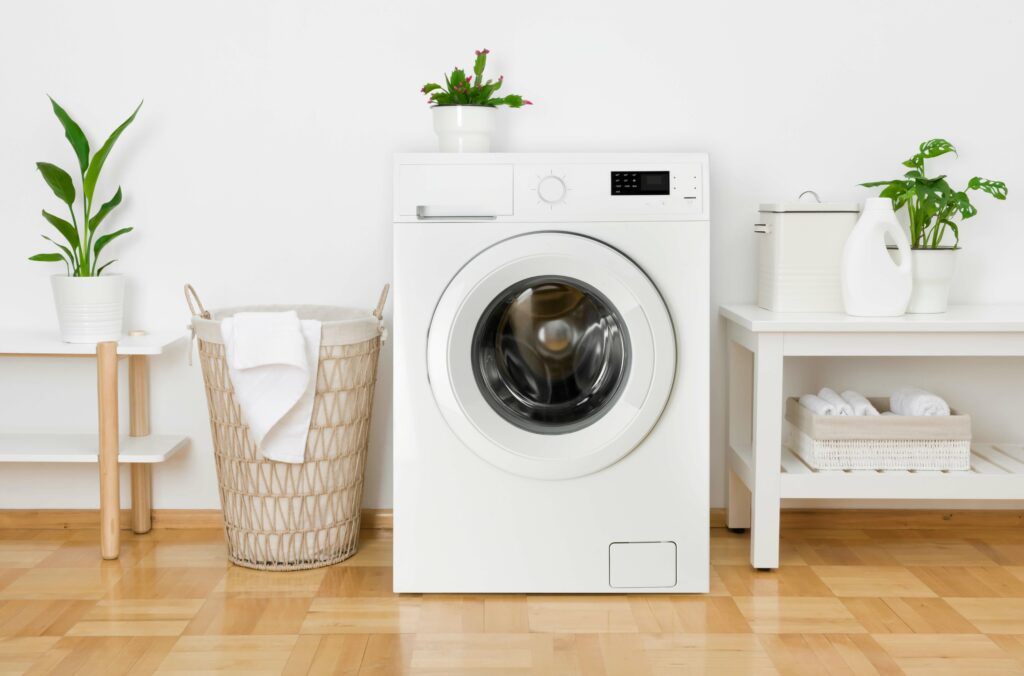
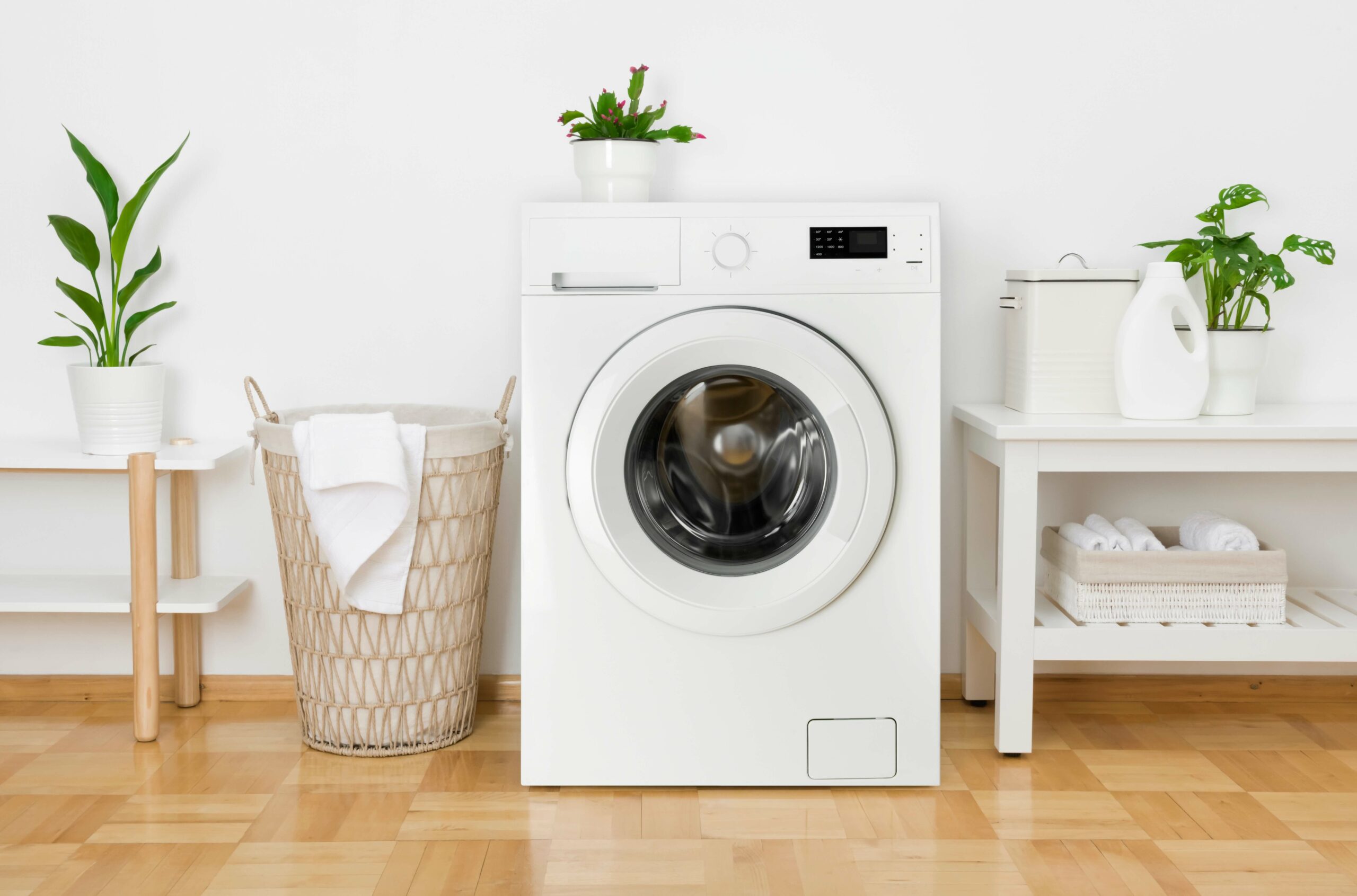
To appreciate why your washer might be malfunctioning, it’s helpful to first understand how it’s supposed to function. The spin and drain cycles are tightly connected in most front or top-loading washing machines. After a wash cycle completes, your Maytag washer activates the drain pump to expel dirty water through the drain hose. Almost immediately afterward, the washer enters the spin cycle, rotating the tub rapidly to wring out remaining moisture from your clothes.
This process relies on a harmonious set of components: the water pump, the lid switch or door lock, the motor, the belt (in older models), and the control board. If just one component fails or loses proper communication with the others, the entire cycle can be disrupted—leaving your clothes in a soggy mess.
Common Reasons Your Maytag Washer Won’t Drain or Spin
There are a number of culprits that may be stopping your washer in its tracks. A blocked or kinked drain hose might be preventing water from exiting the drum. In some cases, a small sock or debris can jam the drain pump impeller. Another frequent issue is a faulty lid switch on top-load models or door lock assembly on front-loaders. The washer’s control board may not receive the green light to spin if it doesn’t register a secure lock.
Other failures often involve the drive belt slipping off or wearing down over time, the motor stopping mid-cycle, or the pump itself weakening due to age or wear. Sometimes, an imbalanced load can trigger the washer’s safety sensors, preventing the spin function entirely.
Symptoms to Watch For and How to Recognize Them
If your washer fills with water but doesn’t progress into the drain or spin cycle, listen closely. A humming sound without motion may suggest a blocked or faulty drain pump. If the cycle skips straight to the end, it may be dealing with a sensor failure or door lock miscommunication. During the spin cycle, unusual vibrations or thumping noises could mean the drum is struggling with an uneven load or worn suspension.
In older Maytag models, a burned-out drain pump motor might generate an electrical odor or cause lights on the control panel to blink erratically. For newer models using digital diagnostics, an error code like F02, SD, or F9E1 could appear. Each code points to a slightly different root cause, but most relate to draining efficiency or spin performance.
Quick Troubleshooting You Can Do at Home
Before you call in professional help—or invest in a new machine—there are a few safe and simple checks you can perform. First, ensure that the drain hose isn’t obstructed or frozen. Next, inspect the door or lid to make sure it clicks shut firmly. A loose latch won’t engage the spin cycle for safety reasons, even if everything else is functioning normally.
If it’s still under warranty or you’re covered by a home service plan, resist the urge to disassemble anything too technical. That can void existing protections. But do run a rinse-and-spin cycle without any clothing inside. If it operates properly, you may have overloaded it or washed a bulky item that threw off the machine’s internal sensors.
When Repairs Are Inevitable
If basic troubleshooting yields no success, it’s time to consider professional repairs. Drain pumps, lid switches, and drive motors are among the most frequently replaced parts in Maytag washers. Replacing a faulty lid switch typically costs less than $150 including labor, while a drain pump may come in closer to $300 depending on your location. If a new control board is needed, the repair can exceed $450.
The reality is—even though Maytag produces durable, reliable machines—no appliance is immune to wear. Machines built over ten years ago may experience compounding failures. The question many homeowners face at this point becomes, is it worth repairing, or is it time to replace?
The Role of a Home Warranty in Protecting Your Washer
This is where a home warranty can become not just helpful, but essential. Traditional homeowners insurance won’t cover mechanical appliance breakdowns due to everyday use. That’s the specific role a home warranty, like coverage from Armadillo, fills. Plans can cover essential appliances like your washing machine, making costly surprises far more manageable financially.
Unlike appliance insurance, which generally applies to brand new purchases, home warranties extend functional coverage to older units that may still work but are vulnerable to component failure. Meaning, if your Maytag washer’s pump or motor fails out of traditional manufacturer warranty, a home warranty could handle the repair or replacement cost for you.
What to Consider Before Replacing Your Maytag Washer
If your washer requires an expensive part replacement and is more than seven to ten years old, replacement may be wise. But this decision should involve several considerations: the total cost of repair versus replacement, your household laundry needs, and whether your current washer still fits your laundry room setup.
Also, consider timing. If other appliances in your home are aging out of their warranties, stacking them under a home warranty could make greater financial sense than replacing each one piecemeal. Especially since washing machines, dryers, and dishwashers tend to fail in similar timeframes, bundled coverage streamlines protection.
Why Armadillo Is the Smart Choice for Washer Worries
When your Maytag washer stops draining or spinning, it doesn’t just disrupt your laundry day—it signals the beginning of repair concerns that could easily multiply. With a customized home warranty from Armadillo, you eliminate the guesswork and dodge the full brunt of unexpected out-of-pocket expenses. Our plans are tailored to match your lifestyle, cover the machines that matter most, and process claims quickly and transparently. To see how simple and cost-effective it is to protect your washer—and everything else that powers your home—start with a visit to armadillo.one. Ready to choose a plan? Take the first step with our plan builder at this link.