Microwave Light Bulbs: Small Component, Big Insight for Homeowners
When it comes to home appliances, few devices work harder and get less appreciation than the microwave. It reheats leftovers, defrosts frozen foods, and often carries the load during busy weekdays. But what happens when the internal light goes out? A flicker lost in a hum of daily chaos—but that little bulb does more than illuminate takeout. It reveals how even the most minor components play an essential role in your home’s functionality. Replacing a microwave light bulb might seem negligible, yet it opens the conversation about appliance maintenance, how your microwave works, and what it means to protect home systems with care. Let’s dive into the inner workings of microwave lighting, explore its advantages and limitations, and offer guidance to make smarter decisions both practically and protectively.
Understanding the Microwave Light Bulb and Its Function
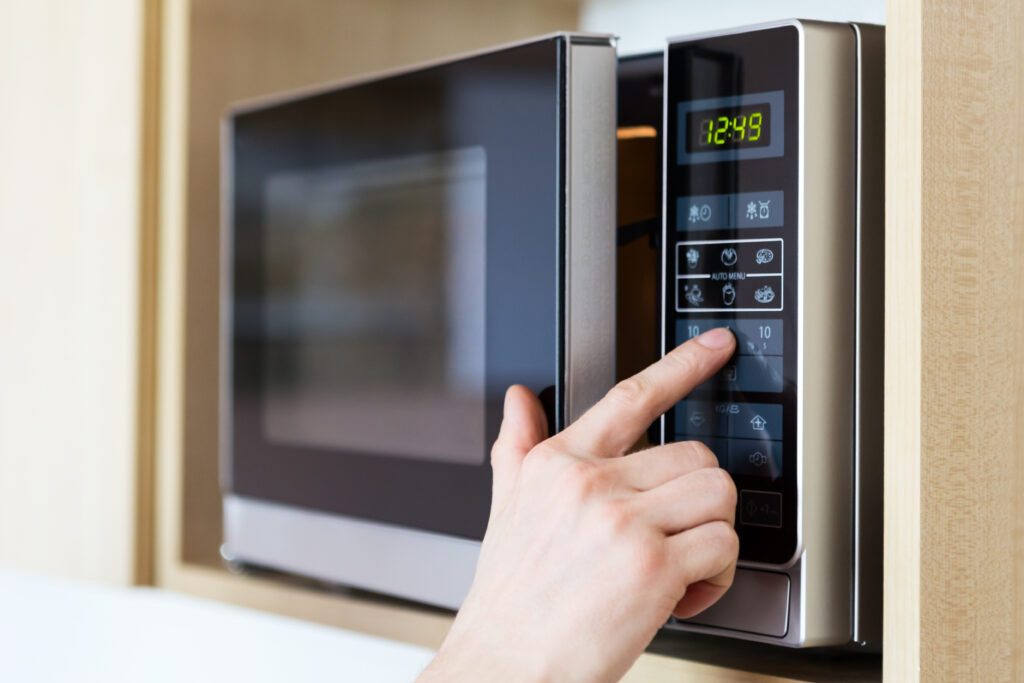
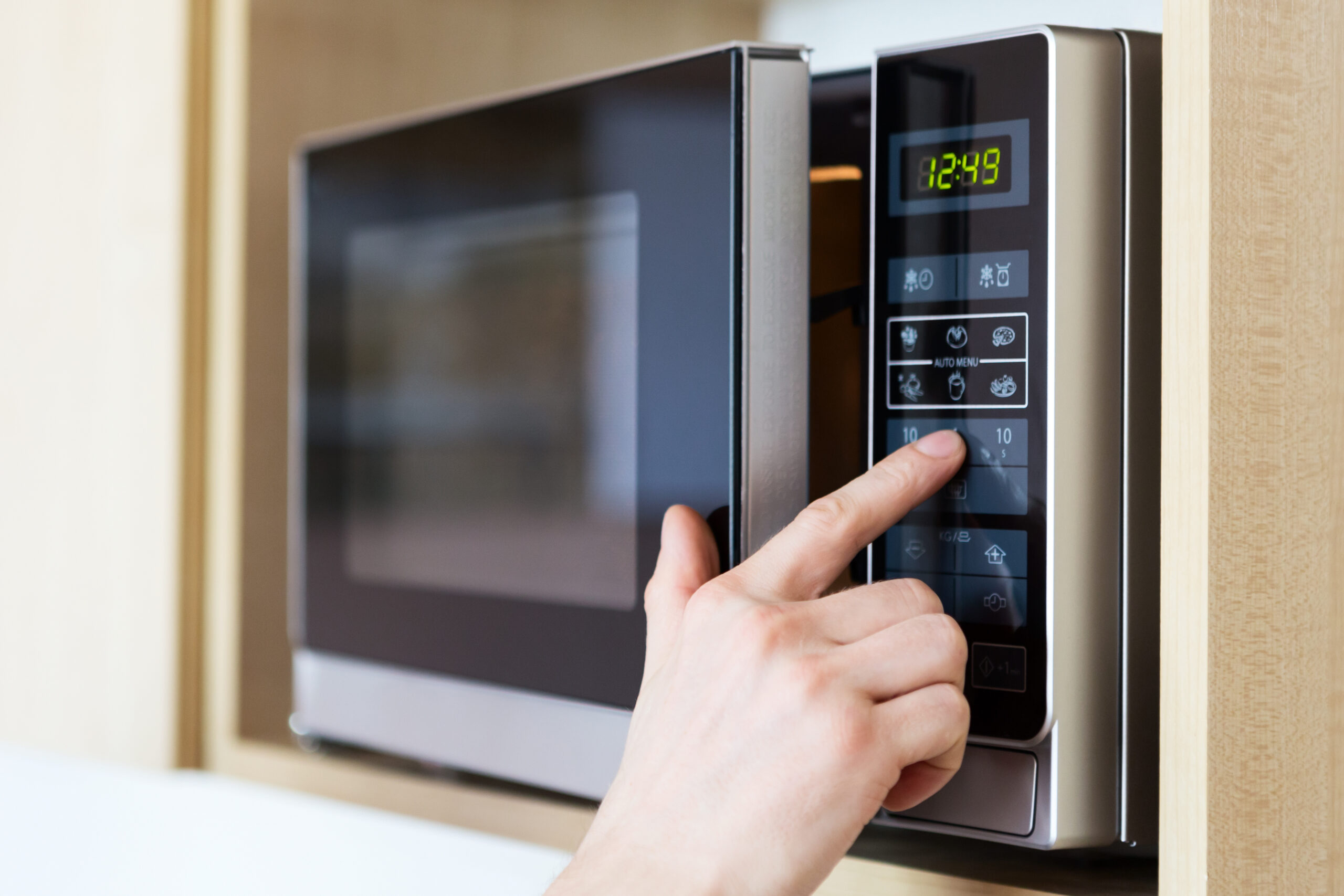
The microwave’s internal light, typically a small appliance-specific incandescent or halogen bulb, serves a practical purpose: visibility. When the door opens or your food spins inside, the light turns on automatically, allowing you to monitor progress without opening the door and disrupting the cooking cycle. Positioned strategically in the casing behind a protective lens, the bulb is engineered to withstand moderate heat and vibrations generated by the magnetron—the component responsible for heating food through microwave radiation.
What makes this bulb unique is its inclusion in both the operational flow and safety design of the microwave. In most newer models, the light activates during cooking or door opening, controlled by door switches and circuit mechanisms. When it burns out, it doesn’t compromise your microwave’s heating elements directly, but it does obscure your view—and may hint at aging circuitry or overuse over time. In households where the microwave is a daily staple, understanding this small part sets the tone for fixture-level maintenance.
When and Why Microwave Bulbs Need Replacing
Like any high-use appliance, microwaves garner unseen wear. The light bulb inside generally lasts anywhere from 7,000 to 10,000 hours depending on usage and the quality of the bulb itself. However, typical warning signs signal when a replacement is due long before failure becomes a hazard. A dimming glow, intermittent flickering, or noticeable discoloration can all indicate degradation in the filament or wiring buildup.
And while bulbs themselves are inexpensive—often under $10—the process of replacing them depends on the microwave’s model and design. Some units allow quick access behind a panel inside the cooking cavity. Others necessitate removing the exterior shell and navigating interior components, which complicates DIY fixes and enters into warranty-sensitive territory. Either way, homeowners must handle replacements with the power unplugged and appropriate tools ready. A replacement should always match the wattage and model number specified by the manufacturer. Using the wrong bulb could blow a fuse or diminish appliance life.
Benefits of Keeping Your Microwave Lighting Functional
It may be just a light, but function ties closely to usability. Visual feedback during cooking prevents overheating, helps track bubbling sauces, and reduces unnecessary door opening—keeping the cooking process consistent and safe. Especially in homes with children or seniors, proper illumination adds a tangible level of safety. Beyond that, a lit microwave window improves household efficiency. We rely on visuals across appliances, from oven windows to refrigerator LED indicators, and the microwave is no exception.
Additionally, replacing small parts like bulbs when they fail reinforces a habit of midlife appliance care. Instead of waiting for mechanical failure to surface, replacing components individually extends the life of the unit overall. In effect, it’s preventative maintenance in action. Turning a blind eye—literally and metaphorically—to small failures allows minor issues to accumulate, ultimately leading to larger repair or replacement costs.
Drawbacks and Limitations of DIY Repairs
Despite appearances, changing a microwave light isn’t always the simplest task. Unlike a countertop lamp where access is central, microwave bulbs are often protected behind interlock systems or live electrical wiring. Serious voltage can be stored in the capacitor even after unplugging. Mishandling these components risks electrical shock, injury, or damaging the appliance.
Additionally, warranty limitations may prevent you from making certain repairs yourself. Many manufacturers specify that any internal access or unauthorized modification voids coverage. If your microwave is less than two years old and still under the manufacturer’s protection, tampering with its internals to replace a bulb—no matter how small—could compromise future repair options. This underlines the value of a comprehensive home warranty that includes major appliances. Coverage removes the guesswork of whether a repair is safe, cost-effective, or recommended.
The Broader Lesson: Systems Thinking for Appliance Health
This bulb discussion broadens into a larger principle: the value of systems thinking. In-home maintenance, everything connects. A light goes out? It might reveal a worn wire. A burnt wire may tie back to power surges. Recognizing these relationships helps homeowners prepare for real-time failures and adopt smarter maintenance habits. Microwaves contain more than lightbulbs. They include capacitors, fuse circuits, switches, motors, and control panels—all prone to wear over time. Replacing a bulb yourself or scheduling a covered service call should prompt awareness about adjacent risks or needs.
This mindset fosters long-term vigilance: one component failure is rarely isolated. As appliances age past warranty or hit the five or six-year mark, the likelihood of multiple parts wearing out increases too. A holistic approach means every small fix is an opportunity to check larger systems.
Choosing the Right Bulb: Model Compatibility and Safety Standards
Finding the correct replacement isn’t just about wattage. Models vary in socket type, voltage, and temperature resistance. Common types include halogen G8 push-fit or E17 intermediate base incandescent bulbs, each suited for varied microwave brands. Refer to your appliance’s user manual or manufacturer website for specifications. Using a bulb with a higher watt rating than recommended could result in overheating, melting fixtures, or even fire hazards.
Equally important is choosing a bulb tested for microwave use. Not all appliance bulbs are microwave-safe. Look specifically for parts marked as microwave-compatible, ideally rated with UL or equivalent certifications for home appliance use. Investing a few extra dollars into a quality, certified bulb translates into prolonged durability and peace of mind.
Why a Home Warranty Plan Matters for Even the Smallest Fix
Appliances rarely fail with perfect timing. Replacing a burnt-out bulb might be manageable, but what if the door latch goes next? Or the magnetron fails, rendering the unit nonfunctional altogether? A dependable home warranty from Armadillo gives you coverage that extends beyond the basics. With customizable plans that include kitchen appliances, you can tackle small issues like light bulbs, and larger ones like power failures, without wondering “Is this covered?”
Armadillo gives homeowners clarity. Their plans are transparent, fast-acting, and tailored to handle real-life breakdowns—whether it’s a microwave or your whole HVAC system. Learn more about how their coverage works by visiting their homepage at https://www.armadillo.one. Ready to see what protection looks like in your ZIP code? Build your custom plan today at https://app.armadillo.one/plan-builder?current=zip. With access to fast service, vetted technicians, and 24/7 claims support, Armadillo ensures that appliance maintenance—right down to a single bulb—never interrupts your peace of mind.