Understanding Your Microwave: What Every Homeowner Should Know
The modern kitchen thrives on convenience, efficiency, and smart technology. Among the appliances that make day-to-day life simpler, the microwave ranks near the very top. But while most of us rely on it daily to reheat leftovers or defrost frozen meals, few take the time to understand how it works, what to watch for over time, and how to maintain it properly. In the context of home systems and warranties, the microwave is more than just a box that spins and heats—it’s a critical kitchen component that deserves more attention than it gets. This article gives you the foundation you need to make informed decisions about microwave installation, maintenance, and protection under a home warranty.
What Is a Microwave and How Does It Work?
At its most fundamental level, a microwave oven uses electromagnetic waves—specifically microwaves—to heat food. Inside the appliance, there’s a component called a magnetron that converts electrical energy into these microwaves. Once generated, the waves bounce around the interior until they come into contact with food. Water molecules inside the food absorb the energy, causing them to vibrate quickly and generate heat. This heating motion cooks or reheats the food from the inside out.
Unlike traditional ovens that use external heat sources, the microwave works by energizing molecules directly. This is why it’s significantly faster, making it a time-saver in kitchens around the world. Because it’s an essential fixture in modern living, understanding what goes wrong—and how to address it—can protect both your investment and your daily workflow.
Types of Microwaves and Installation Options
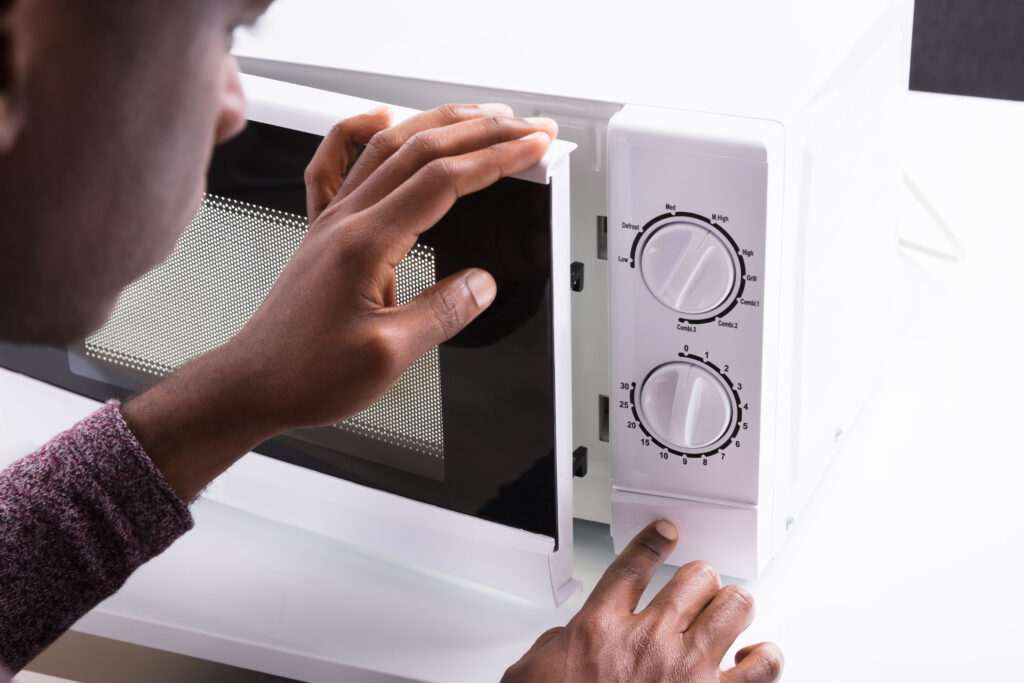
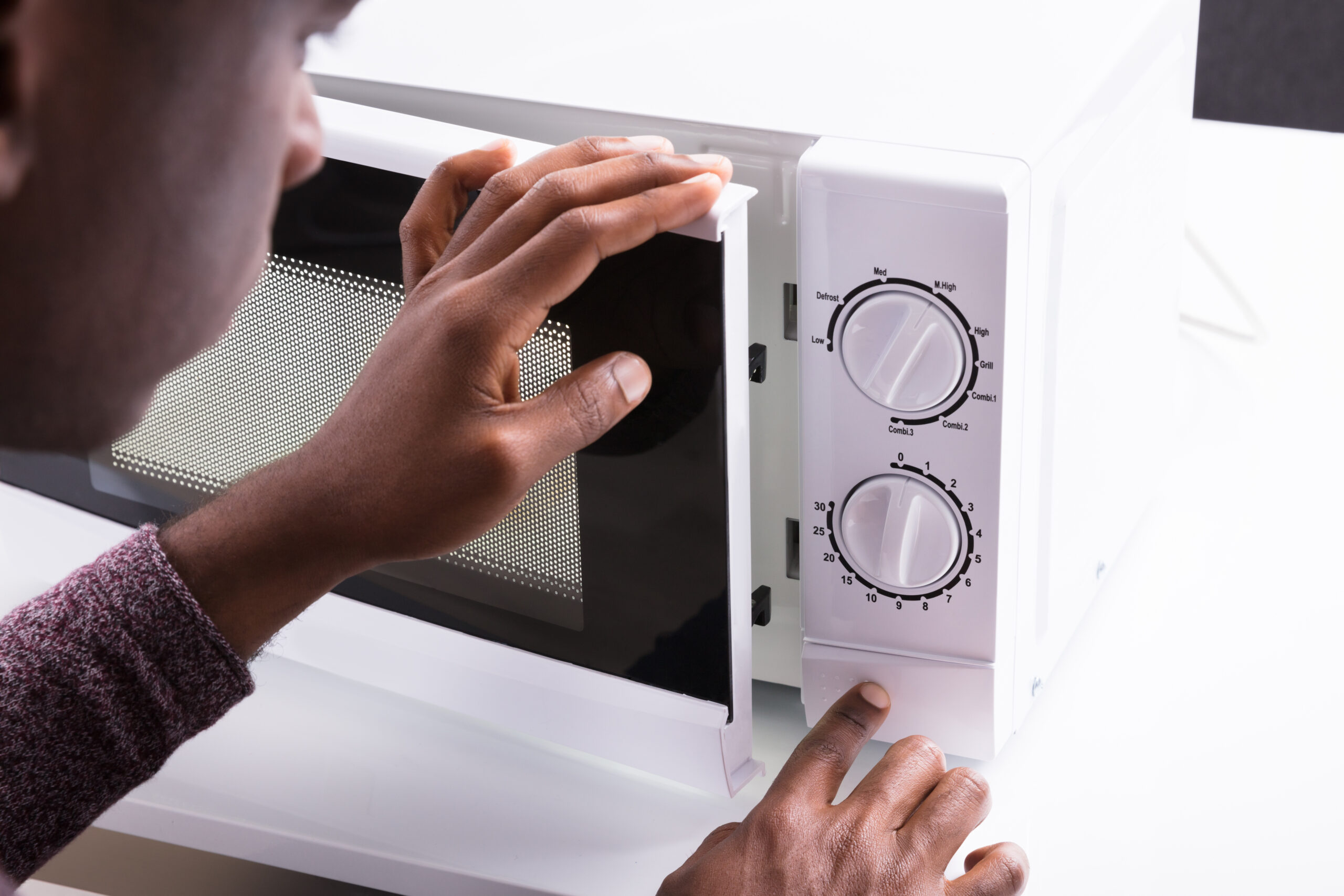
There are several types of microwaves available, and the configuration you choose impacts performance, space, and cost. Countertop microwaves are the most common due to their flexibility and affordability. They simply plug in and operate. While they don’t require installation, they do occupy valuable counter space. Over-the-range microwaves serve a dual purpose, acting as both a microwave and a ventilation hood. Built-in microwaves are installed directly into cabinetry, offering a more streamlined kitchen look. Each type varies in installation complexity, and depending on the model, some may require professional installation to ensure proper ventilation and electrical alignment.
Homeowners should pay close attention to how the microwave unit is connected to the home’s electrical system. Improper ventilation, incorrect wattage support, or poor installation could lead to reduced lifespan—or worse—hazards. During home improvement projects, it’s advisable to work with both a licensed electrician and appliance specialist to ensure all code and safety requirements are met.
Common Microwave Issues Homeowners Experience
While microwaves are generally reliable, they aren’t immune to wear and tear. Some of the most prevalent problems include the unit not heating properly, unusual noises during operation, failure to turn on, or a broken turntable. A failed magnetron, faulty diode, or damaged capacitor are all potential culprits when the microwave stops functioning. In over-the-range models, issues with the built-in exhaust fan are also common.
Though some issues can be attributed to faulty manufacturing, many arise from age or misuse. For example, operating the microwave without food inside can damage internal components. Power surges can affect circuit boards, and accumulated grime or poorly ventilated units can overheat. Recognizing these issues early can prevent costly repairs and ensure safer long-term use.
Longevity and When to Consider Replacement
Microwaves have a general lifespan of around seven to ten years, depending on usage and maintenance. Heavy daily use, like heating multiple meals or operating the microwave for extended durations, may lead to faster deterioration. When you notice slower heating times, flickering control panels, or doors that no longer close securely, it’s often more cost-effective to replace the unit rather than repair it.
When replacement becomes necessary, consider energy-efficient models that prioritize performance and sustainability. Several newer designs feature inverter technology, which adjusts energy output more consistently, improving cooking quality and reducing energy use. Choosing a model that aligns with your household’s cooking habits can extend the new microwave’s longevity and improve everyday convenience.
Preventative Maintenance Tips for Reliability
Maintaining your microwave is straightforward yet crucial. Always clean food splatter immediately to prevent residue buildup, which can absorb microwave energy and damage components. Use microwave-safe containers to protect the cavity and avoid arcing incidents. Do not operate the appliance when empty, and periodically inspect the door seals to ensure they are intact. Faulty seals can leak radiation and reduce heating power.
For over-the-range models, check that the exhaust fan and carbon filter systems are unobstructed. Regular cleaning of filters improves air quality and appliance function. Most manufacturers provide maintenance instructions specific to their models. Following them will not only maintain optimal performance but can also support warranty claims if needed later on.
How Microwaves Are Covered Under a Home Warranty
Microwaves—particularly built-in or over-the-range models—are typically considered built-in appliances under many home warranty plans. Unlike portable countertop models, these types are integrated into your kitchen’s structure and may be eligible for repair or replacement as part of your warranty coverage. That coverage typically kicks in when breakdowns result from normal wear and tear, not accidental damage or misuse.
A comprehensive home warranty plan should specify what’s included for appliance repairs, such as magnetron failure or turntable motor issues. Make sure the plan includes both parts and labor. Reading the fine print matters, especially when your microwave is part of a larger kitchen upgrade. Verify whether your specific model is eligible, understand recall policies, and confirm service request limits or response times.
Why a Home Warranty Adds Real Value to Microwave Ownership
A home warranty provides peace of mind, especially when it comes to essential kitchen appliances. The microwave may seem small in size compared to systems like HVAC or plumbing, but its daily use makes its reliability critical. When it fails, it disrupts routines. With warranty coverage, you can skip the research into replacement parts or the hunt for qualified repair technicians. Instead, a single service request puts the repair process in motion, saving both stress and cost.
For homeowners who are upgrading or moving into a new home, investing in a warranty that includes kitchen appliances like the microwave is a strategic move. It minimizes the out-of-pocket expense associated with sudden breakdowns and ensures support when time or availability is limited. It also preserves the value of kitchen systems as a whole, which is key for home resale thinking long-term.
Protect Your Kitchen’s MVP with Armadillo
Microwaves may operate quietly in the background, but when they unexpectedly stop working, it’s instantly noticeable. That’s why homeowners turn to Armadillo for reliable, transparent, and smart warranty coverage. Whether your microwave is built-in over the range or part of a sleek custom renovation, Armadillo’s customizable protection plans allow you to safeguard it with confidence. Our straightforward claims process and proactive service make it easy to keep your kitchen running smoothly. Learn more about our approach at armadillo.one. Ready to get started? Build your personalized protection plan at armadillo.one/plan-builder today and take the stress out of appliance ownership.