Can You Put Foil in a Microwave? What Homeowners Need to Know
Microwaves are a staple in most modern kitchens for their speed and convenience. But there’s a persistent question that sparks debate in households everywhere: can you put foil in a microwave? Most people assume the answer is a flat no, but the truth is more nuanced. For homeowners, understanding the rules around microwave safety doesn’t just prevent dinner from being ruined — it helps protect an essential appliance in your kitchen. In this article, we’ll break down how microwaves work, why foil has a controversial reputation inside them, and what you absolutely need to know to keep your appliances safe (and running). If you’re a homeowner who wants to preserve the lifespan of your microwave — or just keep some peace of mind — this is information worth having.
Understanding How Microwaves Work
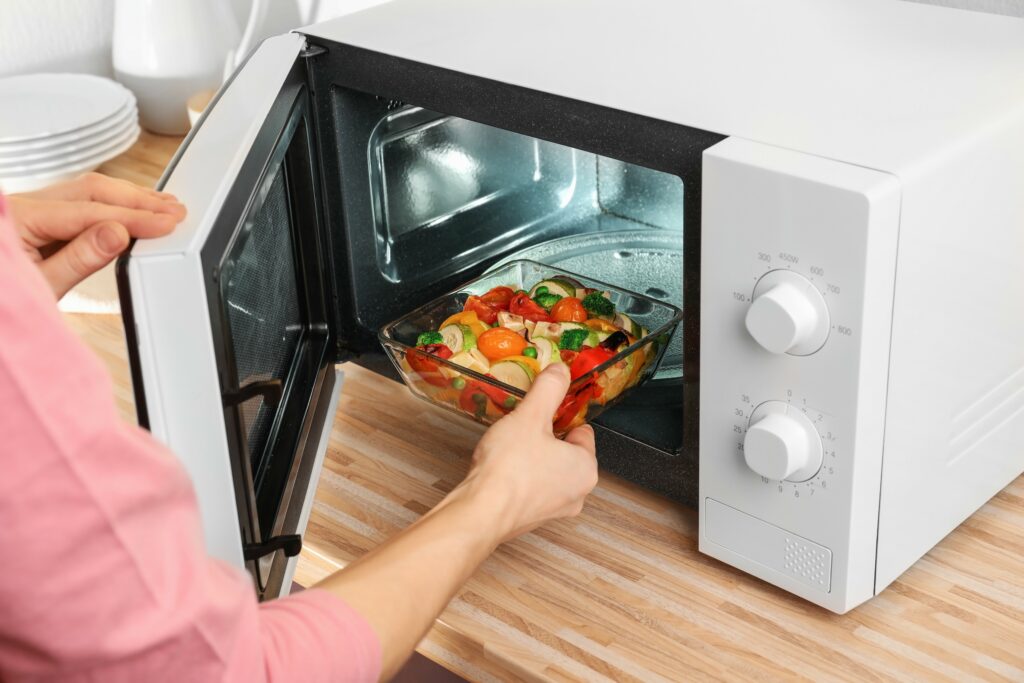
The microwave oven heats food using electromagnetic radiation at a specific, low-frequency wavelength. This radiation agitates water molecules inside food, creating heat through molecular friction. It’s safe, fast, and energy efficient. Unlike a conventional oven that heats food from the outside in, a microwave creates heat internally, which explains why your coffee gets hot in 60 seconds while the cup remains cool.
Inside the functional chamber of the microwave lies a component called a magnetron, which converts high-voltage electricity into the microwaves themselves. These waves bounce off the interior walls of the microwave — typically made of metal — and directly interact with food. This bouncing effect is what enables even heating, which is also where foil becomes problematic.
Why Metal and Microwaves Don’t Usually Mix
From an engineering standpoint, metal reflects microwaves — it doesn’t absorb them like organic material does. When flat, smooth metal like the walls of your microwave reflects energy, that’s perfectly safe. But when the metal object is irregular or sharp-edged, like crinkled aluminum foil, it can cause the energy to arc, leaping from the metal to another surface inside the microwave, often accompanied by sparks.
This isn’t just a flashy light show. Arcing can damage the interior walls of your microwave and — in severe cases — short-circuit internal components. Modern microwaves tend to shut down automatically if arcing is detected, but that doesn’t guarantee all scenarios are risk-free. Most manufacturers warn consumers not to use metal in the microwave, yet the small print on certain foil products says otherwise under specific conditions. The confusion is understandable.
Can You Ever Put Foil in a Microwave Safely?
The short answer: yes, but only under very controlled conditions. The USDA acknowledges that small amounts of smooth aluminum foil can be used to shield food edges from overcooking in microwaves. The operative words here are small and smooth. A carefully folded, flat piece of foil used to protect the edge of a pie crust is a very different scenario than wrapping leftovers entirely in foil and tossing them in. The size, shape, and position of the foil matters. It must be placed away from the microwave’s walls, smooth without wrinkles, and should never form a circle or folded edge that could encourage arcing.
Essentially, the foil must never act like an antenna or gap-bridge that energy could leap across. Think of foil in a microwave as an experiment best left to the detail-oriented. If you’re unsure or inattentive, it’s safer to opt for microwave-safe glass or ceramic covers for shielding and reheating.
Risks to Your Microwave: Long-Term Damage and Warranty Considerations
Many homeowners overlook the fact that improper microwave use can void warranties and lead to expensive repairs. The internal electrical systems in microwaves are highly sensitive to power fluctuations caused by misuse, such as arcing from foil. Small internal fires — even if extinguished by safety shutoffs — can damage critical components like the magnetron or waveguide cover, elements that can be costly to replace.
If you’re covered by a home warranty, your service provider may not honor repair claims if the damage was caused by misuse, including inappropriate metal use inside the microwave. Always refer to your user manual and verify what constitutes “covered damage.” Knowing the difference between manufacturer defect and user-induced breakdown can save you not only on repair costs but also on avoidable headaches with warranty claims.
How to Protect Your Microwave and Keep It Running Efficiently
Use microwave-safe materials whenever possible. Glass, ceramic, and specific plastic containers labeled for microwave use are engineered to withstand electromagnetic radiation without absorbing energy or causing sparks. If you absolutely must use foil, follow manufacturer and USDA recommendations precisely — and never leave the microwave unattended when doing so.
Keep the interior clean. Grease or splattered food particles can absorb microwaves unevenly, leading to hot spots and degradation of the interior lining. Also, test your microwave’s efficiency periodically. If food is taking longer than expected to heat, your magnetron could be weakening, which may signal the early stages of internal malfunction. Regular maintenance and respectful use are foundational to long-term performance.
What to Do If Your Microwave Malfunctions
If your microwave does begin to spark or behaves erratically, discontinue use immediately. Unplug the unit, allow it to cool completely, and then inspect for signs of damage such as burns near the waveguide cover or any visible scorching. Do not attempt to repair internal components yourself; microwaves store high-voltage electricity even when unplugged and can be hazardous to dismantle without proper training.
Instead, call a licensed appliance technician or file a service request through your home warranty provider, if applicable. Provide as much context as possible about what led up to the malfunction, especially if things were heating normally earlier that day. Transparency helps outline if it’s a repair covered under warranty or user responsibility.
Preventative Tips for Safer Microwave Use
Always inspect food transfers before reheating, especially takeout wrapped in foil or metal-lined paper. Never use twist ties, which often contain metallic filaments. When in doubt, don’t put it in. Use clocks and timers to stay present while food is heating — most severe issues arise when users walk away and forget the appliance is running. Keep children and guests informed of basic microwave safety, especially during holiday meals where multiple people reheating food increases overall risk.
If you’re investing in a new microwave, look for models with advanced inverter technology or automatic shut-off mechanisms to help mitigate risk during unusual operations. Smart appliances are including more built-in protection against arcing and overuse, but no safety feature replaces informed interaction with the device. Education is still the single most effective preventative tool.
How Armadillo Can Help Protect Your Kitchen Systems
The reality is that kitchen appliances — especially high-use systems like microwaves — are subject to wear, error, and sometimes unforeseeable failure. With Armadillo’s tailored home warranty plans, you can safeguard essential appliances throughout your home from the cost of breakdowns. Whether you accidentally used foil incorrectly or your microwave gave out due to old age, Armadillo offers a layer of protection that keeps your culinary convenience intact without adding stress to your day. Explore our coverage options at www.armadillo.one and start building your custom plan here: Get Coverage. With Armadillo, your home is covered, confident, and cared for — exactly as it should be.