When Your Microwave Stops Working: What Every Homeowner Should Know
It happens at the worst possible moment. You pop something in the microwave, hit start, and nothing happens. No hum, no light, no rotating plate. Just silence. If your microwave just stopped working, you are not alone, and you are not necessarily looking at a catastrophic expense. But understanding what actually happened, what your options are, and how a home warranty fits into the picture can save you a lot of frustration, and potentially a lot of money. This guide walks through everything from how microwaves work to how home warranty coverage handles appliance breakdowns like this one.
How a Microwave Actually Works
Most homeowners use microwaves every single day without ever thinking about what is happening inside. The basic principle is straightforward. A component called a magnetron converts electrical energy into microwave radiation, which is a form of electromagnetic energy. That energy excites water molecules inside your food, and the friction from that movement generates heat. It is fast, efficient, and remarkably effective for reheating leftovers or cooking quick meals. The magnetron is supported by a high-voltage transformer, a capacitor, and a diode, all of which work together to deliver enough power to make the whole process work. When any one of these components fails, the microwave stops doing its job. And because the internal voltage involved is genuinely dangerous, most repairs are not DIY territory.
Common Reasons a Microwave Stops Working
Before assuming the worst, it helps to understand what typically goes wrong. There are a handful of common culprits that cause microwaves to stop functioning entirely or behave erratically. Identifying the symptom can point toward the cause and ultimately help you determine whether repair or replacement makes more sense.
- A blown internal fuse is one of the most frequent causes of a completely unresponsive microwave
- A failed door latch or faulty door switch can prevent the unit from operating as a safety measure
- A defective magnetron will cause the microwave to run without heating anything
- Control board failure can cause the display or buttons to stop responding
- A damaged high-voltage diode or capacitor may cause humming without heating
- Thermal cutout failure, often caused by overheating, can shut the unit down entirely
Some of these issues are relatively inexpensive to fix. Others, particularly magnetron replacement, can cost nearly as much as a new unit. That is the point where the math starts to matter, and where home warranty coverage becomes a real conversation worth having.
Built-In vs. Countertop Microwaves: Does It Change Anything?
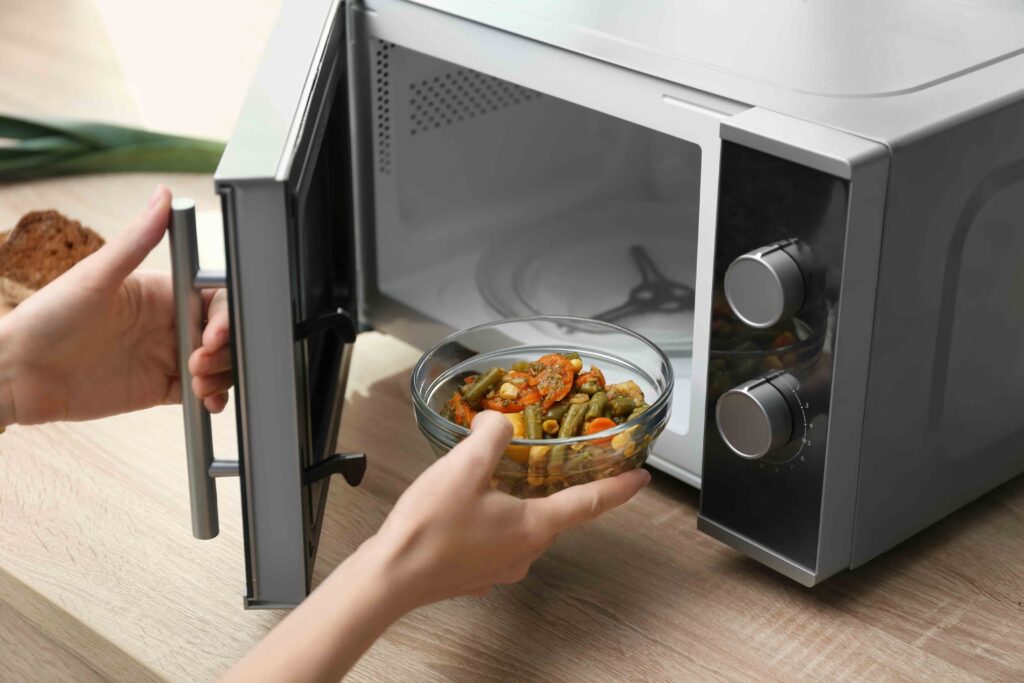
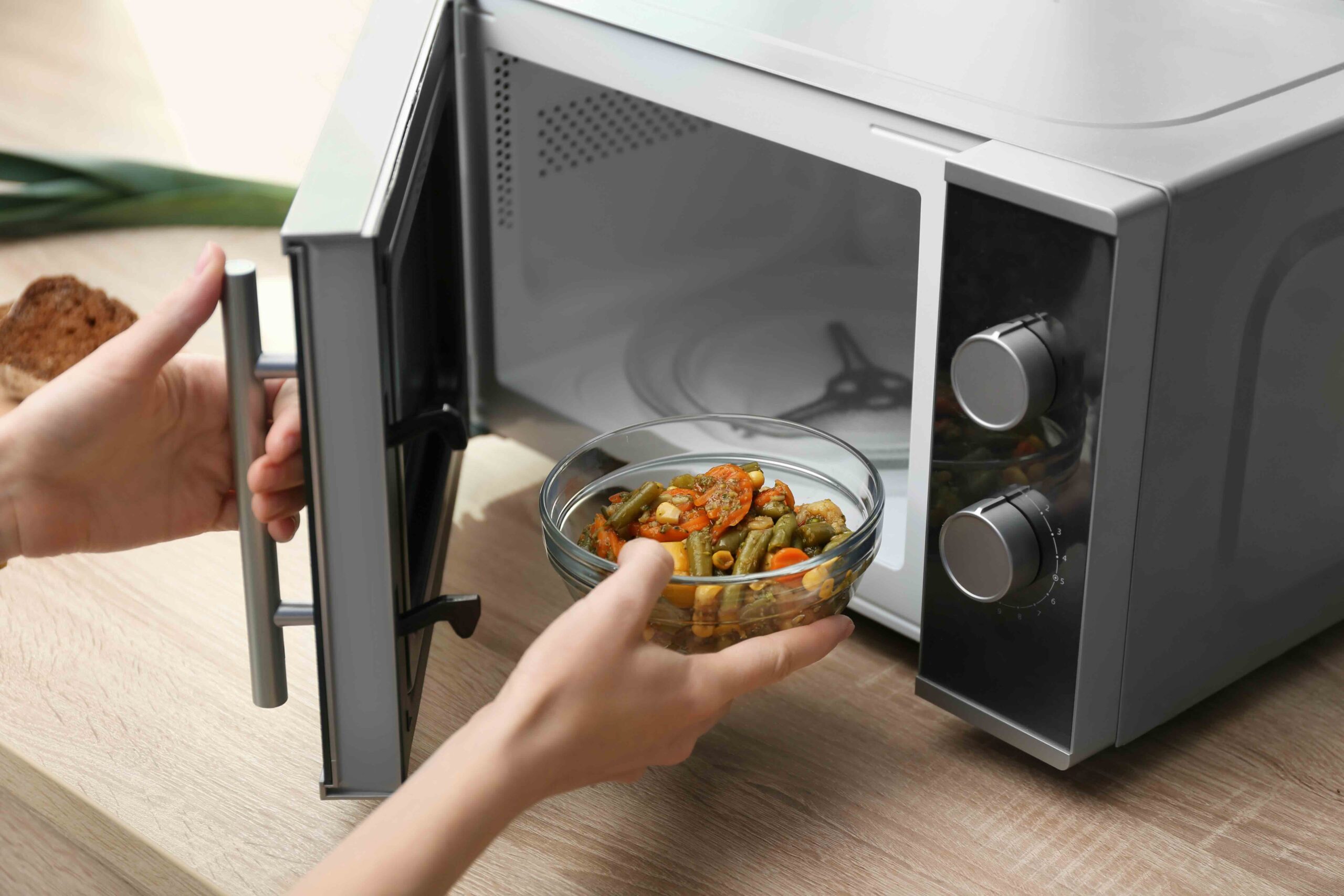
Yes, actually, it changes quite a bit. A countertop microwave is an appliance you can simply unplug and replace. Built-in or over-the-range microwaves are a different story. They are integrated into your kitchen, often hardwired or connected to dedicated cabinetry, and replacing them typically requires professional installation. The cost and complexity go up significantly when dealing with a built-in unit. From a home warranty perspective, this distinction matters too. Built-in microwaves are more commonly included in appliance coverage plans because they function more like a permanent home system than a portable appliance. Understanding which type you have is the starting point for evaluating your options.

Repair vs. Replace: Making the Right Call
The general rule in the appliance world is that if a repair costs more than fifty percent of the replacement cost, you are usually better off replacing the unit. For countertop microwaves, which can be purchased new for anywhere between sixty and three hundred dollars depending on the model, this threshold is reached fairly quickly. For a built-in or over-the-range unit that costs three hundred to six hundred dollars installed, repair can sometimes make more financial sense. The age of the appliance matters too. If your microwave is more than eight to ten years old, parts availability may be limited and the unit may be approaching the end of its useful life regardless. A technician can often give you a solid answer within the first diagnostic visit, which itself is something home warranty coverage can help offset.
What Home Warranties Actually Cover When an Appliance Breaks
A home warranty is a service contract that covers the repair or replacement of home systems and appliances when they break down due to normal wear and tear. That last part is important. Home warranties are designed to handle mechanical failure, not damage caused by misuse, accidents, or neglect. When your microwave stops working and the cause is a failed internal component rather than a dropped object or power surge, that is exactly the kind of breakdown a home warranty is built for. Coverage typically includes the cost of the technician visit, the diagnosis, parts, and labor. Depending on the plan, some providers will authorize a replacement if the repair cost is not practical. It is worth reading the fine print on any plan to understand whether microwaves are included and under what conditions.
What Home Warranties Do Not Cover
Understanding the exclusions is just as important as understanding what is covered. Most home warranty providers are clear about what falls outside the scope of a standard appliance plan. Common exclusions include cosmetic damage, damage from power surges or improper installation, and issues that existed before the coverage began. Some plans treat countertop microwaves differently than built-in units, and a few exclude microwaves altogether in their base tiers. This is why comparing plans carefully before signing matters enormously. The right plan covers what you actually need without burying the important limitations in language that is hard to parse.
Practical Steps to Take When Your Microwave Stops Working
If your microwave just stopped working, there are a few things worth doing before calling a technician or filing a claim. Start with the basics because not every situation is a mechanical failure waiting for a costly diagnosis.
- Check the circuit breaker to confirm the outlet or dedicated circuit has not tripped
- Test the outlet with another device to rule out an electrical issue unrelated to the microwave
- Inspect the door latch and make sure it is closing fully and engaging correctly
- Review your owner’s manual for a reset procedure, which some models support
- If the unit is under manufacturer warranty, contact the brand before doing anything else
- If you have a home warranty, initiate a service request through your provider before scheduling an independent repair
Taking these steps in order can save time and prevent accidentally voiding coverage by using an unauthorized technician.
The Real Cost of Appliance Breakdowns Without Coverage
It is easy to underestimate how quickly appliance repair and replacement costs add up. A microwave repair involving a magnetron replacement can run between one hundred fifty and three hundred dollars in labor and parts alone. An over-the-range installation adds another hundred to two hundred dollars on top of the unit cost. Multiply that logic across the rest of your home appliances over a five to ten year window and the numbers become significant. A home warranty turns that unpredictable, variable expense into a known, manageable monthly cost. For homeowners who want to budget with more certainty and avoid unpleasant financial surprises, that trade-off makes a lot of sense.
Why Armadillo Is Worth Considering for Your Appliance Protection Needs
When your microwave stops working and you are staring down the cost of repair or replacement, the last thing you want is to discover that your home warranty has a loophole that leaves you paying out of pocket anyway. Armadillo was built specifically to solve that frustration. With straightforward coverage terms and a claims process that does not feel like an obstacle course, Armadillo is designed for homeowners who actually want to use their warranty when something goes wrong. If you are looking for a home warranty that covers kitchen appliances including built-in microwaves, Armadillo offers plans that are transparent, competitive, and genuinely designed around how people live in their homes. Getting started takes less time than you might think, and you can get a free home warranty quote for appliance breakdown coverage in just a few minutes. No pressure, no confusion, just clear information to help you decide what level of protection makes sense for your home.

Frequently Asked Questions About Microwaves and Home Warranty Coverage
These are the questions homeowners ask most often when dealing with a microwave that has stopped working and trying to figure out how a home warranty fits into the situation.
Does a home warranty cover a broken microwave?
It depends on the plan and the type of microwave. Built-in and over-the-range microwaves are more commonly covered under standard appliance plans. Countertop microwaves may be excluded or require an additional coverage tier. Always review your specific plan documents to confirm coverage terms before filing a claim.
Why did my microwave suddenly stop working with no warning?
Microwaves can fail without prior symptoms, especially when an internal fuse blows, a door switch fails, or the magnetron reaches the end of its lifespan. These are normal mechanical failures that occur with regular use over time and are not typically caused by anything the homeowner did wrong.
Is it worth repairing a microwave or should I just replace it?
If the repair cost exceeds fifty percent of what a comparable replacement would cost, replacement is usually the smarter financial decision. For built-in units with higher installation costs, repair can sometimes be more economical, especially if the unit is relatively new.
How long do microwaves typically last?
Most microwaves have an average lifespan of nine to ten years with regular use. Built-in and over-the-range models tend to last slightly longer due to their construction. Countertop units used multiple times daily may reach end of life sooner.
Can I repair my microwave myself?
Basic checks like inspecting the door latch or resetting a tripped breaker are safe for homeowners to perform. Internal repairs are not recommended due to the high-voltage capacitor inside microwaves, which can retain a dangerous charge even when unplugged. Always have internal repairs performed by a qualified technician.
What is the first thing I should check when a microwave stops working?
Start by checking the circuit breaker or outlet to rule out an electrical issue. Then inspect the door latch to make sure it is closing properly. Many microwaves will not operate if the door is not fully engaged as a built-in safety feature.
Will a home warranty cover a microwave that stopped working due to a power surge?
Most home warranty plans do not cover damage caused by power surges. That type of damage typically falls under homeowners insurance rather than a home warranty. A surge protector is a good preventive measure for all kitchen appliances.
How do I file a home warranty claim for a broken microwave?
Contact your home warranty provider through their claims portal or customer service line before scheduling a repair. Most providers require you to use an authorized technician. Filing the claim first ensures you do not lose reimbursement eligibility by using an unapproved service provider.
Does the age of my microwave affect home warranty coverage?
Home warranties generally cover appliances regardless of age as long as the appliance was in working condition when the coverage began and the failure is due to normal wear and tear. However, some providers may note that older units reaching end of life may be subject to different replacement decisions.
What should I do if my home warranty denies a microwave repair claim?
Request a written explanation of the denial and review it against your contract terms. If you believe the denial was made in error, ask to escalate the review. Document the technician’s diagnosis and keep all communication records in case you need to dispute the decision formally.