Mini Split Air Conditioners: A Smart Cooling and Heating Solution for Modern Homes
When it comes to home comfort, few systems offer the balance of efficiency, flexibility, and performance that ductless mini split air conditioners bring to the table. These compact, high-efficiency HVAC systems are becoming a popular choice for homeowners seeking energy-conscious climate control without the need for extensive ductwork. But what exactly is a mini split system, how does it function, and where does it fit within the broader context of homeownership and home warranties? Let’s take a thorough look at this innovative technology and explore how it might work in your home.
Understanding What a Mini Split A/C System Is
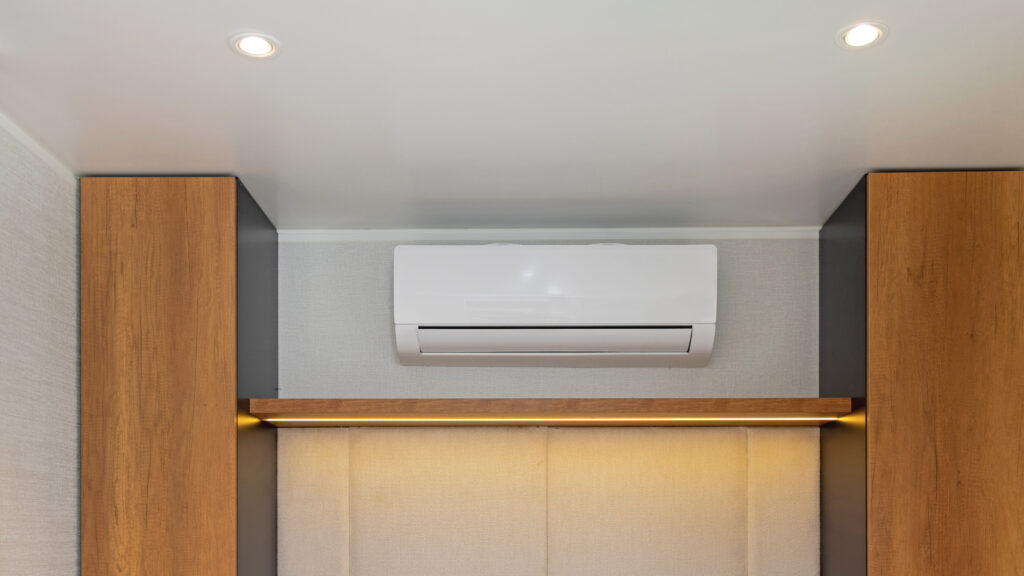
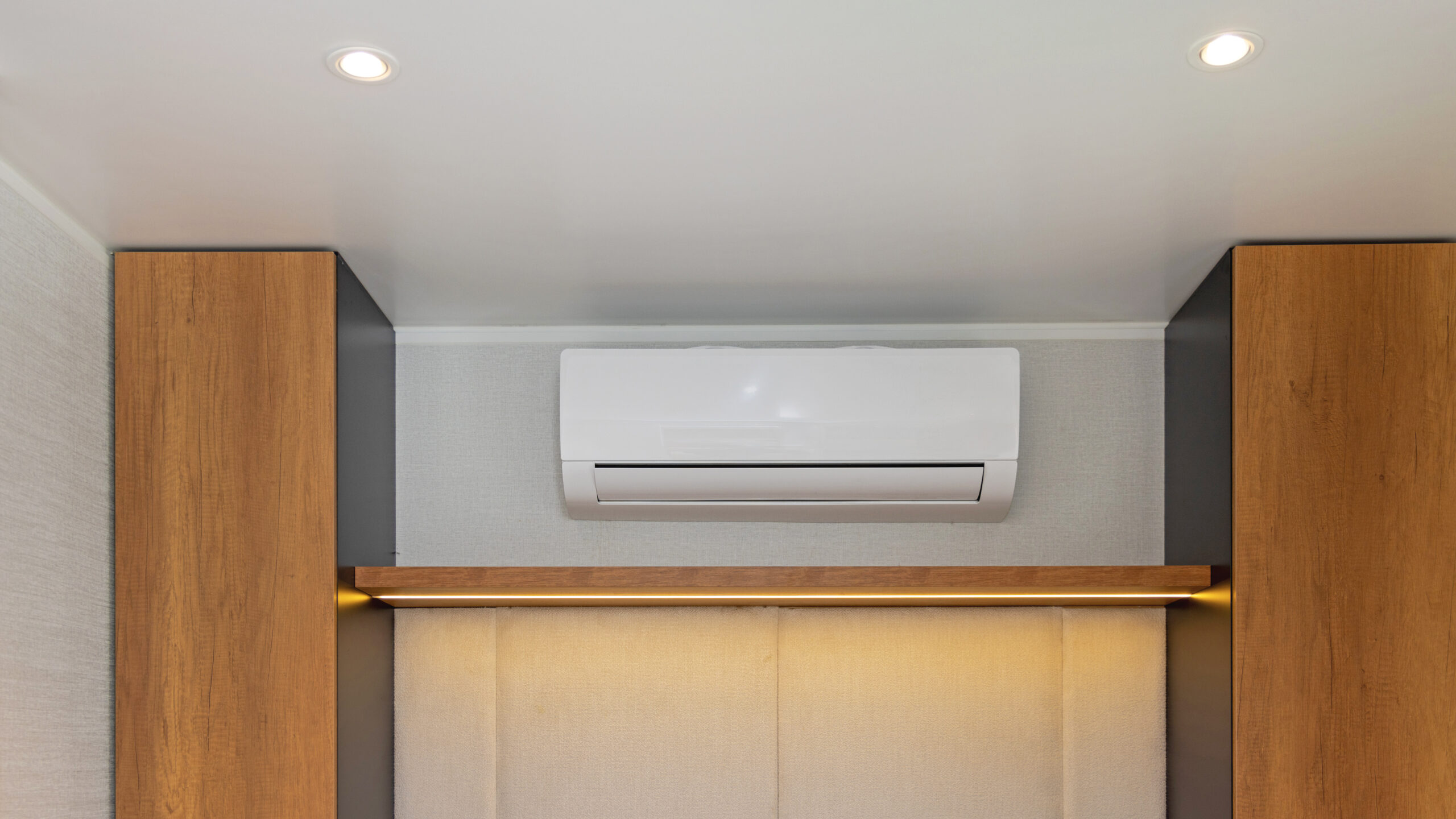
A mini split air conditioner, also known as a ductless mini split system, is a type of HVAC unit that provides both heating and cooling without relying on a centralized duct system. It consists mainly of two key components: an outdoor compressor/condenser and one or more indoor air handling units mounted on walls or ceilings in individual rooms. These components are connected by a small conduit housing the power cable, refrigerant tubing, and drain line.
What makes mini splits appealing to many homeowners is their versatility. Ideal for spaces without existing ductwork—such as older homes, additions, finished basements, or detached garages—these systems allow targeted temperature control room by room. The result is a more personalized and energy-efficient approach to heating and cooling different parts of your house.
How Mini Splits Work to Heat and Cool Your Space
The operation of a ductless mini split system revolves around an inverter-driven compressor that adjusts the output depending on the current need. When cooling, the indoor unit absorbs heat from the room and transfers it outside through refrigerant lines to the condenser. In heating mode, the process reverses, with the system absorbing heat from the outdoor air and moving it indoors, even in cold weather.
Each indoor unit is independently controlled with a remote or wall-mounted thermostat. That allows homeowners to adjust the climate for individual rooms, commonly referred to as zoning. Essentially, you no longer need to blast cool air through the whole house just to make one bedroom comfortable—something traditional systems often struggle with.
The Key Benefits of Choosing a Mini Split A/C System
The advantages of ductless mini splits are rooted in their design and efficiency. First and foremost, they don’t rely on ductwork, which reduces the chance of heat or cooling loss—a common issue in forced-air systems. According to the U.S. Department of Energy, duct losses can account for more than 30% of a home’s energy consumption for space conditioning.
The zoned climate control is another compelling benefit. You can cool or heat only the spaces you’re using, which not only increases comfort but minimizes wasted energy. Mini splits are also typically quieter than central HVAC systems, and because many models use inverter technology, they maintain more consistent indoor temperatures without dramatic fluctuations.
From an installation perspective, mini split systems are less invasive than central systems. Rather than tearing up walls or ceilings, a small three-inch hole is often all that’s required to connect interior and exterior components. This makes them a popular choice for retrofitting and additions where adding ducts would be complex or expensive.
Potential Drawbacks Homeowners Should Consider
Despite their many advantages, mini split systems are not without drawbacks. The initial cost can be higher than traditional window units or central air conditioners, particularly if multiple indoor units are required. That upfront financial commitment can catch homeowners off guard, although the long-term energy savings often offset it.
Aesthetic concerns are another consideration. Wall-mounted indoor units are visible, unlike the hidden vents of central systems. While modern designs have become increasingly slim and minimally invasive, they might not match every interior design preference. Maintenance also becomes a more hands-on activity; filters must be cleaned regularly to retain efficiency and air quality.
Furthermore, a mini split system relies heavily on the correct sizing and placement of indoor units. An undersized unit might struggle with temperature control, while an oversized one could waste energy through short cycling. Installation requires careful planning and execution by a certified HVAC professional to ensure optimal performance and longevity.
The Role of a Home Warranty in Protecting Your Mini Split A/C
Like any vital home system, a mini split A/C is an investment worth protecting. That protection becomes particularly crucial once the manufacturer’s warranty expires or in cases of premature breakdown due to electrical or mechanical failure. This is where a comprehensive home warranty becomes a valuable asset to homeowners.
Home warranties that cover major HVAC equipment, including ductless systems, offer peace of mind by helping manage unexpected repair or replacement costs. Instead of absorbing the full financial impact of a compressor malfunction or circuitry issue, you can rely on warranty support to coordinate repairs, source trusted technicians, and cover eligible costs. However, not all home warranties are created equal, so it’s important to review plan details carefully to confirm whether ductless units are included in your coverage tier.
Tips for Maintaining Your Mini Split A/C System
To get the most from your mini split system, proactively maintaining it is not optional—it’s essential. Keep in mind, efficiency gains depend heavily on consistent upkeep. Start by cleaning or replacing indoor air filters every month or two, especially during high-usage seasons. Dust and buildup can obstruct airflow, forcing the system to work harder.
Outdoor units should be kept clear of debris, including leaves, grass clippings, and snow. Periodically have a licensed HVAC technician inspect and service your system, checking for refrigerant levels, electrical connections, and overall function. Proper maintenance not only preserves performance and indoor air quality, but it is often a requirement to retain home warranty coverage. Neglecting these tasks could impact a future claim, so keep a schedule and save service records.
Why Armadillo Is the Smart Partner for Your Mini Split Peace of Mind
Your home’s comfort systems, especially something as critical and technical as a mini split A/C, deserve dependable protection. With Armadillo, you receive more than warranty coverage—you gain a home service partner that understands the intricate balance between energy efficiency, performance, and ongoing maintenance. Whether it’s sudden system failure or just dealing with the “why is it acting weird today” situations, our plans are designed to take the frustration out of homeownership.
Explore flexible, transparent coverage options built for modern homeowners by visiting the Armadillo homepage at armadillo.one. Ready to get started? Start building your plan around your needs and zip code now through our streamlined process here: Start Your Plan.
With Armadillo in your corner, the unexpected feels more manageable, and your ductless mini split system becomes just one more part of a well-run, well-protected home.