Why Moldy Air Vents Shouldn’t Be Ignored: What Homeowners Need to Know About HVAC Maintenance
When homeowners picture a comfortable, well-maintained home, they often think of fresh air, consistent indoor temperatures, and a quiet HVAC system working behind the scenes. But when something smells off—literally—it’s often the air vents trying to sound the alarm. A moldy air vent isn’t just an eyesore or a minor inconvenience—it’s a signal of a potentially serious and costly issue lurking in the HVAC system. Understanding what causes mold in vents, how your HVAC system functions, and what maintenance routines are essential can help prevent the need for expensive repairs or even health-related hazards. Let’s unpack why mold in your air vents happens, what it says about your home, and how your home warranty may—or may not—have your back when issues arise.
Understanding Your HVAC System: What It Is and How It Works
Your HVAC system (Heating, Ventilation, and Air Conditioning) is responsible for maintaining indoor comfort throughout the year. It circulates air via ductwork and vents, controls temperature with a central furnace and/or air conditioner, and filters airborne pollutants to support healthy indoor air. The ventilation component of HVAC is particularly important—it ensures stale, moist air is moved out of your living spaces rather than recirculated. Temperature control alone doesn’t ensure a healthy home; effective ventilation plays a critical role in reducing moisture buildup, and that’s where mold prevention starts.
Recognizing Mold in Air Vents: What It Looks and Smells Like
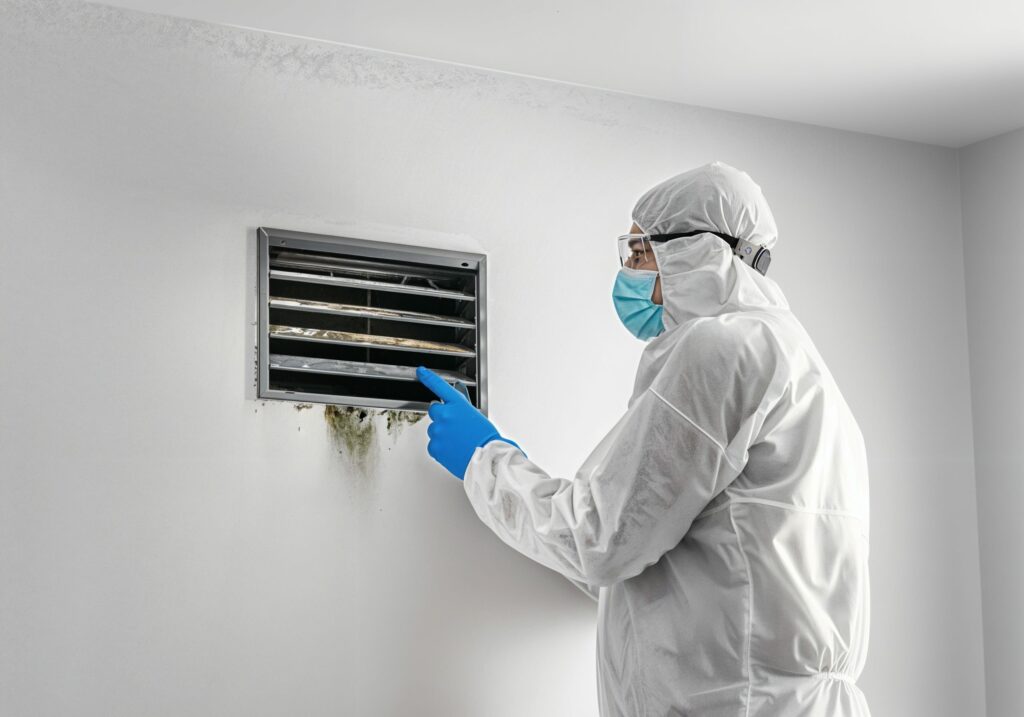
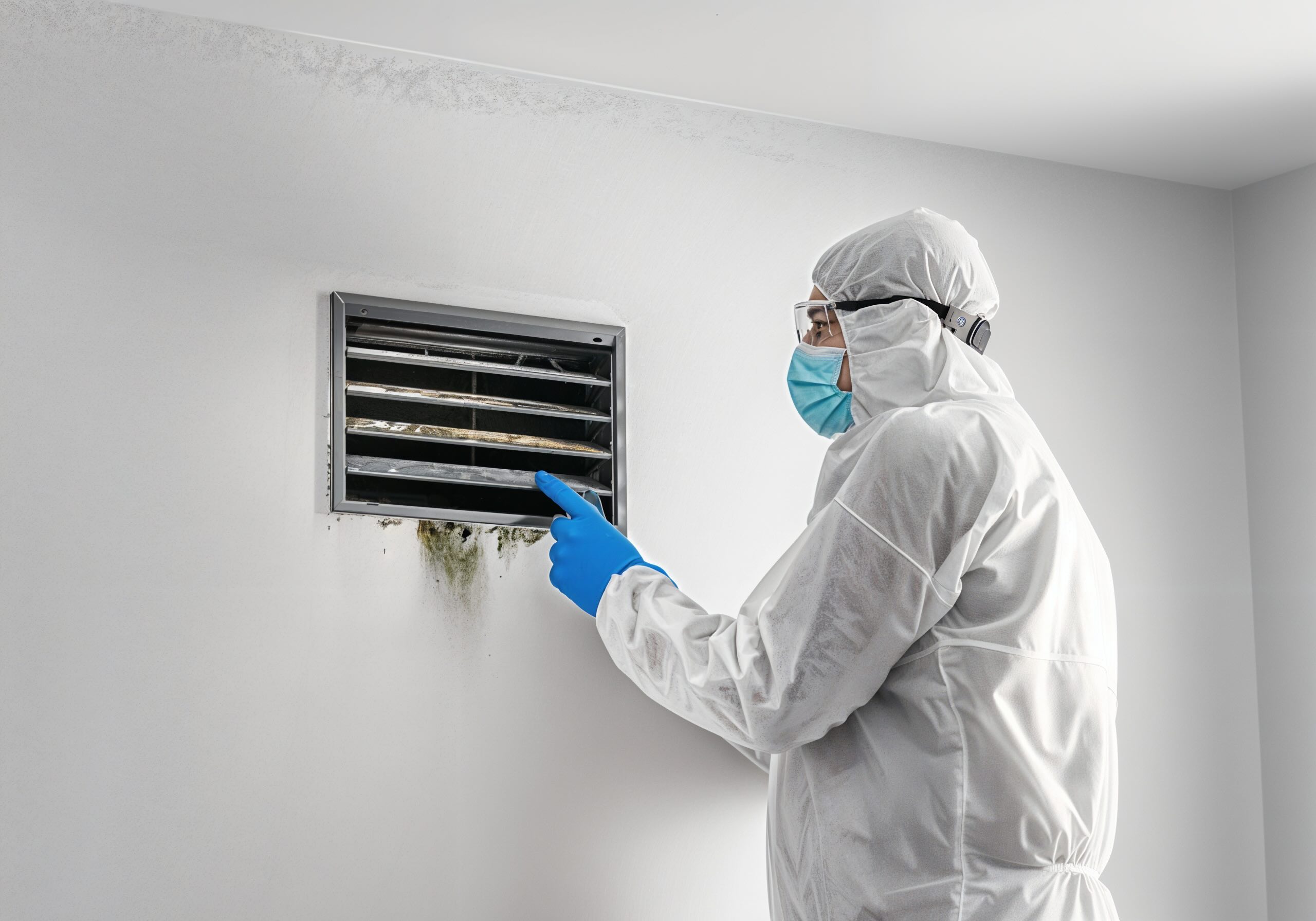
Mold in air vents often appears as black, green, or even white fuzzy patches near vent openings. But more commonly, it’s detected by its musty smell. If you’ve noticed that damp, earthy odor intensifying when the air kicks on, that’s a red flag. Mold spores thrive in dark, moist, and warm environments—which describes the interior of an unmaintained air vent perfectly. Mold proliferates quickly when moisture from condensation or a leak goes unchecked. If the air filter is dirty or the system isn’t draining properly, mold has everything it needs to grow—and spread—throughout the ductwork, ultimately impacting air quality across your home.
Main Causes of Mold Growth in HVAC Systems
At its core, mold requires three things to flourish: moisture, warmth, and organic material. In HVAC systems, these often come from residual humidity, dust, and lack of airflow. Poorly insulated ductwork can cause condensation during seasonal shifts, and an overloaded system or dirty coils trap moisture where it shouldn’t be. Leaks from clogged or broken drain lines can also provide a breeding ground, particularly in areas close to the evaporator coil. In older homes, improperly sealed ductwork can contribute to temperature inconsistencies that result in condensation and eventual mold growth. When routine HVAC maintenance is skipped or filters aren’t replaced monthly, the system recirculates spores and compounds the issue.
Health and Home Risks: Why Mold in Vents Is a Serious Problem
Beyond the unpleasant smell or visible spores, mold in your vents poses real health risks. Mold can exacerbate allergies, respiratory issues, and contribute to long-term health concerns, particularly in children, elderly residents, or anyone with asthma. Operationally, the presence of mold often suggests deeper HVAC inefficiencies: reduced airflow, lower energy efficiency, and added strain on components—putting your entire system at risk of failure. What starts as an air-quality problem can quickly turn into a structural issue if mold impacts sheetrock or wooden framing near vents, leading to remediation costs that run well into the thousands. It’s a chain reaction not worth ignoring.
Signs Your HVAC System May Be Contributing to Mold Growth
It’s one thing to identify mold, and another to address the source. Several indicators suggest your HVAC system is enabling mold growth. If your system frequently cycles on and off without achieving the target temperature, your humidity levels aren’t regulated properly—a breeding ground for mold. Uneven room temperatures could mean blocked or leaking ducts. Frequent filter replacements that still result in dusty vents point to internal buildup possibly harboring spores. If you notice water pooling near the HVAC unit, especially near the air handler or drain pan, that moisture pocket is a major red flag. These aren’t just minor inconveniences—they’re underlying symptoms of a system falling out of sync.
Prevention and Maintenance: Keeping Mold Out of Your Vents
Preventing mold buildup in your HVAC system requires proactive and consistent maintenance. Monthly filter changes should never be skipped. Annual, professional HVAC cleanings are essential—and frankly, non-negotiable for homeowners serious about air quality and system longevity. A certified technician will inspect condensate lines, check for duct leaks, and clean coils and drain pans where moisture tends to build up. Using a programmable thermostat to maintain steady indoor humidity below 60% helps keep conditions unfavorable for mold. If your home is in a humid region, a whole-home dehumidifier may be worth considering. Importantly, keeping your HVAC system covered under a home warranty plan may offer financial relief when issues inevitably arise.
How a Home Warranty with Armadillo Adds Confidence to HVAC Ownership
Mold in air vents can signal HVAC performance issues that are costly and complicated to resolve. While most home warranties don’t cover mold remediation itself due to health liability concerns, they often cover the root cause—whether it’s a malfunctioning evaporator coil, clogged drain line, compressor failure, or a faulty blower motor depending on the terms of the plan. This is where working with Armadillo makes a difference. With transparent coverage plans, no sales pressure, and surprisingly modern technology, Armadillo’s home warranty solutions are designed with today’s homeowner in mind. Whether you’ve dealt with a moldy vent before or want to be prepared for future HVAC issues, Armadillo offers peace of mind when appliances or systems break down unexpectedly. Learn more about how we protect your home’s most essential systems at armadillo.one or start building your custom plan today at this link. Don’t wait until the air smells off to act—your home deserves better than that.