The Hidden Threat: Mold in Air Vents and What Every Homeowner Needs to Know
There are few things more unsettling than discovering mold in your home. While surface mold on walls or ceilings is relatively easy to spot and address, mold hidden within your air vents is far more elusive—and substantially more dangerous. Tucked away inside ductwork and HVAC components, this type of mold can quietly degrade indoor air quality, trigger allergies, and compromise the overall health of your household. As a homeowner, understanding how mold infiltrates your air system, how to detect and remove it, and how your home warranty can support preventative maintenance is key to keeping your home safe, breathable, and well-maintained.
Understanding the HVAC System and How Mold Takes Hold
Your heating, ventilation, and air conditioning (HVAC) system is responsible for regulating temperature and air circulation across every room in your home. The system includes the main unit, typically located in a utility room or attic, plus a network of ducts and vents that distribute air. Because this system repeatedly cycles air—including conditioned air cooled by evaporator coils—it’s naturally exposed to moisture. When moisture collects in these components, and when airflow is reduced or inconsistent, mold spores can begin to thrive.
Most modern homes are sealed for energy efficiency. Ironically, this can create an environment where indoor moisture becomes trapped, causing condensation along ducts. When dust and organic material settle along with that moisture, mold has all the conditions it needs to grow. Once it takes hold in your HVAC system, every use of the heat or air conditioning disperses spores throughout your home. That turns your air vents from essential utilities into potential hazards.
Warning Signs: How to Know There’s Mold in Your Air Vents
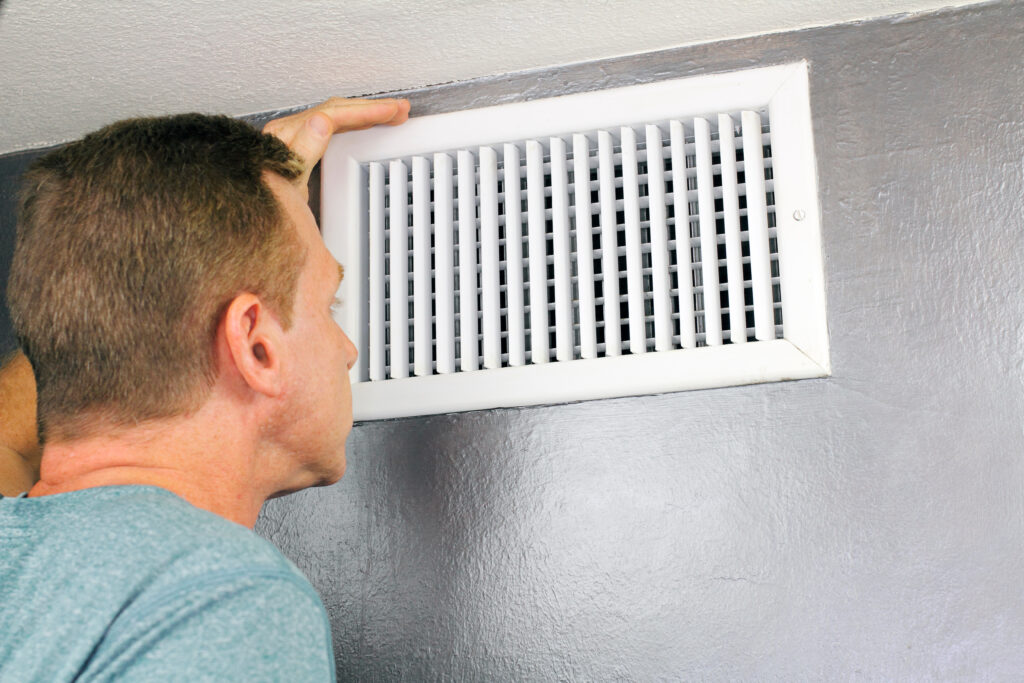
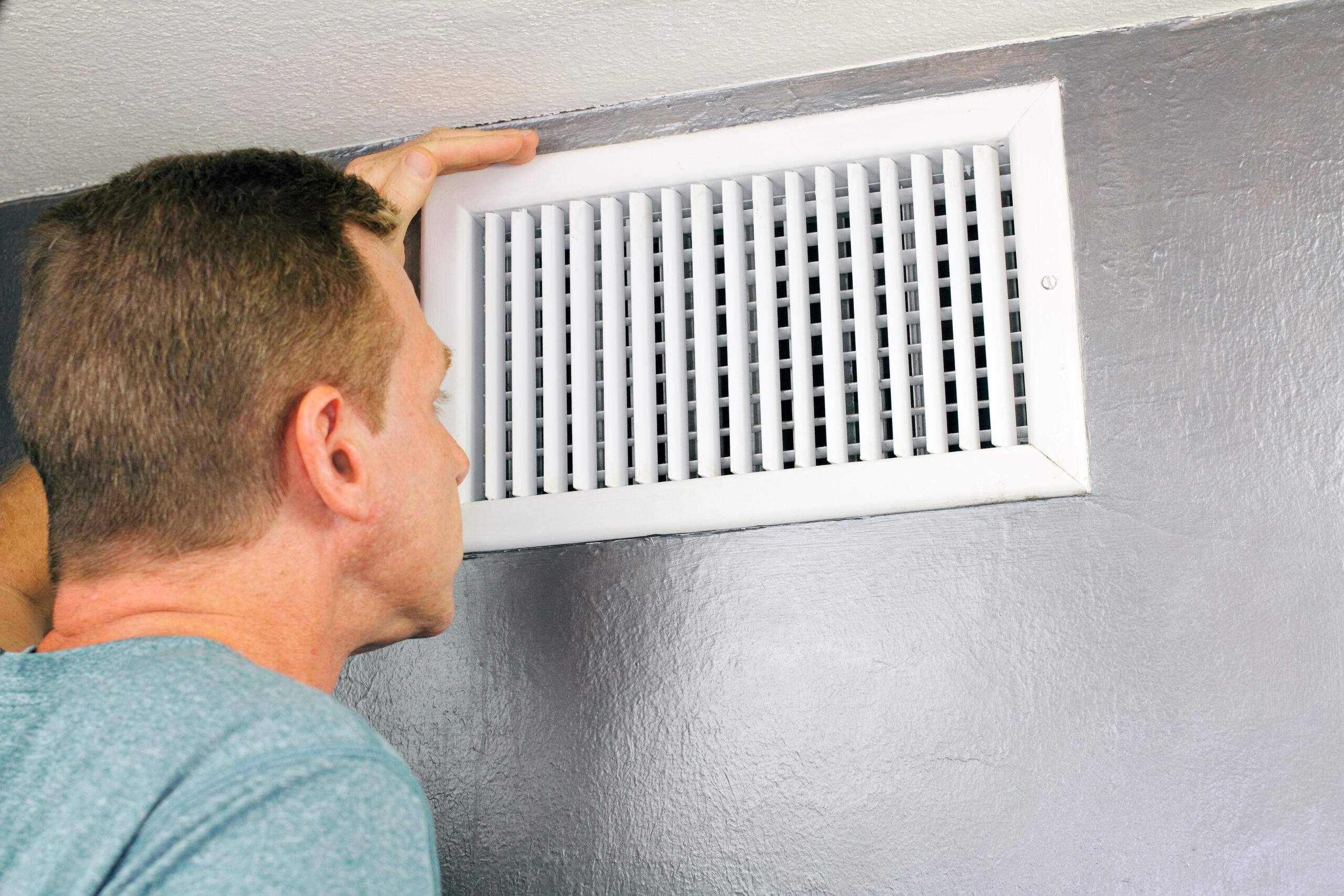
One of the biggest challenges with HVAC-based mold is its invisibility. Mold often grows inside vents, behind grilles, or deep in the ductwork. However, a few signs should prompt you to investigate further. A persistent musty smell when the HVAC runs is one of the earliest red flags. If you notice discoloration around air registers—patches that appear gray, black, brown, or fuzzy—mold may already be growing within the system. Other clues include an increase in allergy-like symptoms among household members: sneezing, coughing, watery eyes, and worsening asthma conditions.
Even high energy bills can be a side effect. Mold buildup can restrict airflow and decrease your HVAC’s efficiency, causing motors and fans to work harder. If your system seems to be running overtime with poor temperature control, mold could be contributing to reduced performance.
How Mold Impacts Your Home and Your Health
Mold isn’t just unsightly. It’s a biological irritant that can seriously compromise health—especially for children, seniors, and individuals with respiratory conditions. Inhaling mold spores linked to your HVAC system can lead to chronic sinus irritation, headaches, and ongoing fatigue. In extreme cases, long-term exposure may contribute to more severe respiratory or neurological complications.
Beyond health, mold also damages the structure of your home. It accelerates the aging of ductwork and can even cause corrosion in metal or fiberglass components. Moist conditions may also attract other unwanted guests like dust mites or pests, indirectly compounding indoor environmental issues.
Getting Rid of the Problem: Mold Removal and Remediation
If you suspect mold in your vents, the first step is a professional inspection. HVAC professionals can access ducts and internal system parts that are out of reach for most DIY homeowners. Once identified, the affected areas can be cleaned with antimicrobial solutions or replaced if the contamination is widespread.
Standard DIY mold remedies—bleach or baking soda—may work for surface-level problems, but they rarely reach hidden duct areas or address underlying causes like condensation or drainage issues. Effective remediation often requires a thorough drying of your system, installation of ultraviolet (UV) purifiers, and, in some cases, redesigning parts of the ventilation system to improve airflow.
Importantly, always ensure you’re also resolving the moisture source. Whether it’s poor ventilation, a clogged drain line, or broken insulation around ducts, any lingering water exposure will lead to recurrence.
Prevention: Keeping Mold from Returning
Preventing mold in your HVAC system starts with regular maintenance. Replace HVAC filters every one to three months depending on usage and household conditions. Schedule annual or biannual professional inspections to ensure your system remains free of buildup and maintains proper humidity control. If you live in a humid climate, consider using a dehumidifier in areas most susceptible to moisture like basements, laundry rooms, or utility closets.
It’s also wise to verify that your ducts are adequately sealed and insulated. Unsuspecting leaks allow warm, moist air to enter colder duct surfaces, triggering condensation and subsequent mold growth. Simply put, airflow consistency also prevents mold—stagnant air gives spores a place to settle, but properly moving air dilutes and disperses particles before they can stick around and grow.
How Your Home Warranty Comes Into Play
This is where the home warranty becomes especially valuable. While home insurance covers sudden, catastrophic damage, your home warranty takes care of ongoing wear and tear through covered repair services. Depending on your provider and plan, components like HVAC systems—both heating and cooling elements—can be covered for necessary repairs, parts replacements, tune-ups, and inspections that help prevent mold and other performance issues.
Proactive maintenance via a home warranty plan ensures these systems don’t go unchecked. It provides peace of mind that small irregularities in airflow, drainage, or component function will be addressed before they allow mold to develop. Additionally, some warranty providers offer specific mold-related endorsements or add-ons for even more comprehensive protection.
When to Call for Professional Help
While it’s essential to be an informed and proactive homeowner, recognizing when to bring in certified professionals is equally important. If mold recurs even after cleaning, spreads rapidly, or triggers environmental testing alarms, don’t delay professional remediation. Likewise, if your HVAC system is older than ten years or hasn’t received regular maintenance, schedule an inspection to evaluate its condition.
It’s worth noting that professional HVAC technicians are also trained to identify other contributing problems you may overlook. They may recommend upgrades to your filtration or ventilation system to better resist future mold growth, saving you from spiraling repair costs or health risks down the line.
Protect Your Home—And Your HVAC—With Armadillo
Mold in air vents can seem like a hidden, isolated problem, but it’s a warning sign of deeper systemic imbalances within your home’s HVAC system. The good news? You don’t have to navigate this alone. With Armadillo, you’ll gain access to comprehensive home warranty coverage that supports ongoing care and maintenance for your HVAC system and more. Our plans are designed to proactively maintain vital systems and keep surprises—like mold outbreaks—from turning into major disruptions.
Explore our plans at armadillo.one and experience a modern solution for home warranty protection. When you’re ready to start building your custom plan, get started quickly at our plan builder to tailor coverage to your zip code and your home’s exact needs.