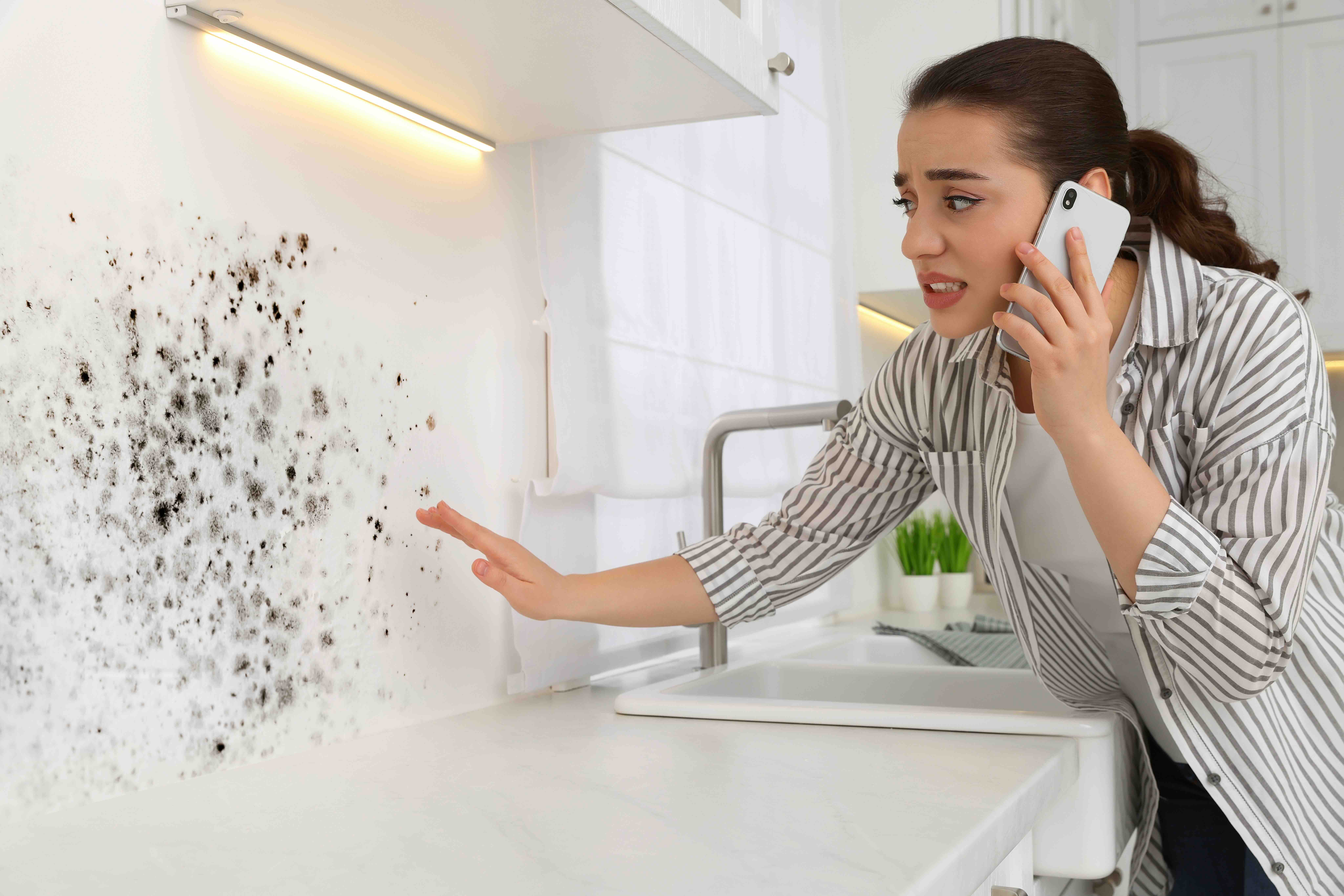
Mould in Cupboards: What Every Homeowner Needs to Know
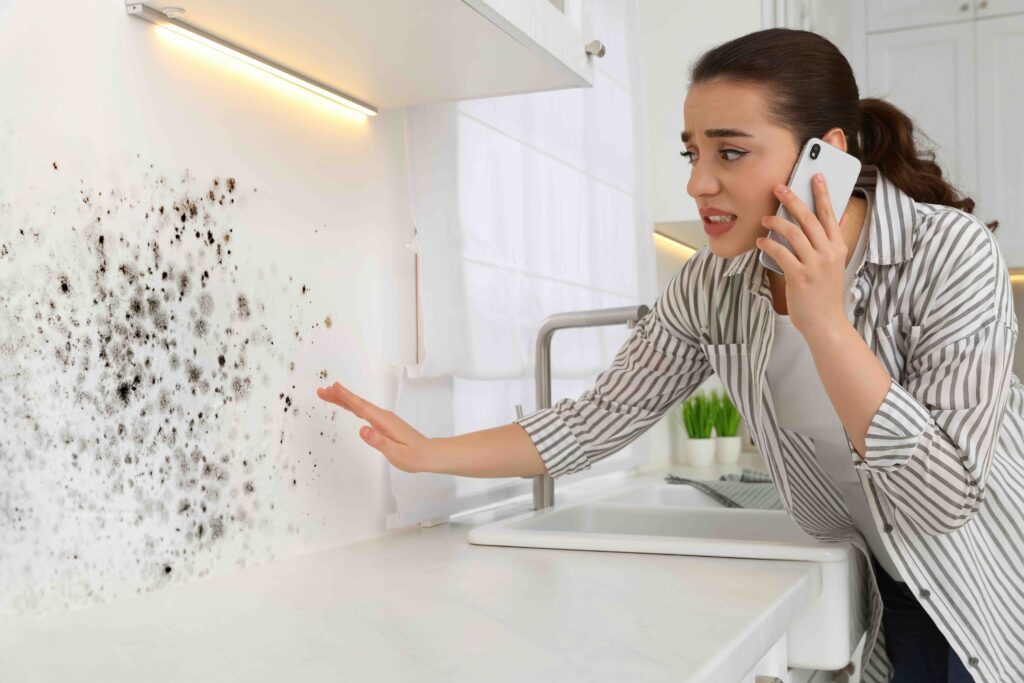
You open the cabinet under the kitchen sink to grab some cleaning supplies, and there it is — that unmistakable dark spotting along the back wall or base panel. Mould in cupboards is one of those problems homeowners tend to discover at the worst possible time. It shows up quietly, spreads without much fanfare, and suddenly you are wondering how long it has been there and what exactly it means for your home. The good news is that understanding what causes it, how to address it, and how to prevent it from coming back puts you firmly in control. This guide walks through all of it.
What Is Mould and Why Does It Show Up in Cupboards
Mould is a type of fungus that reproduces through microscopic spores floating through the air. Those spores are essentially everywhere, indoors and out, all the time. The issue is not their presence — it is what happens when they find the right conditions to settle and grow. Cupboards, particularly those under sinks or in poorly ventilated corners of a home, tend to create exactly the environment mould is looking for: low airflow, moderate to high moisture, darkness, and an organic surface like wood or particleboard to feed on. Cabinet interiors are often out of sight and rarely disturbed, which means a mould colony can establish itself and expand for weeks or even months before anyone notices. By the time visible spotting appears, the underlying moisture problem has usually been ongoing for a while.
Common Causes of Mould Growth Inside Home Cabinets
The moisture that feeds mould in cupboards does not appear out of nowhere. There is almost always a source, and identifying it is step one in solving the problem. In kitchen cabinets, slow leaks from supply lines, drain connections, or the base of the sink are the most frequent culprits. Bathroom vanities face similar risks from supply valves and drain assemblies. In pantry or linen cupboards, the issue is more likely condensation caused by temperature differences between the interior and exterior walls, especially in homes without adequate insulation. Humidity carried in from adjoining rooms or from poor whole-home ventilation also contributes. Even something as simple as storing damp items, like a wet sponge or a recently used cleaning cloth, inside a closed cabinet can create enough localized moisture to invite mould over time.
How to Identify Mould Versus Mildew or Dirt
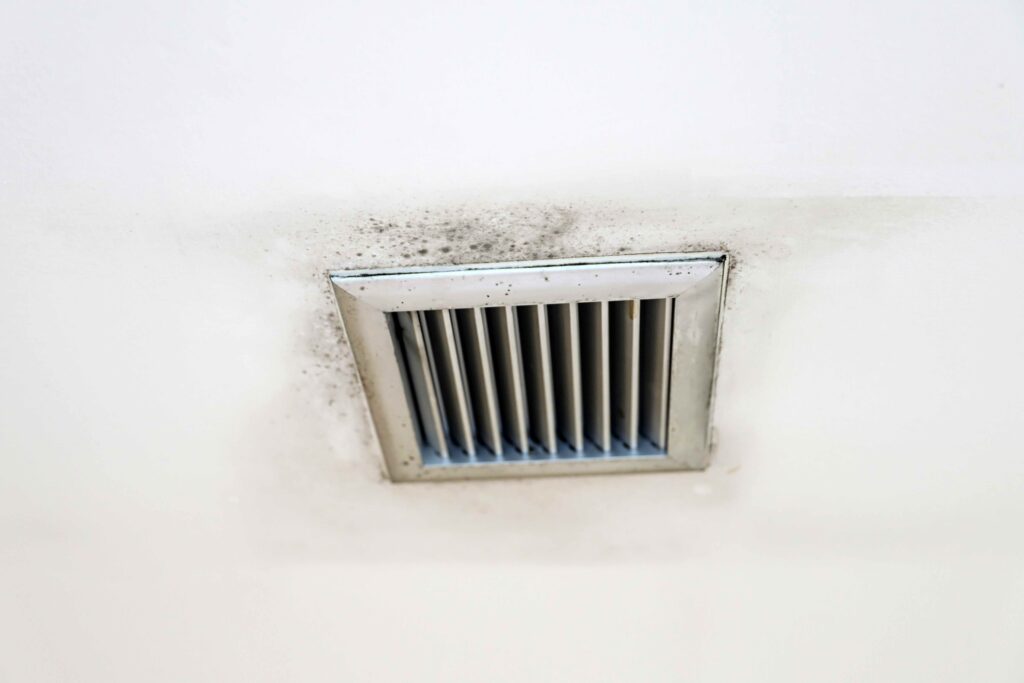
Not every dark spot inside a cabinet is mould, and it is worth taking a moment to distinguish between what you are looking at before deciding how to respond. Mildew tends to appear flat, powdery, and grey or white in color. It sits on the surface and is generally easier to clean without professional intervention. True mould often appears fuzzy or slightly raised, and it commonly presents in shades of green, black, or dark brown. It can also carry a musty, earthy smell that is hard to ignore once you know what to look for. Dirt or discoloration from cleaning products tends to be uniform and non-textured. If you are unsure, a simple test involves applying a small drop of diluted bleach to the spot. If it lightens within a minute or two, you are likely dealing with mould or mildew. If it stays dark, it is probably dirt.

The Health and Structural Risks of Ignoring Cabinet Mould
Mould is not just an aesthetic problem. Certain mould species, including some common household varieties, release mycotoxins that can affect indoor air quality and contribute to respiratory symptoms, allergic reactions, and eye or skin irritation — particularly in children, elderly individuals, and people with existing respiratory conditions. Beyond health concerns, mould actively breaks down the materials it grows on. Particleboard and MDF, the materials used in most modern cabinetry, absorb moisture quickly and deteriorate rapidly when mould is present. What starts as a surface issue can progress into structural softening of the cabinet floor, walls, and base within a relatively short time. Left long enough, the damage extends beyond the cabinet itself and into the wall framing, subfloor, or surrounding structure.
How to Safely Remove Mould From Cupboards
For small mould patches — generally considered to be areas under ten square feet — most homeowners can handle remediation themselves with the right precautions. Here is what an effective approach looks like:
- Wear gloves, an N95 or higher-rated respirator mask, and eye protection before starting any cleaning.
- Remove all items from the cupboard and inspect them for mould transfer or damage.
- Use a solution of one cup of bleach per gallon of water, or an EPA-registered mould remediation product, applied to the affected surface.
- Scrub the area firmly, allow it to sit for ten to fifteen minutes, then wipe clean with a damp cloth.
- Allow the interior to dry completely — ideally with a fan or dehumidifier running nearby — before replacing items.
- Seal cleaned wood surfaces with a mould-inhibiting primer or encapsulant once fully dry.
For larger infestations, mould that has penetrated deep into the material, or any situation where the underlying moisture source has not yet been identified and resolved, professional remediation is the appropriate path. Attempting to clean surface mould without addressing what caused it guarantees the problem returns.
Preventing Mould From Coming Back in Cabinets
Remediation without prevention is just a temporary fix. Once the cupboard has been cleaned and dried, keeping it that way requires consistent attention to moisture control. Inspect plumbing connections under sinks at least twice a year, looking for any signs of moisture, discoloration, or mineral deposits that indicate a slow drip. Consider installing a small battery-operated leak sensor inside the cabinet — they are inexpensive and will alert you to moisture before it has time to create a problem. Improve ventilation in areas prone to humidity by ensuring exhaust fans in kitchens and bathrooms are working properly and are being used regularly. Silica gel packets or small desiccant containers placed inside enclosed cabinets can also help manage residual humidity between inspections.
When Mould in Cupboards Points to a Bigger Home System Problem
Here is the part many homeowners overlook: mould inside a cupboard is frequently a symptom, not the root cause. A slow leak from a supply line or drain under the kitchen sink is a plumbing problem. A condensation issue inside a bathroom vanity may point to broader ventilation deficiencies. Moisture wicking up through a cabinet base could indicate a subfloor or foundation drainage concern. Each of these scenarios involves a home system that, when it fails or underperforms, creates secondary damage that compounds the original repair cost. That chain of events — a small failure in one system, secondary water damage, mould growth, structural deterioration — is exactly the kind of scenario where having a financial safety net in place matters.
What Home Warranties Typically Cover Related to Mould and Water Damage
It is worth being clear here, because this comes up often: standard home warranties do not cover mould remediation or water damage as standalone issues. What they do cover are the systems and appliances that, when they malfunction, create the conditions leading to those problems. A home warranty may cover the repair or replacement of a failed plumbing line, a leaking appliance water supply connection, or a malfunctioning exhaust fan. Resolving those covered system failures early — before secondary damage accumulates — is where a warranty delivers real value. The coverage is on the cause, which is the smartest place to address it. Homeowners who rely on a warranty to catch mechanical failures quickly often avoid the downstream consequences entirely.
Why Armadillo Is Worth Considering for Whole-Home Protection
When something fails behind a cabinet wall or under a sink, the last thing you want is to navigate the repair process alone, weighing quotes and wondering whether the cost is fair. Armadillo home warranty coverage for plumbing and appliance systems is built around exactly those moments — the unexpected mechanical failures that turn into expensive, stressful surprises. Armadillo keeps things straightforward: clear coverage terms, a network of vetted service professionals, and a claims process that does not require a law degree to understand. If you have ever opened a cabinet and found damage that traced back to a plumbing failure or a system that had quietly been underperforming, you already understand the value of having protection lined up before the problem surfaces. Take a few minutes to get a customized home warranty quote for mould-related plumbing and system failures and see what coverage makes sense for where you live and how your home is set up.

Frequently Asked Questions About Mould in Cupboards
Answers to the most common questions homeowners ask about cabinet mould, what causes it, and how to handle it.
Is mould in a cupboard dangerous to my health?
It can be, particularly for individuals with respiratory conditions, allergies, or compromised immune systems. Mould releases spores and, in some cases, mycotoxins that affect indoor air quality. Addressing mould promptly reduces health risk and prevents further spread throughout the home.
What causes mould to grow inside kitchen cabinets specifically?
The most common causes are slow plumbing leaks under the sink, poor ventilation trapping humidity, and the storage of damp items inside enclosed spaces. Kitchen cabinets are particularly vulnerable because of their proximity to water supply and drain lines.
Can I clean mould in a cupboard myself or do I need a professional?
Small patches covering less than ten square feet can typically be cleaned by a homeowner using proper protective gear and an appropriate cleaning solution. Larger infestations, or cases where mould has penetrated deeply into the material, warrant professional remediation.
How do I know if the mould is coming back after cleaning?
If mould returns within a few weeks of cleaning, it almost always means the underlying moisture source was not resolved. Inspect the cabinet thoroughly for active leaks, condensation, or inadequate ventilation and address those issues before cleaning again.
Will my homeowner’s insurance cover mould damage in cabinets?
Standard homeowner’s insurance policies typically exclude gradual damage and mould remediation unless it is the direct result of a sudden, covered peril. Slow leaks and humidity-related mould are usually not covered. Review your specific policy for exclusions.
Does a home warranty cover mould in cupboards?
Home warranties generally do not cover mould remediation directly. However, they may cover the mechanical failure — such as a plumbing line or appliance connection — that caused the moisture leading to the mould, which can prevent the underlying problem from escalating.
How long does it take for mould to grow inside a cupboard?
Under the right conditions — consistent moisture, low airflow, and an organic surface — mould can begin growing within 24 to 48 hours. Visible colonies typically take a few days to a few weeks to develop depending on humidity levels and temperature.
What type of mould is most commonly found in kitchen and bathroom cabinets?
Cladosporium, Penicillium, and Aspergillus are among the most frequently found mould types in indoor cabinet environments. Black mould, or Stachybotrys chartarum, is less common but more concerning and is typically associated with prolonged water exposure.
Can mould inside a cabinet spread to other parts of the home?
Yes. Mould spores travel through the air and can settle and grow in other areas of the home if conditions are favorable. Addressing a mould problem in one cabinet does not eliminate the risk of spread, particularly if the originating moisture source is not corrected.
What is the best way to prevent mould in cabinets long term?
The most effective long-term prevention involves controlling moisture at the source. Regularly inspect plumbing under sinks, maintain proper ventilation throughout the home, use exhaust fans consistently, and consider placing moisture-absorbing materials inside enclosed cabinets in humid climates.