Mold vs. Mildew: What Every Homeowner Needs to Know
You spot something dark and fuzzy on your bathroom ceiling or a flat, powdery patch on a windowsill, and your first instinct is probably to grab the nearest cleaning spray and not think too hard about it. That reaction is understandable. But knowing whether you are dealing with mold or mildew actually matters quite a bit, especially when it comes to how you treat it, how worried you should be, and what it might mean for the health of your home long-term. These two fungi are not the same thing, and treating them as interchangeable can lead to incomplete fixes and recurring problems.
What Is Mildew and How Does It Differ From Mold
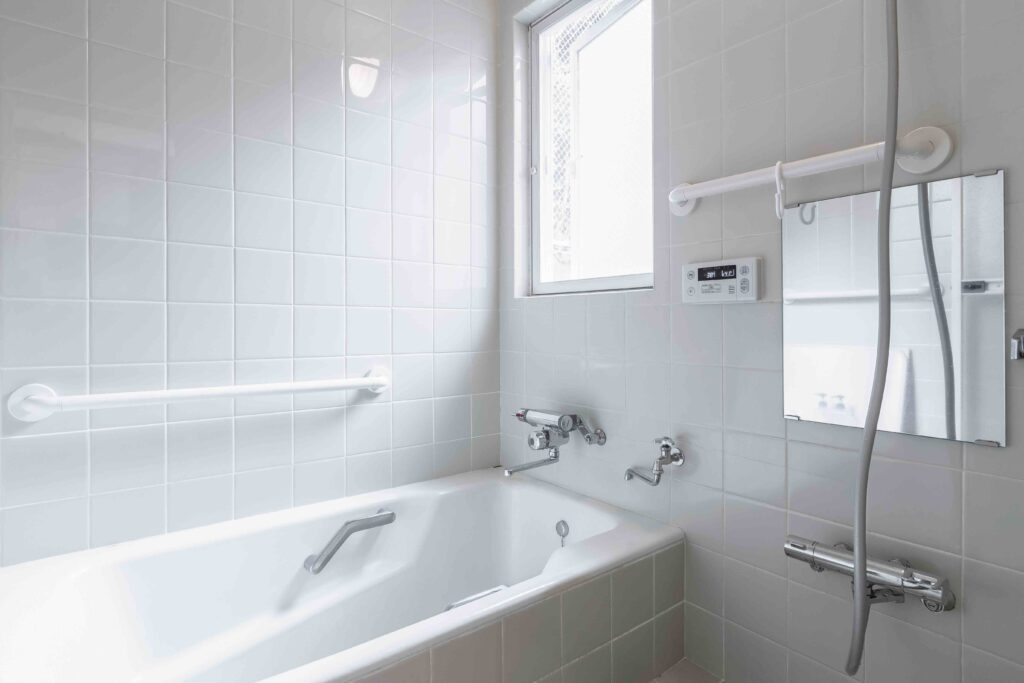
Mildew is a surface-level fungal growth. It tends to live on top of materials rather than inside them, which is part of what makes it easier to address. It typically appears flat and powdery, ranging in color from white or gray to light yellow. You will most often find it in high-humidity areas, like shower walls, window sills, or damp fabrics. Mildew does not penetrate deeply into surfaces, and in most cases, a standard household cleaner and a scrub brush can eliminate it without any professional help. Mold, on the other hand, is a different conversation entirely. Mold grows in multi-cellular filaments called hyphae, it penetrates porous materials, and it can appear in a wide range of colors, including black, green, blue, or orange. Where mildew sits on top of a surface, mold moves into it. That distinction is what makes mold significantly harder to remove and potentially more damaging to both your home and your health.
Why the Difference Matters Inside Your Home
Both mold and mildew thrive in similar conditions: moisture, warmth, and limited airflow. However, the structural and health implications are not equal. Mildew is mostly a cosmetic nuisance. It can cause a musty smell and, with prolonged exposure, some respiratory irritation, but it rarely threatens the integrity of your home. Mold is another story. Left untreated, mold can compromise drywall, rot wood framing, and work its way into insulation, HVAC systems, and subfloor materials. Certain mold varieties, like Stachybotrys chartarum, commonly known as black mold, are associated with more serious respiratory and neurological health risks. Understanding which one you are dealing with is the first step toward an appropriate response.

How to Identify Mold vs. Mildew in Your Home
Identification is not always straightforward, but there are a few reliable visual and practical cues that can help you distinguish between the two before calling a professional.
- Mildew is usually flat, powdery, or downy in texture, with colors that stay in the white, gray, or yellow range
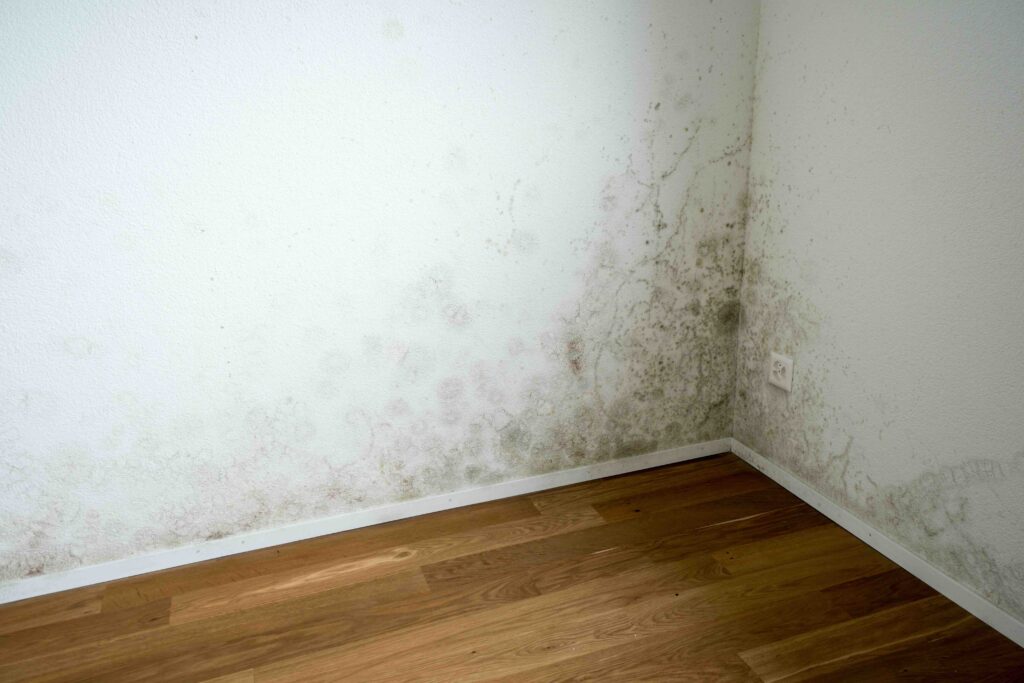
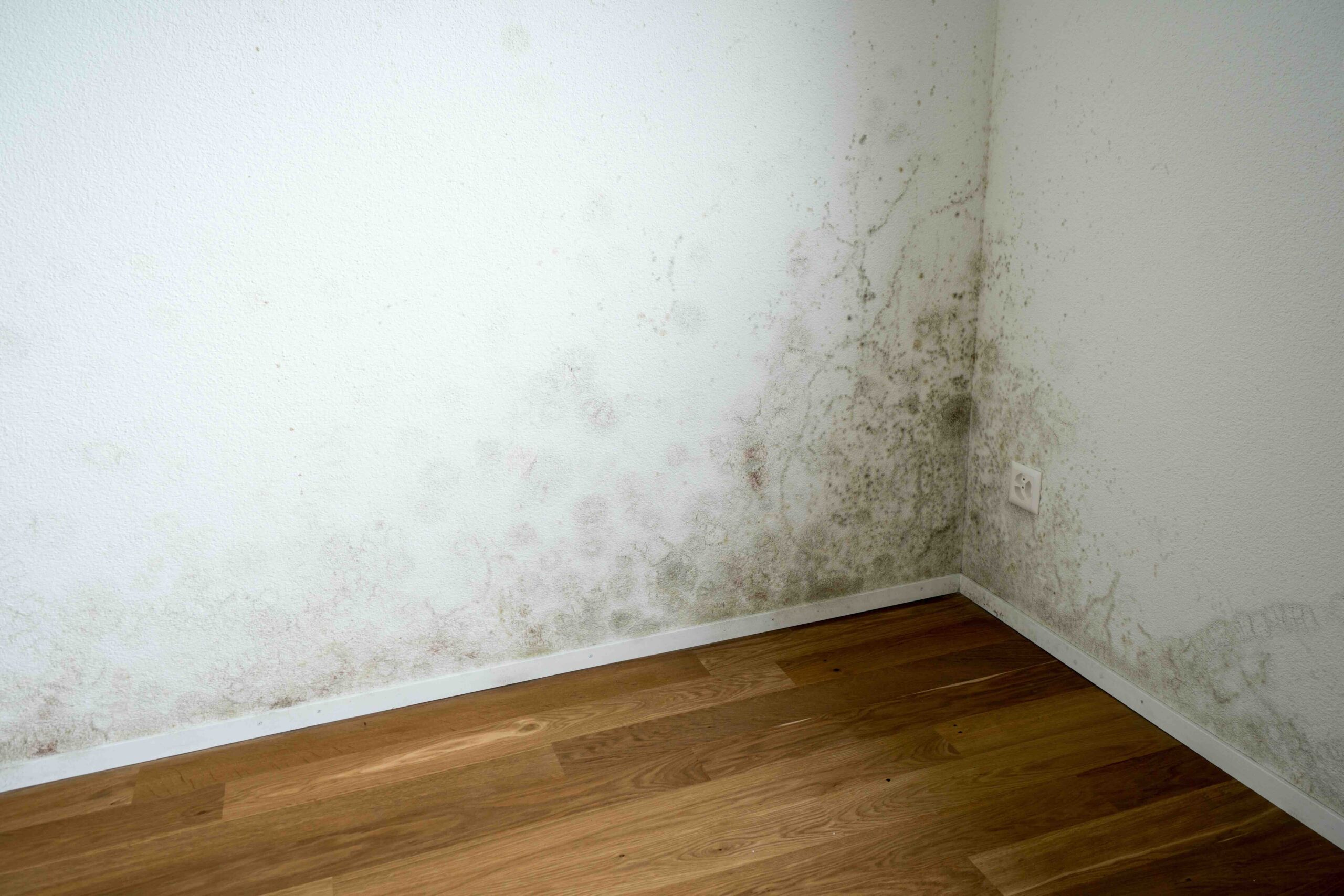
- Mold tends to be fuzzy or slimy, with darker, more varied coloration including green, black, or blue-green patches
- Mildew typically stays on the surface and can be wiped away with moderate effort
- Mold often leaves staining even after surface cleaning, indicating it has penetrated beneath the visible layer
- A strong, persistent musty odor, especially in enclosed spaces, often signals mold rather than mildew
If you are unsure, a mold testing kit from a hardware store can provide a preliminary answer. For anything that covers more than ten square feet or appears near HVAC equipment, a professional assessment is the right call.
Common Locations Where Both Tend to Grow
Moisture is the common thread here. Both mold and mildew will colonize any surface that holds enough humidity long enough to support fungal growth. Bathrooms and kitchens are the obvious hot spots, but they are far from the only ones. Basements with poor drainage, crawl spaces under the home, areas around leaking pipes, and spaces adjacent to aging or failing appliances are all prime real estate for fungal growth. Window sills accumulate condensation. Laundry rooms generate steam. Even refrigerator drip pans and dishwasher door seals can harbor mildew. The point is that no room is automatically exempt, and a home with deferred maintenance on its water-related systems is a home at elevated risk.
Health Risks Associated With Mold and Mildew Exposure
Neither mold nor mildew is something you want to share a living space with for extended periods, but the risk profiles differ. Mildew primarily irritates the respiratory system. People with asthma or allergies may notice worsening symptoms in a mildew-heavy environment, but serious illness from mildew exposure is relatively uncommon in otherwise healthy individuals. Mold exposure carries a broader range of potential health consequences. Symptoms can include chronic coughing, eye irritation, skin rashes, fatigue, and headaches. For immunocompromised individuals, the elderly, or young children, certain mold strains can pose genuine medical risks. If household members are experiencing unexplained respiratory symptoms or persistent fatigue, it is worth investigating whether hidden mold could be a contributing factor.
How to Treat and Prevent Mildew
Mildew is manageable with the right approach and a consistent routine. Ventilation is the most important preventive measure. Running exhaust fans during and after showers, opening windows when weather permits, and using a dehumidifier in persistently damp spaces all help keep mildew from establishing itself. For active mildew growth, a solution of diluted white vinegar or a commercial mildew remover applied with a scrub brush is usually sufficient. After treatment, improving airflow to that area will reduce the chances of recurrence. The key with mildew is not just treating what is visible but addressing the moisture conditions that made growth possible in the first place.
How to Treat and Prevent Mold
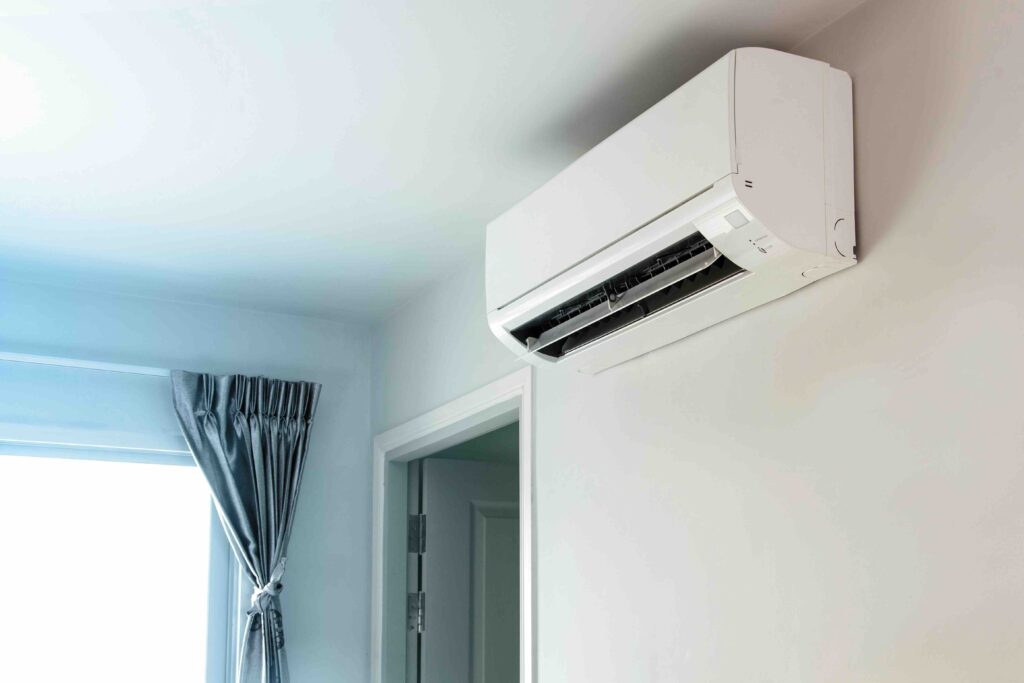
Mold remediation is a more serious undertaking, particularly when the affected area is large or located inside walls, ceilings, or beneath flooring. Small surface mold patches, under ten square feet on non-porous materials, can sometimes be addressed with appropriate cleaning products and protective gear including gloves, goggles, and an N95 mask. Porous materials like drywall, insulation, or wood that show mold growth typically need to be removed and replaced rather than cleaned. For larger infestations, a licensed mold remediation specialist is not just recommended but necessary. Prevention follows the same logic as mildew: control moisture. Fix leaking pipes promptly, maintain proper grading around the foundation to direct water away from the home, and ensure adequate ventilation throughout the house. Keeping HVAC filters clean and scheduling regular system maintenance also reduces the risk of mold spreading through ductwork.
What Home Warranties Cover and Where Mold Fits In
This is where homeowners sometimes get tripped up. Standard home warranty plans typically cover the repair or replacement of major systems and appliances when they fail due to normal wear and tear. HVAC systems, plumbing, electrical, water heaters, and similar components generally fall within warranty coverage. However, mold and mildew remediation is usually treated as a separate category. Most home warranty providers do not cover mold removal itself as a standalone service. Where the connection becomes meaningful is in how mold and mildew originate. A leaking pipe that goes undetected inside a wall, a failing HVAC system that generates excess condensation, or a malfunctioning water heater dripping into a confined space can all create the moisture conditions that lead to mold growth. When those underlying system failures are covered by a warranty and addressed quickly, the risk of secondary mold damage is significantly reduced. This is why responsive home warranty coverage is genuinely relevant to mold prevention, even if mold removal itself falls outside the policy scope.
Why Armadillo Is the Right Partner for a Moisture-Aware Home
Mold and mildew problems do not appear out of nowhere. They develop from underlying conditions, and many of those conditions trace back to system failures that a solid home warranty can help you address before they spiral. If a leaking pipe or a failing appliance is caught and repaired quickly, the moisture intrusion that fuels mold growth has far less time to do its damage. That is exactly the kind of protection Armadillo home warranty coverage for plumbing, HVAC, and appliance systems is built around. Armadillo offers straightforward, no-nonsense plans designed to keep major home systems functioning without the runaround that homeowners often encounter with traditional warranty providers. When something breaks, fast resolution is not just a convenience, it is a line of defense against the secondary damage that follows. If you want to understand what your home is actually covered for and start building a plan that fits your specific situation, you can get a personalized home warranty quote to protect against costly system failures in just a few minutes. Proactive homeownership starts with knowing what is covered before something goes wrong.

Frequently Asked Questions About Mold and Mildew in the Home
Below are answers to some of the most common questions homeowners have about identifying, treating, and preventing mold and mildew growth.
What is the easiest way to tell if I have mold or mildew?
Look at the texture and color. Mildew tends to be flat, powdery, and white or gray. Mold is usually fuzzy or slimy and can appear in darker shades including black, green, or blue. If the growth wipes away easily without staining, it is more likely mildew. If it leaves a stain or keeps returning despite cleaning, mold is the more probable culprit.
Is mildew dangerous to my health?
Mildew is generally considered low-risk for healthy individuals, though it can aggravate allergies and asthma. Prolonged exposure in a confined, poorly ventilated space may cause respiratory irritation. It is not something to ignore, but it is typically far less hazardous than mold.
Can mold grow inside my HVAC system?
Yes. HVAC systems that generate condensation, have clogged drain lines, or operate with dirty filters are susceptible to mold growth. Once mold establishes itself in ductwork, it can circulate spores throughout the home every time the system runs. Regular maintenance and prompt repair of system issues are the best defenses.
Does a home warranty cover mold remediation?
Most standard home warranty plans do not cover mold remediation as a direct service. However, they often cover the system failures, such as leaking pipes or malfunctioning appliances, that create the moisture conditions leading to mold. Addressing those root causes quickly under warranty coverage can prevent mold from developing in the first place.
How quickly can mold grow after water damage?
Mold can begin growing within 24 to 48 hours of moisture exposure under the right temperature and humidity conditions. This is why responding quickly to any water intrusion event, whether from a leaking appliance, burst pipe, or flooding, is critical to preventing mold from taking hold.
What household products can I use to remove mildew?
Diluted white vinegar, hydrogen peroxide, or a commercial mildew-specific cleaner applied with a scrub brush are all effective options for surface mildew on non-porous materials. Always ventilate the area during cleaning and address the underlying humidity issue to prevent recurrence.
Should I try to remove mold myself or hire a professional?
Small patches of mold on non-porous surfaces, generally under ten square feet, can sometimes be addressed by a careful homeowner using appropriate protective gear. Larger infestations, mold inside walls or ceilings, and any growth near HVAC components should be handled by a licensed mold remediation professional.
What rooms in my home are most at risk for mold and mildew growth?
Bathrooms, kitchens, basements, laundry rooms, and crawl spaces carry the highest risk due to regular moisture exposure and often limited airflow. Areas near appliances that use water, such as dishwashers, washing machines, and refrigerators, also warrant periodic inspection.
Can mold affect the structural integrity of my home?
Yes. Mold that penetrates wood framing, subfloor materials, or structural components can break down those materials over time. Prolonged mold exposure in load-bearing areas can compromise the structural integrity of a home and result in significant repair costs if not caught early.
How do I prevent mold and mildew long-term without constant cleaning?
The most effective long-term prevention strategy is moisture control. This includes maintaining proper home ventilation, fixing leaks and system failures promptly, using dehumidifiers in damp areas, keeping gutters and drainage systems clear, and scheduling regular maintenance on plumbing and HVAC systems to prevent conditions that support fungal growth.