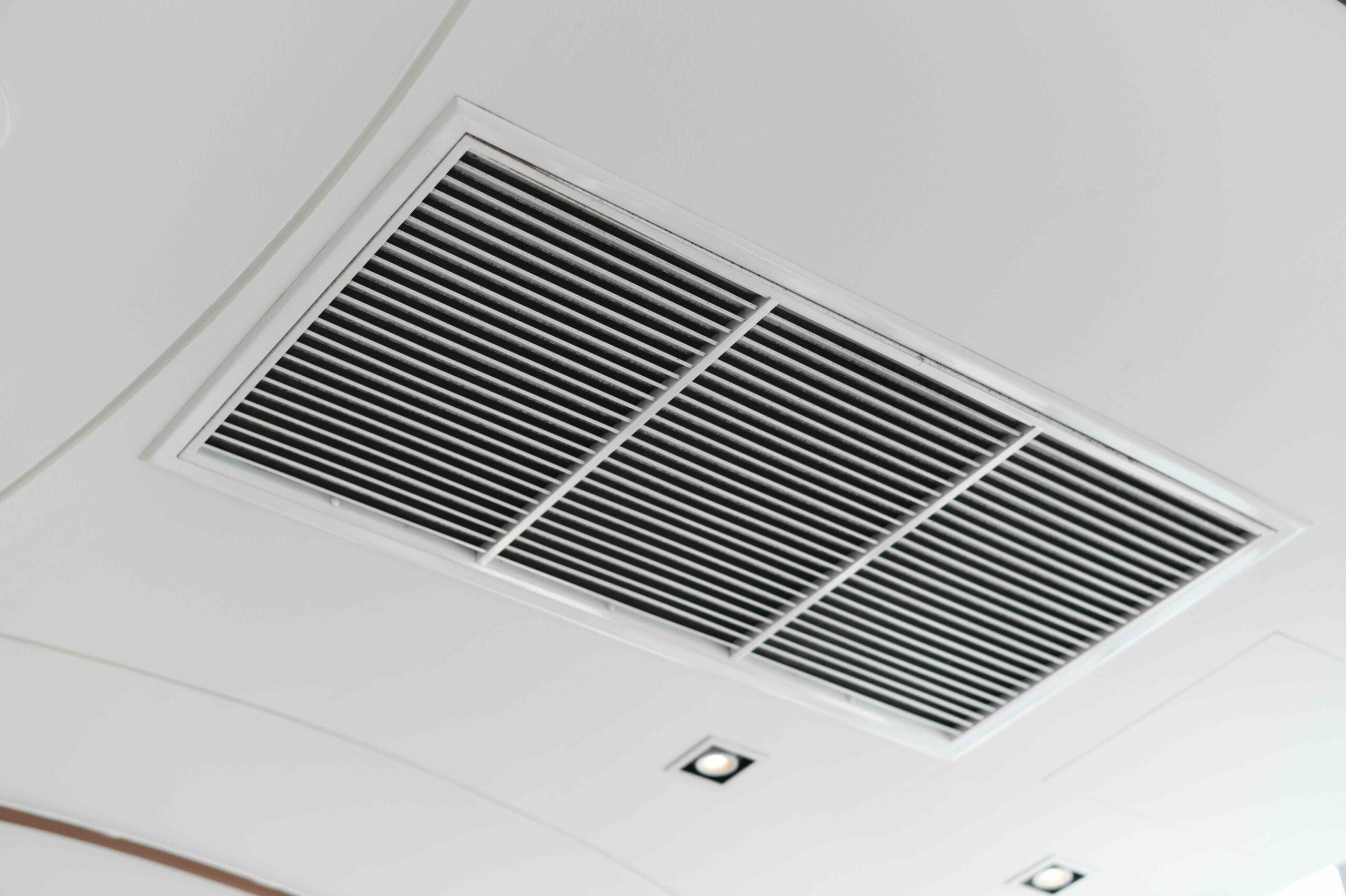
Why Your Air Vents Might Be Making You Sick: A Homeowner’s Guide to Mold in HVAC Systems
There is something unsettling about walking into your own home and catching a faint musty smell every time the air kicks on. Most people assume it is nothing. Maybe an old rug, maybe a damp towel left on the floor. But if that smell is coming from your vents, there is a real possibility that mold has taken up residence inside your HVAC system, and that is a problem worth understanding before it gets worse. Mold in air vents is more common than most homeowners realize, and the consequences extend well beyond an unpleasant odor.
What Is HVAC Mold and Why Does It Happen
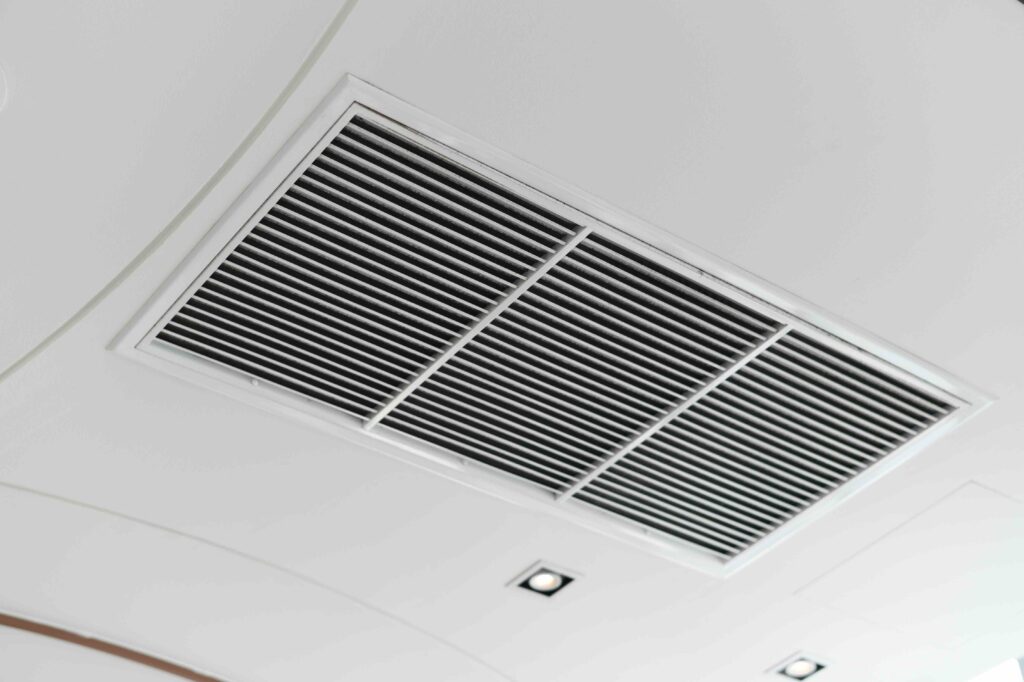
Mold is a fungus. It reproduces through microscopic spores that float freely through the air, land on surfaces, and colonize when conditions are right. Inside an HVAC system, those conditions are almost always present at some point. The combination of moisture from condensation, organic dust particles, and warm air creates a near-perfect environment for mold growth. Air ducts, evaporator coils, drain pans, and the areas around supply and return vents are all common sites where mold takes hold. The system then does exactly what it is designed to do, which is circulate air throughout the home, only now it is distributing mold spores along with it.
How to Recognize Mold in Your Air Vents
Identifying mold in an HVAC system is not always straightforward, but there are several signs that should prompt a closer look. A musty or earthy odor that appears when the system runs is one of the most reliable indicators. Visible dark spots or discoloration around vent covers is another. Some homeowners notice an increase in allergy or respiratory symptoms that coincide with HVAC use, particularly things like sneezing, coughing, eye irritation, or headaches. If you have had any water intrusion near ductwork, a refrigerant leak that caused excess condensation, or a clogged condensate drain line, those are events that significantly elevate mold risk. When in doubt, a visual inspection by an HVAC professional can confirm whether mold is present and how far it has spread.
The Health Risks You Should Not Overlook
This is the part that matters most, and it deserves to be stated clearly. Mold exposure through contaminated air can affect your health in real and measurable ways. Common symptoms include nasal congestion, throat irritation, coughing, skin rashes, and eye discomfort. For people with asthma, compromised immune systems, or existing respiratory conditions, the effects can be significantly more severe. Prolonged exposure to certain mold types, particularly black mold, has been linked to chronic health issues. Children and the elderly are especially vulnerable. The indoor air quality of your home is not a minor concern, and when your HVAC system is the delivery mechanism for mold spores, every room in the house becomes affected.

What Causes Mold to Grow Inside HVAC Systems
Understanding the root causes helps prevent recurrence after remediation. The primary driver is excess moisture. Here are the most common sources that homeowners should be aware of:
- Clogged condensate drain lines that allow water to pool near the air handler
- Oversized air conditioning units that cool the space too quickly without adequately dehumidifying the air
- Leaky ductwork that allows humid outdoor air to enter the system
- Poor insulation on ducts in unconditioned spaces, leading to condensation on duct surfaces
- Dirty air filters that restrict airflow and cause moisture buildup on the evaporator coil
- Flooding or water damage near air handling equipment that was not thoroughly dried
Addressing the moisture source is not optional. If mold is cleaned without resolving the underlying issue, it will return.
How Mold in Air Vents Is Treated and Removed
Remediation depends on the extent of the problem. Surface mold on vent covers can often be cleaned with appropriate antimicrobial solutions after removing and washing the covers. However, mold inside ductwork or on internal HVAC components requires professional attention. A qualified technician will inspect the system, identify all affected areas, and use commercial-grade antimicrobial treatments and sometimes UV light technology to eliminate the mold. In severe cases, sections of ductwork may need to be physically removed and replaced. Following remediation, sealing the ducts and improving overall system airflow can help reduce the likelihood of a repeat issue. DIY approaches using bleach and household cleaners are generally inadequate for duct mold and can sometimes make conditions worse by spreading spores during the cleaning process.
Preventing Mold From Returning After Treatment
Prevention is a continuous effort, not a one-time fix. Maintaining your HVAC system on a consistent schedule is the most effective defense against future mold growth. There are several practical habits that make a meaningful difference:
- Replace air filters every one to three months depending on system use and household conditions
- Schedule annual HVAC inspections and tune-ups with a licensed technician
- Keep indoor humidity levels between 30 and 50 percent using a dehumidifier if necessary
- Ensure condensate drain lines are clear and draining properly
- Have ductwork inspected and sealed if energy bills are unusually high or airflow seems inconsistent
- Install UV germicidal lights inside the air handler to continuously reduce microbial growth on coils and surrounding surfaces
What a Home Warranty Covers and Where It Falls Short
This is worth addressing directly because a lot of homeowners discover mold in their HVAC system and immediately wonder whether their home warranty will cover the repair. The answer depends heavily on the specific policy. Most home warranties cover mechanical failures of HVAC components, meaning if your air handler breaks down, your condenser fails, or your blower motor stops working, those repairs are typically within scope. Mold remediation itself, however, is generally classified as a maintenance or environmental issue rather than a mechanical breakdown, which means it often falls outside standard warranty coverage. That said, if mold damage causes a covered component to fail, there may be a path to coverage for the component replacement. Reading the fine print of any warranty policy is essential, and asking specific questions before you sign is even better.
The Long-Term Cost of Ignoring Mold in Your HVAC System
Delaying action on HVAC mold is not a neutral choice. What starts as surface mold on a vent cover can progress into contamination throughout the entire duct system, potentially requiring full duct replacement at a cost that can reach several thousand dollars. Beyond the remediation expense, mold-related health issues generate their own costs in medical visits, medications, and lost productivity. There is also the matter of home value. A mold problem discovered during a real estate inspection can derail a sale or significantly reduce an offer. Addressing mold promptly when it is identified is simply the more cost-effective path, both for your home and your household.
Why Armadillo Is the Right Partner for Your HVAC and Home Protection Needs
When you are dealing with something like HVAC mold, it becomes obvious just how interconnected your home systems really are. A clogged drain line affects the coil, which affects air quality, which affects your health and your wallet. That is exactly why having a reliable home warranty in your corner matters. Armadillo’s comprehensive home warranty coverage for HVAC systems and essential appliances is designed for homeowners who want real protection without the runaround. Armadillo keeps the process straightforward, the coverage meaningful, and the service responsive. If your HVAC system has a mechanical failure tied to neglected maintenance conditions or age-related wear, having coverage already in place means you are not scrambling to cover an unexpected repair bill. Take a few minutes and get a personalized home warranty quote that protects your HVAC system and more so you can stop wondering what happens if something breaks and start feeling confident that you are prepared when it does.

Frequently Asked Questions About Mold in Air Vents
Here are answers to the questions homeowners ask most often when dealing with HVAC mold.
How do I know if I have mold in my air vents?
The most common signs include a musty odor when the HVAC system is running, visible dark or discolored spots around vent covers, and increased allergy or respiratory symptoms in household members. A professional inspection can confirm the presence and extent of mold growth.
Is mold in air vents dangerous to my health?
Yes, mold circulated through an HVAC system can cause respiratory irritation, allergic reactions, headaches, and more serious health effects for vulnerable individuals including children, the elderly, and those with asthma or compromised immune systems.
Can I clean mold from air vents myself?
You can clean surface mold from removable vent covers using antimicrobial cleaner, but mold inside ductwork or on internal HVAC components requires professional remediation. DIY cleaning inside ducts often spreads spores rather than eliminating them.
What causes mold to grow in HVAC systems?
Excess moisture is the primary cause. Common contributors include clogged condensate drain lines, oversized AC units, leaky ductwork, dirty air filters, and any prior water damage near HVAC equipment that was not completely dried.
How much does it cost to remove mold from air ducts?
Costs vary depending on the scope of contamination. Basic duct cleaning with antimicrobial treatment can range from a few hundred to over a thousand dollars. Severe cases requiring duct replacement can cost several thousand dollars or more.
Does a home warranty cover mold in HVAC systems?
Most home warranties cover mechanical component failures but not mold remediation itself, as it is generally treated as a maintenance or environmental issue. If mold causes a covered component to fail mechanically, there may be partial coverage for that component. Always review your policy terms carefully.
How often should I have my HVAC system inspected to prevent mold?
At minimum, schedule a professional HVAC inspection and tune-up once per year. Homes in humid climates or with older ductwork may benefit from semi-annual inspections to catch moisture-related issues before mold develops.
What humidity level prevents mold growth in a home?
Indoor relative humidity should be kept between 30 and 50 percent. Levels consistently above 60 percent create conditions that strongly favor mold growth throughout the home, including inside HVAC ductwork and near air handling equipment.
Can mold in air vents spread to other parts of my home?
Yes. Because an HVAC system circulates air to every room, mold spores originating inside the ductwork or at the air handler can be distributed throughout the entire living space, making early detection and treatment critical.
Are UV lights effective at preventing mold in HVAC systems?
UV germicidal lights installed inside the air handler can significantly reduce microbial growth on evaporator coils and surrounding surfaces. They are a worthwhile preventive measure, particularly for homes in humid regions or those with a history of HVAC mold issues.