What Is a Moldy Vent and Why Should Every Homeowner Pay Attention
There is a moment most homeowners have experienced but few can explain. You walk past a bathroom vent, a kitchen exhaust, or a return air grille, and something smells off. Not dramatically wrong, just a little musty, a little stale. That smell is often the first sign of mold growth inside your home’s ventilation system. A moldy vent is not just an aesthetic nuisance. It is an active problem that can affect your indoor air quality, your health, and the condition of your HVAC system as a whole. Understanding what causes it, how to deal with it, and how to prevent it from coming back is genuinely useful knowledge for any homeowner who wants to stay ahead of expensive repairs.
How Mold Gets Into Your Vents in the First Place
Mold spores are everywhere. They exist in outdoor air, on surfaces, and inside virtually every home. What determines whether those spores become an active mold colony is the presence of moisture. Your HVAC system and bathroom exhaust vents are prime candidates for mold growth because they regularly move warm, humid air through confined spaces. When that moisture condenses inside a duct or on the surface of a vent cover, and when there is any organic material for mold to feed on, like dust or debris that has accumulated over time, you have all the ingredients for a problem. Bathrooms are especially vulnerable because they generate steam directly at the vent. Return air ducts in humid climates are another common trouble spot. Even a slightly undersized or clogged exhaust fan can create the conditions mold needs to thrive.
Recognizing the Signs That Your Vents May Have a Mold Problem
Not all mold is immediately visible. Sometimes the signs are subtle, which is exactly why so many homeowners overlook the issue until it has had time to spread. Here are the most reliable indicators that mold may be present in or around your vents:
- A persistent musty or earthy odor that gets stronger when the HVAC system is running
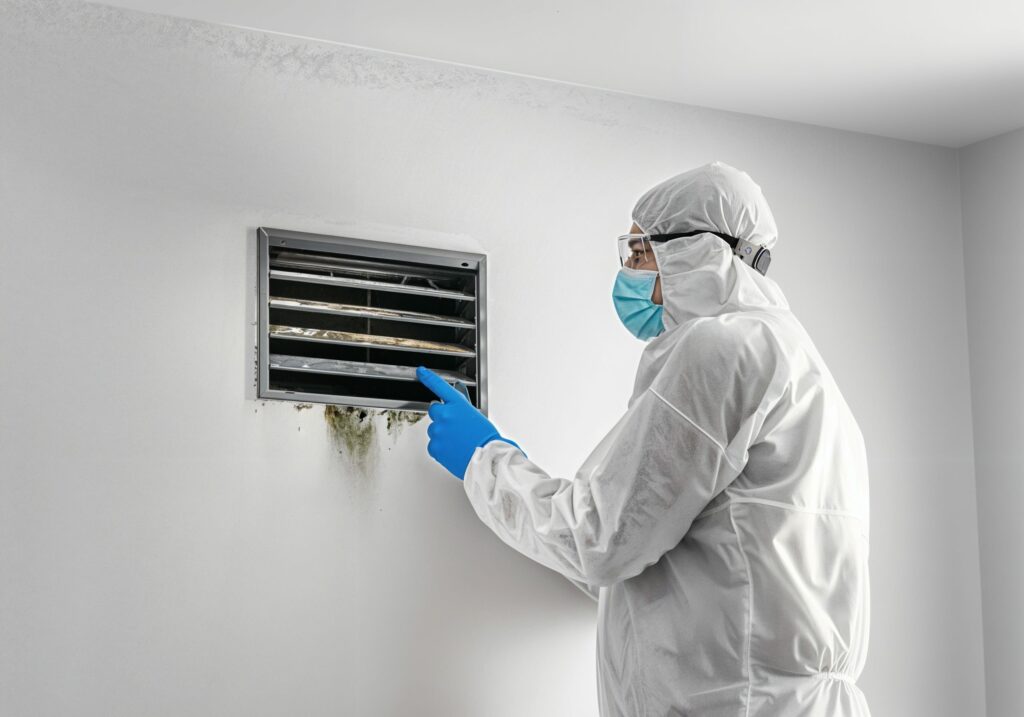
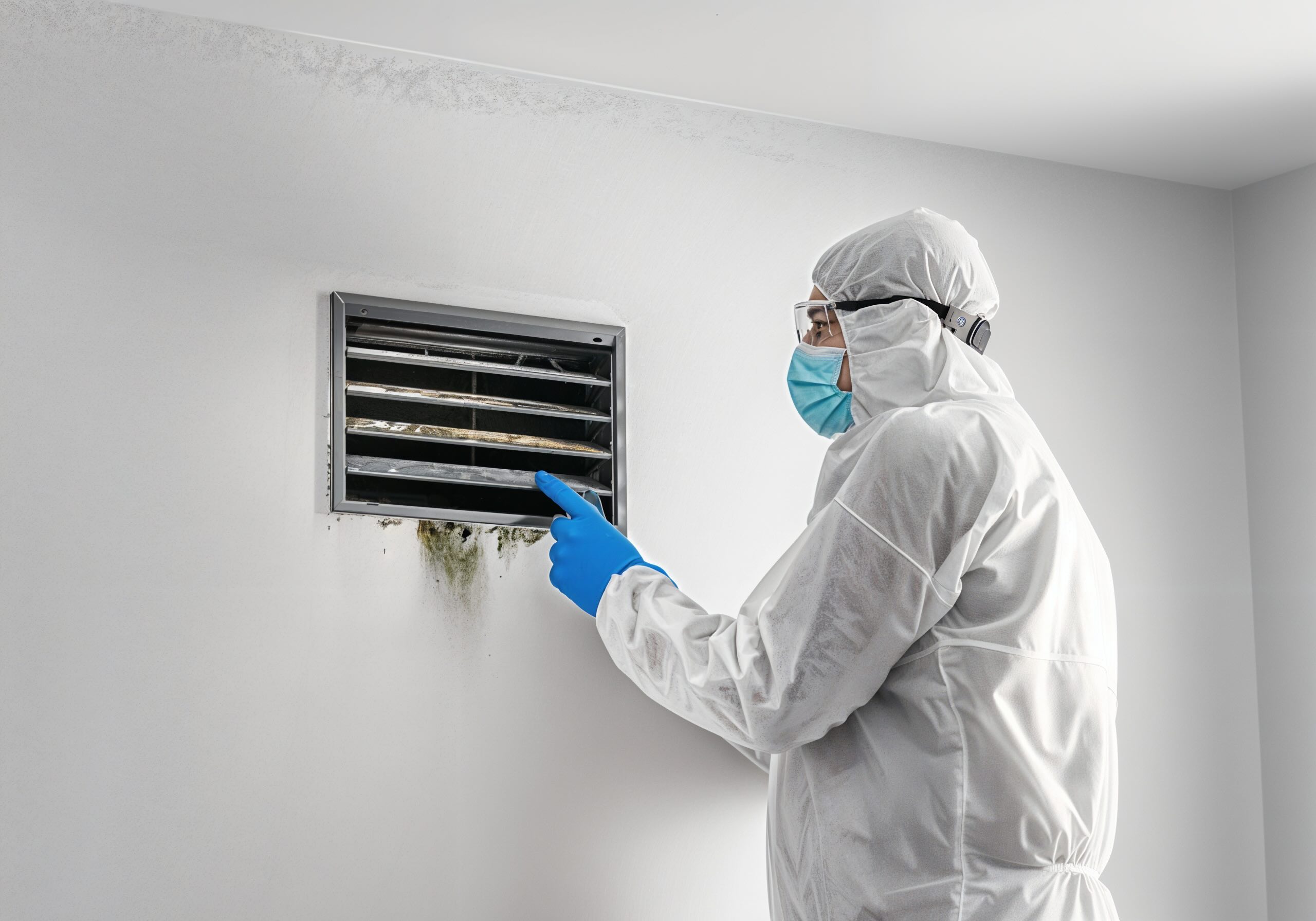
- Visible black, green, or white spots on or near vent covers and grilles
- Increased allergy symptoms or respiratory irritation among household members
- Discoloration around the edges of ceiling or wall vents
- Condensation or moisture visible on duct surfaces in accessible areas
If you notice more than one of these signs together, it is worth taking a closer look. A professional HVAC inspection or air quality test can confirm whether mold is present and how far it may have traveled through the duct system.
The Health Implications of Mold in Your Ventilation System
This is where the stakes get real. Mold in a single bathroom vent might seem minor, but your HVAC system circulates air throughout the entire home. If mold has established itself inside the ductwork, every time the system runs, it is distributing spores into your living spaces. For healthy adults, this may cause general irritation, headaches, or fatigue. For people with asthma, allergies, compromised immune systems, or respiratory conditions, prolonged exposure can be significantly more serious. Children and elderly household members are also at elevated risk. This is not meant to alarm anyone, but it is worth understanding that a moldy vent is not simply a cosmetic issue. It is a health and safety concern that deserves prompt attention.

What Actually Happens During a Vent Mold Remediation
If mold is confirmed in your vents or ductwork, remediation is the next step. The process typically begins with an assessment to determine the extent of the contamination. Surface-level mold on vent covers is often the easiest to address and can sometimes be handled with appropriate cleaning solutions and protective gear. Mold inside the ductwork itself is a different situation. Professional duct cleaning and remediation involves isolating the affected sections, applying antimicrobial treatments, and in some cases physically removing and replacing sections of contaminated duct material. It is labor-intensive work, and costs can vary significantly depending on the size of the system and the severity of the mold growth. Attempting to handle extensive duct mold as a DIY project is generally not advisable. Disturbing mold without proper containment can spread spores further through the home.
Preventing Mold From Returning After Remediation
Remediation addresses the existing problem, but prevention is what keeps it from coming back. The most effective long-term strategies target the root causes of moisture accumulation. Make sure bathroom exhaust fans are appropriately sized for the room and are venting to the exterior of the home, not into the attic. Run exhaust fans during and for at least fifteen minutes after showers. Check that HVAC drain lines and drip pans are clear and functioning properly. Consider a whole-home dehumidifier if your climate tends toward high humidity. Replace HVAC air filters on schedule, because clogged filters reduce airflow and increase the likelihood of condensation inside the system. These are not complicated steps, but they compound over time into meaningful protection.
The Cost of Ignoring a Moldy Vent
It is tempting to delay action on something you cannot fully see. But mold does not pause while you think it over. Left unaddressed, mold in ventilation systems can spread to surrounding drywall, insulation, and structural materials. What begins as a localized issue inside a bathroom vent can evolve into a remediation project that involves multiple rooms, opened walls, and costs that escalate quickly. Beyond the structural damage, ongoing mold exposure has cumulative health effects. From a purely financial perspective, early intervention is almost always less expensive than reactive repair. A basic vent inspection and cleaning is a fraction of the cost of a full duct remediation, and that is still a fraction of the cost of structural mold damage throughout a home.
Where Home Warranties Fit Into the Mold Conversation
Home warranties are an often-misunderstood tool, and mold is one of the areas where that misunderstanding comes up most frequently. Most standard home warranty plans do not cover mold remediation directly, because mold is typically categorized as a maintenance or environmental issue rather than a mechanical failure. However, the relationship between mold and your HVAC system is important to understand. If a covered component, such as your air handler, evaporator coil, or ductwork in certain plans, fails and that failure contributes to moisture accumulation and mold growth, the underlying mechanical repair may well be covered. Knowing what your plan includes and how it applies to HVAC system failures can make a meaningful difference in how quickly you are able to address the root causes of a mold problem.
Why Armadillo Is the Right Partner When Your Home Systems Are at Stake
When your HVAC system develops a problem that contributes to moisture buildup, vent contamination, or air quality issues, having a dependable home warranty in place changes what happens next. Armadillo was built around the idea that homeowners deserve a warranty experience that is clear, responsive, and actually useful when something goes wrong. For homeowners concerned about HVAC-related issues including the kind of mechanical failures that set the stage for mold growth inside ventilation systems, Armadillo’s comprehensive home warranty coverage for HVAC systems and essential home appliances offers genuine peace of mind backed by straightforward terms. If you are ready to stop wondering whether you are covered and start knowing, take a moment to get a personalized home warranty quote designed to protect your HVAC system and home from unexpected repair costs. It takes about sixty seconds, and the information you get is worth far more than that.

Frequently Asked Questions About Moldy Vents and Home Ventilation
These are the questions homeowners ask most often when they discover a potential mold issue in their ventilation system. The answers below are intended to be direct, practical, and genuinely helpful.
Can a single moldy vent spread mold throughout my entire home?
Yes, it is possible. If the mold is located inside connected ductwork rather than just on the surface of a vent cover, the HVAC system can distribute spores throughout the home each time it cycles on. The risk depends on how far the contamination has spread inside the duct system.
How do I tell the difference between mold and ordinary dust on a vent cover?
Dust is typically gray or light brown and wipes away cleanly. Mold often appears as dark black, green, or irregular spotting that may feel slightly fuzzy or slimy to the touch. A musty odor accompanying the discoloration is also a strong indicator of mold rather than dust accumulation.
Is it safe to clean a moldy vent myself?
If the mold is limited to the removable vent cover itself, cleaning it with an appropriate antimicrobial solution while wearing gloves and a mask is generally considered manageable. Mold found inside the duct system or on surrounding surfaces should be evaluated by a professional before any cleaning is attempted.
How often should bathroom exhaust vents be cleaned to prevent mold?
Bathroom vent covers should be cleaned at least every three to six months. The fan housing and internal components benefit from a more thorough cleaning once per year. Regular maintenance significantly reduces the moisture and debris that allow mold to develop.
Does homeowners insurance cover mold remediation caused by a moldy vent?
Standard homeowners insurance typically does not cover mold remediation unless the mold resulted directly from a sudden and accidental covered peril, such as a burst pipe. Mold that develops gradually over time due to moisture or ventilation issues is usually excluded from coverage.
What causes mold to grow in HVAC vents specifically?
The combination of moisture, organic debris like dust, and limited airflow creates ideal conditions for mold inside HVAC vents. Oversized AC systems that cool too quickly without adequately dehumidifying, clogged drain lines, and dirty air filters all contribute to the conditions that allow mold to grow.
Can a home warranty cover any costs related to mold in my HVAC system?
Home warranties generally do not cover mold remediation directly. However, if a covered HVAC component fails and that failure is the underlying cause of moisture accumulation, the mechanical repair itself may be covered depending on the terms of your specific plan. Reviewing your plan details is always the best starting point.
How long does professional duct mold remediation take?
The timeline varies based on the size of the home and the extent of contamination. A focused remediation of a single duct section may take a day or less, while widespread contamination in a larger system can require multiple days of work including post-treatment testing to confirm the mold has been fully addressed.
What type of professional should I call if I suspect mold in my vents?
An HVAC technician can assess whether the system itself is contributing to moisture issues. A certified mold inspector or indoor air quality specialist can test for mold presence and extent. In many cases, coordinating between both professionals produces the most accurate diagnosis and effective plan of action.
Are some types of mold found in vents more dangerous than others?
Yes. While most mold strains found in home ventilation systems cause general respiratory irritation, certain species such as Stachybotrys chartarum, commonly called black mold, produce mycotoxins that can have more serious health effects with prolonged exposure. Professional testing is the only reliable way to identify which type of mold is present.