
The Most Efficient Way to Heat a House: What Every Homeowner Should Know
Heating your home is one of those things that quietly runs in the background until it stops working or your energy bill arrives and suddenly demands your full attention. Whether you are moving into a new place, replacing an aging system, or just trying to cut costs, understanding how home heating actually works puts you in a much better position to make smart decisions. This guide breaks it all down without the jargon, so you can figure out what works best for your home and your budget.
Why Heating Efficiency Matters More Than Most People Realize
Heating accounts for a significant portion of a home’s annual energy costs, often between 40 and 50 percent depending on climate and home size. That means even modest improvements to how efficiently your system operates can translate into real savings over time. Efficiency is not just about saving money, either. A system that runs efficiently puts less strain on its components, which typically means fewer breakdowns and a longer overall lifespan. When you understand the efficiency landscape, you are not just choosing a heating method, you are making a long-term investment in the comfort and financial health of your home.
The Main Types of Home Heating Systems
Before landing on what is most efficient, it helps to understand the primary categories of home heating. Each one operates differently and comes with its own set of trade-offs.
- Forced-air furnaces (gas or electric) push heated air through ductwork and are the most common system in American homes
- Boilers heat water and distribute warmth through radiators or radiant floor systems
- Heat pumps transfer heat rather than generate it and can function as both heating and cooling systems
- Ductless mini-split systems deliver zoned heating and cooling without requiring ductwork
- Electric baseboard heaters use resistance heating and are among the least efficient options available
Heat Pumps: The Clear Efficiency Leader
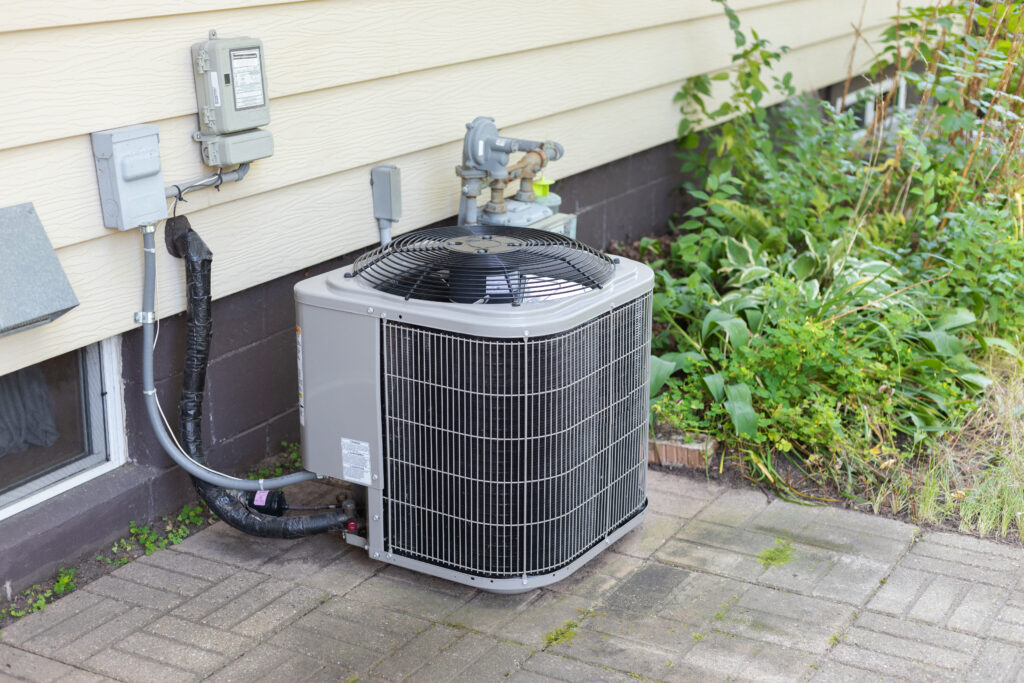
If the question is simply what the most efficient way to heat a house is, the answer points consistently toward heat pumps, specifically modern electric heat pumps including cold-climate models. Rather than burning fuel to generate heat, a heat pump moves existing heat from outdoor air or the ground into your home. This process requires significantly less energy because you are relocating heat rather than producing it. Standard air-source heat pumps can deliver two to three units of heat energy for every one unit of electrical energy they consume, which means efficiency ratings well above 100 percent by traditional measures. Cold-climate heat pumps push that performance even further, maintaining solid output even when outdoor temperatures drop well below freezing. If you have not looked at heat pump technology recently, the advancements over the past several years have been substantial.
Gas Furnaces: Still a Strong Contender
High-efficiency gas furnaces remain a practical and popular choice, particularly in regions where natural gas is affordable and widely available. Modern condensing gas furnaces carry AFUE ratings between 90 and 98 percent, meaning nearly all of the fuel burned converts directly into usable heat. That is a significant improvement over older standard-efficiency models that typically run around 80 percent or lower. For homeowners in very cold climates where heat pumps may struggle without supplemental heating, a high-efficiency gas furnace can be both economical and reliable. The key is pairing it with a well-sealed, properly insulated home to maximize performance and minimize waste.

Radiant Floor Heating: Quiet Comfort With a Catch
Radiant floor heating, whether hydronic or electric, delivers warmth from the ground up, which is arguably the most comfortable heating experience available. Because heat rises naturally, radiant systems can maintain comfortable temperatures at lower thermostat settings compared to forced-air systems. Hydronic radiant systems, which circulate warm water through tubing beneath the floor, are particularly efficient when paired with a condensing boiler or a heat pump water heater. The drawback is primarily in installation. Retrofitting radiant heat into an existing home is expensive and disruptive. It is most practical during a renovation or new construction. Running costs can be very competitive, but the upfront investment is a real barrier for most homeowners.
Common Drawbacks to Watch For Regardless of System Type
Every heating system, no matter how efficient on paper, can underperform when it is not properly installed, maintained, or suited to a particular home. Duct leakage in forced-air systems can waste a surprising amount of conditioned air before it ever reaches living spaces. Older thermostats and poor insulation undermine even the best equipment. Heat pumps can see efficiency drops in extreme cold if they are not rated for low temperatures. Gas furnace heat exchangers can develop cracks over time, which is both an efficiency issue and a safety concern. The point is that the system you choose is only part of the equation. How it is installed and how consistently it is serviced matter just as much over the long run.
Practical Tips to Maximize Heating Efficiency at Home
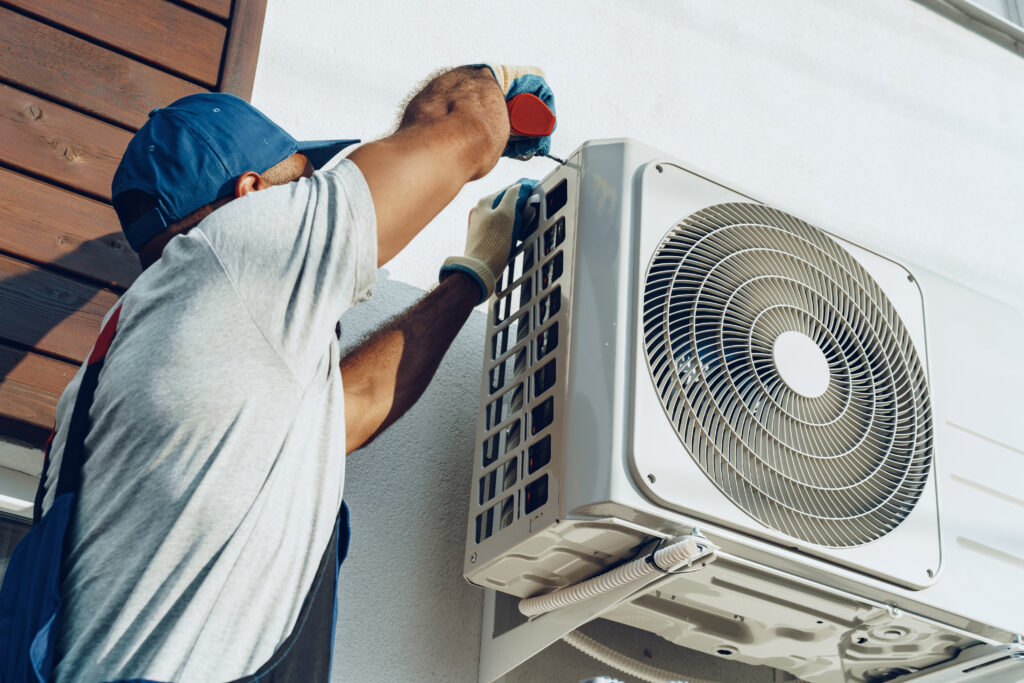
- Schedule annual professional maintenance for your heating system before the cold season begins
- Replace or clean air filters regularly, typically every one to three months depending on use
- Seal air leaks around windows, doors, and ductwork to prevent heat loss
- Upgrade to a smart or programmable thermostat to reduce energy use during unoccupied hours
- Ensure your attic and wall insulation meets current recommended standards for your climate zone
- Consider zoning options if your home has areas that heat unevenly or go unused for long periods
How Home Warranties Factor Into Your Heating System
A heating system is one of the most expensive components in a home to repair or replace. Furnace replacements can run anywhere from two thousand to five thousand dollars or more depending on the system type and complexity of installation. Heat pump systems can reach even higher depending on configuration. Home warranties exist precisely to soften that financial exposure. A solid home warranty plan covers the mechanical failure of major systems like your heating equipment, meaning when something goes wrong outside of normal wear patterns, you are not facing that cost entirely on your own. For homeowners who have invested in a high-efficiency system, protecting that investment with warranty coverage is a logical step that many overlook until it is too late.
Why Armadillo Is the Right Home Warranty Partner for Heating System Protection
When your heating system fails on the coldest night of the year, the last thing you want to wrestle with is confusing coverage terms or an unresponsive warranty provider. Armadillo is built differently. Coverage is straightforward, claims are handled without unnecessary friction, and the focus is always on getting your home back to normal as quickly as possible. If you are investing in a high-efficiency heating system or simply want reliable protection for the one you already have, trusted home warranty coverage for heating systems and major home appliances is exactly what Armadillo is designed to provide. Taking a few minutes to understand your options now can save you a significant amount of stress and money later, so it is worth taking a moment to get a personalized home warranty quote for your heating system today and see what coverage looks like for your specific home.

Frequently Asked Questions About Home Heating Efficiency
These answers address the most common questions homeowners have when evaluating heating options, efficiency improvements, and related warranty coverage.
What is the most energy-efficient way to heat a house?
Electric heat pumps, particularly modern cold-climate air-source heat pumps, are currently the most energy-efficient method for heating most homes. They move existing heat rather than generating it, which requires significantly less energy than combustion-based systems.
Are gas furnaces still worth installing in 2024 and beyond?
High-efficiency condensing gas furnaces with AFUE ratings of 90 percent or higher remain a competitive option, especially in regions with low natural gas costs and very cold winters where heat pump performance may need supplemental support.
How much does it cost to replace a home heating system?
Replacement costs vary widely based on system type and home size. A standard gas furnace replacement typically ranges from two thousand to five thousand dollars, while heat pump installations can range from four thousand to ten thousand dollars or more including installation labor.
What is AFUE and why does it matter?
AFUE stands for Annual Fuel Utilization Efficiency. It measures the percentage of fuel a furnace converts into usable heat over a heating season. A higher AFUE rating means less wasted energy and lower operating costs over time.
Can a heat pump work in very cold climates?
Modern cold-climate heat pumps are designed to operate efficiently at outdoor temperatures as low as negative thirteen degrees Fahrenheit. They represent a significant improvement over earlier heat pump technology and are increasingly suitable for northern climates.
Does a home warranty cover heating system repairs?
Most home warranty plans include coverage for heating systems, including furnaces and heat pumps. Coverage typically applies to mechanical failures from normal use. Reviewing what is and is not included in a specific plan is important before purchasing.
How often should a heating system be serviced?
Annual professional maintenance is the standard recommendation for most heating systems. Regular servicing helps maintain efficiency, catch early signs of wear, and extend the operational life of the equipment.
Is radiant floor heating worth the investment?
Radiant floor heating provides excellent comfort and competitive operating efficiency, particularly when paired with a modern heat source. However, the installation cost is high, making it most practical during new construction or major renovation projects rather than as a standalone retrofit.
What heating system has the lowest monthly operating costs?
Operating costs depend on local energy prices, home insulation quality, and system efficiency. In areas with affordable electricity, heat pumps typically produce the lowest monthly heating costs due to their high efficiency ratios. In areas with low natural gas prices, high-efficiency furnaces may be comparable.
How does poor insulation affect heating system efficiency?
Inadequate insulation forces a heating system to run longer and work harder to maintain comfortable temperatures, which increases energy consumption and accelerates wear on mechanical components. Improving insulation is often one of the highest-return investments a homeowner can make alongside a system upgrade.