What Is a Nest Thermostat and Why Are Homeowners Talking About It?
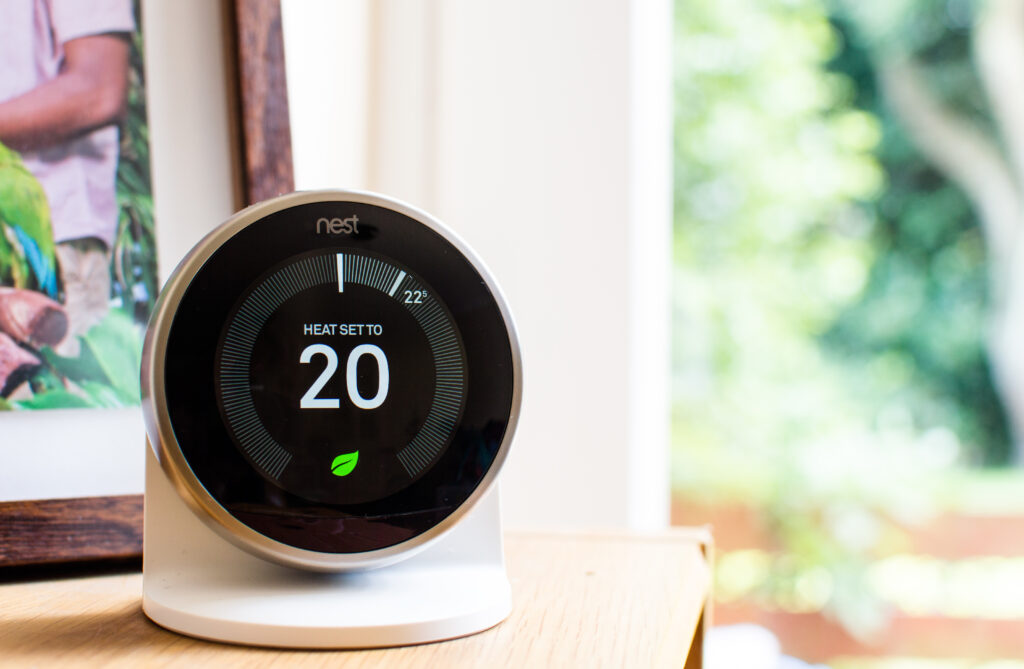
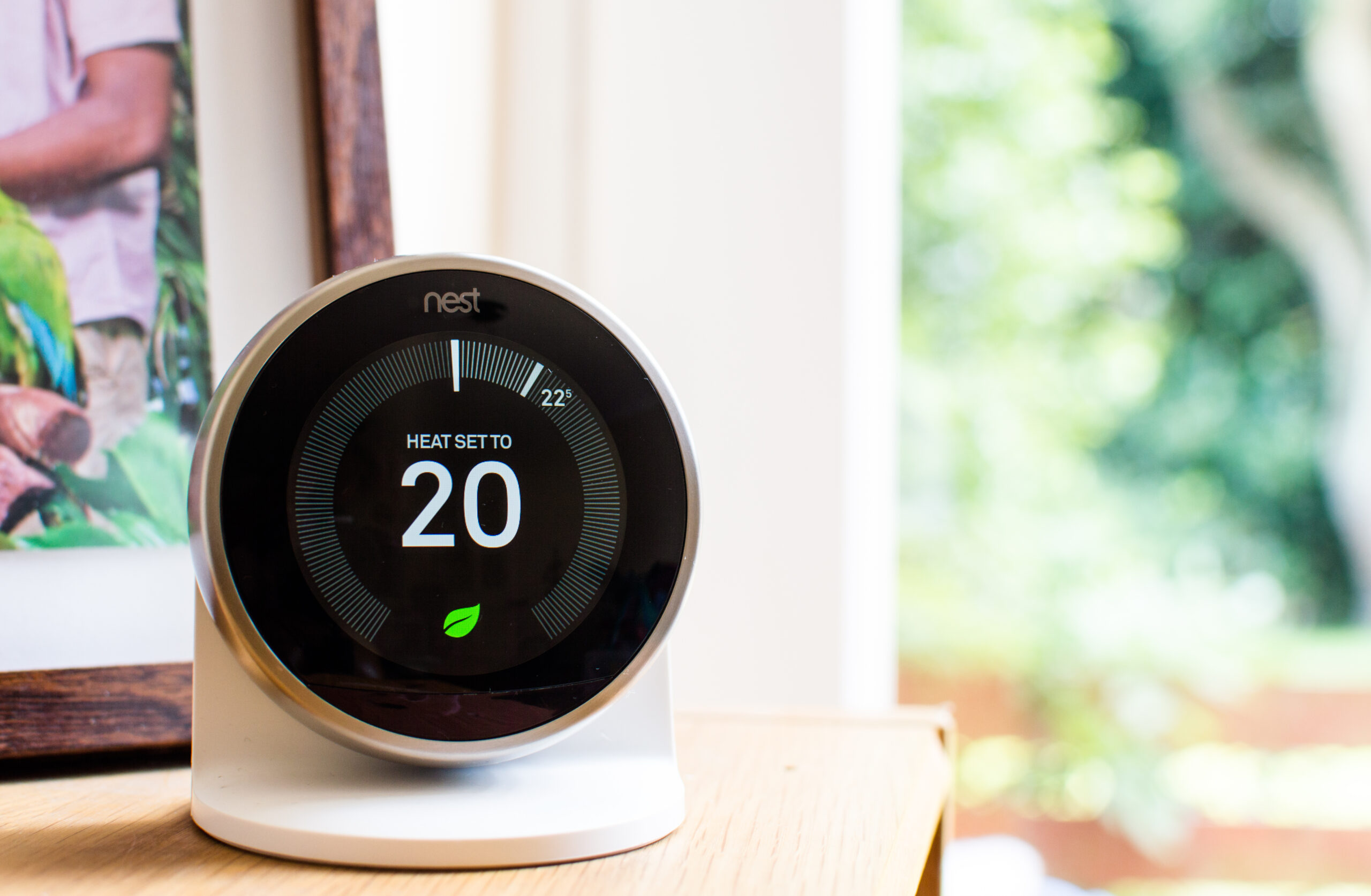
If you have spent any time researching ways to make your home smarter, more efficient, or just easier to manage, the Nest thermostat has probably come up more than once. Developed by Google, the Nest Learning Thermostat is one of the most recognized smart home devices on the market, and for good reason. It sits at the intersection of convenience, energy savings, and modern home management in a way that genuinely changes how homeowners interact with their HVAC systems. But before you go swapping out your old programmable thermostat, it helps to understand exactly what you are getting into, how the device actually works, and whether the investment makes sense for your specific situation.
How the Nest Thermostat Actually Works
The core concept behind the Nest thermostat is machine learning. During the first week or two of use, the device pays close attention to your heating and cooling preferences, the times you adjust the temperature, and how you respond to different conditions throughout the day. From that data, it builds a schedule automatically, without you needing to program a single thing. That is a meaningful departure from traditional programmable thermostats, which require manual setup and rarely get adjusted once installed. Beyond the learning component, Nest also uses built-in sensors to detect whether anyone is home. If the house is empty, it shifts into an energy-saving mode called Eco Temperatures, reducing unnecessary heating or cooling while you are away. The companion app lets you control everything remotely from your phone, which is genuinely useful when your schedule changes unexpectedly.
Key Advantages of Installing a Nest Thermostat
The benefits of a Nest thermostat extend well beyond the novelty of controlling your home’s temperature from your couch. There are real, tangible advantages that homeowners notice within the first few months of use.
- Energy savings: Google reports that Nest users save an average of 10 to 12 percent on heating costs and around 15 percent on cooling costs annually, which can translate to meaningful reductions on monthly utility bills.
- Automatic scheduling: The thermostat learns your routine and adjusts itself, eliminating the need for manual programming and the common frustration of forgetting to change settings before bed or before leaving for work.
- Remote access and control: The Nest app allows you to monitor and adjust your home’s temperature from virtually anywhere, giving you control even when your plans change mid-day.
- Compatibility with smart home ecosystems: Nest integrates smoothly with Google Home, Amazon Alexa, and other smart home platforms, making it a strong fit for homes that are already building out their connected device setup.
- Energy history and reporting: The app provides detailed usage reports, so you can actually see when and how your system is running, which helps identify patterns and opportunities for additional savings.
Common Drawbacks You Should Know Before Buying
No home product is without its trade-offs, and the Nest thermostat is no exception. One of the most frequently cited issues is compatibility. Older HVAC systems, particularly those without a common wire, or C-wire, may not work with Nest without an additional adapter or wiring modification. That can add unexpected cost and complexity to what seems like a simple installation. There is also a learning curve, not with the technology itself, but with trusting it. Some homeowners find it uncomfortable to hand over temperature control to an algorithm, especially in the early days before the device has fully learned their preferences. Additionally, the Nest requires a working Wi-Fi connection to access its full range of features. If your internet goes down, the thermostat still functions as a basic unit, but you lose the remote access and smart features that make it worth the price.

Is a Nest Thermostat Compatible With Your HVAC System?
Compatibility is one of the first questions you should answer before purchasing a Nest thermostat. The device works with most conventional heating and cooling systems, including gas, electric, forced air, heat pumps, and radiant systems. However, it does not support all multi-stage systems, and it is not compatible with certain high-voltage systems used in some older homes. Google provides a compatibility checker on its website where you can enter your existing wiring configuration to confirm whether Nest will work before you buy. If you are unsure about your current setup, having an HVAC technician take a look first is a smart move. That small upfront step can prevent a frustrating return process and ensure the installation goes smoothly.
Installation: DIY or Call a Professional?
Most homeowners with basic comfort around simple home projects can install a Nest thermostat themselves. The process generally takes about 30 to 60 minutes and involves turning off your HVAC system at the breaker, removing the old thermostat, photographing the existing wiring connections for reference, and following the Nest app’s step-by-step installation guidance. The app walks you through the entire process clearly. That said, if your wiring situation is unusual, if your system is older, or if you simply prefer not to deal with it, hiring an HVAC technician is a perfectly reasonable choice. Professional installation typically costs between 75 and 150 dollars depending on your location and the complexity of the job.
How the Nest Thermostat Affects Your HVAC System Long-Term
One of the less discussed aspects of smart thermostat ownership is what these devices do for your HVAC system over time. Because the Nest reduces unnecessary run cycles when the home is unoccupied, it can help reduce wear on your heating and cooling equipment. Less run time generally means less mechanical stress, and that can contribute to a longer lifespan for your system’s components. The energy history reports also give homeowners early visibility into unusual usage patterns, such as your system running longer than expected to reach a target temperature, which can be an early warning sign of a maintenance issue. Catching that kind of problem early is one of the underrated benefits of owning a device that actively monitors your system’s behavior.
Nest Thermostat Models: Which One Is Right for You?
Google currently offers a few distinct versions of the Nest thermostat. The flagship Nest Learning Thermostat is the most feature-rich option, with full machine learning capabilities, a premium stainless steel design, and comprehensive app integration. The Nest Thermostat, which is the more affordable model, offers a simpler interface and still provides remote control and basic scheduling, but relies on user-set schedules rather than full self-learning. For homeowners who want smart home connectivity without the premium price tag, the base model is a solid entry point. The right choice depends on your budget, your HVAC system’s complexity, and how much automation you actually want from the device.
Practical Tips for Getting the Most Out of Your Nest Thermostat
Owning a Nest is one thing. Using it effectively is another. A few straightforward habits can significantly improve both your comfort and your energy savings from day one. First, give the device its full learning period without overriding it too frequently. The more consistent your behavior during those first two weeks, the more accurately it will reflect your preferences. Second, set your Eco Temperatures thoughtfully. These are the temperatures your home defaults to when no one is detected inside, and they play a major role in how much energy you actually save. Third, check your energy history reports regularly. They are genuinely informative and can help you identify whether your HVAC system is running efficiently. Finally, make sure your Wi-Fi connection is stable near the thermostat’s location. A weak signal can cause delayed responses and reduce the reliability of the remote features.
How Armadillo Home Warranty Protects the Systems Your Nest Thermostat Depends On
A smart thermostat like Nest can optimize how your HVAC system runs, but it cannot prevent mechanical failures. Your furnace, air handler, heat pump, and other connected components are still subject to the same wear and breakdowns that affect every home. That is where having a reliable home warranty makes a real difference. When your heating or cooling system fails unexpectedly, the repair costs can be substantial, and the timing is almost never convenient. Armadillo home warranty coverage for HVAC systems and home appliances is built to give homeowners exactly that kind of protection, covering the essential systems that keep your home functional and comfortable year-round. If you are investing in smart home technology like a Nest thermostat to improve efficiency, it only makes sense to pair that investment with coverage that protects the underlying systems it depends on. You can take a few minutes right now to get a free home warranty quote for your HVAC and home systems and see exactly what a plan would cost for your home. Smart technology and smart protection go hand in hand.

Frequently Asked Questions About Nest Thermostats
Does a Nest thermostat work without Wi-Fi?
Yes, a Nest thermostat will still function as a basic thermostat without a Wi-Fi connection. However, remote access through the app, automatic schedule adjustments, and energy reporting features all require an active internet connection to work properly.
How long does it take for Nest to learn your schedule?
The Nest Learning Thermostat typically takes about one to two weeks to build an accurate schedule based on your temperature preferences and daily routines. Maintaining consistent habits during this period leads to better results.
Can a Nest thermostat help lower my energy bills?
Yes. Google’s data indicates that Nest users save an average of 10 to 12 percent on heating and approximately 15 percent on cooling costs annually. Actual savings vary based on home size, climate, and existing HVAC efficiency.
Is the Nest thermostat compatible with all HVAC systems?
Nest is compatible with most standard HVAC systems, but it does not support all configurations, particularly high-voltage systems or certain older setups. Google provides a compatibility checker tool to verify your system before purchasing.
Does installing a Nest thermostat void my HVAC warranty?
In most cases, installing a Nest thermostat does not void your HVAC manufacturer’s warranty, as long as it is installed correctly and does not cause damage to the system. If you are uncertain, consulting your HVAC manufacturer or a licensed technician is advisable.
What is the difference between the Nest Learning Thermostat and the Nest Thermostat?
The Nest Learning Thermostat uses machine learning to automatically build a schedule based on your behavior, while the more affordable Nest Thermostat uses a simpler algorithm and requires more manual input for scheduling. Both offer remote access and smart home integration.
Can a home warranty cover thermostat repairs or replacements?
Home warranty coverage varies by provider and plan. Most home warranties cover HVAC systems including components like thermostats under certain conditions. Reviewing your plan details carefully or speaking with your provider will clarify what is and is not included.
How difficult is it to install a Nest thermostat yourself?
For most homeowners comfortable with basic tasks, a DIY Nest installation takes 30 to 60 minutes. The Nest app provides step-by-step guidance throughout the process. Complex wiring situations may warrant hiring a professional.
Does Nest work with Amazon Alexa and Google Home?
Yes, Nest thermostats are compatible with both Google Home and Amazon Alexa, allowing voice control and integration into broader smart home automation routines.
What happens to my Nest thermostat if my HVAC system breaks down?
If your HVAC system experiences a mechanical failure, the Nest thermostat will continue to operate and send commands, but those commands will have no effect until the underlying system is repaired. This is why protecting your HVAC system with a home warranty plan is a practical complement to smart thermostat ownership.