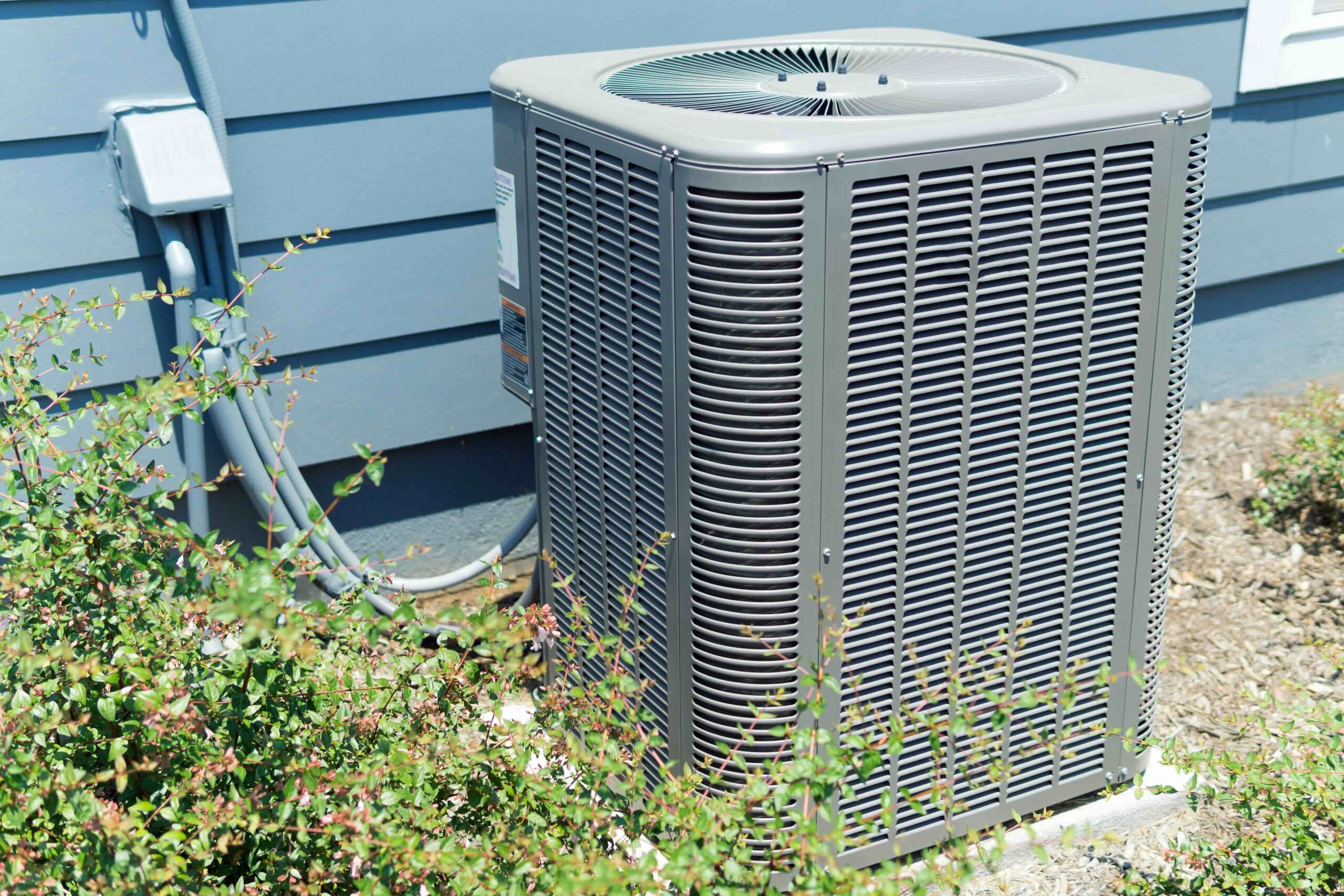
What Does a New HVAC Unit Actually Cost — And Is It Worth It?
If your air conditioner just gave out in the middle of July, or your furnace decided to quit on the coldest night of the year, you already know the sinking feeling. Replacing an HVAC system is one of the most significant expenses a homeowner can face, and most people have no idea what to expect until they are staring down an invoice. This article breaks down what a new HVAC unit actually costs, what drives those numbers up or down, and how to protect yourself before the next breakdown catches you completely off guard.
What Is an HVAC System and How Does It Work?
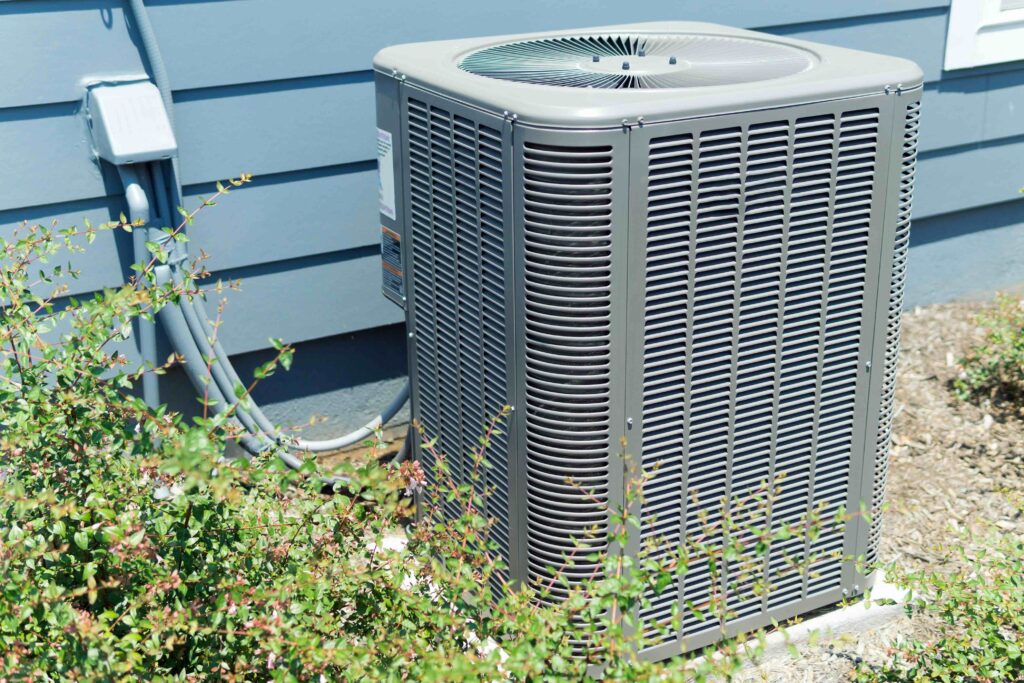
HVAC stands for Heating, Ventilation, and Air Conditioning. It is the combined system responsible for keeping your home at a comfortable temperature year-round, managing humidity, and circulating clean air throughout your living space. Most residential HVAC systems include a furnace or heat pump for warmth, a central air conditioning unit for cooling, a network of ductwork for air distribution, and a thermostat to control it all. The system works by pulling air from inside your home, conditioning it — either heating or cooling it depending on the season — and then pushing it back through your vents. It sounds straightforward, but the engineering involved is surprisingly complex, which is a big part of why replacement costs can be substantial.
Average Cost of a New HVAC Unit in 2026
Here is where things get real. The national average cost to replace a full HVAC system ranges from roughly $5,000 to $12,500, though many homeowners end up paying closer to $7,000 to $10,000 once labor, permits, and equipment are factored in. Replacing just a central air conditioning unit typically runs between $3,800 and $7,500. A new furnace alone can range from $2,500 to $6,000 depending on the type and efficiency rating. Heat pump systems, which handle both heating and cooling, tend to fall between $4,000 and $8,000 for the unit and installation combined. These are not small numbers, and they have climbed considerably over the past few years due to supply chain pressures and new federal efficiency regulations that went into effect in 2023.
What Drives the Cost Up or Down?
Several factors influence what you will actually pay when it is time to replace your HVAC system. Understanding them ahead of time means fewer surprises when a technician hands you a quote.
- System type and size: Larger homes require higher-capacity equipment, and more complex systems like variable-speed or two-stage units cost more upfront.
- SEER2 efficiency rating: Higher-efficiency units carry a premium price tag but often save money on monthly energy bills over time.
- Labor and regional market rates: HVAC installation labor varies widely by location, with costs typically higher in urban areas or regions with strong demand.
- Ductwork condition: If your existing ductwork is outdated, damaged, or improperly sized, repairs or replacement can add thousands to the total project cost.
- Brand and warranty tier: Premium brands with longer manufacturer warranties generally cost more than entry-level alternatives.
- Time of year: Emergency replacements in peak summer or winter months often come with higher labor rates due to technician demand.

The Key Advantages of Replacing an Aging HVAC System
Putting off an HVAC replacement feels financially responsible in the short term, but it often costs more in the long run. A new system delivers meaningful advantages that go beyond just not breaking down constantly. Modern units operate at significantly higher efficiency levels, which translates to lower monthly utility bills. Many newer systems also include smart thermostat compatibility, better air filtration, and quieter operation. If your current unit is more than 10 to 15 years old, it is likely consuming far more energy than necessary to maintain the same level of comfort. A replacement can also improve your home’s resale value, since buyers consistently rank HVAC system age as one of their top concerns during purchase negotiations.
Common Drawbacks to Be Aware Of
A new HVAC system is not a perfect solution without trade-offs. The upfront cost is the most obvious challenge — it is a significant out-of-pocket expense that many homeowners are not financially prepared for. Beyond the price, installation quality varies considerably depending on the contractor, and a poorly installed system can underperform even if the equipment itself is top-tier. Some high-efficiency systems also require specific ductwork configurations or electrical upgrades that add unexpected costs to the project. And while new units come with manufacturer warranties, those warranties typically cover parts but not labor, and they require annual professional maintenance to remain valid. The fine print matters more than most people realize.
How Long Should an HVAC System Last?
A well-maintained central air conditioning system typically lasts between 15 and 20 years. Furnaces tend to have a slightly longer lifespan, often reaching 20 to 30 years with consistent upkeep. Heat pumps generally fall in the 15 to 20 year range as well. These estimates assume regular filter changes, annual professional tune-ups, and prompt attention to minor repairs before they escalate into major failures. Skipping routine maintenance is the single fastest way to shorten a system’s lifespan and inflate long-term costs. If your unit is approaching the end of its expected lifespan and requiring frequent repairs, replacement is usually the more economical decision over continued patching.
Practical Tips Before You Buy a New HVAC System
Before signing any contracts or authorizing a replacement, a few smart steps can save you real money and frustration.
- Get at least three quotes from licensed HVAC contractors to establish a fair baseline before committing.
- Ask specifically about SEER2 ratings and compare projected annual energy savings between efficiency tiers.
- Verify that the contractor will pull the required permits — unpermitted work can cause issues during home sales or insurance claims.
- Ask whether rebates are available through your utility company or through federal tax credits for high-efficiency systems.
- Confirm what the manufacturer warranty covers versus what the installer’s labor warranty covers — they are different documents.
- Consider financing options, but read the interest terms carefully before agreeing to any deferred payment plan.
Where a Home Warranty Fits Into the Picture
A home warranty is not the same as homeowners insurance, and it is worth understanding the distinction. Homeowners insurance protects your property against damage from events like fires, storms, and theft. A home warranty, on the other hand, covers the repair or replacement of major home systems and appliances that break down due to normal wear and tear. HVAC systems are among the most commonly claimed items in the home warranty industry, which makes sense given how frequently they fail and how expensive the repairs can be. A quality home warranty plan can dramatically reduce what you pay out of pocket when an HVAC component breaks down — whether it is the compressor, the blower motor, or the control board. The key is reading the coverage terms carefully and choosing a provider that is transparent about what is included and what is not.
Why Armadillo Should Be Your First Call for HVAC Protection
When it comes to protecting one of your home’s most expensive and essential systems, working with a home warranty provider you can actually trust makes all the difference. Armadillo was built with that exact frustration in mind — homeowners who have been burned by confusing exclusions, slow service, and coverage that evaporated the moment they needed it most. Armadillo offers straightforward HVAC coverage with clear terms and a claims process that does not make you feel like you need a law degree to navigate it. If you want to understand what modern home protection looks like, explore Armadillo’s home warranty plans built to cover your HVAC system and more. And if you are ready to see what coverage costs for your specific home right now, you can get a personalized HVAC home warranty quote in under two minutes. Replacing an HVAC system without any financial protection in place is a risk no homeowner should take when better options are available.

Frequently Asked Questions About New HVAC Unit Costs and Home Warranty Coverage
These are the questions homeowners ask most often when navigating HVAC replacement decisions and home warranty coverage for heating and cooling systems.
How much does it cost to replace a full HVAC system in 2025?
The average cost to replace a complete HVAC system in 2025 ranges from $5,000 to $12,500, with most homeowners paying between $7,000 and $10,000 including equipment and installation labor.
Does a home warranty cover HVAC replacement?
Most home warranty plans cover HVAC repairs and, in some cases, replacement if a covered component fails due to normal wear and tear. Coverage limits and exclusions vary by provider, so reviewing the specific terms of your plan is essential before assuming full replacement is included.
How long does an HVAC system last before it needs to be replaced?
Central air conditioning units typically last 15 to 20 years, furnaces can last 20 to 30 years, and heat pumps generally last 15 to 20 years with proper annual maintenance.
Is it better to repair or replace an aging HVAC unit?
A common industry guideline is to multiply the repair cost by the unit’s age. If that number exceeds the cost of a new system, replacement is usually the better financial decision. Units older than 10 to 15 years that require repairs exceeding $1,500 are strong candidates for replacement.
What SEER2 rating should I look for in a new HVAC system?
For most climates, a SEER2 rating of 15 or higher offers a strong balance between upfront cost and long-term energy savings. Homes in extremely hot climates may benefit from units rated 18 or higher.
Are there tax credits available for buying a new high-efficiency HVAC system?
Yes. Under the Inflation Reduction Act, homeowners may qualify for federal tax credits of up to 30 percent of the cost of qualifying high-efficiency HVAC equipment, including heat pumps and certain air conditioning systems. Eligibility requirements apply, and consulting a tax professional is advisable.
What is not covered by a home warranty for HVAC systems?
Common exclusions include pre-existing conditions, improper installation, lack of maintenance documentation, cosmetic components, and certain refrigerants. Reading your warranty’s terms carefully before purchasing is the best way to avoid surprises at claim time.
How can I lower the cost of a new HVAC installation?
Getting multiple quotes, scheduling installation during the off-season, asking about utility rebates, checking for manufacturer promotions, and taking advantage of available federal tax credits are all practical ways to reduce total out-of-pocket costs.
Does homeowners insurance cover HVAC system failure?
Standard homeowners insurance does not cover HVAC breakdown from normal wear and tear. It may cover sudden damage caused by a covered peril such as a lightning strike, but mechanical failure is generally excluded. A home warranty fills that specific coverage gap.
When is the best time of year to replace an HVAC system?
Spring and fall are typically the best seasons to schedule an HVAC replacement. Demand for HVAC contractors is lower during these periods, which can result in better pricing, faster scheduling, and more thorough installation work compared to the peak summer and winter months.