Why Is There No Hot Water in My House? What Homeowners Need to Know
You turn on the shower, wait a few seconds, and nothing happens. No warmth. Just cold water running through the pipes while you stand there, increasingly annoyed. It is one of those home problems that feels small until it absolutely is not. No hot water in the house is disruptive, uncomfortable, and if it happens often enough, it starts to signal something deeper going on with your water heater. Understanding what is actually happening inside that tank, or tankless unit, gives you the clarity to act quickly and make smarter decisions about repairs, replacements, and long-term coverage.
How Your Water Heater Actually Works
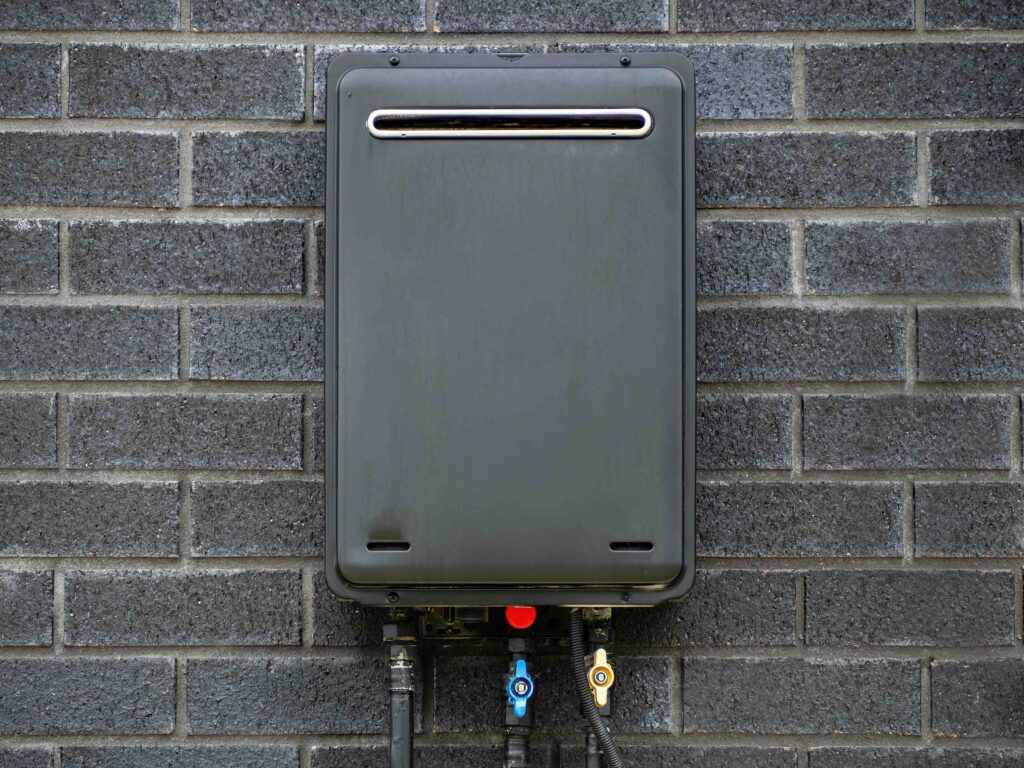
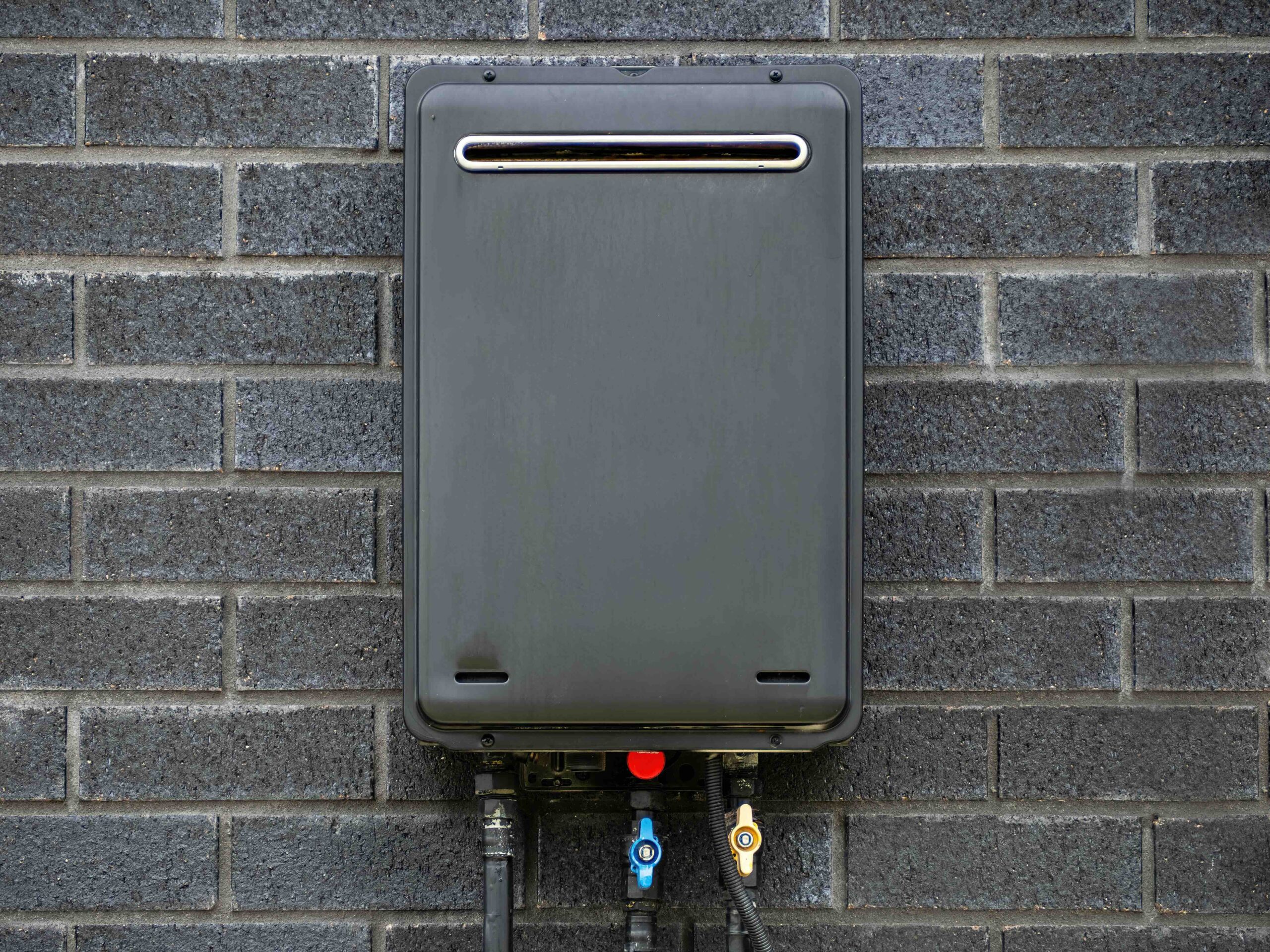
Most homes have a traditional storage tank water heater. It holds anywhere from 30 to 80 gallons of water and keeps it heated continuously so it is ready when you need it. Inside the tank, one or two heating elements, depending on whether it is electric, or a gas burner at the base handles the warming. A thermostat monitors the temperature and signals the heating source to kick on when the water cools. Tankless water heaters, on the other hand, heat water directly as it flows through the unit, which means no stored water and no standby heat loss. Both systems serve the same purpose but fail in different ways, which matters when you are troubleshooting a cold water situation.
Common Reasons You Are Not Getting Hot Water
There are several culprits worth checking before calling anyone out. The issue could be straightforward or a sign of more serious wear. Here are the most frequently seen causes:
- A tripped circuit breaker or blown fuse cutting power to the electric water heater
- A pilot light that has gone out on a gas-powered unit
- A failed thermostat that is no longer reading temperature accurately
- Burned out heating elements, which are the most common failure point in electric heaters
- Sediment buildup inside the tank that insulates water from the heat source
- A faulty gas valve or thermocouple on gas models
- A water heater that has simply reached the end of its useful life
Some of these are inexpensive fixes. Others signal that replacement is coming whether you want it to or not. Knowing the difference saves time and avoids throwing money at a unit that is already on its way out.
Signs Your Water Heater Is Failing, Not Just Acting Up
There is a difference between a water heater having a bad day and one that is genuinely failing. Age is the first thing to consider. Most traditional tank water heaters last between 8 and 12 years. If yours is in that range and losing hot water is becoming more frequent, it is probably not worth repairing multiple components. Other warning signs include rust-colored water coming from hot taps, a rumbling or popping noise during heating cycles, moisture or pooling water around the base of the unit, and water that heats inconsistently or runs out much faster than it used to. These are not quirks to ignore. They are the system telling you something meaningful.
Tank vs. Tankless: Which One Makes Sense for Your Home
If you are looking at a replacement anyway, this is the right time to weigh your options. Traditional tank heaters are less expensive upfront and are relatively straightforward to install and service. They work well for households with predictable hot water needs and are widely supported by plumbers and technicians everywhere. Tankless heaters cost more initially but deliver hot water on demand without the standby energy loss. They tend to last longer, often 20 years or more, and are more energy efficient over time. The tradeoff is that they can struggle to keep up during simultaneous high-demand use, like running a dishwasher while someone showers. Your household size, usage patterns, and budget should all factor into that decision.

What to Do Right Now If You Have No Hot Water
Before scheduling a service call, run through a few basic checks. For electric water heaters, go to your breaker panel and look for a tripped breaker labeled water heater. Reset it if it has tripped and wait about an hour to see if the water warms. For gas units, check whether the pilot light is lit. Most modern units have relighting instructions printed directly on the unit. Also check the thermostat setting on the water heater itself. It should typically be set between 120 and 140 degrees Fahrenheit. If none of these steps resolve the issue, the problem is internal and needs a qualified technician. Do not delay on this. A failing water heater can cause water damage if pressure builds unchecked.
How Sediment Buildup Silently Kills Water Heaters
Hard water areas accelerate one of the most overlooked causes of water heater failure. Minerals like calcium and magnesium settle at the bottom of the tank over time, forming a layer of sediment. That sediment acts as insulation between the heating element and the water, forcing the system to work harder and longer to reach temperature. You might notice longer wait times for hot water, a decrease in the amount of available hot water, or strange sounds during heating cycles. Flushing the tank annually is one of the simplest and most effective forms of water heater maintenance a homeowner can perform. It extends the life of the unit and keeps performance consistent.
The Real Cost of Ignoring Water Heater Problems
A minor issue left unaddressed has a way of becoming a major expense. A burned-out heating element that costs around $200 to repair can eventually lead to a full tank failure if ignored, which means emergency replacement costs that often run between $900 and $2,000 or more depending on unit type and labor. Beyond the unit itself, a leaking or burst water heater can damage flooring, walls, and anything stored nearby. Water damage restoration is expensive, time-consuming, and stressful. The pattern is the same every time. Routine awareness and timely action protect both your system and your home.
Maintenance Habits That Extend Water Heater Life
Staying ahead of water heater problems does not require expertise. A few consistent habits go a long way. Test the temperature and pressure relief valve once a year to confirm it is functioning properly. Flush the tank to remove sediment buildup. Check the anode rod every two to three years and replace it when it is more than 50 percent depleted, as it protects the tank from corrosion. Keep the area around the water heater clear of clutter, particularly for gas units that need proper airflow. If your unit is over a decade old, start budgeting for replacement proactively rather than waiting for a failure to force the decision.
Why Armadillo Is the Right Partner When Your Water Heater Fails
Water heater failures rarely happen at a convenient time, and the cost of unexpected repairs or replacements can genuinely throw off a household budget. That is where having the right home warranty coverage in place makes a real difference. Armadillo home warranty plans built for real homeowners are designed to cover the systems that matter most in your home, including water heaters, so you are never left paying out of pocket when something breaks down. No scrambling for a technician, no sticker shock on the invoice. Armadillo handles the coordination and the cost so you can focus on getting back to normal. If your water heater is aging or has already started showing signs of trouble, now is the time to act. Get a free home warranty quote that covers water heater repairs and replacement and see how affordable that kind of protection actually is. Armadillo is straightforward, responsive, and built around making home ownership less stressful. That is not a marketing line. It is the whole point.

Frequently Asked Questions About No Hot Water at Home
These are the questions homeowners ask most often when they are dealing with a hot water problem and trying to figure out what to do next.
Why did I suddenly have no hot water this morning?
Sudden loss of hot water is most often caused by a tripped breaker, an extinguished pilot light, or a failed heating element. Check your breaker panel first for electric units, or inspect the pilot light on gas-powered heaters before assuming the unit needs major repair.
How long should I wait for hot water to return after resetting the breaker?
After resetting the breaker on an electric water heater, give the unit 60 to 90 minutes to reheat a full tank. If water is still cold after that window, the heating element or thermostat may need professional attention.
Can a water heater run out of hot water and then recover on its own?
Yes. Tank water heaters have a recovery period after heavy use. If the tank was depleted, wait 30 to 60 minutes for a standard electric unit or 20 to 40 minutes for a gas unit to replenish heated water.
What does it mean when hot water runs out faster than it used to?
Faster depletion usually points to sediment buildup reducing usable tank capacity, a failing heating element, or a thermostat that is no longer calibrated correctly. All three are serviceable issues, though tank age should also be considered.
Is it safe to use a water heater that is making rumbling noises?
Rumbling or popping sounds are typically caused by sediment buildup and are not immediately dangerous, but they indicate the unit is working harder than it should and efficiency is declining. Flushing the tank or scheduling a professional inspection is the right move.
How much does it typically cost to repair a water heater?
Repair costs vary by issue. Replacing a heating element typically runs between $150 and $300 including labor. Thermostat replacements are similar. Full unit replacement, depending on type and size, generally ranges from $900 to over $2,000.
When should I replace my water heater instead of repairing it?
If the unit is more than 10 years old, has required multiple repairs recently, shows signs of rust or leaking, or the repair cost exceeds 50 percent of the replacement cost, replacement is almost always the smarter financial decision.
Does a home warranty cover water heater repairs and replacement?
Many home warranty plans do cover water heater repairs and replacement when failure is due to normal wear and tear. Coverage specifics vary by provider and plan, so reviewing what is included before a breakdown occurs is always worthwhile.
Can I prevent water heater failure with regular maintenance?
Yes, routine maintenance significantly extends water heater lifespan. Annual tank flushing, periodic anode rod inspection and replacement, and annual testing of the pressure relief valve are the three most impactful things a homeowner can do.
What is the average lifespan of a residential water heater?
Traditional tank water heaters typically last 8 to 12 years. Tankless units often last 15 to 20 years with proper maintenance. Water quality, usage volume, and maintenance habits all influence how long any unit will perform reliably.