
No Hot Water From Your Electric Water Heater? Here Is What Is Actually Going On
There are a handful of home problems that feel truly urgent the moment they happen. A cold shower in the middle of winter is definitely one of them. If your electric water heater has stopped producing hot water, you are probably already frustrated, and you deserve a straight answer about what is happening and what comes next. This guide breaks down the entire situation, from how electric water heaters work to why they fail, what you can do about it, and why having a home warranty in place changes the whole experience.
How an Electric Water Heater Actually Works
Electric water heaters are simpler than most people think. Cold water enters the tank through a dip tube at the top, gets pushed to the bottom, and then gets heated by one or two electric heating elements submerged inside the tank. A thermostat monitors the temperature and signals the elements to turn on or off as needed. Once the water reaches the set temperature, it sits in the insulated tank and stays ready for use. Most residential tanks hold between 40 and 80 gallons, and standard units run on a 240-volt dedicated circuit. The system is relatively mechanical, which means when something goes wrong, it is usually one of a small number of predictable culprits.
The Most Common Reasons You Have No Hot Water
When an electric water heater stops producing hot water entirely, the cause usually falls into one of several categories. Understanding each one helps you communicate more clearly with a technician and know what kind of repair you might be facing.
- Tripped circuit breaker: The unit may have lost power due to a tripped breaker in your electrical panel, which is often the first thing to check.
- Failed heating element: One or both of the heating elements may have burned out, which is one of the most common failures in electric units.
- Faulty thermostat: If the thermostat is not reading temperature correctly, it may not signal the heating element to activate at all.
- Sediment buildup: Mineral deposits can coat the heating elements over time, reducing efficiency and eventually causing total failure.
- Tripped reset button: There is a high-limit safety switch near the thermostat that can trip if the water gets too hot, cutting power to the element.
- Age and general wear: Units older than 10 to 12 years are simply more prone to failure across multiple components simultaneously.
What You Can Try Before Calling a Professional
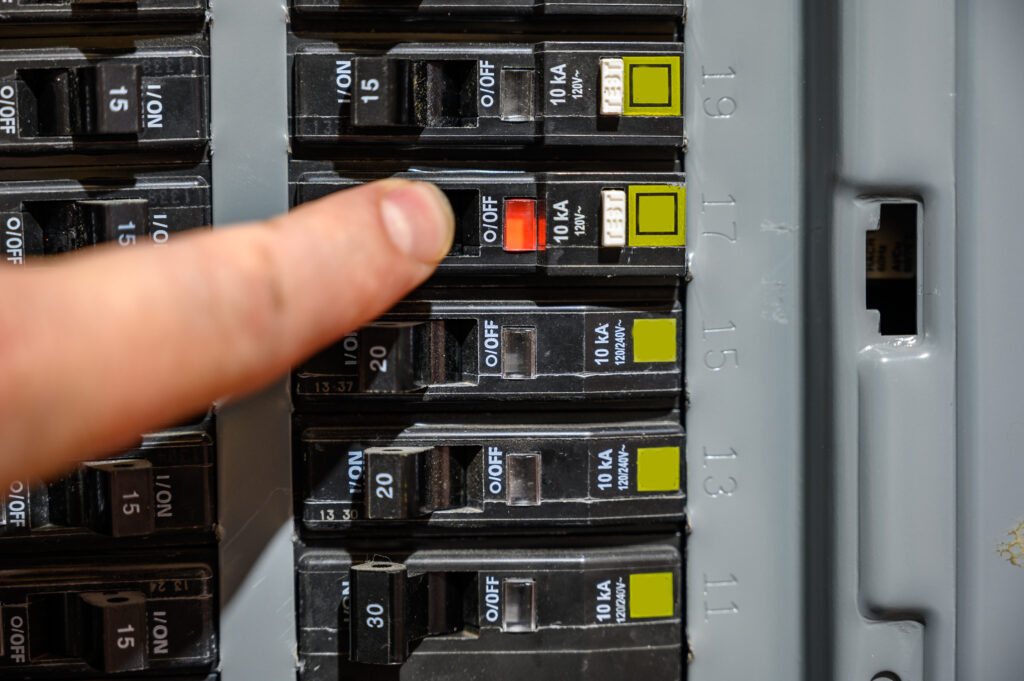
Before you schedule a service call, there are a few things worth checking yourself. First, head to your electrical panel and look for a tripped breaker. If the breaker tied to your water heater is in the middle position or clearly tripped, reset it and wait about an hour to see if hot water returns. Next, locate the access panel on the side of your water heater. Behind it, you will find the thermostat and possibly a red reset button. Press it firmly and see if that resolves the issue. These two steps cost nothing and sometimes solve the problem entirely. If neither works, the issue is almost certainly internal and will require a licensed technician to diagnose and repair safely.

The Advantages of Electric Water Heaters Worth Knowing
Despite the frustration of a breakdown, electric water heaters remain a solid and widely used option for a reason. They do not require a gas line or venting to the outside, which makes installation more flexible and generally less expensive upfront. They also eliminate the risk of gas leaks and carbon monoxide exposure, which matters to a lot of homeowners. Maintenance tends to be straightforward, and replacement parts like heating elements and thermostats are relatively affordable. When properly maintained, these units can last a decade or more without significant issues.
The Drawbacks You Should Factor Into Your Planning
No appliance is without trade-offs, and electric water heaters are no exception. They typically cost more to operate month-to-month compared to natural gas units because electricity rates tend to run higher than gas rates in most regions. Recovery time, meaning how quickly the tank reheats after the hot water supply is depleted, is also slower with electric models. And while the components are simple, a failed heating element or thermostat still requires a technician to safely repair. That combination of slower recovery, higher energy costs, and occasional repair needs is exactly why many homeowners think carefully about how they want to protect this appliance.
How Sediment Buildup Quietly Destroys Water Heater Performance
One of the most underappreciated causes of electric water heater problems is mineral sediment. Over time, naturally occurring calcium and magnesium in tap water settle at the bottom of the tank and coat the lower heating element. This acts as an insulating barrier, forcing the element to work harder and run longer to heat the same amount of water. The result is reduced efficiency, higher energy bills, and eventually, premature element failure. Flushing the tank once a year is a simple maintenance task that extends the life of the unit significantly and reduces the likelihood of a no-hot-water emergency. If sediment has already calcified around an element, replacement is typically the only fix.
When Repair Makes Sense Versus When Replacement Is the Better Call
The repair-versus-replace question is one homeowners face constantly, and water heaters are no different. If your unit is under eight years old and a single component has failed, repair is almost always the right call. A heating element replacement, for example, usually costs between $150 and $300 depending on your market. If the unit is approaching or past the ten-year mark and showing multiple symptoms, like inconsistent temperatures, strange noises, or visible corrosion around the base, replacement becomes the more financially sound decision. Putting money into repairs on an aging unit only delays the inevitable and risks a more dramatic failure, like a tank leak, down the road.
The Real Cost of an Electric Water Heater Failure Without a Plan
Homeowners who have not budgeted for a water heater repair or replacement often find themselves caught off guard by the total cost. A straightforward heating element repair might run a few hundred dollars. A full unit replacement, including the new tank, labor, and disposal of the old unit, can range from $800 to well over $1,500 depending on the tank size, brand, and local labor rates. That is not the kind of expense most people keep sitting around in an emergency fund. This is exactly where a home warranty becomes something more than just a nice-to-have. It becomes a financial buffer between you and a system failure that you had no way to predict.
Why Armadillo Should Be Your Home Warranty Partner for Water Heater Coverage
When your electric water heater fails and you are looking at a repair or replacement bill that was never part of your monthly budget, the last thing you want is to navigate a complicated claims process with a warranty company that is slow to respond or quick to deny. Armadillo was built differently, and that difference shows up most clearly when something breaks. Armadillo home warranty coverage for electric water heaters is designed to be straightforward, transparent, and genuinely useful when you need it most. There are no confusing exclusion pages buried in fine print and no runaround when a covered component fails. If you want to see exactly what protection would look like for your home, you can get a free home warranty quote for water heater and appliance protection in just a couple of minutes. Protecting your water heater is not about expecting the worst. It is about being ready for the reality that mechanical systems wear out, and having a plan in place before they do makes all the difference.
Frequently Asked Questions About No Hot Water From an Electric Water Heater
Why is my electric water heater not producing any hot water at all?
The most common reasons include a tripped circuit breaker, a failed heating element, a faulty thermostat, or a tripped high-limit reset switch. Start by checking your electrical panel and the reset button on the unit before calling a technician.
How long does it take for an electric water heater to heat up after being reset?
Most electric water heaters take between one and two hours to fully reheat a tank of cold water after a reset or power interruption. Smaller tanks may recover faster, while larger tanks can take longer.
Can a tripped breaker cause no hot water?
Yes. If the dedicated circuit breaker for your water heater has tripped, the unit will receive no power and will not heat water. Check your electrical panel and reset the breaker if it is in the tripped position.
How much does it cost to replace a heating element in an electric water heater?
Heating element replacement typically costs between $150 and $300 when performed by a licensed plumber, depending on your location, the element type, and labor rates in your area.
What is the average lifespan of an electric water heater?
Most electric water heaters last between 10 and 15 years with proper maintenance, including annual tank flushing and periodic anode rod inspection. Units older than 12 years showing performance issues are generally good candidates for replacement.
Is it safe to reset the electric water heater reset button myself?
Yes, pressing the reset button is generally safe for a homeowner to do. However, if the button trips repeatedly, that indicates an underlying issue that requires a professional diagnosis rather than repeated resets.
Does a home warranty cover electric water heater repairs?
Many home warranty plans cover electric water heater repairs, including heating elements and thermostats. Coverage details vary by provider and plan, so reviewing what is included before a failure occurs is always the better approach.
Why does my electric water heater make a popping or rumbling noise?
Popping or rumbling sounds typically indicate sediment buildup on the heating elements or at the bottom of the tank. Flushing the tank can help, but if the element is already coated with calcified sediment, replacement may be necessary.
How often should I flush my electric water heater?
Flushing your electric water heater once a year is a widely recommended maintenance practice. It removes accumulated sediment, improves efficiency, and extends the overall life of the unit.
Should I repair or replace my electric water heater?
If the unit is under eight years old and a single component has failed, repair is usually the cost-effective choice. If the unit is older than ten years or experiencing multiple issues, replacement is typically the smarter long-term investment.