No Hot Water? Understanding Your Electric Water Heater (And What to Do About It)
Few things are more frustrating than turning on the shower only to be met with freezing water. If you’re grappling with no hot water and own an electric water heater, the problem might be simpler—or more complex—than it seems. Before assumptions lead to unnecessary replacements or ineffective repairs, it’s vital to understand how an electric water heater functions, what can go wrong, and how a home warranty can offer some peace of mind when things do. Let’s break down the essentials of your electric water heater so you can decide the best next step in keeping your home running smoothly.
What Is an Electric Water Heater and How Does It Work?
An electric water heater is a common household appliance designed to provide a continuous supply of hot water for bathing, washing, and everyday household use. Unlike gas-powered models, electric units rely exclusively on electricity to heat water stored inside a tank. The system is relatively simple: cold water enters the tank where it is heated by one or two electric elements. A thermostat monitors the water temperature and activates the heating elements when needed to maintain the pre-set level. When hot water is drawn from the top of the tank, more cold water enters the bottom, ready to begin the process again.
Advantages of Electric Water Heaters
Homeowners often choose electric water heaters because of their installation flexibility and lower upfront costs. They do not require gas connections, which can be a major advantage in homes without an existing natural gas supply. Electric models are also generally more compact, making them suitable for tighter spaces such as closets or utility rooms. Maintenance tends to be straightforward with fewer combustible risks, making them safer in certain residential applications. Lastly, electricity is widely available, and in some regions, it may even be the more cost-effective energy source over time, particularly if paired with renewable energy systems like solar panels.
Common Reasons You Might Have No Hot Water
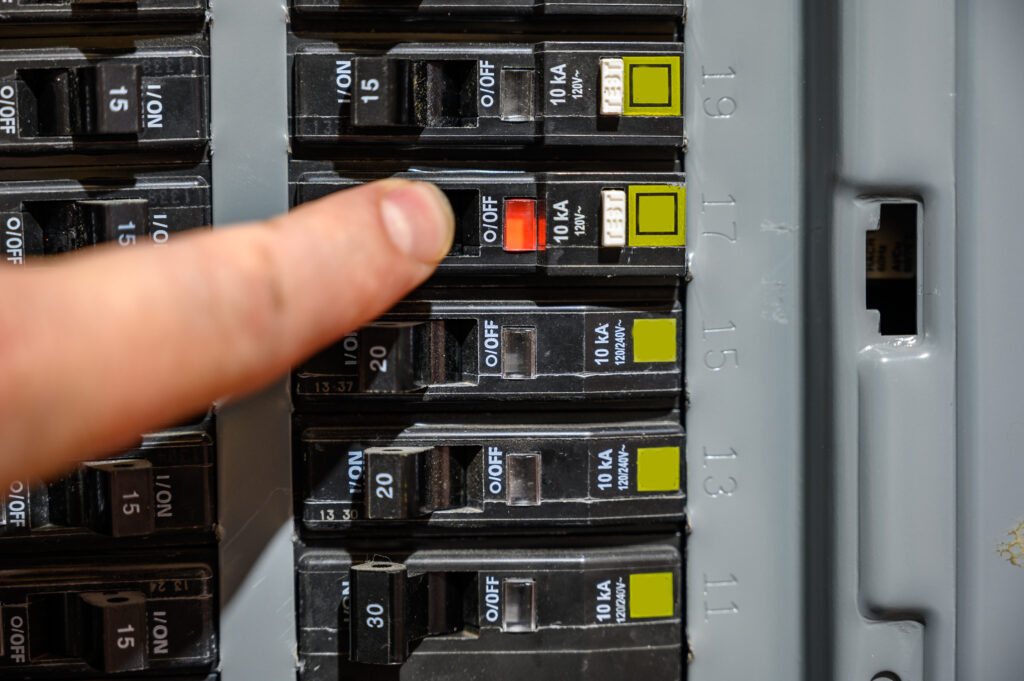
If your electric water heater suddenly stops producing hot water, several potential culprits could be at play. One of the most frequent issues is a tripped circuit breaker or blown fuse. Electric water heaters draw significant current and any anomaly can cause the electrical system to cut off power for safety. Alternatively, the heating elements themselves may have failed after years of regular use, especially if the tank has never been flushed to remove sediment buildup. Thermostat malfunctions can also misread the tank’s temperature, preventing the elements from activating. Occasionally, the issue may lie outside the unit, like a disconnected or damaged power wire. It’s worth visually inspecting the unit but never attempt internal repairs without proper electrical expertise—doing so poses serious shock or fire hazards.
Disadvantages of Electric Water Heaters
While electric water heaters provide reliable service for many homes, they are not without drawbacks. The main limitation is recovery time. Compared to gas heaters, electric units generally take longer to heat a full tank of water, meaning families with higher hot water consumption may face delays between showers, laundry loads, and dishwasher cycles. Additionally, in areas where electricity rates are high, operational costs can surpass those of gas systems over time. They are also dependent on the grid; during power outages, an electric water heater will not operate at all unless supported by a backup generator or battery system. This complete dependency on electricity can be a critical shortcoming in storm-prone or remote areas where service is less reliable.
Maintenance Tips to Extend the Life of Your Electric Water Heater
Regular maintenance goes a long way in preventing “no hot water” surprises. One of the most effective but commonly overlooked tasks is flushing the water heater once or twice a year. This removes accumulated minerals or sediment that settle at the bottom of the tank, reducing efficiency and potentially damaging the heating elements. Also, check the pressure relief valve periodically to ensure it releases water properly. Inspect wiring for signs of wear or damage, and make sure the thermostat settings haven’t been inadvertently changed. Most manufacturers recommend 120 degrees Fahrenheit for safety and energy efficiency. If your heater is over 10 years old, more frequent checks may be necessary, as key components will start to show natural wear regardless of maintenance efforts.
When to Repair vs. Replace Your Water Heater
If a single component like a thermostat or heating element fails, a repair may be a cost-effective solution—especially if the unit is under 7 to 8 years old. However, if you’re repeatedly facing more than one issue, enduring long recovery times, or noticing rust-colored water, these may be signs the tank is corroding internally. In that case, replacing the whole unit might be the smarter long-term investment. Consider also the cumulative energy costs. An older unit often uses more electricity to produce the same amount of hot water when compared to newer, more efficient models. Before deciding, evaluate the cost of parts and labor against the potential energy savings and reliability of a new model. Many homeowners overlook that upgrading to a more energy-efficient unit can significantly lower utility bills across the year.
How a Home Warranty Saves Time, Money, and Stress
Dealing with a water heater failure can be both inconvenient and costly, especially when problems arise unexpectedly. A well-structured home warranty from a trusted provider like Armadillo can mitigate this by covering repair or replacement costs of key systems, including electric water heaters. Instead of scrambling to diagnose and find a reliable technician yourself, a home warranty saves you the uncertainty. Simply submit a claim, and qualified professionals are dispatched—often at a fraction of what an independent repair appointment would cost. This is particularly helpful if you’re in the awkward limbo of deciding whether to repair or replace your system. With Armadillo, you’ll receive clear guidance and fast action. Learn more about how a home warranty can protect your water heater and the rest of your home systems by visiting armadillo.one or begin customizing your protection plan today by starting here: sign up process.