No Hot Water? Here Is What Is Actually Happening Inside Your Water Heater
You turn on the faucet, wait a few seconds, and nothing but cold water comes out. That moment of dread is something most homeowners know well. No hot water is not just an inconvenience — it is a signal that something in your water heater system has broken down or is close to it. Understanding why this happens, and what it means for your home, can save you time, money, and a lot of frustration. This guide walks you through the full picture, from how your water heater actually works to what tends to go wrong and how to think about protecting yourself when it does.
How Your Water Heater Works in the First Place
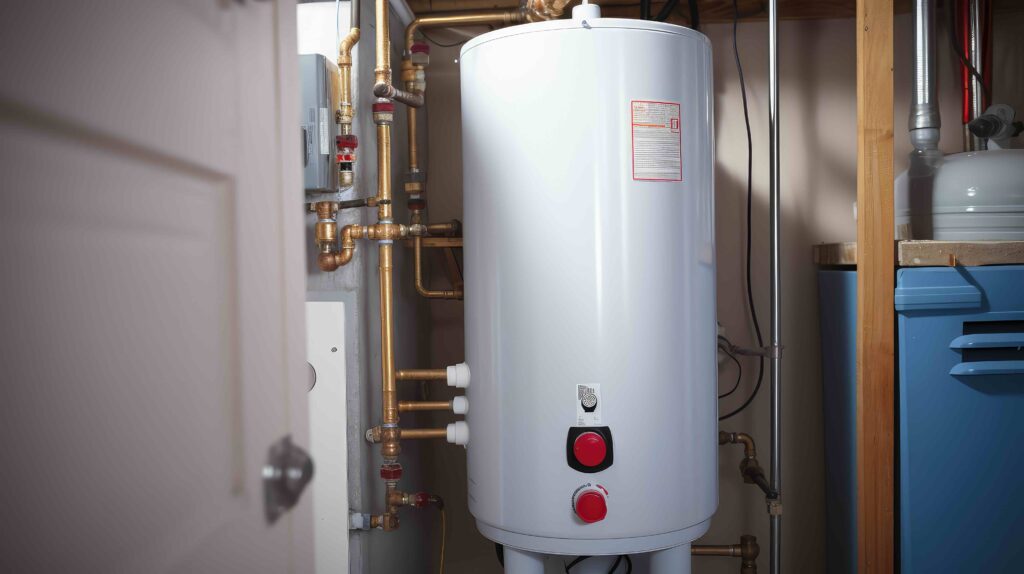
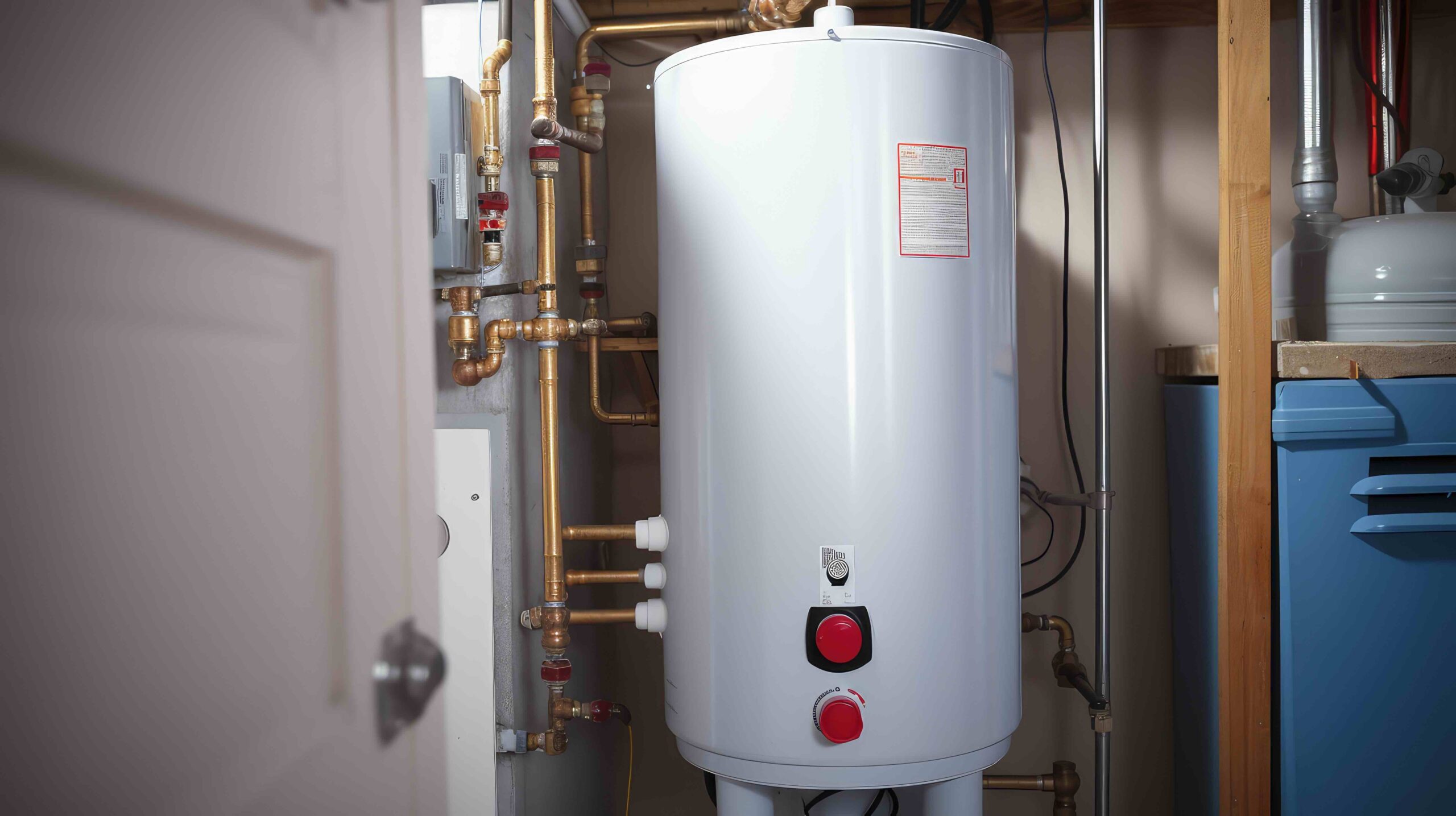
Most homes use either a traditional tank-style water heater or a tankless unit. The tank-style version, which is what you will find in the majority of homes, stores a set volume of water — usually between 30 and 80 gallons — and keeps it heated to a set temperature using either a gas burner or electric heating elements. When you open a hot water tap anywhere in the house, heated water exits the tank and cold water enters from the bottom to be heated next. Tankless water heaters, on the other hand, heat water on demand using high-powered burners or coils, meaning there is no storage tank. Both systems have their strengths, and both can leave you without hot water when something goes wrong.
The Most Common Reasons There Is No Hot Water
There is a fairly predictable list of culprits when hot water suddenly disappears. Knowing what is on that list helps you communicate more clearly with a technician and understand whether you are looking at a simple repair or something more significant.
- A failed heating element is one of the most frequent causes in electric water heaters. These elements degrade over time, and when one goes, you may still get lukewarm water — when both fail, you get nothing.
- A faulty thermostat can cause the water heater to stop heating even when the heating elements are functional. The thermostat controls when and how much heat is applied, so if it malfunctions, the signal never reaches the element.
- A tripped circuit breaker or blown fuse cuts power to electric units entirely. This one is easy to overlook because it does not feel like a water heater problem at first.
- A pilot light that has gone out is the classic gas water heater issue. No pilot light means no ignition, which means no heat.
- A failing gas valve can prevent the burner from receiving fuel, leaving the tank unable to heat even when everything else is working.
- Sediment buildup at the bottom of the tank can insulate water from the heat source, reducing efficiency and eventually causing the system to stop heating effectively.
- An expired water heater is worth mentioning — most units have a lifespan of 8 to 12 years, and once they pass that threshold, problems compound quickly.
What Sediment Buildup Actually Does to Your System
This one deserves more attention than it typically gets. Over time, minerals from your water supply — particularly calcium and magnesium — settle at the bottom of the tank. As that layer thickens, it acts as a barrier between the burner and the water, forcing the system to work harder and longer to reach the target temperature. The result is reduced efficiency, higher energy bills, unusual popping or rumbling sounds coming from the tank, and eventually a situation where the water simply does not get hot enough. Flushing the tank annually can slow this process significantly. Most manufacturers recommend it, and most homeowners skip it.

How to Troubleshoot Before Calling a Pro
Not every no-hot-water situation requires an immediate service call. There are a few quick checks any homeowner can do before picking up the phone. Start with the circuit breaker if you have an electric unit — if the breaker has tripped, reset it and wait an hour to see if the water heats. For gas units, check whether the pilot light is lit. Most modern water heaters have relight instructions printed directly on the unit. If the pilot will not stay lit after multiple attempts, that usually points to a thermocouple issue, which is a relatively inexpensive repair. Also check the temperature setting on the thermostat — it should be between 120 and 140 degrees Fahrenheit for most households. If none of these steps resolve the issue, it is time to call a licensed plumber or HVAC technician.
Tank vs. Tankless: Does It Change the Diagnosis?
The symptoms of no hot water are similar regardless of the type of water heater you have, but the underlying cause can differ. Tankless units are more sensitive to flow rate issues — if the water flow is too low, some models will not activate the heating sequence at all. They are also more vulnerable to scale buildup inside the heat exchanger, which can reduce output significantly. Electric tankless units are power-hungry and sometimes installed on circuits that cannot handle the load, leading to tripped breakers or insufficient heating. Gas tankless units depend on consistent gas pressure, and any fluctuation can disrupt performance. The diagnostic process for tankless systems is generally more technical and often requires a certified technician.
When Repair Makes Sense and When Replacement Does Not
Age matters a lot here. If your water heater is under seven years old and a single component has failed, repair is almost always the right call. Replacing a heating element, thermostat, or thermocouple is relatively affordable and can extend the life of the unit by several years. If your unit is approaching or past the ten-year mark and you are seeing multiple failures, the math starts to shift. Repairs on an aging unit tend to stack up quickly, and a new water heater may actually cost less over a two-to-three-year window than continual repairs on an old one. Energy efficiency is another consideration — newer units, particularly heat pump water heaters, are significantly more efficient than units manufactured a decade ago.
The Cost Reality of Water Heater Repairs
Water heater repairs span a wide range depending on what has failed and the type of unit involved. A simple thermostat replacement on a standard electric tank unit might run between $150 and $300 including labor. Replacing a heating element is in a similar range. A gas valve replacement can climb toward $400 to $600. If the tank itself is leaking or the unit needs full replacement, costs can range from $1,000 to over $2,500 depending on the type and size of the unit selected. Emergency service calls outside of business hours add to that total quickly. These are not small numbers, and they rarely come at a convenient time.
Preventive Maintenance That Actually Makes a Difference
Routine maintenance is one of the most underutilized tools homeowners have. Flushing the tank once a year removes sediment before it becomes a performance problem. Testing the pressure relief valve annually ensures the safety mechanism that prevents dangerous pressure buildup is still functional. Inspecting the anode rod — a sacrificial metal rod inside the tank that prevents corrosion — every three to four years and replacing it when it is heavily depleted can significantly extend the life of the tank itself. Keeping the area around the water heater clear and ensuring proper ventilation for gas units rounds out a simple but effective maintenance routine that most homeowners can manage without professional help.
Why a Home Warranty Is Worth Thinking About Right Now
Water heater failures are among the most common and most expensive claims homeowners face, and they rarely come with advance notice. One morning everything is fine, and the next you are staring at a cold shower and an unexpected repair bill. That is exactly the kind of situation a home warranty is built for. Armadillo home warranty coverage for water heaters and major home systems is designed to step in when things break down, covering the cost of covered repairs or replacements so you are not absorbing that expense out of pocket. Armadillo keeps things straightforward — no confusing fine print, no runaround when you need service. If you have been putting off thinking about coverage, a water heater failure is a very concrete reason to reconsider. You can get a free home warranty quote to protect your water heater and home systems in minutes and know exactly what you are covered for before something goes wrong.

Frequently Asked Questions About No Hot Water in Your Home
These are the questions homeowners ask most often when dealing with a water heater that has stopped producing hot water.
Why is there no hot water in my house suddenly?
Sudden loss of hot water is most commonly caused by a tripped breaker, a failed heating element, an extinguished pilot light, or a faulty thermostat. The cause depends on whether you have an electric or gas unit, and most issues can be diagnosed by a licensed technician quickly.
How long does it take for a water heater to heat up after it loses power?
A standard electric tank water heater typically takes between 60 and 90 minutes to fully reheat after power is restored. Gas units generally reheat faster, often within 30 to 40 minutes, depending on tank size and incoming water temperature.
Can a water heater stop working without leaking?
Yes. Many water heater failures involve internal component issues — such as a burnt-out heating element or failed thermostat — that cause the unit to stop producing hot water without any visible leaks or external damage.
How do I know if my water heater thermostat is bad?
If your water heater is running but producing only lukewarm or inconsistently hot water, a failing thermostat is a likely cause. A technician can test the thermostat with a multimeter to confirm whether it is functioning within the correct range.
Is no hot water a plumbing emergency?
While not a safety emergency in most cases, no hot water is considered an urgent repair situation. If the loss of hot water is accompanied by a gas smell, water pooling around the unit, or unusual sounds, contact a professional immediately as those signs can indicate a more serious hazard.
How often should a water heater be flushed?
Most manufacturers and plumbing professionals recommend flushing a tank-style water heater at least once per year. Homes with hard water may benefit from flushing every six months to control sediment buildup more aggressively.
What is the average lifespan of a residential water heater?
Traditional tank water heaters typically last between 8 and 12 years. Tankless water heaters tend to have a longer lifespan, often 15 to 20 years, though both types depend heavily on maintenance habits and water quality.
Does a home warranty cover water heater repairs?
Many home warranty plans do cover water heater repairs and replacements, including mechanical failures of covered components. Coverage details vary by provider, so reviewing the specific terms of any plan before purchasing is important.
Can I replace a water heater myself?
While some homeowners with plumbing experience attempt DIY water heater replacement, it is generally not recommended. Improper installation can void warranties, create safety hazards with gas lines or electrical connections, and may violate local building codes that require permitted work.
What size water heater does my home need?
Water heater sizing depends on household size and peak demand. A general guideline suggests 30 to 40 gallons for one to two people, 40 to 50 gallons for three to four people, and 50 to 80 gallons for larger households. A plumbing professional can provide a more precise recommendation based on your specific usage patterns.