What Is an On Demand Water Heater and Why Are Homeowners Making the Switch?
If you have ever stood in a cold shower waiting for the water to warm up, or run out of hot water mid-wash during a busy household morning, you already understand the core frustration that on demand water heaters were designed to solve. Also called tankless water heaters, these systems heat water directly as it flows through the unit rather than storing a large tank of pre-heated water. The result is a continuous supply of hot water that arrives when you need it, not whenever a storage tank decides it is ready. For homeowners evaluating upgrades, energy costs, and long-term home value, understanding how this technology works is worth the time investment.
How Does a Tankless Water Heater Actually Work?
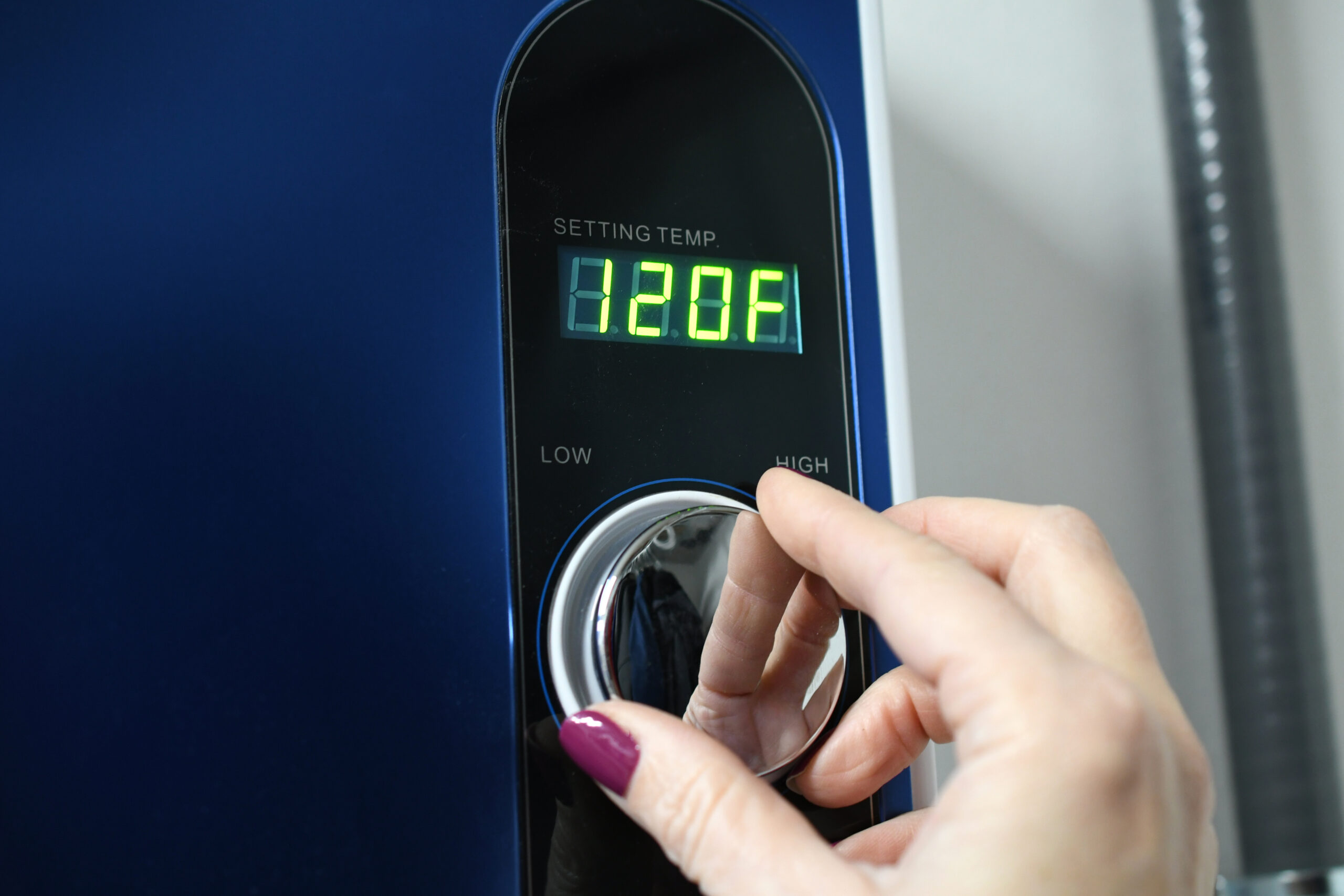
The mechanics behind tankless systems are more straightforward than the name might suggest. When you turn on a hot water tap anywhere in the house, cold water travels through a pipe into the unit. Inside, either a gas burner or an electric heating element activates almost instantly and raises the water temperature to your preset level before it exits the tap. There is no storage involved, no pilot flame keeping 40 to 80 gallons warm around the clock, and no recovery time needed between uses. Most units can deliver between two and five gallons of hot water per minute depending on the model and fuel type, which is plenty for the average household fixture or appliance running independently.
Gas vs. Electric Tankless Water Heaters: What Is the Difference?
Choosing between a gas and electric tankless model is one of the first decisions homeowners face, and it has real implications for performance, installation costs, and ongoing utility bills. Gas-powered units, whether natural gas or propane, tend to produce higher flow rates and are often better suited for larger homes with multiple simultaneous hot water demands. Electric tankless heaters are generally more affordable upfront and easier to install since they do not require venting, but they can place a significant load on your home’s electrical panel, sometimes requiring an upgrade. Climate also matters here. In colder regions, incoming groundwater temperatures are lower, which means the unit has to work harder to hit your target temperature. Factor all of this in before committing.

The Real Advantages of Going Tankless
The benefits of on demand water heaters are well documented, and for good reason. Homeowners who make the switch often cite energy savings as the most immediate and measurable advantage. Because the unit only activates when hot water is needed, you eliminate the standby heat loss that traditional tank heaters experience continuously. The U.S. Department of Energy estimates that tankless systems can be 24 to 34 percent more energy efficient than conventional storage water heaters in homes that use a moderate amount of hot water. Beyond efficiency, the space savings are notable. A tankless unit typically mounts to a wall and takes up a fraction of the square footage that a traditional 50-gallon tank demands. Lifespan is another significant factor, with most tankless models rated to last 20 years or more compared to the 10 to 15-year average of storage tank models.
Common Drawbacks You Should Know Before Buying
It would not be a complete picture without an honest look at the limitations. The upfront cost of a tankless water heater is meaningfully higher than a traditional unit. Equipment and installation combined can run anywhere from $1,000 to $3,500 or more depending on fuel type, home layout, and local labor rates. There is also the issue of flow rate constraints. If multiple high-demand fixtures run simultaneously, such as a dishwasher, washing machine, and shower all at once, some units may struggle to maintain temperature consistency. Whole-home systems sized appropriately for the demand can address this, but proper sizing requires professional assessment. Retrofitting a gas unit also often involves installing new venting, which adds cost and complexity to an older home.
Maintenance Requirements for On Demand Water Heaters
Tankless water heaters are lower maintenance than their tank counterparts, but they are not maintenance-free. Understanding what the system needs on a routine basis will help you protect the investment and avoid preventable repairs.
- Descaling and flushing: In areas with hard water, mineral deposits can accumulate inside the heat exchanger over time. Annual flushing with a descaling solution keeps water flowing cleanly and prevents efficiency loss.
- Filter cleaning: Many units include an inline filter screen that catches sediment before it enters the heat exchanger. Checking and cleaning this filter every few months is a quick but important task.
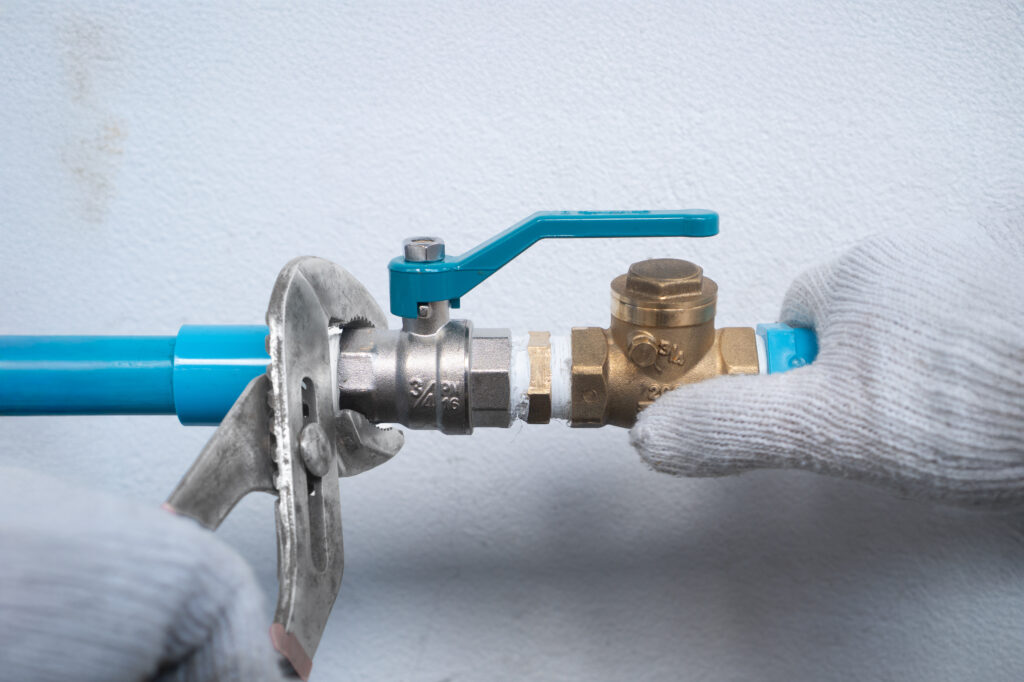
- Inlet and outlet connections: Inspect these periodically for signs of corrosion or slow leaks that could worsen if left unaddressed.
- Venting inspection: For gas units, confirm that the venting system remains clear, properly sealed, and free of obstruction at least once per year.
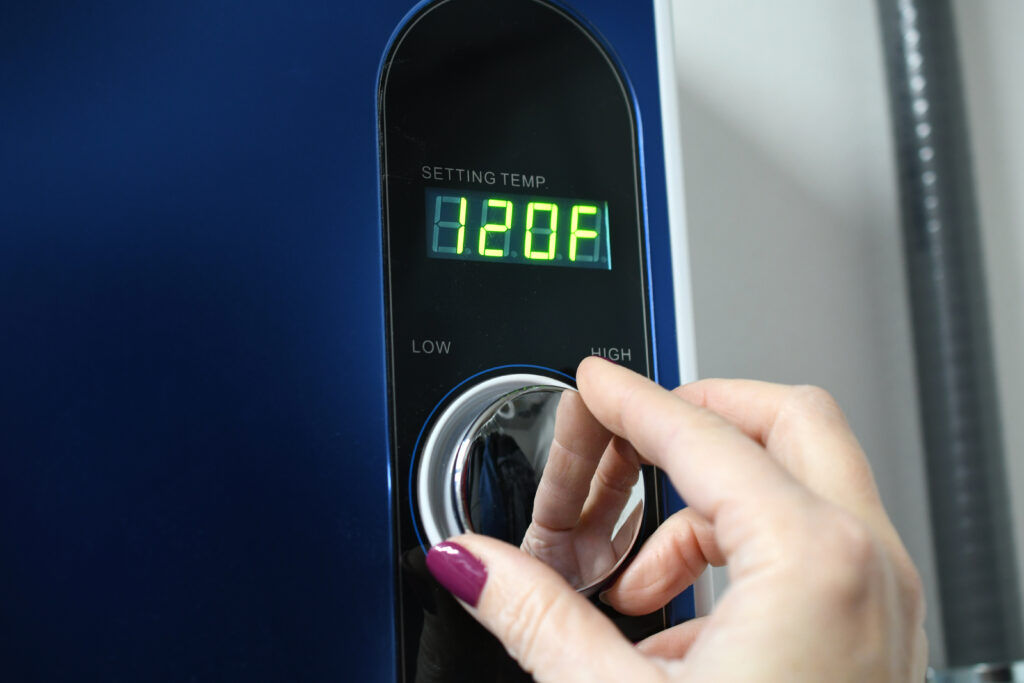
- Error code monitoring: Most modern units have a digital display that flags performance issues early. Familiarize yourself with your model’s error codes so you can respond quickly.
Signs Your Tankless Water Heater May Need Professional Attention
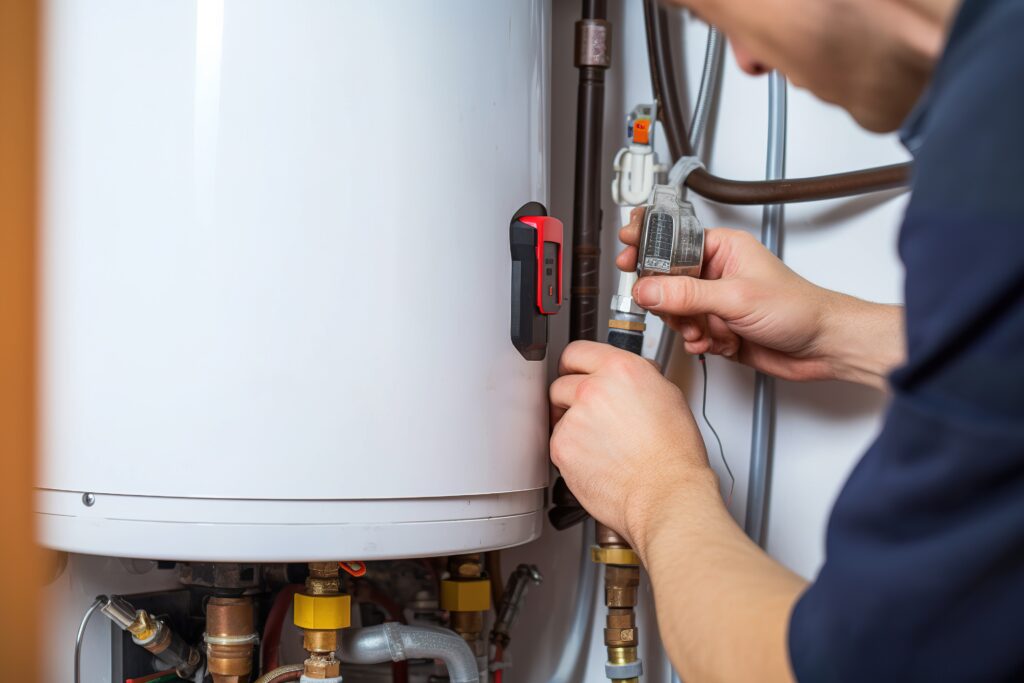
Even well-maintained systems develop issues over time. Knowing when to call a professional rather than attempting a fix yourself is part of responsible homeownership. Inconsistent water temperature, especially when demand has not changed, is one of the more common early indicators of a component issue. A unit that takes significantly longer to deliver hot water than it once did, or one that shuts off mid-use, often signals a flow sensor or ignition problem. Visible water around the unit or connections is never something to dismiss, and any error codes that persist after a reset should prompt a service call. Addressing these early tends to keep repair costs manageable.
How Home Warranties Factor Into Tankless Water Heater Ownership
One aspect of tankless water heater ownership that does not always get enough attention is the financial exposure that comes with a repair or replacement need. While these systems are durable, individual components such as heat exchangers, igniters, thermostats, and control boards can and do fail. Repair costs for tankless units are often higher than those for traditional systems simply because the parts are more specialized and the labor requires a technician who knows the technology. A home warranty that covers on demand water heaters can close that gap meaningfully by limiting your out-of-pocket exposure when something goes wrong outside of routine wear. Not all home warranties treat tankless systems the same way, so reviewing coverage details carefully before selecting a plan is important.
Why Armadillo Is Worth Considering for On Demand Water Heater Coverage
When a tankless water heater breaks down unexpectedly, the last thing you want is to discover that your protection plan has a list of exclusions longer than the coverage itself. Armadillo was built to provide homeowners with straightforward, honest home warranty coverage that actually delivers when it matters. As a trusted name in home warranty coverage for tankless and on demand water heater systems, Armadillo offers plans designed around real homeowner needs, not complicated fine print. The process of understanding your options and getting protected should not feel like a second job, which is why the experience is intentionally clear and accessible. If you are ready to stop worrying about what a repair bill might look like and start feeling confident about your home, you can get a free home warranty quote for your tankless water heater today and see exactly what protection looks like for your home.

Frequently Asked Questions About On Demand Water Heaters
Answers to the most common questions homeowners have about tankless water heater systems, costs, maintenance, and coverage.
How long does a tankless water heater typically last?
Most tankless water heaters are designed to last between 15 and 20 years with proper maintenance, which is significantly longer than the 10 to 15-year average lifespan of a traditional storage tank water heater.
Is a tankless water heater worth the higher upfront cost?
For most homeowners, yes. The energy savings over time, extended lifespan, and elimination of standby heat loss generally offset the higher initial investment, particularly in households with moderate to high hot water usage.
Can a tankless water heater run out of hot water?
A properly sized tankless unit will not run out of hot water the way a storage tank can, because it heats water on demand. However, if simultaneous demand exceeds the unit’s flow rate capacity, temperature output may drop.
How often should a tankless water heater be serviced?
Annual professional servicing is recommended for most tankless units. In areas with hard water, descaling may be needed more frequently, sometimes every six months, to prevent mineral buildup inside the heat exchanger.
Does a tankless water heater require a bigger gas line?
Gas tankless water heaters typically require a larger gas supply line than traditional storage units because they need to fire at high intensity to heat water quickly. A licensed plumber or technician should assess your existing gas line before installation.
Will a home warranty cover my tankless water heater?
Coverage varies by provider and plan. Some home warranty companies cover tankless water heaters under standard appliance or system coverage, while others treat them differently. Always review the specific terms of your plan to confirm what is and is not included.
What causes a tankless water heater to stop producing hot water?
Common causes include a tripped error code, a clogged filter, ignition failure in gas models, a tripped circuit breaker in electric models, or significant mineral buildup restricting flow through the heat exchanger.
Can I install a tankless water heater myself?
It is not recommended. Tankless water heater installation typically involves gas line or high-voltage electrical work, venting modifications, and code compliance requirements that make professional installation both safer and legally necessary in most jurisdictions.
What is the best way to extend the life of a tankless water heater?
Annual descaling flushes, routine filter cleaning, regular inspection of connections and venting, and prompt attention to any error codes or performance changes are the most effective practices for maximizing the lifespan of a tankless unit.
Does hard water damage a tankless water heater?
Yes, hard water accelerates mineral scale buildup inside the heat exchanger, which reduces efficiency and can lead to premature component failure. Installing a water softener or whole-home filtration system can significantly reduce this risk over time.