Ceiling Fan Direction in Summer: What Homeowners Need to Know
A ceiling fan is more than an aesthetic upgrade or a subtle breeze-maker—it’s a quietly powerful system that can contribute to better energy efficiency and year-round comfort, especially in summer. But understanding how ceiling fan direction works, and why it matters, is something often overlooked by homeowners. What might feel like a small decision—clockwise or counterclockwise—has significant implications for your home’s temperature control and energy usage. This article explores the mechanics behind fan direction, its key benefits and potential drawbacks, and how to make it work with your home systems throughout the year. If you’re looking to reduce wear on your HVAC system and get smarter about climate control, you’re in the right place.
Understanding How Ceiling Fan Direction Works
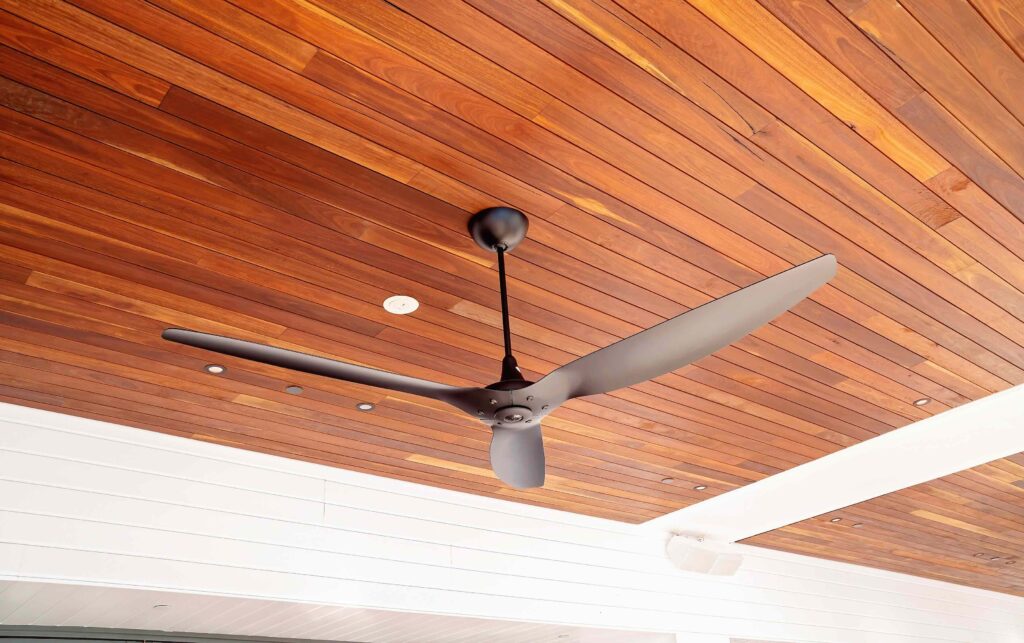
Ceiling fans do not cool the air in the same way air conditioners do. Instead, they move air in different directions to affect how hot or cold the air feels. In summer, fans should spin counterclockwise. This direction pushes air downward, creating a wind-chill effect that makes the room feel cooler. It’s a simple principle of physics: moving air over skin helps evaporate moisture more quickly, which gives the sensation of lower body temperature.
When your fan spins in the counterclockwise direction at a higher speed, the angled blades push cool air down. In contrast, spinning clockwise at a low speed during winter pulls cool air upward and redistributes the rising warm air near the ceiling, gently pushing it back down the walls. But right now, we’re focused on the summer setting—counterclockwise is your key strategy for cooling within an energy-efficient home.
The Science Behind the Wind-Chill Effect
Air movement tricks the body into feeling cooler than the actual temperature. The wind-chill effect is commonly used in weather forecasts, but it applies inside the home just as much. By increasing airflow across your skin, ceiling fans help sweat evaporate more quickly, and that’s what makes us feel cooler. That sensation can allow you to increase your thermostat setting by 4 to 6 degrees without sacrificing comfort. For homes with central air or ductless mini-splits, this secondary airflow improves climate management in rooms where cooling sometimes struggles to reach evenly.
In practice, using your ceiling fan correctly during summer reduces strain on your air conditioning system. That decreased reliance lowers your utility bills and can extend the lifespan of your HVAC unit, which is a critical piece covered under many home warranty protection plans. Understanding airflow direction is part of operating your cooling system at its peak potential.
How to Check and Change Your Fan’s Direction
Most ceiling fans come with a small switch on the motor housing—often located just above the blades. Slide or flip this switch while the fan is off. In summer, you want the blades to spin in a counterclockwise direction when viewed from below. If you’re unsure what that looks like, stand below your fan, turn it on, and observe the blade rotation. You should feel a strong breeze directly beneath it. If instead you feel little to no airflow, or if the air seems to be pulled upward, your fan is likely set to its winter mode.
Newer smart fans may allow users to control rotation via remote controls or integrated apps. Regardless of your fan’s age, checking its rotation seasonally is a smart upkeep habit. Homeowners often overlook this task, resulting in fans working against their cooling efforts instead of with them.
Key Advantages of Using the Correct Fan Direction
Optimizing ceiling fan direction for summer comes with both immediate and long-term benefits. First, the cooling effect helps reduce ambient temperature perceptions, meaning your air conditioning doesn’t need to run as often or as intensely. This translates to noticeable energy savings, especially in regions with sustained summer heat. Additionally, this decreased dependency reduces operational stress on your HVAC system, which is one of the most heavily used and costly appliances in your home.
The fan also promotes better air distribution. Rooms with high ceilings, poor insulation, or awkward layouts often suffer from uneven cooling. Ceiling fan movement circulates conditioned air more evenly, improving comfort throughout larger spaces or upper-level rooms that retain heat longer. Lastly, ceiling fans can be aesthetically pleasing fixtures, available in styles that enhance your home decor while playing a critical performance role.
Common Drawbacks and When Fans Are Not Enough
There are some limitations. A ceiling fan does not lower the temperature in a room—it simply makes occupants feel cooler through airflow. As such, leaving a fan running in an empty room adds to your electricity usage without any real benefit. Additionally, if your ceiling fan is mounted improperly, or if its blades are too short for the room size, you may not get the optimal airflow needed for noticeable improvement.
Some homes still rely solely on ceiling fans in warmer seasons due to outdated or undersized HVAC systems. While fans can help, they are not a substitute for air conditioning. Moisture-heavy climates will still require some form of dehumidification to keep indoor comfort levels manageable. In those cases, a fan complements but cannot replace the role of a strong, well-maintained air conditioning unit—exactly the type of system covered under a good home warranty protection plan.
Ceiling Fans and Home Warranty Considerations
Ceiling fans fall under the category of built-in electrical fixtures in most home warranty plans, whereas air conditioning systems are considered major appliances. While switching fan direction is a homeowner responsibility, damage caused by motor failure or improper wiring might be covered by your home warranty. Similarly, if increased use of ceiling fans allows your HVAC system to avoid overuse, you’re indirectly protecting that larger system.
Homeowners frequently underestimate the compounding impact of minor household habits. A properly adjusted ceiling fan in every frequently used room can take noticeable pressure off your cooling system over time. This means fewer unexpected repair needs, fewer calls for emergency AC servicing on the hottest day of the year, and a smoother experience managing both indoor comfort and maintenance costs. It all links together.
Smart Fan Integration and Energy Management
Today’s fans do more than spin blades. Smart fans equipped with remote sensors, motion detectors, or mobile app integration offer enhanced energy management. These systems can adjust their speed and direction automatically based on room temperature or occupancy, ensuring optimal cooling only when needed. Some integrate directly with smart thermostats, allowing users to manage air conditioning functions alongside fan control within a unified platform.
For tech-savvy homeowners committed to sustainability or just streamlined control, these fans provide a seamless way to reduce household energy usage. While these options come at a higher upfront cost, the return in reduced operating costs and convenience often makes them worth considering. And just like with traditional units, mechanical failures on smart devices may still fall under qualifying home warranty coverage depending on plan specifics.
Protect Your Cooling Systems with Armadillo
Ceiling fans are subtle disruptors in energy management, but they’re just one part of a much larger home ecosystem. As you move through summer season after season, wear and tear on your HVAC system becomes inevitable—even more so if you’re pushing your air conditioner to pick up the fan’s slack. This is where a home warranty can protect the essential systems you rely on every day. At Armadillo, we make it simple to cover critical home systems, including central air and built-in electrical fixtures, with flexible, reliable protection plans. Ready to protect your cooling system and gain peace of mind? Start building your customized plan today at armadillo.one/plan-builder.