Ceiling Fan Direction in Winter: A Simple Shift with Substantial Comfort Gains
Ceiling fans may seem like a warm-weather luxury, but a simple change in spin direction can transform them into a powerful tool for winter efficiency. For many homeowners, the seasonal flip of a fan’s direction is overlooked or misunderstood, yet it plays a critical role in maximizing comfort and minimizing energy costs during colder months. When set correctly, ceiling fans redistribute warm air, lessen furnace workload, and contribute to a more balanced indoor climate. Understanding how this works, why it matters, and how to leverage it effectively is essential homeownership knowledge—especially when protecting the systems that keep your home running efficiently.
Understanding Ceiling Fan Direction and How It Works
At its core, a ceiling fan does not heat or cool the air—it redistributes it. The blades’ direction determines the movement and flow of air. When spinning counterclockwise, the fan pushes air downward, creating a breeze that cools skin. This is ideal for summer. In contrast, when switched to clockwise at a low speed, the fan pulls cooler air upward and forces warm air trapped near the ceiling down along the walls. This creates a gentle circulation that allows the warm air from your heating system to be experienced at occupied levels of the room—where it matters most.
This process, known as air recirculation, is incredibly effective in spaces with high ceilings where heat naturally rises. By redistributing trapped warm air, fans help reduce cold spots, create a more uniform temperature, and reduce the number of heating cycles required to maintain comfort. This straightforward adjustment extends the efficiency of your HVAC system, decreases strain on equipment, and can generate noticeable energy savings.
Why Fan Direction Matters in Winter
Homeowners tend to rely heavily on their heating systems during colder months. However, heated air often gathers at ceiling height where it does little good. Without circulation, rooms develop uneven temperatures that lead to thermostat adjustments, usually upward, increasing energy use. Changing your fan to spin clockwise in winter forces this heated air downward in a slow, even pattern, which reduces the need to continuously overrun your furnace or boiler. It’s one of the most passive yet impactful home adjustments you can make during winter—but it must be done properly.
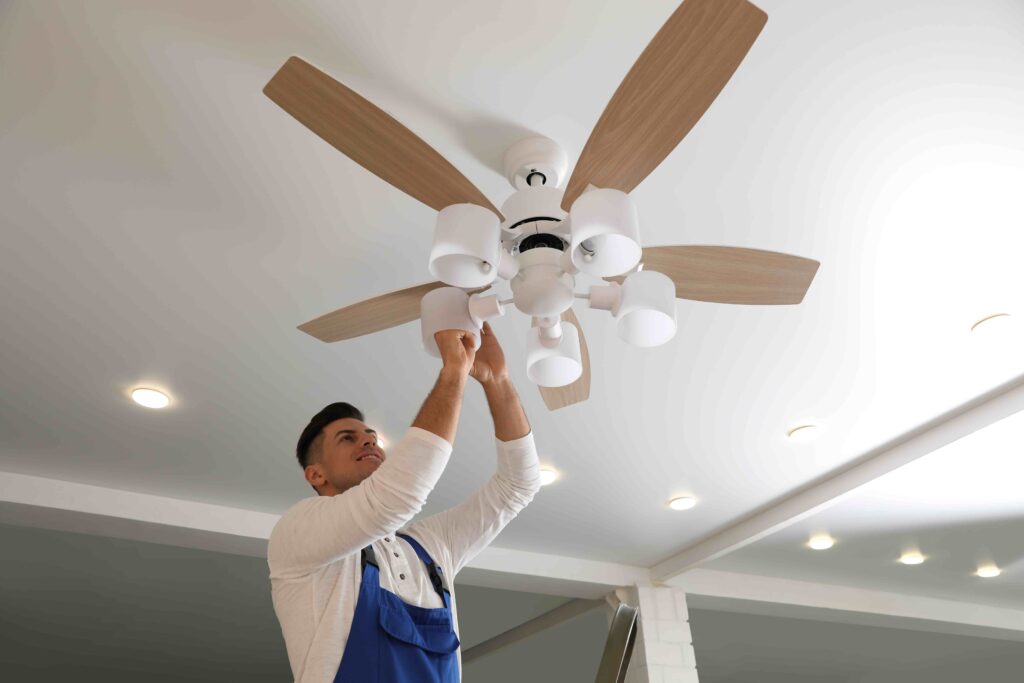
To test direction, stand directly beneath your fan while it’s operating. If you don’t feel a noticeable breeze and the blades are moving clockwise, it is set for winter. If there is a draft, it may still be spinning counterclockwise. Most ceiling fans have a small toggle switch near the motor casing, allowing homeowners to switch blade direction with little effort.
The Benefits of Winter Ceiling Fan Adjustment
Beyond improved temperature balance, adjusting fan direction during winter offers several additional advantages. Energy cost savings typically range from 5% to 15% depending on the layout of your home and the efficiency of your HVAC system. Equipment longevity is another gain—by reducing the frequency and intensity of heating cycles, you’re decreasing natural wear and tear on your home’s heating components.
There’s also an indoor air quality benefit. Circulating the air helps minimize condensation on windows and prevent stagnant pockets of air, particularly in closed-off rooms or upper levels. For those living in multi-story homes, properly adjusted ceiling fans can balance climate between floors, making full-house temperature regulation more achievable without overreliance on zoning or space heaters.
Common Drawbacks and Misuses
Though highly effective when implemented properly, ceiling fans are sometimes misused in winter, leading to discomfort or inefficiency. The most common mistake is running the fan on high speed while in winter mode. This creates disruptive drafts and can inadvertently cool the space, counteracting your heating efforts. The winter setting is most effective at a low speed, promoting a gentle upward pull that subtly redirects warm air without turbulence.
Another common issue is neglecting to reverse the direction at all. Busy seasonal routines or simple oversight can result in a ceiling fan running in the wrong direction for months. That’s not just a missed efficiency opportunity—it can raise your heating bill without you realizing it. Also, not all ceiling fans are intuitive. Some models hide the direction switch, or in newer models, it’s controlled via remote or app. Familiarizing yourself with your specific fan model ensures effective seasonal use.
Choosing the Right Ceiling Fan for Year-Round Use
If your fan doesn’t have a reversible motor, or if its controls don’t allow for easy toggling, it may be time to consider an upgrade. Modern ceiling fans come equipped with energy-efficient motors, remote direction control, and integrated thermostatic programs. Some models are designed specifically to optimize airflow with seasonal adjustments built in.
When selecting a ceiling fan, look for features like Energy Star certification, reversible quiet motors, and adjustable speed controls. Blade size and angle also affect circulation performance. For large or open-concept rooms, a bigger span and steep blade pitch help move air more effectively throughout winter. Installation height affects airflow reach, so placing your fan 8 to 9 feet from the floor tends to be ideal for year-round performance.
How Your Ceiling Fan Interacts with Other Home Systems
Your ceiling fan doesn’t operate in isolation—it influences other systems actively covered under a home warranty, particularly the HVAC system. When used strategically, ceiling fans reduce heating system stress by maintaining more stable indoor temperatures, limiting how often heat cycles trigger. This adds not only to system efficiency, but also reduces the likelihood of prematurely stressing components like blowers, motors, thermostats, and ductwork. These are often costly to repair if not covered under a warranty or service plan.
Moreover, when paired with smart thermostats or learning climate control systems, ceiling fans can enhance temperature response times and minimize room-to-room disparities. This led to an increasing trend among energy-conscious homeowners to treat fans as part of an integrated HVAC and climate control strategy—not just as ceiling accessories.
Simple Maintenance Tips to Maximize Your Fan’s Performance
To gain full winter benefit, it’s important to conduct regular fan maintenance. Dust buildup on blades can impact balance and shorten motor life. Before the colder months set in, clean the fan blades gently with a damp cloth and ensure the motor housing vents are free of debris. Tighten any blade screws to prevent wobbling, and test direction once the season begins. Run the fan at its lowest setting for winter use and monitor room comfort for the first week—adjust position or use schedule timers as necessary.
If your fan uses a wall switch or remote control, replace batteries or verify wiring if the direction setting fails to respond. For integrated systems, sync any apps or remotes with seasonal preferences that may correspond with your smart thermostat to keep the fan’s features aligned with your HVAC patterns.
Protecting What Keeps You Comfortable with Armadillo
Understanding and leveraging your ceiling fan’s winter direction can deliver immediate comfort, energy savings, and longevity for core systems in your home. But even with the best practices in place, mechanical and electrical components wear down over time. That’s where a home warranty from Armadillo comes in. When covered under a plan, your HVAC system, thermostats, and even electrical components stand protected against breakdowns caused by normal use—giving you peace of mind during winter and beyond.
Armadillo empowers homeowners by offering flexible, modern, and reliable protection for essential systems that matter—quick claims, transparent coverage, and no hidden hoops. Add a warranty to your home strategy to safeguard the comfort solutions you rely on every season. Learn more at armadillo.one, and get started with a personalized plan at our plan builder tool.