Understanding the Ideal Summer Ceiling Fan Direction: What Homeowners Need to Know
When summertime arrives and temperatures begin to climb, many homeowners instinctively reach for the air conditioning. But did you know that something as simple as adjusting the direction of your ceiling fan can make a measurable difference in your indoor comfort and help ease the burden on your HVAC system? The concept is straightforward, yet surprisingly underutilized among homeowners. Switching your ceiling fan’s direction seasonally is one of the most effective – and energy-efficient – ways to regulate temperature in the home. This small adjustment can impact both comfort and energy expenditure, while extending the lifespan of critical equipment like your air conditioner. Here’s everything you need to know, including how this ties into the broader picture of home warranty coverage and appliance maintenance.
The Basics: What Is Ceiling Fan Direction?
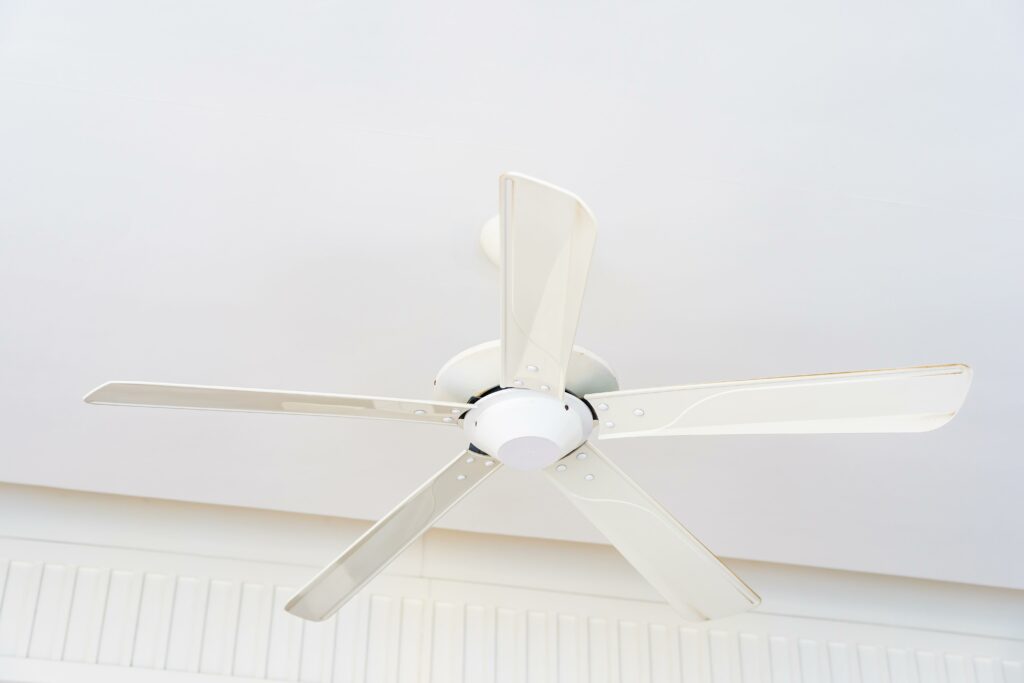
Ceiling fans are more than decorative centerpieces; they are active participants in room airflow. When set correctly, the fan blades should rotate counterclockwise in the summer. This may seem like a trivial detail, but it directly influences the way air circulates through your living space. When spinning counterclockwise, the fan pushes air downward, creating a breeze that enhances the body’s natural cooling process through evaporation. You’re not lowering the temperature itself, but you are making the room feel cooler—and therein lies the cost-saving potential.
How Does a Ceiling Fan Work in Summer?
In the summer setting, the counterclockwise motion of the ceiling fan blades pulls air from the ceiling and forces it directly downward. This creates a wind-chill effect that can make the perceived temperature feel 4 to 6 degrees cooler. It’s important to note that fans do not technically “cool” the air in the same way an air conditioning system would. Instead, they cool people, not spaces, by accelerating the evaporation of perspiration on the skin. And when used strategically, ceiling fans allow homeowners to set their thermostats slightly higher without compromising comfort. This can dramatically reduce overall energy consumption.
Why Direction Matters in Energy Efficiency
Getting the direction wrong doesn’t just cancel out these benefits—it can actually make things worse. When set to clockwise rotation in summer, your ceiling fan may end up pulling warm air downward from the ceiling, essentially defeating the purpose. It contributes to heat accumulation and makes your HVAC system work harder. In contrast, choosing the correct direction enhances airflow and reduces the need for excessive cooling, allowing mechanical systems to run more efficiently and with less strain. Over time, that reduced workload can translate into fewer breakdowns, lower repair costs, and extended equipment life—areas where a home warranty provides added security.
Ceiling Fans and HVAC Systems: A Strategic Relationship
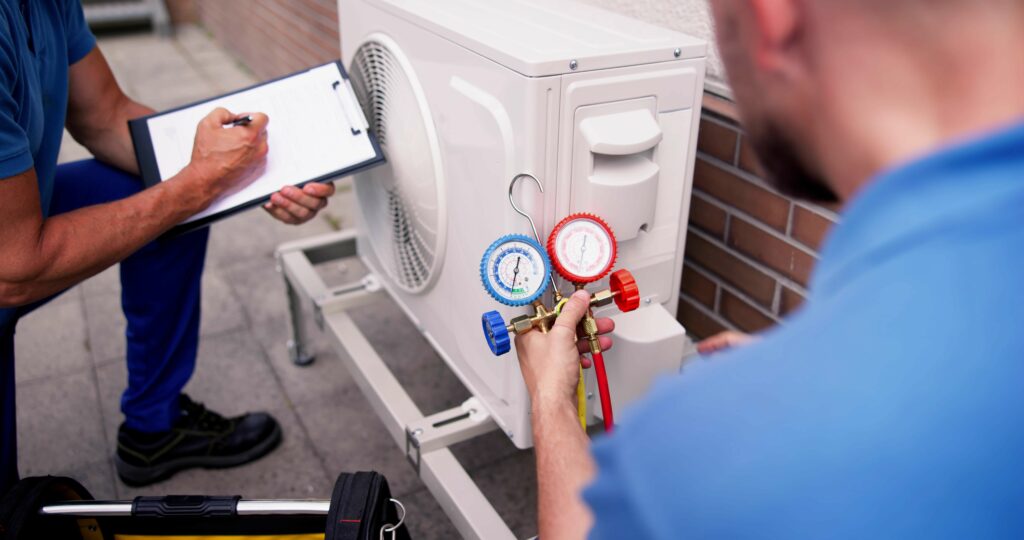
Homeownership involves constant balancing. Ceiling fans and HVAC systems are prime examples of how two seemingly unrelated systems actually complement one another when used wisely. Running a ceiling fan in sync with your AC unit allows the thermostat to be raised slightly, often by 2 to 4 degrees, with no noticeable sacrifice in comfort. This reduces the system’s runtime, which not only cuts energy bills but also reduces mechanical wear and tear. For homeowners with a home warranty, this creates a buffer: fewer service calls, fewer out-of-pocket costs, and an overall smoother experience should an HVAC component require repair or replacement.
Ceiling Fan Maintenance: A Home Warranty Perspective
In the context of a home warranty, ceiling fans usually fall under the category of electrical components or built-in appliances. While they’re generally robust, ceiling fans are still subject to wear, particularly if they’re used year-round or improperly maintained. Dust build-up, unbalanced blades, and outdated motors can all lead to reduced performance. A covered fan under a home warranty plan often means repair or replacement costs are minimized—a critical detail to keep in mind when curating a plan that meets your home’s specific needs. Still, regular user-led upkeep remains essential to maximizing both performance and coverage.
How to Change Ceiling Fan Direction for Summer
Fortunately, adjusting the direction of your ceiling fan isn’t complicated. Most standard models include a small toggle switch located on the motor housing. Flip the switch to set the blades to counterclockwise rotation for summer use. Turn the fan off before adjusting, and once you’ve made the switch, turn it back on and stand directly beneath it. You should feel a consistent breeze emerging downward. Some newer models include remote controls or wall panels with labeled directional settings, eliminating the guesswork altogether. Regularly confirming the fan is operating in the right direction is one of the simplest ways to keep your home operating at peak efficiency.
Limitations and Common Concerns
While ceiling fans offer numerous advantages, they are not a universal solution. In large or multi-story homes, fans may not circulate enough air to provide consistent cooling across extensive spaces. Poor placement can also hamper effectiveness; a fan that is too small for the room, or mounted too high, can’t perform optimally. Additionally, running a fan in an unoccupied room wastes energy without offering any cooling benefits. Another concern some homeowners face involves noise—warped blades or old motors can produce disruptive humming or clicking sounds. Addressing these early or having the option to replace them under a home warranty can keep these minor irritations from turning into major issues.
Why Ceiling Fan Optimization Is Better with Armadillo
As simple as it seems, optimizing your ceiling fan’s direction each season helps protect your larger home systems by reducing stress and improving energy efficiency. But maintenance isn’t always low-cost or straightforward. That’s where Armadillo Home Warranty comes in. Providing customizable coverage for systems and appliances, Armadillo helps homeowners protect their investments year-round—from ceiling fans to HVAC units and beyond. Our flexible plans ensure that when something does go wrong, you’re covered. Explore the advantages we offer at armadillo.one and start building your custom protection plan today at this link. Make your summer smarter and your home stronger with the right coverage backing every adjustment you make—starting with your ceiling fan direction.