Why Ceiling Fan Direction Matters in Winter and What Home Warranties Can—and Can’t—Do About It
A ceiling fan might not be the first thing that comes to mind when the cold sets in, but if you’re a homeowner looking to run a more energy-efficient home, it’s time to take another look. Changing the rotation of your ceiling fan during the winter months can change both comfort levels and utility costs. It’s one of those often-overlooked household strategies that, once understood, offers surprising benefits. Combine this basic step with a smart approach to home protection—such as a home warranty—and you’ve tightened the screws on your energy use and maintenance budget. But where do these two concepts meet, and what does a ceiling fan’s direction in December have to do with a home warranty plan, anyway? Let’s break it down.
The Science Behind Ceiling Fan Direction in Cold Weather
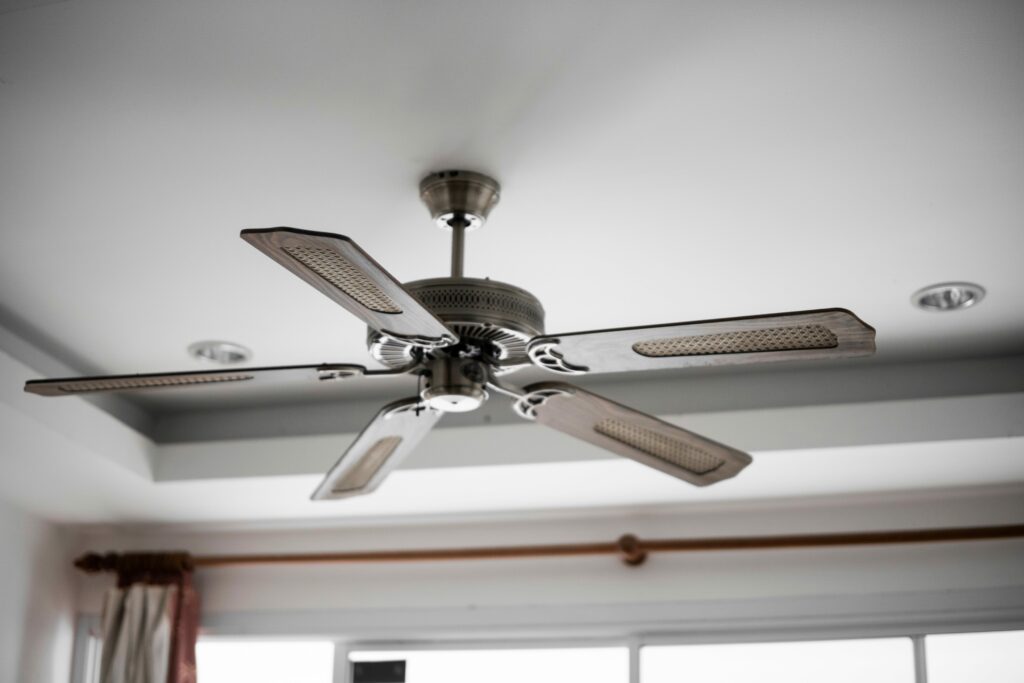
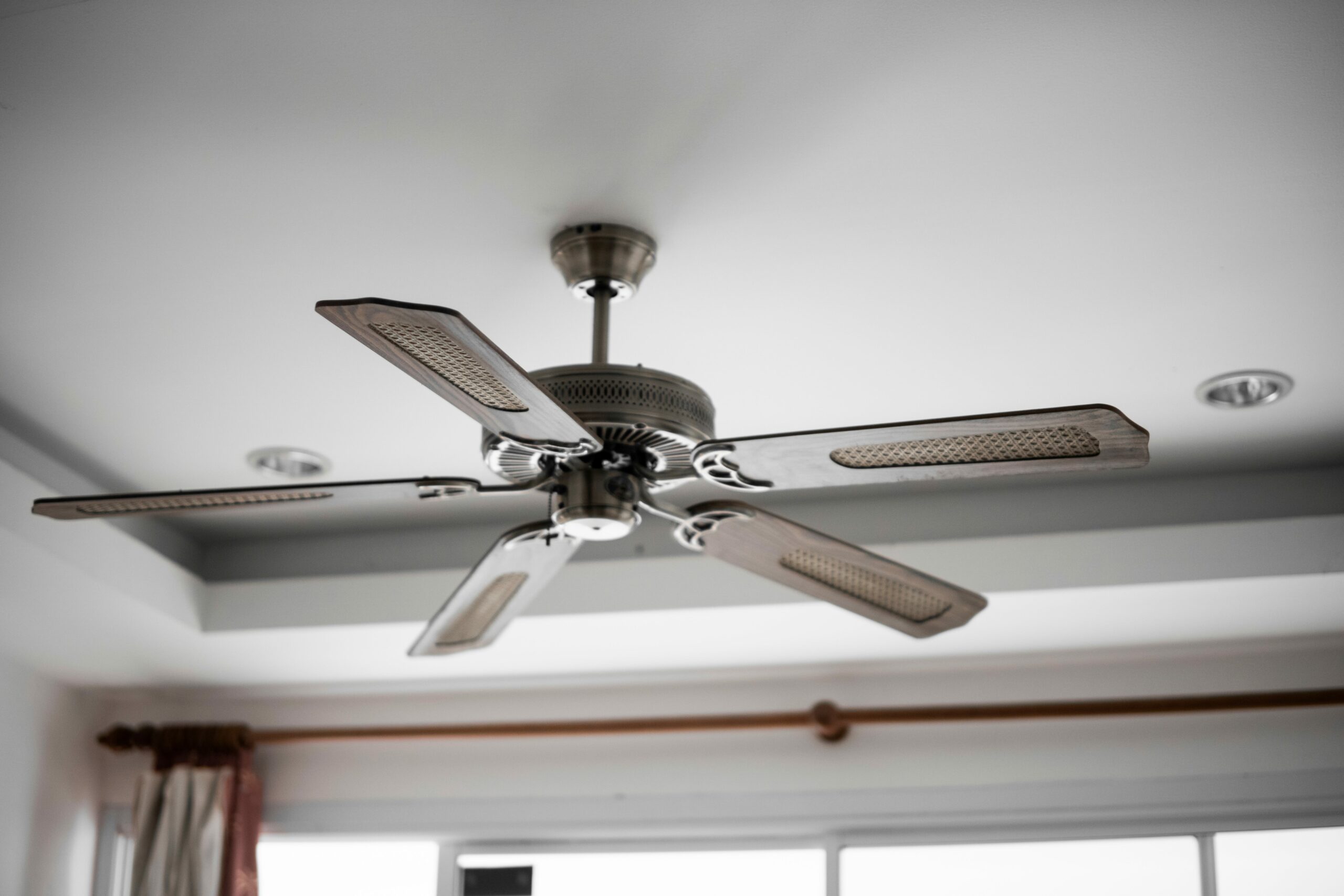
Ceiling fans don’t just blow air around during summer to keep things cool—they can also help distribute heat during colder seasons. The key lies in the direction the blades are turning. In winter, you’ll want those blades spinning clockwise. Why? Because hot air rises. When the fan turns clockwise (and at a low speed), it gently pulls cooler air up and pushes the warm air that has collected near the ceiling down the walls and back into the living space. This creates a gentle updraft that redistributes heat more evenly throughout the room without creating a drafty breeze. That means your furnace doesn’t have to work quite as hard, and your heating bill gets a much-needed trim.
How to Adjust Your Ceiling Fan to the Winter Setting
Most modern ceiling fans come with a small switch on the motor housing—typically a toggle switch or slider. During summer, the fan should rotate counterclockwise to create a wind-chill effect. But in winter, flip the switch to clockwise. Turn the fan on at a low speed so it circulates the warm air without cooling you down. It takes only a few seconds to make the adjustment, but it can translate to longer heating system lifespans and noticeable energy savings over time.
Winter Fan Performance and the Role of Ceiling Height
Ceiling height will influence just how effective this rotation trick is. Higher ceilings trap more warm air, making the redistribution more noticeable and impactful. In larger spaces or homes with vaulted ceilings, a fan’s winter setting can make a remarkable difference in comfort. However, in smaller rooms or spaces with low ceilings, the effect may be more modest. Even so, encouraging stratified warm air to circulate can reduce how frequently your thermostat calls on your heating system—good news for both your energy bill and your HVAC system’s long-term wear.
What About Home Warranties? When to Lean on Coverage, Not Direction
Here’s where ceiling fan dynamics and home warranties intersect. A home warranty doesn’t cover the seasonal adjustment of your ceiling fan—that part’s on you. But if the motor fails, the blades stop spinning, the wiring shorts, or the fan simply stops working as designed, this would typically fall under covered ceiling fan repair or replacement, depending on your plan. What’s not covered is misused equipment. If a homeowner runs the fan on high clockwise in the winter and a motor burns out due to overuse or faulty usage, coverage could get murky. A respected home warranty provider like Armadillo makes these distinctions clear, ensuring you’re covered for sudden failures caused by normal wear—but expecting you to use appliances correctly and responsibly.
The Heating System Comfort Loop and Your Ceiling Fan
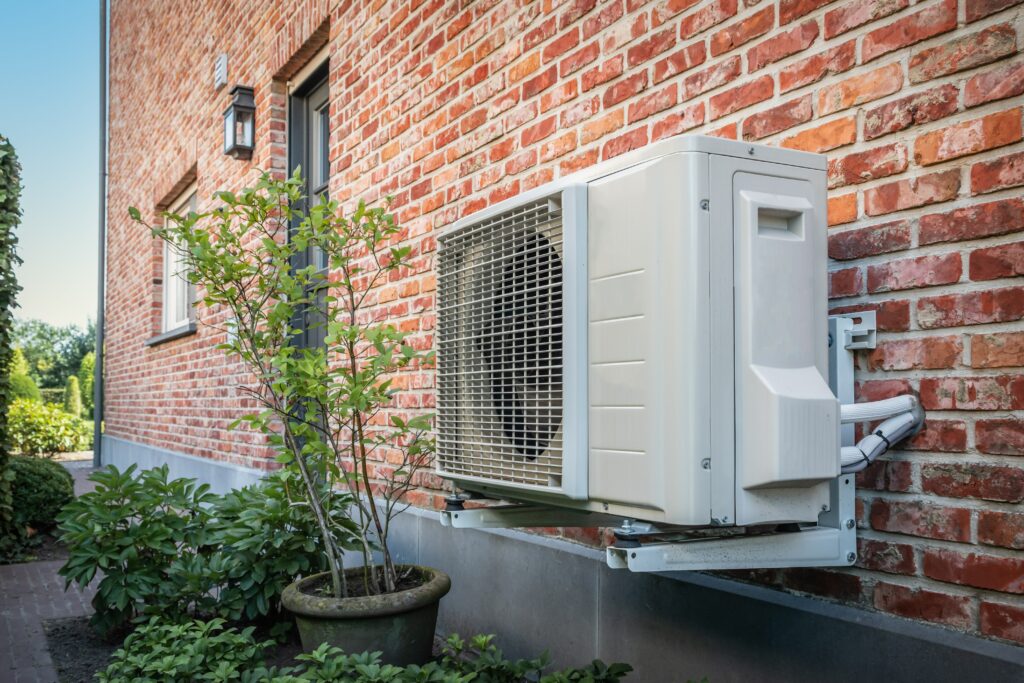
Using ceiling fans effectively in winter contributes directly to your home’s heating ecosystem. When warm air is circulated more evenly, your heating system doesn’t have to cycle as often. That reduces runtime and lowers the mechanical strain on furnaces over time. A home warranty becomes valuable here because if your furnace or heating system does require repair or replacement due to breakdowns—not just overuse—a strong protection plan helps offset the cost. Still, fine-tuning home features like fan direction doesn’t just prolong comfort. It plays a key role in preserving the longevity of expensive systems covered by your warranty. Getting the basics right prevents small inefficiencies from becoming costly repairs down the line.
Electrical Safety, Grounding, and Warranty Risks
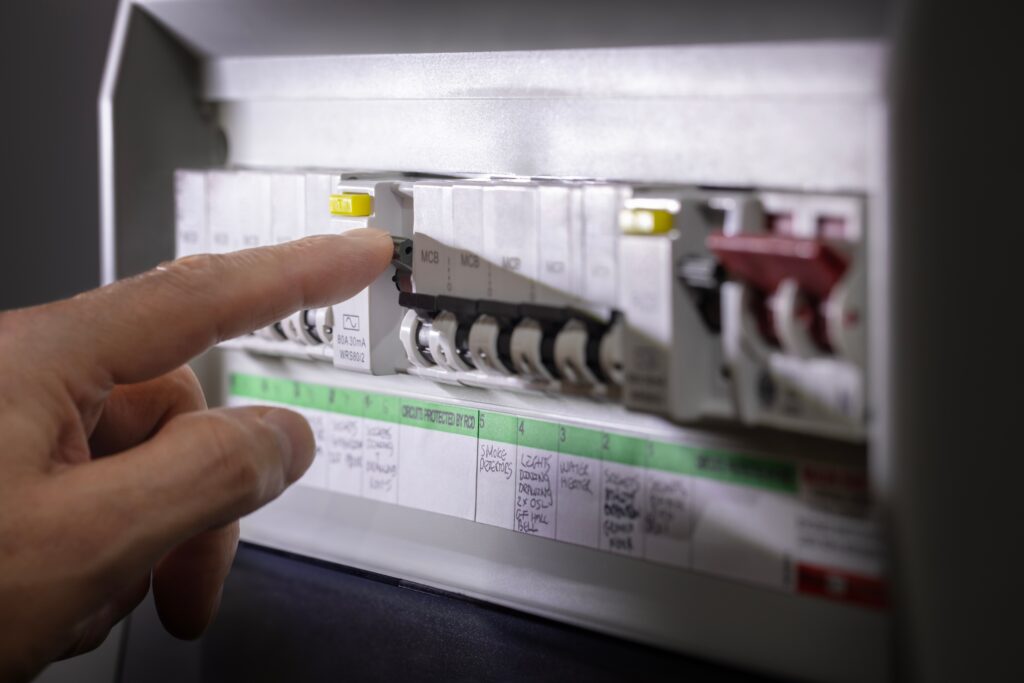
Many homeowners overlook that ceiling fans tie into critical electrical systems. A fan that isn’t properly grounded presents risks beyond mechanical failure—it could trigger breakers or pose a fire hazard. Here’s where warranties usually draw the line. If improper installation or DIY wiring creates safety issues, repairs aren’t typically covered. This makes it crucial to ensure your ceiling fan is properly wired and grounded, especially if it’s an older fixture. When buying a home or upgrading systems, rely on licensed electricians to handle new ceiling fans or any updates to keep both system efficiency and your warranty intact.
Choosing Armadillo: Smart Coverage Meets Smarter Living
The humble ceiling fan might not be flashy, but using it correctly—especially in winter—elevates your energy efficiency, comfort, and system longevity. But even the most mindful setup won’t stop mechanical failures entirely. That’s where layering protection through a home warranty becomes powerful. At Armadillo, our home protection plans are built for real life. We protect your systems like ceiling fans, HVAC units, electrical panels, and much more under one flexible, easy-to-manage warranty. We help you feel secure knowing that everyday breakdowns are covered, so you’re not caught off guard by unexpected repair bills. Learn more or begin building your perfectly tailored warranty plan at www.armadillo.one or start your plan now at this link. You take care of the fan direction—we’ll handle the rest.