Solar Energy Systems: Transforming Your Home’s Energy Efficiency
In an era where energy efficiency is paramount, solar energy systems stand as a beacon of innovation and sustainability for homeowners. Emerging from the environmental movement of the 1970s, solar technology has become increasingly efficient, accessible, and popular among homeowners seeking to reduce their carbon footprint and energy bills. This article serves as a comprehensive guide, breaking down the fundamentals of solar energy systems, their benefits, and considerations—equipping you with the knowledge to make an informed decision about integrating solar technology into your home.
Understanding Solar Energy Systems
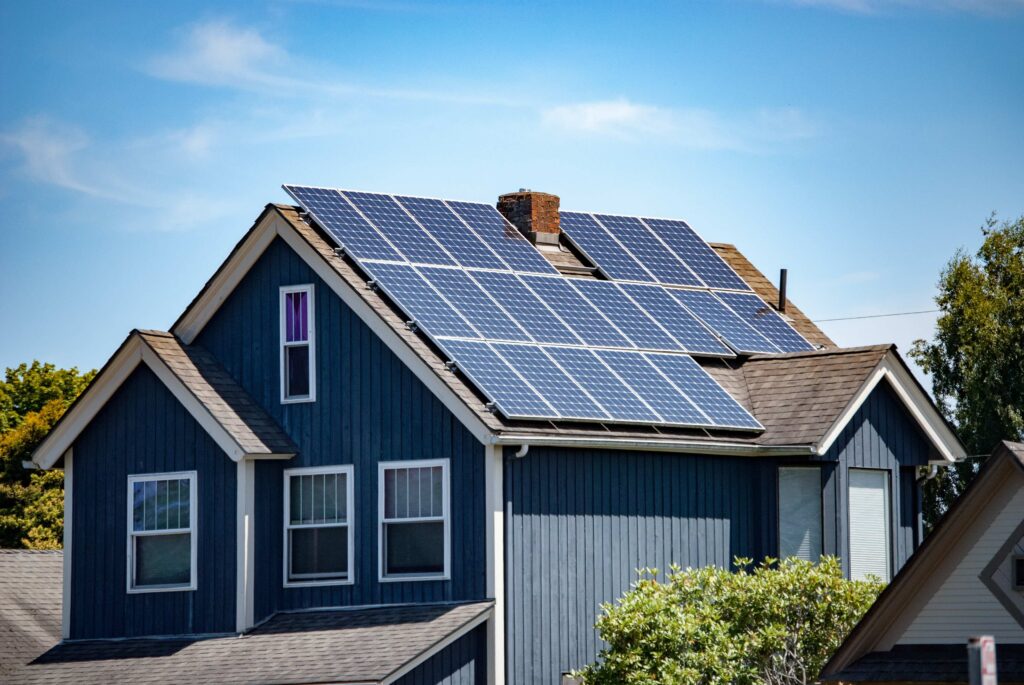
Solar energy systems harness sunlight to generate electricity for your home. They primarily consist of solar panels, which are usually installed on rooftops or open land, and an inverter that converts the direct current (DC) electricity generated by the panels into alternating current (AC) electricity for household use. The system may also include a battery storage component, which stores excess energy produced during the day for use at night or during cloudy weather. Understanding these components is critical for knowing how solar energy systems operate within your home’s energy infrastructure.
How Solar Energy Systems Work
At the heart of solar technology are photovoltaic (PV) cells, typically made from silicon, which capture sunlight and initiate the flow of electricity. As sunlight strikes these cells, it dislodges electrons, creating an electric current. This clean energy is then channeled through an inverter, where it transforms into usable AC electricity that your home’s appliances can use. Modern systems often incorporate monitoring technology, allowing homeowners to track energy production and consumption in real-time, enhancing energy management.
The Key Advantages of Solar Energy Systems
Solar energy systems offer a multitude of advantages. First and foremost is the significant reduction in electricity bills, which is particularly attractive given the rising cost of energy. Additionally, by decreasing reliance on fossil fuels, solar energy substantially lowers your carbon footprint, contributing to a healthier planet. Financial incentives, such as tax credits and rebates, also make solar systems a savvy investment. Furthermore, homes equipped with solar systems often see an increase in property value due to high demand for energy-efficient homes among buyers.
Common Drawbacks to Consider
While the benefits are compelling, there are drawbacks to consider. The initial investment for installation can be substantial, though often offset by long-term savings and government incentives. Solar energy systems are dependent on sunlight, meaning energy production can fluctuate based on weather and time of year. System maintenance, although minimal, requires occasional cleaning and inspections to ensure efficient operation. Finally, the effectiveness of solar panels can diminish over time, typically holding efficiency for 25-30 years before a noticeable drop in performance.
Assessing Suitability for Your Home
Before committing to a solar energy system, evaluate your home’s potential to harness solar power efficiently. Key considerations include the structural integrity and orientation of your roof, the amount of sunlight your property receives (ideally, unobstructed southeast, south, or southwest exposure), and local regulations or homeowner association restrictions. A solar assessment from a professional can provide a detailed understanding of your home’s suitability and potential return on investment.
Practical Tips for Installing Solar Energy Systems
Once you’ve decided to move forward with solar installation, choose a reputable solar provider who offers quality products and comprehensive warranties. Seek estimates from multiple providers to ensure competitive pricing. To maximize system efficiency, consider integrating a solar battery for energy storage or combining your solar system with energy-efficient home improvements. During installation, ensure all permits and inspections are thoroughly handled to meet legal and safety requirements. Thorough research and planning can significantly enhance your overall solar experience.
Why Choose Armadillo for Home Warranty Needs?
Solar energy systems represent a valuable addition to your home, promising both environmental and financial rewards. However, like any home system, maintenance and unexpected repairs can arise. This is where a comprehensive home warranty from Armadillo can provide reassurance and financial protection. With years of expertise in the home warranty industry, Armadillo offers customized warranty plans that cover vital home systems and appliances, ensuring peace of mind. Visit our homepage at Armadillo to learn more or initiate your plan-building process at this link. With a commitment to superior service and support, Armadillo equips you with the tools to safeguard your home’s solar system investment.