What Are Outdoor AC Covers and Why Do They Matter in Winter?
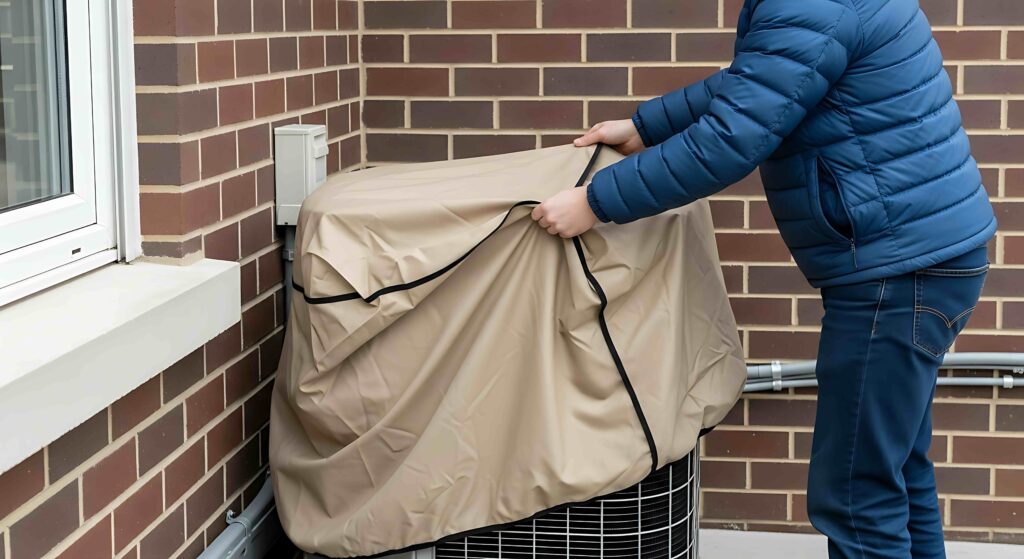
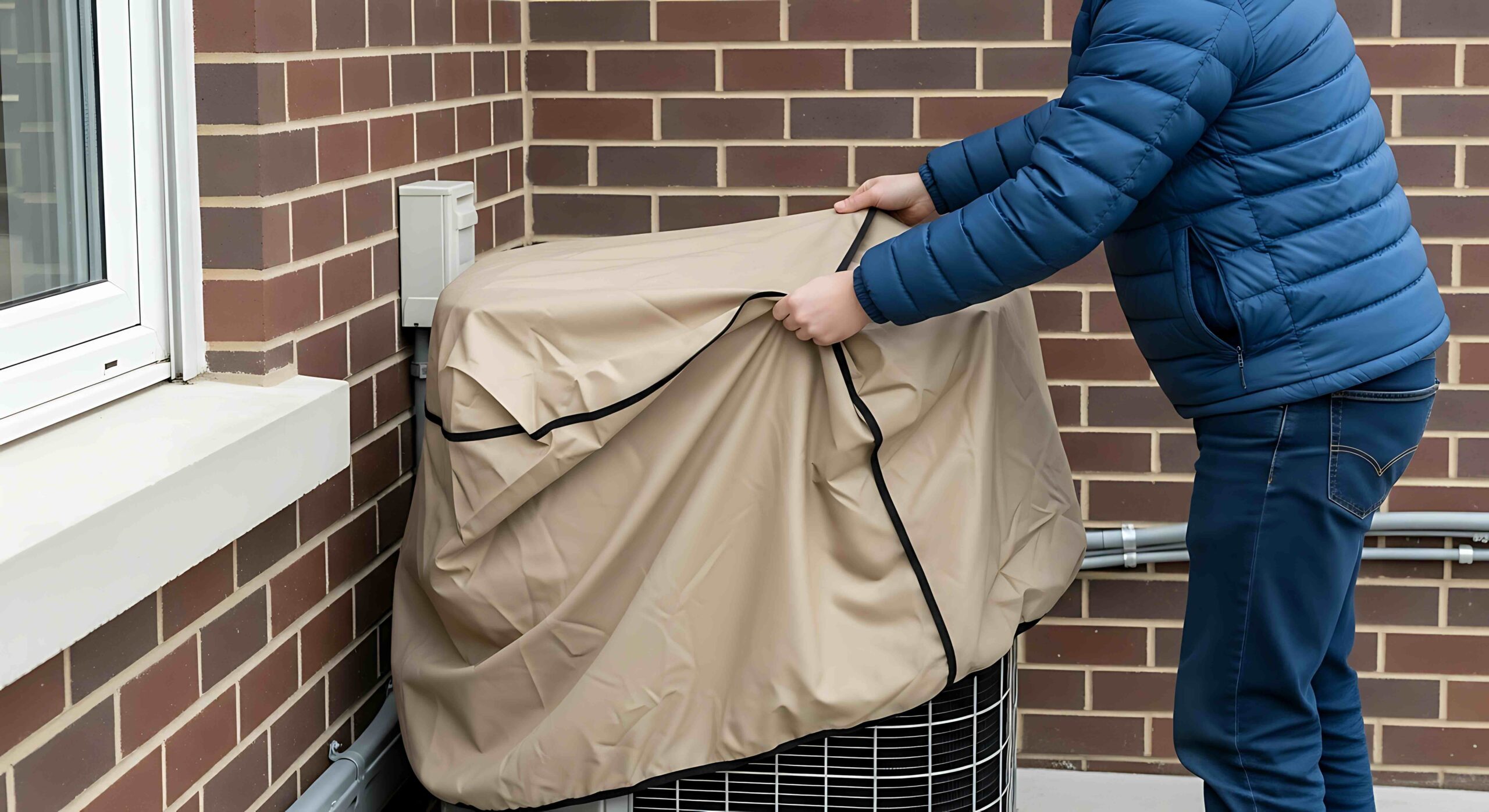
Your central air conditioning system works hard all summer. When the cooler months arrive and you finally stop reaching for the thermostat, it is easy to forget that the outdoor unit is still sitting out there, fully exposed. That is where outdoor AC covers come in. These are protective covers, typically made from mesh fabric, vinyl, or heavy-duty polyester, that fit over your exterior condenser unit during the off-season. The idea is straightforward: if you are not using it, protect it. But the conversation around whether to cover your AC unit in winter is more nuanced than it might seem, and getting it wrong can cause more harm than good.
How Your Outdoor AC Condenser Unit Actually Works
Before deciding whether a cover makes sense for your home, it helps to understand what you are actually protecting. The outdoor condenser unit is responsible for releasing heat from your home to the outside air. It houses the compressor, condenser coils, a fan motor, and refrigerant lines. These components are built with outdoor exposure in mind. Manufacturers engineer them to handle rain, sun, humidity, and even moderate snowfall. The unit has drainage holes and louvers specifically designed to allow water and debris to pass through without pooling. That said, engineered durability has its limits, and prolonged exposure to harsh conditions, heavy debris, and extreme weather can add up over time.
The Case for Using an Outdoor AC Cover During Winter
There are legitimate reasons to cover your AC unit once the heating season begins. Falling leaves, pine needles, twigs, and seed pods are the primary offenders. This debris collects inside the unit and can clog the coils or create a nesting environment for small animals over the winter months. Rodents, in particular, love a sheltered, enclosed space, and an uncovered condenser is an open invitation. Beyond critters, ice buildup from freezing rain or sleet can accumulate on the coils or fan blades and, in extreme cases, cause physical damage. A cover placed specifically on the top of the unit can deflect this type of precipitation without fully enclosing the unit. That distinction matters enormously, and it is one most homeowners miss.
The Risks of Using a Full Outdoor AC Cover
Here is where a lot of well-intentioned homeowners go sideways. Fully enclosing your outdoor AC unit in a solid cover creates a warm, dark, and protected shelter. That sounds fine until you realize it is essentially a five-star hotel for mice, squirrels, and other pests looking for a winter home. Animals nesting inside your condenser can chew through wiring, insulation, and refrigerant lines, which turns a preventive measure into an expensive repair. There is also the issue of moisture. A sealed cover traps condensation inside the unit rather than allowing it to evaporate, which can accelerate rust and corrosion on metal components. And if anyone in your household turns the AC on without removing the cover first, the results range from unit strain to fan motor burnout. The takeaway: if you use a cover, use a breathable, partial one designed for the purpose.
Top Cover and Bottom Cover Debate Settled
Most HVAC professionals agree on a middle-ground approach. A top-only cover or a partial cover that shields the unit from falling debris, ice, and overhead moisture while leaving the sides open is the most practical solution for most climates. Some homeowners opt for a simple plywood board weighted down on top of the unit during heavy snowfall seasons. Full wraps are only really warranted in extreme climates with prolonged ice storms or unusually severe winters, and even then, breathability matters. If you are buying a cover, look for one that is mesh or has ventilation panels, fits your specific unit dimensions, and is rated for outdoor weather use. Avoid tarps, plastic sheeting, or anything that creates an airtight seal.
How to Properly Prepare Your AC Unit Before Covering It
Covering the unit without any prep work is a missed opportunity. Before winter sets in, take a few minutes to get the unit in good shape. A little attention now pays off when spring arrives.
- Turn off the power to the unit at the disconnect box before doing anything else
- Clear away any leaves, grass clippings, or debris from around the unit and inside the fins
- Rinse the exterior coils gently with a garden hose to remove buildup
- Inspect the refrigerant lines and insulation for any visible damage or cracking
- Check that the unit is level on its pad, as settling ground can shift it over time
- Place your cover only after the unit is clean and completely dry

What Type of Outdoor AC Cover Should You Buy
The market for AC covers ranges from cheap universal-fit options to custom covers built for specific unit models. Pricing typically runs between fifteen and sixty dollars for a quality option, which is a negligible investment compared to the cost of a compressor replacement or a pest damage repair. When shopping, prioritize covers made from heavy-duty, breathable fabric. Mesh-style covers are popular because they block debris while still allowing air circulation. Avoid any cover described as waterproof without ventilation features. Your unit needs to breathe. If you cannot find one that fits your unit’s exact dimensions, a top-only cover is a safer choice than a loose wrap that could blow off or trap moisture unevenly.
When You Should Skip the Cover Entirely
Not every climate or every home needs a winter AC cover. If you live in a region with mild winters and minimal precipitation, the unit may genuinely not need one. In fact, for homes in warmer climates, the cover can do more harm by trapping heat and moisture during sporadic warm winter days. Homes surrounded by mature trees with heavy leaf and seed drop are better candidates for covers than homes on open lots with minimal surrounding vegetation. If your unit sits under an overhang or covered patio, nature has already provided some of the protection a cover would offer. Read your environment before making the call, and when in doubt, consult a licensed HVAC technician who can assess your specific setup.
How Home Warranties Factor Into Outdoor AC Unit Protection
Covering your AC unit for winter is a smart maintenance habit, but it does not eliminate the risk of mechanical failure. Central air conditioning systems are among the most expensive systems in your home to repair or replace. Compressor failures, refrigerant leaks, fan motor burnout, and electrical component failures can occur regardless of how well you maintain the exterior of the unit. This is precisely where a home warranty becomes a meaningful financial safeguard. A home warranty plan covers the cost of repairing or replacing covered systems and appliances when they break down due to normal wear and use, which is the category most HVAC failures fall into. Routine maintenance keeps the unit running efficiently, but a warranty handles the unexpected costs that maintenance cannot prevent.
Protect Your AC Investment Year-Round with Armadillo
You are already thinking ahead by considering a winter cover for your outdoor AC unit. That kind of proactive approach is exactly the mindset that Armadillo home warranty plans for central air conditioning systems are built to complement. Armadillo offers straightforward, honest home warranty coverage with no confusing fine print or surprise exclusions. When your AC system needs a repair that goes beyond what a cover and a garden hose can fix, Armadillo is there to handle the financial side so you are not scrambling for a few thousand dollars mid-summer. If you want to lock in protection before the next cooling season begins, you can get a free home warranty quote that covers your HVAC system and more in just a couple of minutes. Winter prep is the right time to take a full inventory of what is protected in your home, and Armadillo makes that conversation easy.

Frequently Asked Questions About Outdoor AC Covers for Winter
Homeowners have a lot of reasonable questions when it comes to winterizing their outdoor AC units. Here are the answers to the ones that come up most often.
Should I cover my outdoor AC unit in winter?
It depends on your climate and surroundings. A top-only or partial breathable cover is recommended for areas with heavy leaf fall or frequent ice storms. Full enclosure covers are generally not advised due to moisture trapping and pest risks.
What happens if I use a full cover on my AC unit all winter?
A fully enclosed cover can trap moisture inside the unit, accelerating rust and corrosion. It also creates an ideal nesting environment for rodents and other small animals that can damage internal wiring and components.
Can I use a tarp to cover my outdoor AC unit?
A tarp is not recommended because it creates an airtight seal that traps condensation, restricts airflow, and can attract pests. Purpose-built breathable covers are far more appropriate and cost very little in comparison.
How do I know what size AC cover to buy?
Measure the height, width, and depth of your outdoor condenser unit before purchasing. Most covers list compatible dimensions on their packaging. A snug but not overly tight fit is ideal, and top-only covers are universally easier to size.
Will covering my AC unit void the manufacturer warranty?
Using an improper cover that causes damage could complicate a warranty claim, but using a purpose-built, breathable AC cover as directed typically does not void a manufacturer warranty. Check your documentation or contact the manufacturer if you are uncertain.
Should I turn off the power to my AC before covering it for winter?
Yes, absolutely. Switch off the power at the outdoor disconnect box before doing any prep work or placing a cover. This prevents accidental startup and protects both you and the equipment.
What is the best material for an outdoor AC cover?
Heavy-duty breathable polyester or mesh fabric is widely considered the best option. These materials block debris and deflect precipitation while still allowing air circulation that prevents moisture buildup inside the unit.
Is it safe to run my AC if I forgot to remove the cover?
No. Running your AC with the cover on restricts airflow to the condenser, which can cause the unit to overheat, strain the compressor, and potentially burn out the fan motor. Always remove the cover completely before operating the system.
Do AC covers help with energy efficiency?
Covers do not directly improve energy efficiency during operation. Their value is in protecting components from off-season damage so the unit runs at full efficiency when you need it. A well-maintained unit operates more efficiently than a neglected one.
Does a home warranty cover damage caused by improper AC covers?
Home warranties typically cover mechanical failure due to normal wear and use. Damage caused by improper use of a cover, such as pest damage from a sealed enclosure, may be evaluated differently. Reviewing your coverage terms and asking your provider directly is always the best approach.