What Is an Outdoor Ground Outlet and Why Does Your Home Need One?
Most homeowners think about outlets the moment they need one and never a second before that. You drag an extension cord through a cracked window, trip over it twice, and promise yourself you will handle it properly someday. That someday has a name, and it is called an outdoor ground outlet. These weatherproof, grounded electrical receptacles are designed specifically for exterior use, and they do a lot more for your home than you might expect. Understanding what they are, how they work, and why they matter can save you from unnecessary hassle, safety hazards, and unexpected repair costs down the road.
Breaking Down the Basics: What Makes an Outlet “Grounded”
A grounded outlet has three slots instead of two. That third slot connects to a ground wire, which provides a safe pathway for electrical current to travel in the event of a fault or surge. Without grounding, excess electricity has nowhere to go, which can result in damaged appliances, electrical fires, or shock hazards. Standard two-prong outlets, which are still found in older homes, lack this protective pathway entirely. A grounded outlet adds that critical layer of protection by redirecting dangerous current away from people and equipment. When you move that grounded outlet outdoors and add weatherproofing to the equation, you have a fixture that is both electrically safe and physically protected from the elements.
How Outdoor Ground Outlets Are Built to Handle the Elements
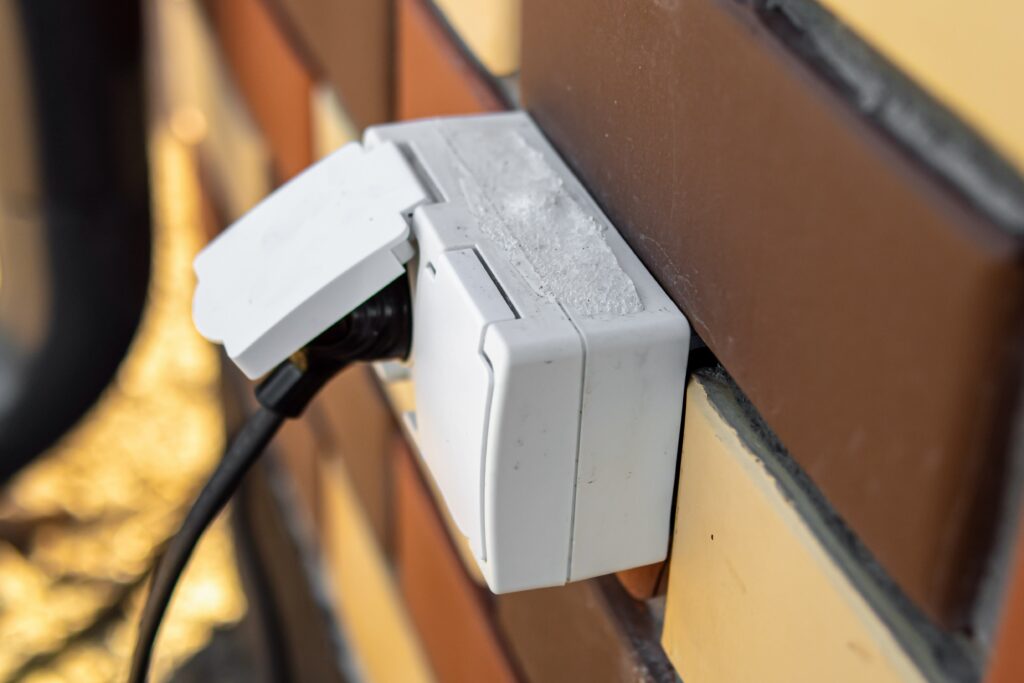
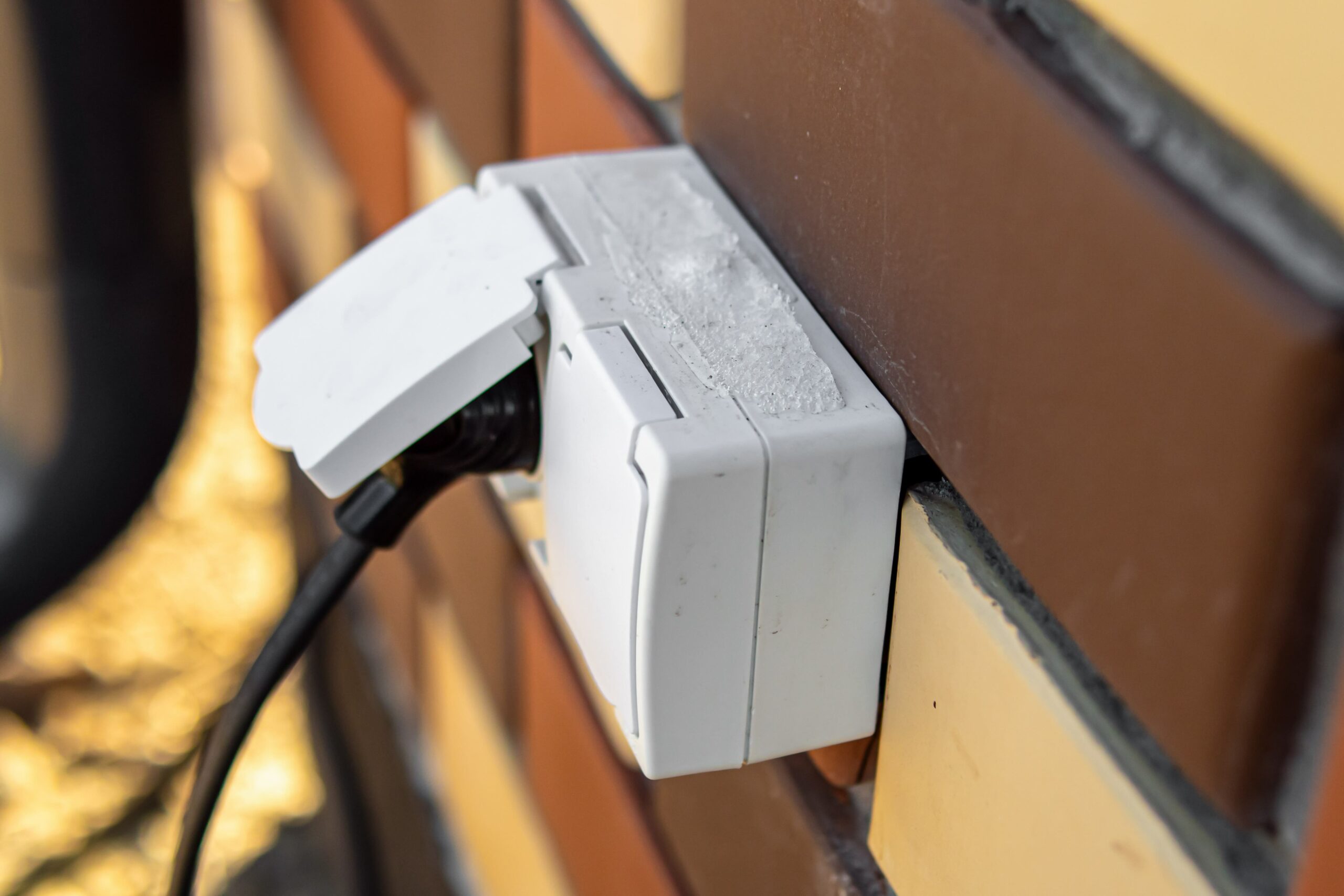
Outdoor ground outlets are not simply indoor outlets slapped onto an exterior wall. They are built with specific components designed to withstand moisture, temperature swings, and physical wear. The most important of these is the weatherproof cover, which can be either an in-use cover that remains closed around a plugged-in cord or a flip-lid cover used when the outlet is not in active use. The outlets themselves are typically GFCI-protected, which stands for Ground Fault Circuit Interrupter. A GFCI outlet constantly monitors the electrical current flowing through the circuit. If it detects even a small imbalance, like water interfering with the current, it shuts off power almost instantly. This feature is not optional for outdoor use. The National Electrical Code requires GFCI protection on all outdoor outlets, and for good reason.

The Key Advantages of Installing Outdoor Ground Outlets
Once you have properly installed outdoor grounded outlets, the benefits become apparent quickly. Here is what homeowners consistently report gaining from this upgrade:
- Safer access to electricity for yard tools, power washers, string lights, and seasonal decorations without running extension cords through windows or doors
- GFCI protection that significantly reduces the risk of electrical shock near water sources like garden hoses, pools, or rain-soaked surfaces
- Improved home resale value, since buyers and home inspectors take note of properly wired exterior electrical access
- Code compliance, which matters if you ever plan to refinance, sell, or expand your home
- Reduced wear on indoor outlets and extension cords that were previously being stretched to compensate for the lack of exterior access
These are not minor perks. For anyone who spends real time in their yard, on their patio, or maintaining the exterior of their home, a working outdoor outlet is less of a luxury and more of a functional necessity.
Common Drawbacks and Installation Considerations to Know
No home improvement comes without some trade-offs, and outdoor ground outlets are no exception. The installation process requires running wiring through walls or conduit from your electrical panel to the exterior location, which means permits, inspection requirements, and in most cases a licensed electrician. Attempting this as a DIY project without the proper knowledge carries serious risk. Beyond installation, outdoor outlets are exposed to continuous environmental stress. Even the best weatherproof covers can degrade over time, and moisture intrusion remains a persistent concern in climates with heavy rainfall or freezing temperatures. GFCI outlets also have a tendency to trip unexpectedly, which can be frustrating if you are in the middle of a project and suddenly lose power to your tools. Regular testing is important to ensure they are functioning correctly.
Where to Place Outdoor Outlets for Maximum Usefulness
Placement matters more than most homeowners realize. An outlet mounted in an inconvenient location will go unused, and one placed without thought for how water drains near it can become a liability. Standard guidance from electricians and building codes recommends mounting outdoor outlets at least one foot above grade level, or higher in areas prone to flooding. Think about where you actually use electricity outside. Near the front entrance for holiday lighting, at the back of the house for patio or deck equipment, near the garage for power tools, and along the fence line if you maintain a garden are all practical locations. Multiple outlets placed strategically will reduce the need for long extension cords, which themselves present tripping hazards and can degrade over time.
Outdoor Outlet Maintenance: What to Check and When
Once your outdoor outlets are installed, they need periodic attention to stay safe and functional. Most homeowners do not think about them until something stops working, which is exactly the wrong approach. Testing GFCI outlets monthly is a simple task. Press the test button and confirm the outlet loses power, then press reset to restore it. If it does not respond correctly, the outlet likely needs replacement. Inspect weatherproof covers seasonally for cracks, warping, or missing gaskets. Even small gaps can allow moisture inside the box. If you live somewhere that experiences hard freezes, check that no water has collected inside the outlet housing after winter. Look for signs of corrosion, discoloration around the outlet face, or a burning smell, all of which warrant immediate attention from a licensed electrician.
Outdoor Outlets and Home Warranty Coverage: What You Should Understand
Here is something many homeowners overlook entirely. Home warranty plans vary widely in how they handle electrical systems, and outdoor ground outlets occupy a somewhat gray area depending on the provider. Some plans cover the wiring and components tied to the home’s main electrical system, which could include exterior outlets. Others treat anything outside the home’s interior as excluded or as an add-on. Knowing what your plan covers before something fails is far better than finding out after the fact. Electrical issues in general, including outdoor outlet failures, can be expensive to diagnose and repair properly, especially when conduit needs to be traced or permits are required for any corrective work.
Why Armadillo Is the Right Partner for Protecting Your Home’s Electrical Systems
Outdoor electrical components are just one piece of a much larger picture. When something in your home stops working, whether it is the wiring behind your walls, a failing appliance, or a grounded outlet that has seen one too many rainy seasons, the last thing you want is to navigate repair costs alone. That is exactly where Armadillo home warranty coverage for electrical systems and appliances comes in. Armadillo offers transparent, homeowner-friendly protection that takes the guesswork out of home repair expenses. No confusing exclusion lists designed to leave you holding the bill. Just real coverage that works when you need it. If you are ready to stop worrying and start feeling confident about what your home warranty actually does, you can get a free home warranty quote that covers your home’s electrical components in just a few minutes. Your home is one of your biggest investments. Protecting it should not feel like a second job.

Frequently Asked Questions About Outdoor Ground Outlets
Homeowners tend to have a lot of the same questions once they start exploring outdoor outlet installation and safety. Here are the most common ones, answered plainly.
What is the difference between a grounded outlet and a GFCI outlet?
A grounded outlet has three prongs and uses a ground wire to safely redirect fault current. A GFCI outlet monitors the circuit for imbalances and cuts power instantly when it detects a ground fault. Outdoor outlets should ideally be both grounded and GFCI-protected.
Are outdoor outlets required by the National Electrical Code?
Yes. The NEC requires at least one outdoor outlet at both the front and back of a home at grade level. All outdoor outlets must be GFCI-protected and installed with weatherproof covers.
Can I install an outdoor ground outlet myself?
While technically possible for someone with electrical knowledge, most jurisdictions require a licensed electrician and a permit for new outlet installation. Improper wiring is a serious safety hazard and may void your homeowner’s insurance in some cases.
How do I know if my outdoor outlet has GFCI protection?
Look for a small test and reset button on the outlet face. If those buttons are not present, the outlet may be protected by a GFCI breaker in your electrical panel, or it may not be GFCI-protected at all. An electrician can confirm which applies to your setup.
Why does my outdoor outlet keep tripping?
Frequent tripping is usually caused by moisture intrusion, a faulty appliance drawing too much current, or a deteriorating outlet that needs replacement. It can also indicate a wiring issue that requires professional diagnosis.
How high above the ground should an outdoor outlet be mounted?
The NEC requires outdoor outlets to be mounted at least one foot above finished grade. In flood-prone areas or where water pooling is common, higher placement is strongly recommended.
Do outdoor outlets need to be on a dedicated circuit?
Not necessarily, but it depends on the load you plan to draw. If you are running high-wattage equipment like a power washer or compressor, a dedicated circuit prevents tripping and overloading shared circuits. Consult an electrician to assess your specific needs.
What kind of cover does an outdoor outlet need?
In-use weatherproof covers are required when a cord will remain plugged in during use, which is the standard for most outdoor outlets. Flip-lid covers are acceptable only for outlets that will not have cords plugged in while exposed to weather.
Does a home warranty typically cover outdoor electrical outlets?
Coverage varies by provider. Some home warranty plans include wiring and outlets tied to the home’s main electrical system, which may extend to exterior outlets. Always review the terms of your specific plan and ask your provider directly about outdoor electrical components.
How often should I test my outdoor GFCI outlet?
Monthly testing is the standard recommendation. Use the test and reset buttons to verify the outlet responds correctly. If the outlet fails the test or does not reset properly, replace it or have an electrician evaluate the circuit.