What Is an Outdoor Male Electrical Outlet and Why Does Your Home Need One?
If you have ever plugged in a string of patio lights, charged a power tool in the driveway, or run an extension cord to a portable speaker during a backyard gathering, you already understand the basic appeal of outdoor electrical access. But there is more going on behind that weatherproof cover than most homeowners realize. An outdoor male electrical outlet — more accurately referred to as an exterior-mounted receptacle or outdoor power outlet — is a grounded electrical fixture installed on the outside of your home that provides safe, accessible power for outdoor use. It sounds simple, and in some ways it is. But getting the details right matters quite a bit, especially when weather, safety codes, and long-term reliability are all part of the equation.
How Outdoor Electrical Outlets Actually Work
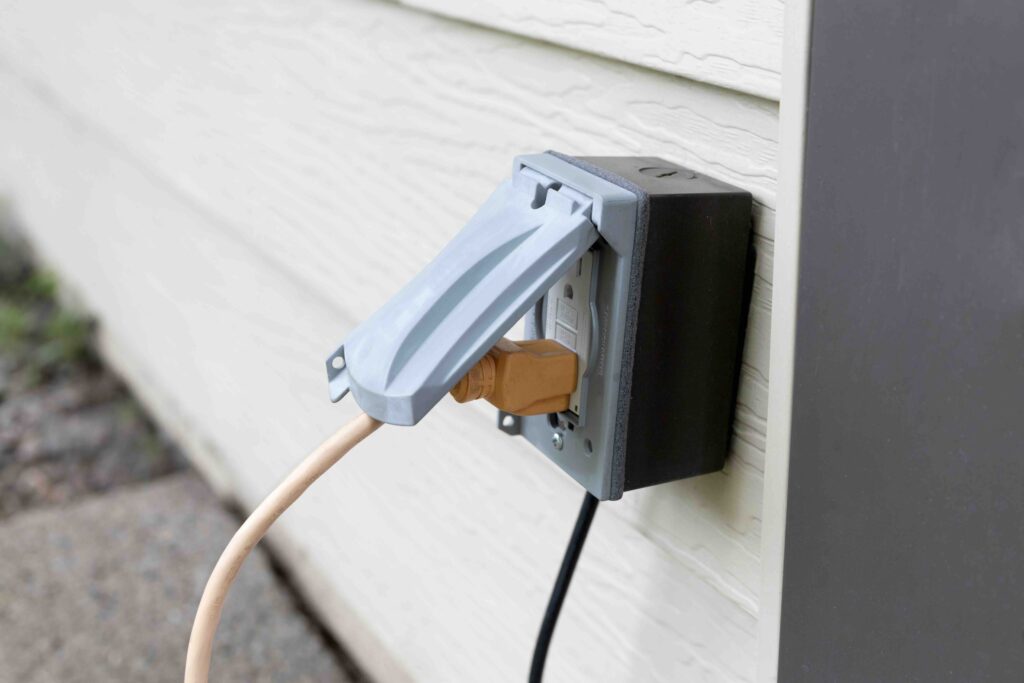
An outdoor outlet functions much like an indoor receptacle, drawing power from your home’s main electrical panel through a dedicated circuit. What sets it apart is the way it is designed to handle exposure to the elements. Most outdoor outlets installed in modern homes are equipped with GFCI protection — Ground Fault Circuit Interrupter — which monitors the flow of electricity through the circuit and immediately cuts power if it detects any irregularity, such as water intrusion or contact with a grounded surface. This is not optional in most jurisdictions; it is a code requirement. The outlet is housed inside a weatherproof box with a gasket seal and covered by an in-use cover, sometimes called a bubble cover, that allows the cover to remain closed even when a plug is inserted. The combination of GFCI protection, a sealed enclosure, and a durable cover creates a system that can handle rain, humidity, and temperature shifts without becoming a hazard.
The Role of Grounding in Outdoor Electrical Safety
Grounding is one of those topics that gets glossed over in casual conversation, but it plays a critical role in protecting both people and property. A grounded outlet includes a third prong connection — that round hole at the bottom of a standard outlet — which provides a path for excess electrical current to travel safely into the earth rather than through a person or a connected device. For outdoor outlets specifically, grounding is non-negotiable. The outdoor environment introduces variables like wet grass, standing water, and metal fixtures that can all create unintended paths for electrical current. Without proper grounding, a fault in a connected appliance or tool could result in a serious shock. This is why any outdoor outlet installation should be performed by a licensed electrician who understands local code requirements, proper grounding technique, and the right materials for exterior use.

Key Advantages of Having Outdoor Electrical Outlets
Once you have a properly installed outdoor outlet, the benefits become obvious pretty fast. The convenience factor alone is significant — no more running extension cords through windows or cracking doors to get power outside. Beyond convenience, outdoor outlets add real value to your home. Real estate professionals consistently note that functional, code-compliant exterior electrical access is a selling point, particularly for homes with developed outdoor living spaces. There is also a safety dimension worth mentioning: using indoor extension cords outdoors on a regular basis is a genuine fire and shock hazard. Dedicated outdoor outlets eliminate the temptation to take shortcuts. Here is a quick look at the main advantages:
- Provides safe, code-compliant power access for patios, decks, garages, and yards
- Eliminates the need for long indoor extension cords run through exterior openings
- GFCI protection adds a layer of safety that standard indoor outlets do not provide
- Increases home value and appeal for buyers who prioritize outdoor living
- Supports outdoor entertainment, landscaping equipment, and holiday lighting setups
Common Drawbacks and Limitations to Keep in Mind
No home feature is without its trade-offs, and outdoor outlets are no exception. The installation cost can be a surprise for homeowners who assume it is a minor project. Running a new circuit from the panel to an exterior wall, installing a weatherproof box, and ensuring everything meets code can cost several hundred dollars depending on your home’s layout and local labor rates. Existing outlets that were installed before current code requirements may lack GFCI protection or proper weatherproofing, and those should be evaluated and updated. There is also the issue of maintenance. Outdoor covers can crack or warp over time, gasket seals degrade, and debris can work its way into the enclosure. An outlet that looked fine last fall may not be providing the same level of protection by spring. Regular visual inspections are a good habit to develop.
Where Should Outdoor Outlets Be Installed?
Placement matters more than most homeowners expect. The National Electrical Code provides baseline guidance, including requirements for at least one outlet at the front and rear of single-family homes, located no more than a certain height above grade. But beyond meeting the minimum, it is worth thinking strategically about how you use your outdoor space. A deck or patio area benefits from outlets positioned at countertop or tabletop height for appliances and speakers. Near the garage, lower placement near the driveway supports power tools and car maintenance equipment. Garden areas or landscape zones may warrant additional outlets to avoid running long cords across the lawn. If you are planning an outdoor kitchen or a covered pergola with lighting, those spaces really need dedicated circuits designed around the anticipated load, not just a single outlet tapped from an existing circuit.
Installation Considerations and What to Expect
Homeowners who are comfortable with basic DIY projects sometimes underestimate what outdoor outlet installation actually involves. Unless you are adding an outlet in a location that can be easily tied into an existing exterior circuit, this is not typically a weekend project for the average homeowner. It involves working inside the electrical panel, running conduit or weatherproof cable through walls and exterior surfaces, and ensuring the entire assembly meets local inspection requirements. Permits are often required, and in many areas, the work must be performed or inspected by a licensed electrician. Cutting corners here is genuinely risky — not just from a safety standpoint, but from a home insurance and warranty coverage perspective as well. Unpermitted electrical work can complicate claims and create liability issues down the road.
Maintaining Your Outdoor Outlets Over Time
Once the installation is done correctly, maintenance is fairly straightforward but should not be skipped entirely. Test your GFCI outlets at least twice a year by pressing the test and reset buttons to confirm they are functioning properly. Inspect the weatherproof covers for cracks, missing gaskets, or signs of water infiltration. Check for any discoloration around the outlet face, which can indicate heat buildup or moisture exposure. If an outlet is tripping frequently or failing to reset, that is a signal worth taking seriously — it usually indicates either a wiring issue or a failing GFCI device, both of which need professional attention. A small amount of regular attention goes a long way toward keeping outdoor electrical systems safe and functional through seasonal changes.
How Outdoor Electrical Systems Fit Into Your Home Warranty
Here is where things get interesting from a home protection standpoint. Outdoor electrical components like exterior outlets, wiring, and circuit breakers are often included in comprehensive home warranty plans, though coverage specifics vary by provider and plan tier. When an outdoor GFCI outlet fails due to normal wear, a home warranty can offset the cost of repair or replacement, which is genuinely useful given that electrical service calls are rarely cheap. Armadillo home warranty coverage for electrical systems and outdoor components is designed to give homeowners real peace of mind without the fine-print frustration that comes with other providers. If you are investing in outdoor electrical upgrades, pairing that investment with a plan that protects your home’s systems makes a lot of practical sense. You can get a free home warranty quote that covers your outdoor electrical outlets and more in just a few minutes — and it is worth doing before something unexpected forces your hand.

Frequently Asked Questions About Outdoor Electrical Outlets
Homeowners have a lot of questions when it comes to outdoor electrical outlets, grounding requirements, and how these systems connect to home protection. Here are the most common ones answered clearly.
What is the difference between an indoor and outdoor electrical outlet?
Outdoor outlets are housed in weatherproof enclosures with sealed covers designed to keep moisture out. They are required by code to include GFCI protection, which indoor outlets in dry locations are not always required to have. The materials used in outdoor outlets and their boxes are also rated for temperature fluctuation and UV exposure.
Does an outdoor outlet need to be GFCI protected?
Yes. The National Electrical Code requires all outdoor receptacles to have GFCI protection. This applies to new installations and, in many jurisdictions, to any existing outdoor outlet that is being serviced or updated. GFCI protection is essential because outdoor environments introduce moisture and grounded surfaces that significantly increase shock risk.
Can I install an outdoor outlet myself?
While experienced DIYers can handle some electrical tasks, outdoor outlet installation often requires working inside the electrical panel and pulling permits. Most jurisdictions require licensed electricians for this type of work. Improper installation can create safety hazards and may void homeowner’s insurance coverage for related incidents.
How many outdoor outlets does a home typically need?
The NEC requires at least one accessible outlet at the front and rear of a home for single-family dwellings. However, the right number depends on how you use your outdoor space. Patios, decks, garages, garden areas, and outdoor kitchens each benefit from dedicated access points to avoid overloaded circuits and extension cord hazards.
Why does my outdoor outlet keep tripping?
Frequent tripping usually indicates a moisture intrusion issue, an overloaded circuit, a failing GFCI device, or a wiring fault somewhere in the circuit. A tripping GFCI should never be repeatedly reset without identifying the cause. Have a licensed electrician inspect the outlet and the circuit before continuing to use it.
Are outdoor outlets covered under a home warranty?
Many home warranty plans include coverage for electrical systems, which can encompass exterior outlets, wiring, and circuit breakers. Coverage specifics vary by provider and plan, so reviewing the terms carefully is important. Some providers offer more comprehensive electrical coverage than others, including components like GFCI outlets and outdoor-rated wiring.
What is an in-use cover and do I need one?
An in-use cover, also called a bubble cover or extra-duty cover, is a weatherproof cover that remains closed around a plugged-in cord, protecting the outlet from moisture while in use. The NEC requires in-use covers for all outdoor receptacles in wet locations. Standard flip covers that cannot close over a plug do not meet this requirement.
How do I test my outdoor GFCI outlet?
Press the test button on the outlet face. The outlet should lose power immediately. Then press the reset button to restore power. If the outlet does not respond correctly to either button, or if the reset button will not stay in, the GFCI device has likely failed and should be replaced by a qualified electrician.
Can outdoor outlets handle high-draw appliances like refrigerators or power saws?
Most standard outdoor outlets are rated for 15 or 20 amps, which supports a range of appliances and tools. However, high-draw equipment should be connected to a circuit sized appropriately for the load. Running multiple high-draw devices from a single outlet or circuit can trip breakers, cause overheating, or damage equipment. Consult an electrician if you plan to power significant outdoor appliances regularly.
What maintenance does an outdoor outlet require?
Test GFCI function twice yearly, inspect covers and gaskets for wear or damage, and check for any signs of discoloration or heat damage around the outlet face. Replace covers and gaskets when they show cracking or deterioration. Keep the outlet area clear of debris and ensure the enclosure seals properly after each use.