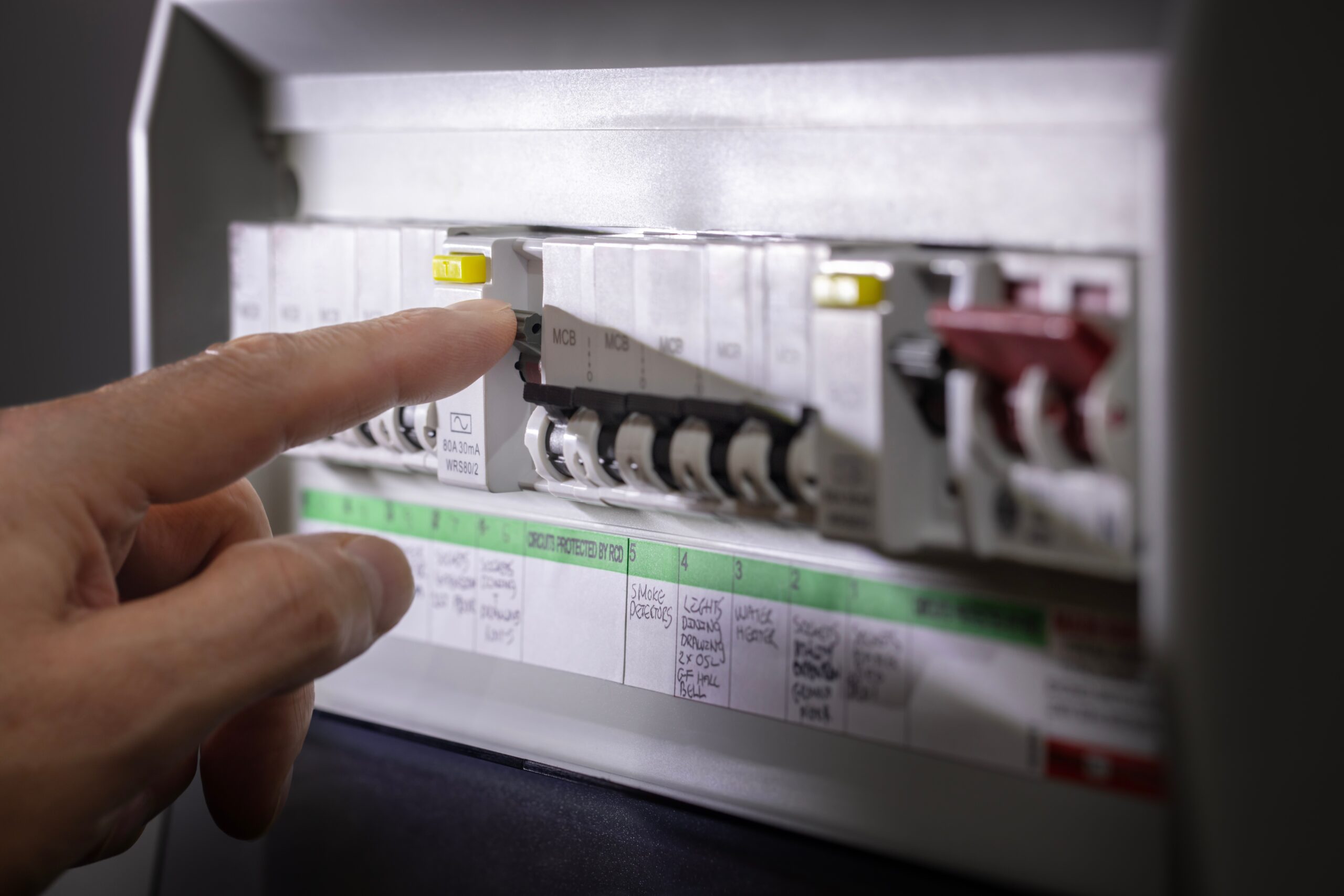
When Your Outlet Keeps Tripping the Breaker, Something Is Telling You to Pay Attention
There are home problems you can ignore for a while — a sticky door, a slow drain, maybe that one light switch that flickers under certain conditions. And then there are home problems that demand your attention right now. An outlet that keeps tripping your circuit breaker falls firmly in the second category. It is not just inconvenient. It is your home’s electrical system waving a red flag, and understanding what it means can save you money, prevent damage, and honestly, keep your household safe. This article walks through what is actually happening when this occurs, what grounding has to do with it, and how home warranty coverage plays a role in protecting you from the costs that tend to follow.
What It Actually Means When a Breaker Trips
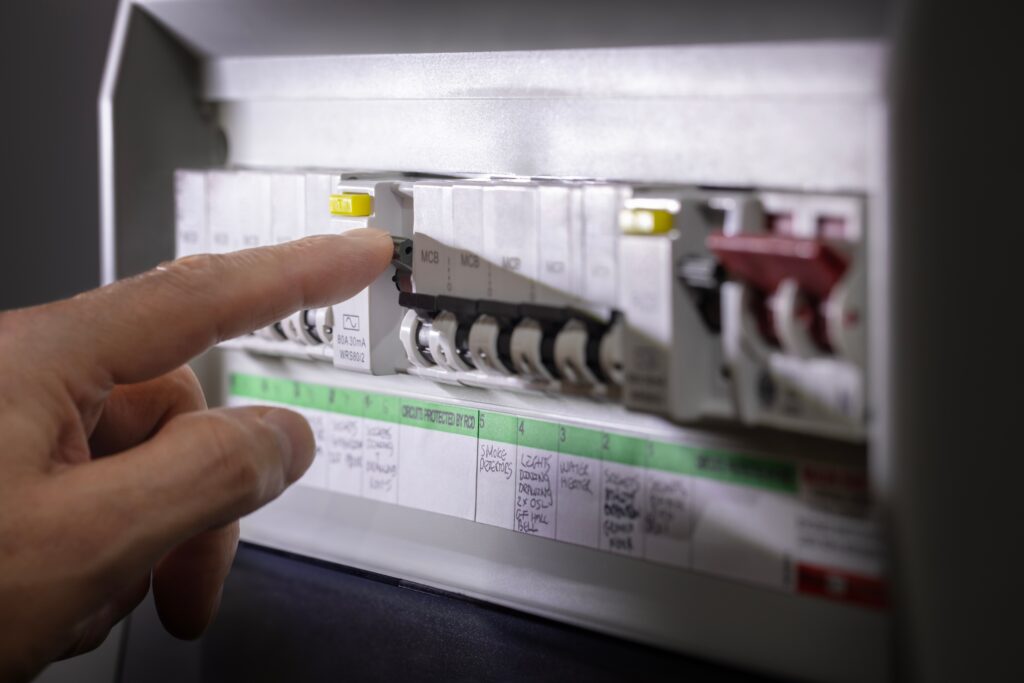
Your circuit breaker is a safety device, full stop. Its entire purpose is to interrupt electrical flow when something goes wrong — too much current, a fault, a short. When an outlet trips a breaker, the breaker is doing exactly what it was designed to do. The problem is not the breaker. The problem is whatever caused the breaker to react. That said, a breaker that trips repeatedly from the same outlet is a pattern, and patterns point to something more specific. It could be a circuit overload, meaning too many devices drawing power at once. It could also be a ground fault or a short circuit, both of which are more serious and need direct attention from a licensed electrician.
The Role of Grounding in Electrical Safety
Grounding is one of those things that sounds technical but makes perfect sense once explained simply. Every electrical outlet in your home is connected to three wires: a hot wire that carries current, a neutral wire that returns it, and a ground wire that provides a safe path for electricity to travel if something goes wrong. When an outlet is properly grounded, stray electrical current has somewhere to go that is not through your appliance or your body. An ungrounded outlet removes that safety layer entirely. Many older homes still have two-prong outlets, which lack that third ground connection. That setup is outdated, and pairing it with modern high-draw electronics creates real risk. If your outlet keeps tripping a breaker and it is also ungrounded, those two issues are often connected.
Common Reasons an Outlet Trips the Breaker Repeatedly
It helps to know what you are actually dealing with before calling anyone or doing anything. There are a few consistent culprits that come up in this situation, and knowing them makes the conversation with your electrician much more productive.
- Circuit overload from multiple high-wattage devices running simultaneously on one circuit
- A short circuit caused by damaged wiring inside the outlet or within a connected device
- A ground fault, which occurs when the hot wire contacts a grounded surface
- A faulty outlet that has degraded over time and is no longer making secure connections
- Outdated wiring that cannot handle modern electrical loads
- A worn or failing breaker that trips more easily than it should
Ground Fault Circuit Interrupters and Why They Matter
If you have ever noticed an outlet in your bathroom or kitchen with two small buttons labeled “Test” and “Reset,” that is a Ground Fault Circuit Interrupter, commonly called a GFCI outlet. These outlets are designed to detect even minor imbalances in electrical current and cut power within milliseconds. They are required by code in areas where water and electricity are in proximity — bathrooms, kitchens, garages, outdoor spaces. A GFCI outlet that trips constantly is doing its job, but it is also signaling that something in the circuit is triggering it. That needs to be looked at. Installing GFCI outlets in areas that lack them is one of the most cost-effective electrical upgrades a homeowner can make, and it meaningfully reduces the risk of electric shock.

When to Call a Licensed Electrician Immediately
Some situations are firmly outside the territory of DIY fixes, and electrical problems tend to sit at the top of that list. You should contact a licensed electrician without delay if the outlet in question shows burn marks or discoloration, if you smell burning near the outlet or panel, if the breaker trips immediately after being reset, or if multiple outlets are affected. These are not symptoms to troubleshoot with a YouTube tutorial. Electrical faults are one of the leading causes of residential fires, and the margin for error is essentially zero. Knowing when to step back and call a professional is not a sign of inexperience — it is the smart move every time in this context.
What Homeowners Often Overlook About Electrical System Maintenance
Electrical systems are largely invisible, which makes them easy to neglect until something breaks. Most homeowners do not think about their wiring, outlets, or panel until a problem forces the conversation. But there are some practical habits that reduce the likelihood of winding up in a situation where an outlet is repeatedly tripping a circuit breaker.
- Avoid daisy-chaining power strips or running multiple high-draw appliances from a single outlet
- Have your electrical panel inspected if your home is more than 20 years old
- Replace outdated two-prong outlets with properly grounded three-prong versions
- Test GFCI outlets monthly using the built-in test button to confirm they are functioning
- Pay attention to flickering lights or warm outlet covers, both of which suggest wiring issues
The Cost Side of Electrical Repairs
Electrical work is not cheap. Replacing a single outlet might run anywhere from $100 to $250 once you factor in labor. Upgrading an entire panel can cost several thousand dollars. Rewiring sections of a home to bring them up to modern safety standards is a significant project that can run well into five figures depending on the size and age of the home. These are not hypothetical numbers — they represent real out-of-pocket expenses that homeowners face every year. And because electrical issues often surface without any warning, the timing tends to be inconvenient. That unpredictability is exactly why having a financial safety net in place matters.
How Home Warranty Coverage Applies to Electrical Problems
A home warranty is a service contract that covers the repair or replacement of major home systems and appliances when they fail due to normal wear and tear. Electrical systems are typically included in comprehensive home warranty plans, and that coverage can extend to wiring, outlets, circuit breakers, and panels. When an outlet keeps tripping a breaker and an electrician determines the cause is a covered failure — say, a faulty breaker or degraded wiring — a home warranty plan can absorb a substantial portion of that repair cost. That is a meaningful benefit when you are already dealing with the stress of a system failure. It is worth reviewing the specific terms of any plan carefully, since coverage details vary, but electrical system coverage is a standard component of quality home warranty products.
Why Armadillo Is Worth Considering for Electrical and Home System Coverage
When an outlet starts tripping your breaker repeatedly, the last thing you want to be doing is scrambling to find a contractor, negotiate a price, and figure out how to pay for it all at once. That is the problem a well-structured home warranty solves, and it is exactly what Armadillo home warranty coverage for electrical systems and major home repairs is built around. Armadillo offers straightforward plans that cover the home systems homeowners actually rely on, with a claims process designed to be simple rather than painful. If you have been putting off thinking about coverage — or if a situation like a tripping breaker has made you realize how quickly repair costs can pile up — now is a reasonable time to act. You can take the first step and get a free home warranty quote to protect your electrical system and the rest of your home in just a few minutes. The peace of mind that comes from knowing a repair will not derail your budget is genuinely worth something.

Frequently Asked Questions About Outlets Tripping Breakers and Grounding
Why does my outlet keep tripping the breaker even with nothing plugged in?
If a breaker trips with nothing plugged into the outlet, the issue is likely within the wiring itself — a short circuit, damaged insulation, or a fault in the outlet. This requires inspection by a licensed electrician as soon as possible.
Is it safe to keep resetting a breaker that keeps tripping?
Resetting a breaker once to restore power is reasonable. Resetting it repeatedly without identifying the cause is not safe and can mask a serious underlying issue. If it trips again after a single reset, stop and call an electrician.
What is the difference between a ground fault and a short circuit?
A short circuit occurs when a hot wire contacts a neutral wire, creating a sudden surge of current. A ground fault happens when a hot wire contacts a grounded surface or person. Both are dangerous and both can trip a breaker.
Can an ungrounded outlet cause a breaker to trip?
Yes. Ungrounded outlets lack the path needed to safely redirect stray current, which can result in fault conditions that trigger a breaker. Upgrading to grounded outlets eliminates this vulnerability and improves overall safety.
How do I know if my outlet is grounded?
A grounded outlet has three slots — two vertical and one rounded below them. Two-prong outlets with only two vertical slots are ungrounded. An electrician can also use a circuit tester to confirm whether grounding is functional even in three-prong outlets.
Does a home warranty cover outlet and wiring repairs?
Many home warranty plans include electrical system coverage, which can encompass outlets, wiring, circuit breakers, and panels. Coverage details vary by provider and plan, so reviewing the service agreement before purchasing is essential.
What causes a GFCI outlet to keep tripping?
A GFCI outlet trips when it detects a current imbalance, which can be caused by moisture intrusion, a wiring fault, a failing appliance, or a defect in the outlet itself. Persistent tripping should be evaluated by an electrician rather than repeatedly reset.
How much does it cost to replace a faulty outlet?
Standard outlet replacement typically costs between $100 and $250 depending on the outlet type and local labor rates. GFCI outlet installation may cost slightly more. Panel-level repairs or rewiring projects can cost significantly higher.
Can I replace an outlet myself to stop the breaker from tripping?
Outlet replacement is technically within the range of experienced DIYers, but if a breaker is tripping repeatedly, the problem likely extends beyond the outlet itself. Professional diagnosis is strongly recommended before any replacement work begins.
How often should a home’s electrical system be inspected?
Most electrical contractors recommend a full inspection every three to five years for standard homes, and more frequently for homes over 25 years old or those that have undergone significant renovations. Inspections help catch problems before they become costly emergencies.