When Your Oven Stops Working: Understanding a Broken and Grounded Heating Coil
You preheat the oven, wait the usual ten minutes, and then notice something is off. Maybe the oven never reaches temperature. Maybe you see a visible burn mark on the coil. Or maybe the breaker trips every single time the oven turns on. That last one is a sign of something specific, a grounded heating coil, and it is worth understanding what that actually means before you call anyone or panic about dinner. Oven issues are frustrating, and a broken or grounded heating coil is one of the more common culprits behind a suddenly useless range. Here is what you need to know.
What Is an Oven Heating Coil and What Does It Actually Do
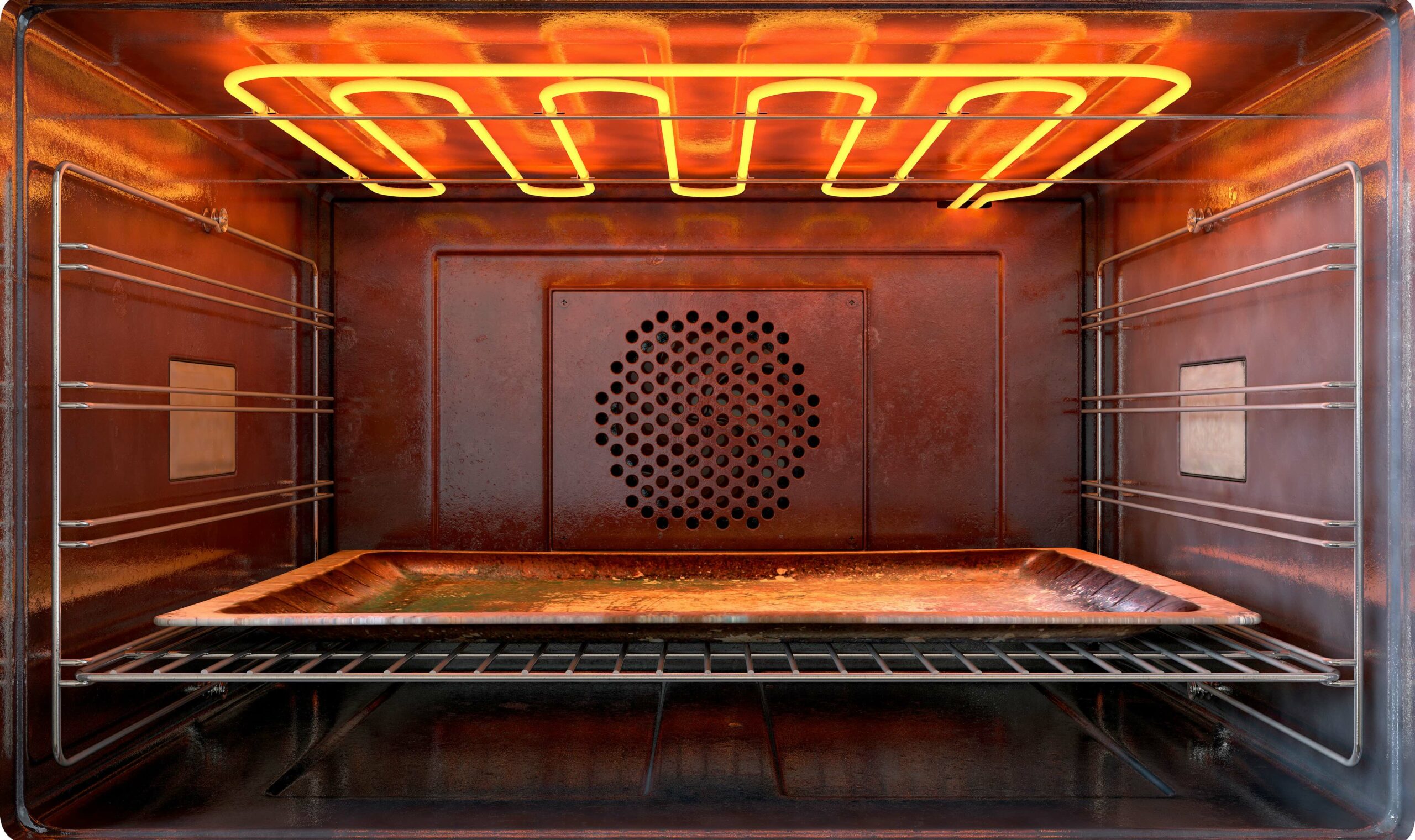
The heating coil in an electric oven is the element responsible for generating heat. There are typically two of them: a bake element at the bottom of the oven cavity and a broil element at the top. When you set a temperature, electricity flows through these coils, which are made from a resistive metal alloy, usually nichrome, and they heat up as a result of that electrical resistance. The coil glows red when it is functioning correctly, and the heat radiates into the oven cavity to cook your food. It is a straightforward system, and for most ovens it works reliably for years. The coil itself is enclosed in a metal sheath, and inside that sheath there is insulating powder surrounding the actual wire. That insulation is important, and we will get to why in a moment.
What Does It Mean When a Heating Coil Is Broken
A broken heating coil usually refers to a physical break or failure in the element itself. Over time and after thousands of heating cycles, the metal can fatigue, develop cracks, or actually fracture. When this happens, the circuit is interrupted and electricity cannot flow through the element properly. The result is an oven that simply does not heat, or one that heats unevenly because only part of the element is functioning. You might notice the coil has a visible hole or blister in it, a section that does not glow, or scorch marks on the oven floor beneath the element. Sometimes the break is obvious. Sometimes it is subtle enough that you have to run the oven and watch carefully to spot it.
What Does It Mean When a Heating Coil Is Grounded
This one is a little more technical, but it is worth understanding. A grounded heating coil means that the electrical current inside the element has found an unintended path to ground, which is typically the metal sheath or the body of the oven itself. Remember that insulating powder inside the coil sheath? When moisture gets in, when the element overheats, or when the insulation simply degrades with age, that powder can break down. Once that happens, the wire inside the sheath can make contact with the outer metal casing. That is a ground fault. When a grounded element is energized, it causes the breaker to trip because the circuit protection system detects the abnormal current path and shuts everything down. A grounded element is not just a performance issue, it is a safety concern, and it should be treated as one.
How to Tell If Your Heating Coil Is Broken or Grounded
There are a few signs that point fairly clearly toward one of these two problems. Knowing which issue you are dealing with helps you communicate with a technician and understand what kind of repair is ahead of you.
- The oven does not heat at all, or heats unevenly across the cavity
- You can see a visible crack, blister, or burn mark on the element itself
- The circuit breaker trips every time the oven is turned on or attempts to preheat
- There is a burning smell or visible arc flash inside the oven cavity
- A section of the element fails to glow red while the rest of it does
- The oven trips GFI outlets or causes flickering lights when it runs
A multimeter can confirm whether the element has continuity and whether there is a fault to ground. If you are comfortable with basic electrical testing, this is something you can check yourself after unplugging or shutting off power to the appliance. If not, a qualified technician can diagnose it quickly.

Common Causes Behind Heating Coil Failure
Heating coil failures do not usually come out of nowhere. There are patterns to why and when they happen. Normal wear and tear is the most common reason, since elements are designed to last but not indefinitely. Heavy use accelerates the timeline. Spills that land on the element and burn during cooking can cause localized damage over time. Using the oven’s self-cleaning cycle repeatedly puts the element under extreme thermal stress, which can shorten its lifespan. Manufacturing defects can also be a factor in younger appliances. For grounded elements specifically, moisture intrusion is a frequent cause, whether from steam during cooking, cleaning with too much water, or a humid environment. Whatever the cause, the failure tends to announce itself pretty clearly once it happens.
Is This a DIY Repair or a Job for a Professional
Replacing a heating element is actually one of the more approachable appliance repairs for a confident homeowner. In many ovens, the bake element is held in place by just a couple of screws, and the wiring connectors pull off without special tools. The key is making absolutely sure the oven is unplugged or the breaker is fully off before touching anything. For a straightforward broken element with no underlying wiring issues, a replacement element can cost between twenty and eighty dollars depending on the brand and model, and the job can take less than an hour. A grounded element situation deserves more caution. While the element replacement itself may still be straightforward, a ground fault can sometimes indicate that moisture or damage has affected wiring beyond just the element. Having a technician inspect the full circuit in that case is a smart move.
What the Repair Costs Look Like Without a Home Warranty
Out-of-pocket repair costs for an oven heating element replacement can vary widely. The part itself is usually affordable, but labor charges from an appliance repair technician typically run between seventy-five and one hundred fifty dollars per hour depending on your location. Diagnostic fees are often charged separately, sometimes fifty dollars or more, just to have someone come out and confirm what is wrong. A complete service call for a broken or grounded heating element, including parts and labor, generally lands somewhere between one hundred fifty and three hundred dollars. That is a manageable number for a one-time event, but if your oven is failing alongside other appliances in the home, those costs stack up fast.
How a Home Warranty Covers Oven Heating Coil Problems
A home warranty is a service contract that covers the repair or replacement of home systems and appliances when they break down due to normal wear and use. Ovens are commonly included in appliance coverage plans, and a failed heating element, whether broken or grounded, typically qualifies as a covered failure because it results from the natural degradation of the component over time. Under a home warranty, instead of paying the full cost of diagnosis, parts, and labor, you pay a service call fee, which is usually a flat amount set by your plan, and the warranty handles the rest. For homeowners who rely on their appliances daily and want predictable repair costs, this is exactly the kind of coverage that makes financial sense.
Why Armadillo Is the Right Call When Your Oven Heating Coil Fails
When a heating coil breaks or grounds out, the last thing you want to navigate is a confusing warranty claim process or a company that questions whether the failure qualifies for coverage. Armadillo was built differently. Coverage is transparent, claims are straightforward, and the focus is on actually helping homeowners get their appliances back in working order without unnecessary friction. If you have been looking for reliable home warranty coverage for kitchen appliances and oven repairs, Armadillo is worth a serious look. The plans are designed to cover the kinds of real-world failures that happen in real homes, including heating element breakdowns exactly like the one described in this article. If your oven is already giving you trouble or you want to get ahead of the next repair bill, you can get a free home warranty quote that covers oven and appliance failures in just a few minutes. Protecting your home should feel simple, and with Armadillo, it actually is.

Frequently Asked Questions About Broken and Grounded Oven Heating Coils
These are the questions homeowners ask most often when dealing with a failed oven heating element. The answers are straightforward and designed to help you take the right next step.
Can I still use my oven if the heating coil is broken?
If the bake element is broken but the broil element still works, you may be able to use broil mode temporarily. However, using an oven with a visibly damaged or grounded element is not recommended because it presents a fire and electrical hazard. It is best to stop using the oven until the element is replaced.
How long does an oven heating element typically last?
Most oven heating elements last between ten and fifteen years under normal use. Frequent use, repeated self-cleaning cycles, and food spills on the element can shorten that lifespan considerably.
Why does my oven trip the breaker every time I turn it on?
This is the classic sign of a grounded heating element. The element has developed an electrical fault to ground, and the breaker trips as a safety response. Do not continue resetting the breaker and running the oven. The element needs to be replaced and the wiring should be inspected.
Is a grounded oven heating coil dangerous?
Yes, a grounded element is a safety concern. It indicates that electrical current is flowing where it should not, which can create a shock or fire risk. The oven should not be used until the issue is repaired by a qualified technician or a knowledgeable homeowner who has safely disconnected the power.
How much does it cost to replace an oven heating element?
The element itself usually costs between twenty and eighty dollars depending on the brand and model. With professional labor, total repair costs typically range from one hundred fifty to three hundred dollars for a standard service call.
Does a home warranty cover a broken oven heating element?
In most cases, yes. Home warranty plans that include appliance coverage typically cover heating element failures because they result from normal wear and use. Review your specific plan terms to confirm coverage details and any applicable service call fees.
Can I replace the oven heating element myself?
For many ovens, yes. The bake element is often accessible with basic tools and minimal technical skill. The most important step is cutting power to the appliance completely before starting. If the failure appears to involve the wiring beyond the element, a professional repair is the safer choice.
How do I know if my oven has a bake element or a broil element problem?
If the oven does not heat during baking but works on broil, the bake element is likely the issue. If the broil function fails or the element at the top of the oven shows damage, the broil element is the problem. Both elements can fail independently and are tested and replaced separately.
Can moisture cause a heating element to fail?
Yes. Moisture that gets into the element sheath can degrade the internal insulating powder, eventually causing the inner wire to contact the metal casing. This leads to a ground fault. Steam from cooking, excess water during cleaning, and high kitchen humidity can all contribute over time.
What should I do immediately after discovering a broken or grounded heating coil?
Stop using the oven right away. If the breaker has tripped, do not reset it until the element has been inspected and replaced. Disconnect power to the appliance either by unplugging it or switching off the dedicated circuit breaker, then arrange for inspection and repair before resuming use.