When Your Oven Refuses to Heat Up: What Every Homeowner Should Know
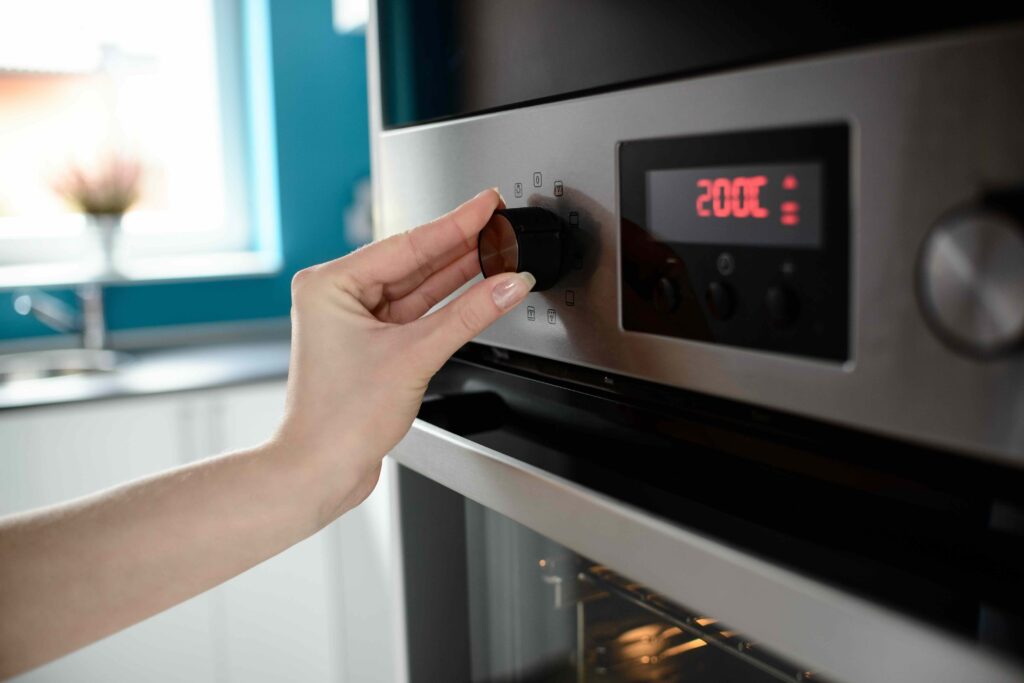
You set the oven to 375 degrees, wait the standard preheat time, slide in your dish, and then nothing cooks the way it should. The oven is on, the light is on, maybe even the display looks perfectly normal — but the temperature inside tells a different story. An oven not reaching temperature is one of those frustrating, slow-burn kitchen problems that tends to get ignored longer than it should. This article breaks down exactly what is happening inside your oven when it fails to heat properly, what causes it, and what you can realistically do about it — including why having a home warranty in place before the problem happens makes a significant difference.
How Your Oven Actually Heats Up
Most residential ovens, whether gas or electric, rely on a surprisingly straightforward heating system. In an electric oven, one or two heating elements — typically a bake element at the bottom and a broil element at the top — receive electrical current and convert it into heat. A temperature sensor inside the oven cavity monitors the internal temperature and communicates with the control board to cycle the elements on and off, maintaining the target temperature you set. In a gas oven, a burner ignites beneath a baffle at the bottom of the cavity, and the heat rises naturally or is distributed by a convection fan. A temperature sensor and control system regulate the flame in much the same way. When any of these components begin to fail, the oven loses its ability to reach or maintain the correct temperature — and that is when dinner plans start to fall apart.
The Most Common Reasons an Oven Will Not Reach Temperature
There is rarely just one cause. The reason your oven is underperforming usually comes down to one of several components reaching the end of its service life. Here are the culprits worth knowing:
- A faulty bake or broil heating element that is partially broken or burned out
- A worn or inaccurate oven temperature sensor, also called a thermistor
- A failing igniter in a gas oven that cannot sustain a strong enough flame
- A damaged or malfunctioning control board that misreads sensor data
- A worn door gasket that allows heat to escape the oven cavity
- Calibration drift, where the oven’s internal temperature reading has shifted over time
Each of these issues presents differently, but the symptom is almost always the same: food takes longer to cook, or it comes out underdone when the recipe said it should be finished. Some failures are gradual and some are sudden, but they all warrant attention before the oven stops working entirely.
Electric vs. Gas Oven Failures: What Sets Them Apart
The type of oven you have matters when diagnosing a temperature problem. In an electric oven, a burned-out bake element is one of the most common failures and is usually visible — you may see a break in the element coil or notice it is not glowing red during operation. The repair involves disconnecting power and replacing the element, which is a relatively straightforward job for an experienced appliance technician. In a gas oven, the igniter is the most frequent offender. A weak igniter draws insufficient amperage to open the gas valve fully, which means the flame either does not ignite at all or burns too low to generate adequate heat. Gas igniter replacements are common repairs, but they do require a professional who is comfortable working with gas appliances. Attempting a gas oven repair without the right knowledge is not a shortcut worth taking.

The Role of the Temperature Sensor and Why It Matters
The oven temperature sensor is a small but critical component. It sits inside the oven cavity, typically near the top rear wall, and continuously measures the internal temperature. This reading is sent back to the electronic control board, which uses it to decide when to cycle the heating element or burner on and off. When the sensor drifts or fails, the oven essentially loses its ability to self-regulate. You might set 350 degrees and get 275, or the oven might overshoot and run hotter than expected. Testing the sensor with a multimeter is a standard diagnostic step a technician will take early in the repair process. A faulty sensor is generally an affordable fix, but it needs to be the right part for your specific appliance model.
Door Gaskets and Heat Loss: An Overlooked Factor
The oven door gasket is one of those components that rarely gets attention until something goes wrong. This silicone or fiberglass seal runs along the perimeter of the oven door and creates a tight closure when the door is shut. Over time, gaskets compress, crack, or pull away from the door frame — and even a small gap allows enough heat to escape that the oven cannot maintain its target temperature. You can often detect a failing gasket by carefully holding your hand near the door seal while the oven is on. Any noticeable heat escaping along the edges is a sign the gasket needs to be replaced. This is one of the more affordable oven repairs and is sometimes even a DIY-friendly fix depending on your oven model.
Oven Calibration: A Simple Fix That Is Frequently Missed
Not every temperature issue is a broken part. Sometimes an oven simply drifts out of calibration over years of use. Many modern ovens allow homeowners to manually adjust the internal calibration through the control panel, typically in increments of five to ten degrees. If your oven consistently runs cool by 25 degrees and a technician has ruled out a failing sensor or element, recalibrating the oven is a reasonable step. An inexpensive standalone oven thermometer placed inside the cavity is a reliable way to verify what the actual internal temperature is versus what the display reads. This small tool should honestly be in every kitchen, because oven accuracy varies more than most people realize even on newer appliances.
When to Call a Professional vs. When to Wait
There is a tendency to delay appliance repairs, especially when the appliance is still technically functioning in some capacity. Resist that instinct. An oven that is running below temperature is not just inconvenient — it is a sign that a component is in the process of failing, and continued use accelerates the damage to surrounding parts. If the oven is completely failing to heat, producing unusual smells, tripping a circuit breaker, or if it is a gas oven showing any signs of ignition problems, call a licensed appliance technician promptly. For slower, more subtle issues like gradual temperature loss, you have a bit more time — but still schedule service sooner rather than later. Early repairs almost always cost less than repairs that happen after a full component failure has cascaded into additional damage.
How Home Warranties Factor Into Oven Repair Costs
Appliance repairs are one of those expenses that arrive without warning and land at the worst possible time. A standard oven repair can range from a modest sensor replacement to a several-hundred-dollar control board repair, and those costs can climb quickly if multiple components are involved. This is exactly where a home warranty earns its value. A quality home warranty plan covers the repair or replacement of major kitchen appliances, including your oven, when they fail due to normal wear and use. Rather than absorbing the full cost of a service call, parts, and labor, you pay a predictable service fee and let the warranty handle the rest. For homeowners who rely on their kitchen appliances daily, that financial protection is not just convenient — it is genuinely practical.
Why Armadillo Is the Right Home Warranty Partner for Appliance Coverage
When your oven stops heating properly, the last thing you want is to navigate a complicated claims process or argue over coverage exclusions. That is where Armadillo’s home warranty coverage for kitchen appliances and home systems stands apart. Armadillo was built around the homeowner experience, with transparent coverage terms, straightforward claims, and real responsiveness when something breaks down. No fine print designed to trip you up, no runaround when you need service. If your oven is showing signs of trouble — or even if it is working fine right now — the smart move is to have protection in place before the next repair bill arrives. You can get a free home warranty quote for oven and appliance protection in minutes and know exactly what you are covered for going forward. Armadillo takes the uncertainty out of home ownership, one covered repair at a time.

Frequently Asked Questions About an Oven Not Getting to Temperature
Why is my oven not reaching the temperature I set?
The most common reasons include a faulty heating element, a worn temperature sensor, a failing gas igniter, a damaged door gasket, or calibration drift. A professional technician can diagnose the specific cause with a standard inspection and multimeter testing.
How can I tell if my oven’s temperature sensor is bad?
If your oven consistently heats unevenly or reads a temperature significantly different from what an independent oven thermometer shows, the sensor is likely failing. A technician can test the sensor’s resistance with a multimeter to confirm whether it needs replacement.
Is it safe to keep using an oven that does not heat properly?
Using an oven that is underheating can result in improperly cooked food, which poses a food safety risk. It can also indicate a component that is actively failing, and continued use may cause further damage to surrounding parts. Scheduling service promptly is the better choice.
How much does it cost to repair an oven that will not reach temperature?
Repair costs vary depending on the faulty component. A heating element or temperature sensor replacement may cost between $150 and $300 including labor, while a control board repair can run $200 to $500 or more. A home warranty can significantly reduce or eliminate these out-of-pocket costs.
Can I recalibrate my oven myself if it is running too cool?
Many ovens allow temperature calibration adjustments through the control panel settings. Consult your owner’s manual for the specific steps for your model. Using an independent oven thermometer to verify actual internal temperature before and after adjustment is strongly recommended.
What is the average lifespan of a residential oven?
Most ovens are designed to last between 13 and 15 years with regular use and proper maintenance. Component failures can occur earlier depending on usage frequency, maintenance history, and the quality of the appliance.
Does a home warranty cover oven repairs?
Most standard home warranty plans include coverage for built-in ovens and ranges when they fail due to normal wear and use. It is important to review the specific terms of your plan to understand what components and failure types are included.
How do I know if my oven’s door gasket needs to be replaced?
Inspect the gasket along the interior perimeter of the oven door for visible cracks, compression damage, or sections that have pulled away from the frame. You can also hold your hand carefully near the door seal during operation to check for heat escaping, which indicates a failed seal.
Why does my gas oven take so long to preheat?
A slow-preheating gas oven is often a sign of a weakening igniter that cannot generate enough heat to fully open the gas valve, resulting in a lower flame output. This is one of the most common gas oven repairs and should be addressed by a qualified technician.
What is the difference between an oven not heating and an oven heating unevenly?
An oven that does not heat at all typically points to a complete element or igniter failure. Uneven heating, where some areas cook faster than others, is more often related to a failing temperature sensor, a partially failed element, or issues with the convection fan if the oven has one.