When Your Oven Stops Working: What Every Homeowner Needs to Know
You preheat the oven, go about your evening, and then realize twenty minutes later that it never actually got hot. Or maybe the display is dead. Or it trips a breaker every single time you turn it on. Whatever the scenario, a non-working oven is frustrating in a very immediate, very dinner-ruining kind of way. The good news is that oven failures are usually diagnosable, often repairable, and in many cases, covered under a home warranty. This article walks through why ovens stop working, what it means when your oven is grounded, and how a home warranty fits into the equation when things go sideways in the kitchen.
How a Home Oven Actually Works
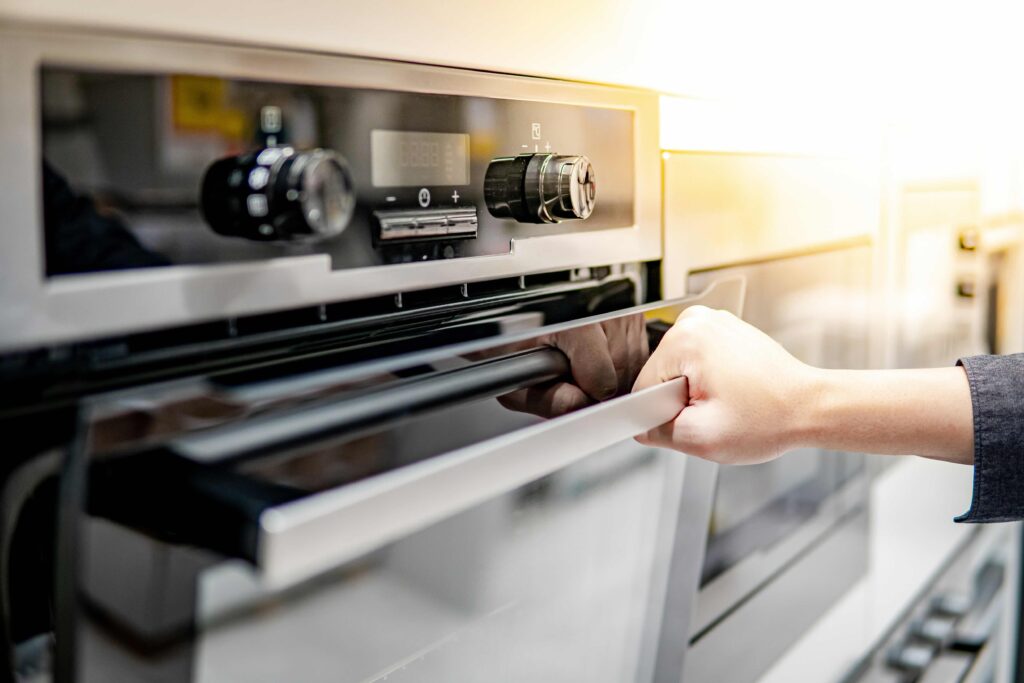
Most residential ovens fall into two categories: gas and electric. Gas ovens use a burner ignited by either a standing pilot or an electronic igniter, with the heat regulated by a thermostat. Electric ovens rely on heating elements, typically one for baking and one for broiling, powered through dedicated high-voltage circuits. Both types depend on a network of components working in harmony, including control boards, temperature sensors, wiring, and safety mechanisms. When any one of those pieces fails, the whole system can go dark. That is why diagnosing an oven issue is rarely as simple as it looks from the outside.
What Does It Mean When an Oven Is Grounded
This is where a lot of homeowners get confused, and understandably so. A grounded oven, in the electrical sense, refers to an appliance that has developed a fault causing electrical current to flow through the ground wire rather than through its intended path. Grounding is actually a safety feature built into your home’s electrical system to prevent electrocution and reduce fire risk. When an oven is described as grounded in the context of a malfunction, it typically means there is a short circuit somewhere in the appliance. This can happen due to damaged wiring, a failed heating element, moisture intrusion, or a faulty component inside the control board. The oven’s safety systems detect the abnormal current flow and either trip the circuit breaker or cause the appliance to shut down entirely.
Common Reasons an Oven Stops Working
A dead oven is not always caused by an electrical fault. There are several common culprits that technicians encounter regularly during service calls:
- Burned out heating elements, which is one of the most frequent causes in electric ovens
- Faulty igniters in gas ovens that fail to produce enough heat to open the gas valve
- A tripped or blown circuit breaker caused by an electrical short or power surge
- Failed temperature sensors or thermostats that give incorrect readings to the control board
- A damaged or malfunctioning control board, which essentially acts as the brain of the appliance
- Loose or corroded wiring connections, particularly in older appliances
- A grounded heating element that is drawing current through unintended paths
Some of these repairs are relatively inexpensive. Others, like a control board replacement, can cost several hundred dollars in parts alone. That is where homeowners start doing the math on whether to repair or replace, and whether they have coverage that offsets the cost.
How to Tell If Your Oven Has an Electrical Grounding Problem
There are a few signs that point specifically toward an electrical grounding issue rather than a straightforward component failure. If your oven repeatedly trips the same circuit breaker, that is a strong indicator of a short circuit or ground fault. If the oven display goes dead without any apparent cause, or if you feel a mild tingling or shock when touching the appliance, both of those are signals that something in the electrical system is not behaving correctly. In some cases, a burning smell or visible scorch marks near the back panel of the oven can indicate wiring that has arced or melted. Any of these symptoms warrant an immediate call to a qualified appliance technician. This is not a situation where a basic tutorial and a screwdriver are the right approach.
Should You Repair or Replace a Broken Oven
The decision to repair or replace depends on a few key factors: the age of the appliance, the cost of the repair relative to a new unit, and whether the failure is isolated or indicative of broader wear. A general rule of thumb used by many appliance professionals is the fifty percent rule. If the cost of the repair exceeds fifty percent of the cost of a comparable new appliance, replacement often makes more financial sense. That said, if the oven is relatively new and the failure is isolated to a single component, repair is almost always the smarter move. A home warranty changes this calculation significantly, because it can eliminate or dramatically reduce out-of-pocket repair costs and shift the burden of that decision away from your wallet.

What a Home Warranty Covers When Your Oven Breaks Down
A home warranty is a service contract that covers the repair or replacement of major home systems and appliances when they break down due to normal wear and tear. Most standard home warranty plans include kitchen appliances, and ovens are almost universally on that list. When your oven stops working, instead of scrambling to find a technician and negotiating repair bills, you contact your warranty provider, pay a service fee, and a qualified technician is dispatched to diagnose and repair the problem. If the repair is covered, the warranty absorbs the cost above your service fee. It is a straightforward model that removes a significant amount of financial unpredictability from homeownership.
What Home Warranties Typically Do Not Cover
Understanding the limitations of a home warranty is just as important as knowing what it covers. Most policies exclude pre-existing conditions, meaning failures that existed before the warranty was purchased. They also typically exclude cosmetic damage, improper installation, and failures caused by misuse or neglect. Some plans have caps on repair or replacement payouts, which matters when dealing with higher-end appliance brands. Reading the contract carefully before purchasing is essential. The goal is to find a plan that is transparent about its terms and does not bury exclusions in fine print that only surfaces at the worst possible moment.
Practical Tips for Homeowners Dealing With a Broken Oven
If your oven has stopped working or is showing signs of an electrical fault, there are a few practical steps to take before the technician arrives:
- Check your circuit breaker panel to see if the oven’s dedicated breaker has tripped, and reset it once if it has
- Do not repeatedly reset a tripped breaker without understanding why it tripped in the first place
- Avoid using the oven if you notice a burning smell, visible damage to wiring, or any sign of electrical arcing
- Document the symptoms with photos or video to help the technician diagnose the issue faster
- Locate your appliance model and serial number, usually found on a label inside the door frame, as the technician will need it
- If the oven is under a home warranty, contact your provider before scheduling an independent repair to avoid voiding your coverage
Why Armadillo Is Worth Considering for Oven and Appliance Coverage
When an oven fails, especially one with an electrical fault or grounding issue, the repair bill can move fast. Labor, diagnostic fees, and parts add up in a hurry, and most homeowners are not holding a contingency fund specifically for appliance repairs. That is exactly the gap a well-structured home warranty is designed to fill. Armadillo home warranty coverage for kitchen appliances and home systems is built around transparency and simplicity, two things that are frustratingly rare in this industry. There are no surprise exclusions buried in clause fourteen of a thirty-page contract. The plans are clear, the service process is straightforward, and the coverage is designed to actually be useful when something like an oven breakdown happens. If you are tired of guessing what might be covered or dreading the next appliance failure, now is a good time to get a personalized home warranty quote for oven and appliance protection and see what a plan actually looks like for your home.

Frequently Asked Questions About Oven Failures and Home Warranty Coverage
Answers to the questions homeowners ask most often when their oven stops working or shows signs of an electrical fault.
Why did my oven suddenly stop working with no warning?
Ovens can fail without warning due to a burned out heating element, a failed igniter, a blown thermal fuse, or an electrical fault. Control boards in particular can fail abruptly. In most cases, the failure is component-specific and the oven is repairable.
What does it mean when an oven trips the circuit breaker?
A tripped circuit breaker usually indicates a short circuit or ground fault within the appliance. This is a safety response from your home’s electrical system. The underlying cause needs to be diagnosed by a technician before the appliance is used again.
Is a grounded oven dangerous to use?
Yes. If your oven is experiencing a ground fault, it should not be used until a qualified technician has inspected and repaired it. Electrical faults in appliances can pose shock and fire risks.
Will a home warranty cover an oven that stopped working due to a grounding issue?
Most home warranty plans cover oven failures caused by electrical faults, including grounding issues, as long as the failure is the result of normal wear and tear and not improper installation or pre-existing conditions. Review your specific plan terms to confirm coverage details.
How much does it typically cost to repair a broken oven?
Oven repair costs vary widely depending on the type of failure. Heating element replacements may cost between one hundred and three hundred dollars. Control board replacements can exceed five hundred dollars. A home warranty can significantly reduce or eliminate these costs.
How do I know if my oven heating element is burned out?
Visible signs include blistering, breaks, or holes in the element itself. The oven may also heat unevenly or not at all. In electric ovens, a healthy bake element typically glows red when functioning correctly.
Does a home warranty cover both gas and electric ovens?
Yes, most home warranty plans cover both gas and electric ovens. Coverage details may vary between providers and plan tiers, so it is worth confirming before purchasing a policy.
Can I repair a grounded oven myself?
Electrical faults in ovens are not recommended for DIY repair. Working on high-voltage appliance wiring without proper training and tools carries real safety risks. A licensed appliance technician should handle any repair involving electrical shorts or ground faults.
How do I file a home warranty claim for a broken oven?
Contact your home warranty provider through their website, app, or phone line as soon as the issue occurs. Provide details about the appliance and the symptoms. The provider will dispatch a service technician, and you pay the applicable service fee. Do not schedule an independent repair before contacting your provider, as this can affect coverage.
What is the average lifespan of a home oven?
Most residential ovens last between thirteen and fifteen years with normal use. Gas ranges tend to outlast electric models slightly. Regular cleaning and prompt attention to minor issues can extend the useful life of any oven significantly.