Why Your Oven Won’t Heat Up and What You Can Do About It
You preheated the oven, set the timer, slid in your dish, and walked away — only to come back and find everything still cold. It is one of those kitchen moments that is equal parts frustrating and confusing. An oven that refuses to heat up is a surprisingly common household problem, and while it feels dramatic in the moment, the causes are often straightforward. Understanding what is actually happening inside your oven can save you time, stress, and potentially a lot of money on unnecessary repairs or replacements.
How Your Oven Actually Works
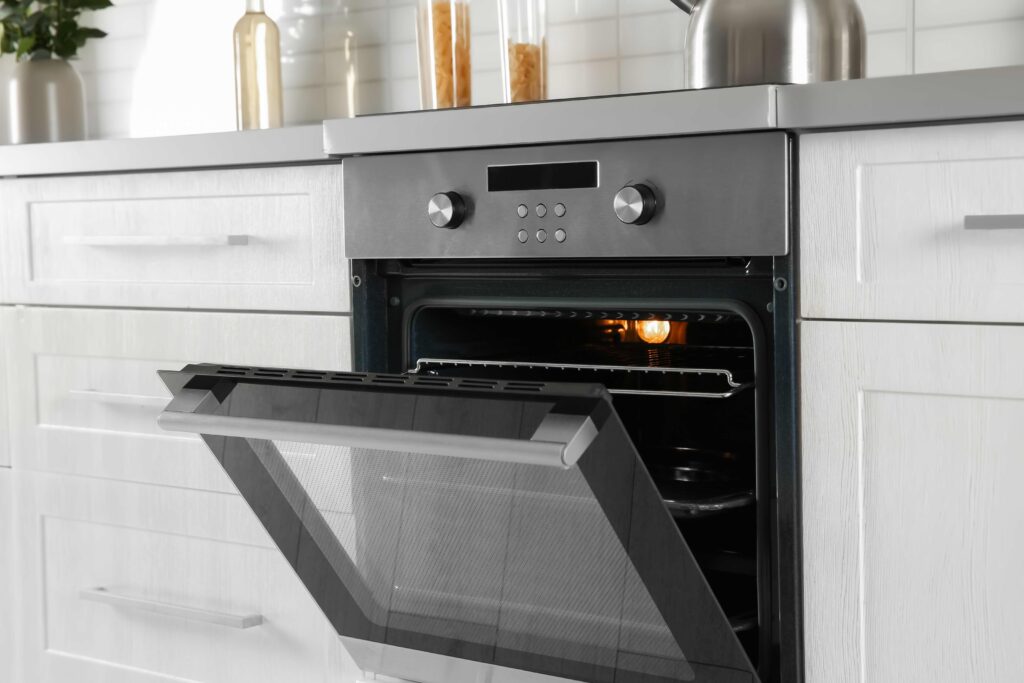
Before diagnosing the problem, it helps to understand the basics. Most residential ovens fall into one of two categories: gas or electric. Electric ovens use heating elements — typically one at the bottom for baking and one at the top for broiling — that glow red and radiate heat when electricity passes through them. Gas ovens use a burner ignited by either a standing pilot light or an electronic igniter, with heat distributed through the oven cavity. Both types rely on a thermostat to regulate temperature and a control board to manage the whole process. When any one of these components fails, your oven stops doing its job.
The Most Common Reasons an Oven Won’t Heat Up
There is rarely a single universal answer, but certain culprits show up far more often than others. Knowing what to look for helps you have a more informed conversation with a repair technician — and helps you avoid being oversold on repairs you do not need.
- Faulty bake or broil element in electric ovens — visible damage like blistering or breaks in the element are a clear indicator
- Weak or failed igniter in gas ovens — the igniter may glow but not get hot enough to open the gas valve
- Malfunctioning oven thermostat — the oven may attempt to heat but regulate temperature incorrectly
- Blown thermal fuse — a safety component that cuts power if the oven overheats; once blown, it needs replacement
- Failed control board — the electronic brain of the oven stops sending signals to heating components
- Tripped circuit breaker or gas supply issue — sometimes the fix is as simple as resetting a breaker or checking the gas line
Electric vs. Gas Oven Failures: What Is Different
The diagnosis process shifts depending on which type of oven you have. With an electric oven, a visual inspection of the bake element is often the first step. If it looks intact but the oven still will not heat, the thermal fuse, temperature sensor, or control board becomes the next area of focus. Gas ovens are a bit more layered. If you can hear the igniter clicking but no flame appears, the igniter itself may be too weak to trigger the gas valve — a common failure mode that does not always look obvious from the outside. It is worth noting that any time you suspect a gas supply issue or smell gas, you should stop troubleshooting immediately and contact a licensed professional.

Simple Checks You Can Do Before Calling a Technician
Not every oven problem requires a service call right out of the gate. There are a few low-risk checks that any homeowner can perform before picking up the phone. Start with your circuit breaker — an electric oven runs on a double-pole breaker, and one side can trip without the other, which may cause partial power loss. Reset it fully and see if that resolves the issue. Check that your oven’s control settings are correct and that a delay bake function was not accidentally activated. If you have a gas oven, confirm the supply valve behind the range is fully open. These may sound obvious, but they are easy to overlook during a moment of kitchen panic.
When to Call a Professional Appliance Repair Technician
If the simple checks do not resolve the issue, it is time to bring in a qualified technician. Appliance repair professionals have the tools to test components like the thermal fuse, temperature sensor, and control board with accuracy. Attempting to replace an oven element or igniter without proper knowledge of the appliance’s wiring can create safety hazards, and it may also void any existing warranty on the unit. A technician can also determine whether a repair is cost-effective relative to the age and value of your oven — an important consideration before spending several hundred dollars on a part for a ten-year-old appliance.
The Real Cost of Oven Repairs
Appliance repair costs have climbed significantly in recent years, and oven repairs are no exception. Replacing a bake element on an electric oven typically runs between $150 and $300 depending on the part and labor rates in your area. An igniter replacement on a gas oven can range from $150 to $400. Control board replacements — one of the more involved repairs — can push $400 to $600 or more. These numbers do not include diagnostic fees, which many technicians charge upfront. For homeowners without a financial safety net for unexpected repairs, these costs can arrive at the worst possible time.
How a Home Warranty Can Cover Oven Repairs
This is where home warranty coverage becomes genuinely relevant. A home warranty is a service contract that covers the repair or replacement of major home systems and appliances when they break down due to normal wear and tear. Most quality home warranty plans include kitchen appliances, and ovens are typically among the covered items. When your oven stops heating, instead of absorbing the full cost of a repair, you contact your home warranty provider, pay a service fee, and a vetted technician is dispatched to diagnose and fix the problem. For appliances that tend to fail without warning, having that coverage in place provides real peace of mind.
Key Advantages and Limitations of Home Warranty Coverage for Appliances
- Predictable costs — you pay a known service fee rather than an unpredictable repair bill
- Access to pre-screened technicians — no need to research or vet repair companies on your own
- Coverage for multiple appliances under one plan — refrigerator, dishwasher, oven, and more
- Limitations exist — pre-existing conditions, improper installation, and cosmetic damage are typically excluded
- Coverage caps may apply — some plans set maximum payout limits per appliance or per year
- Response time varies — not all providers respond with the same urgency, so reading your contract matters
Why Armadillo Is Worth Considering When Your Oven Lets You Down
When a major appliance like your oven breaks down unexpectedly, the last thing you want is to navigate a confusing claims process or wait days for a callback. Armadillo was built with exactly that frustration in mind. As a trusted home warranty provider covering major kitchen appliances and home systems, Armadillo offers straightforward plans with transparent terms — no fine-print surprises hiding under the surface. If you are tired of wondering what it would cost if your oven stopped working tomorrow, you can get a free home warranty quote for oven and appliance coverage in just a few minutes. Protecting your home does not need to be complicated, and with the right plan in place, an oven that will not heat is a problem that gets handled — not a financial emergency you have to absorb on your own.

Frequently Asked Questions About Ovens That Won’t Heat Up
Why is my oven not heating up even though it turns on?
If your oven powers on but does not heat, the most likely culprits are a failed bake element, a weak igniter, a blown thermal fuse, or a faulty temperature sensor. The control board receiving power does not mean all components connected to it are functioning correctly.
How do I know if my oven’s heating element is bad?
Visually inspect the element for any visible breaks, blistering, or burn marks. If the element looks intact but the oven still will not heat, use a multimeter to test for continuity. A lack of continuity confirms the element has failed and needs replacement.
Can a tripped circuit breaker cause an oven not to heat?
Yes. Electric ovens run on a double-pole circuit breaker, and one side can trip independently. This can cause the oven to appear partially functional — lights and controls may work — while the heating elements receive no power. Resetting the breaker fully is always a reasonable first step.
Is it safe to use an oven that is not heating properly?
It depends on the cause. An oven with a failing element is generally safe to avoid using until repaired. However, if you smell gas or suspect a gas supply issue with a gas oven, stop using it immediately and contact a licensed technician or your gas utility provider.
How much does it cost to fix an oven that won’t heat?
Repair costs vary by component and region. Bake element replacements typically range from $150 to $300. Igniter replacements on gas ovens generally cost between $150 and $400. Control board replacements can exceed $500. Diagnostic fees are usually charged separately.
Does a home warranty cover an oven that won’t heat up?
Most home warranty plans that include kitchen appliances will cover oven repairs caused by normal mechanical or electrical failure. Coverage for pre-existing conditions, cosmetic damage, or improper installation is typically excluded, so reviewing your contract terms is important.
How long should a residential oven last before needing major repairs?
Most residential ovens have an expected lifespan of 13 to 15 years with proper use and maintenance. Component failures can occur earlier, particularly in ovens used heavily or not cleaned regularly. As an oven approaches the end of its expected lifespan, repair costs should be weighed against replacement value.
What is the most common reason a gas oven won’t heat?
The igniter is the most frequent cause of heating failure in gas ovens. Even when the igniter glows, it may not reach a sufficient temperature to open the gas valve, which prevents the burner from lighting. This is a gradual failure that worsens over time before stopping entirely.
Can I replace an oven heating element myself?
Replacing a bake element is considered a moderate DIY repair for those comfortable working with appliances. However, you should always disconnect power before attempting any repair, confirm the correct replacement part for your model, and consult your oven’s documentation. If you are unsure, a professional repair is the safer option.
Will my homeowner’s insurance cover an oven that stops heating?
Standard homeowner’s insurance does not cover appliance breakdowns caused by normal wear and tear. Homeowner’s insurance is designed for sudden and accidental damage, such as fire or water damage. A home warranty plan is specifically designed to cover mechanical and electrical failures in appliances like ovens.