





Why Your Garage Door Opener Stopped Working and What to Do About It
So the garage door is not responding. You press the button, nothing happens, and now you are standing in the driveway wondering what went wrong. Before you call a technician or start pulling at wires, there is a good chance the fix is simpler than you think. Resetting your overhead garage door opener is one of those underrated home skills that can save you time, money, and a fair amount of frustration. This guide walks you through everything you need to know, from how these systems work to when a home warranty might actually save the day.
How an Overhead Garage Door Opener Actually Works
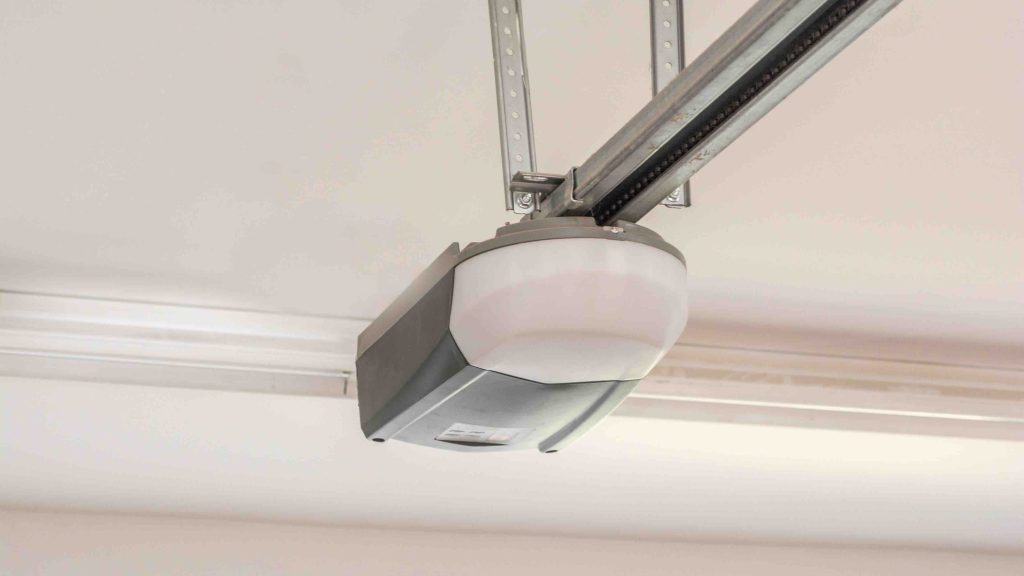
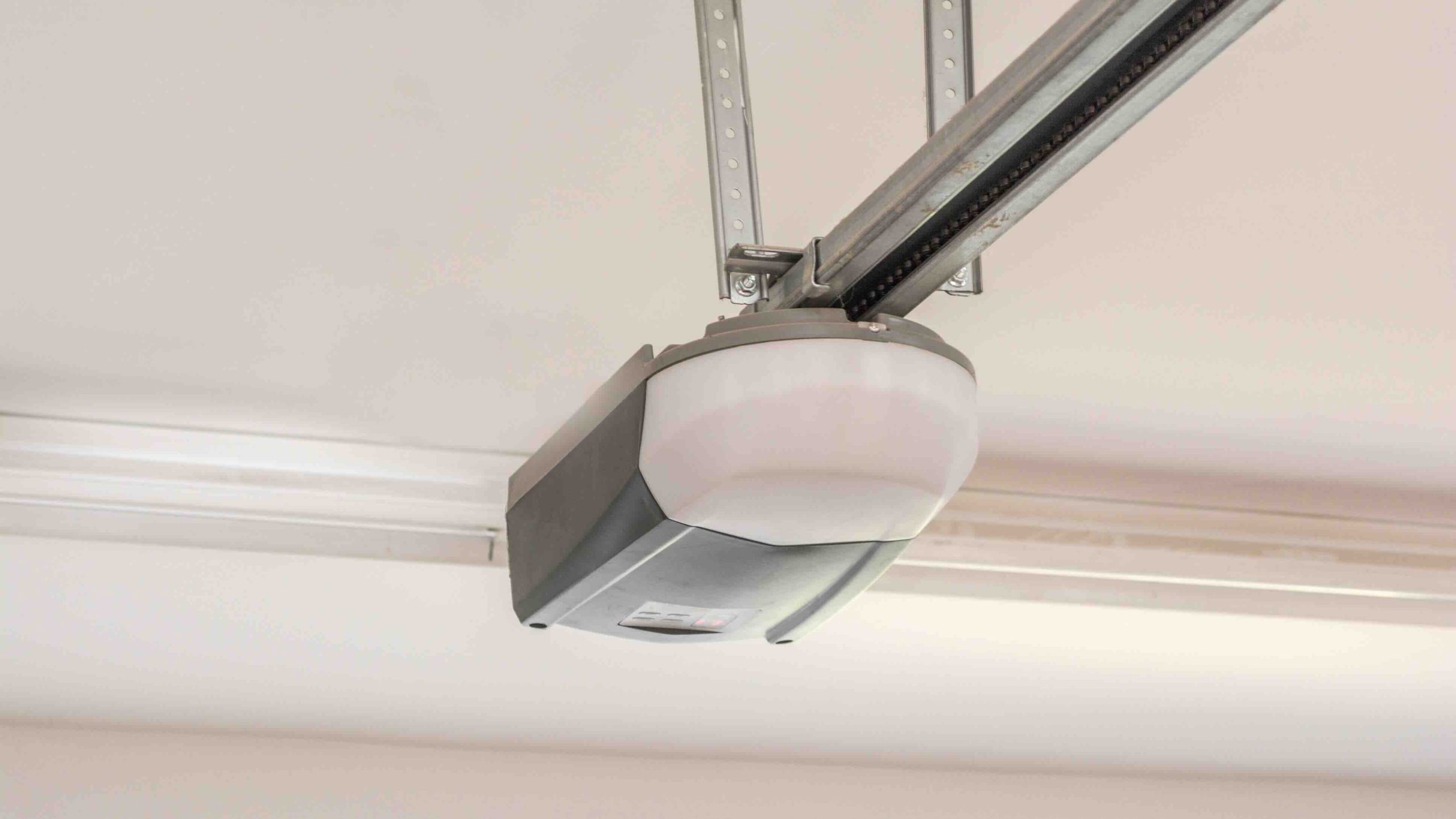
Here is the short version. An overhead garage door opener is a motorized device that lifts and lowers your garage door using a drive system, typically a chain, belt, or screw mechanism. It communicates with your remote or wall button through a radio frequency signal. There is a motor head unit mounted to the ceiling, a track that guides the door, and a trolley that connects everything together. Most modern units also have safety sensors near the base of the door that detect obstructions. When any part of this system gets confused, misaligned, or disrupted by a power surge, the opener may stop responding entirely, which is when a reset becomes necessary.
Common Reasons Your Garage Door Opener Needs a Reset
There are several situations that can knock an opener out of its normal operating rhythm. Power outages are a frequent culprit. When electricity is restored after a brief interruption, the opener’s internal memory can get scrambled. Interference from nearby radio frequencies, a dead remote battery that briefly sent incorrect signals, or even a tripped circuit breaker can all contribute. Sometimes, someone accidentally holds the remote button too long, which wipes the programmed codes from the unit. Whatever the cause, the behavior is usually the same: the door does not move, the light blinks in an unusual pattern, or the remote simply does nothing.
Step-by-Step Guide to Resetting Your Overhead Garage Door Opener
The reset process varies slightly by brand, but these steps cover the majority of residential openers on the market today.
- Locate the motor unit on the ceiling and find the “Learn” or “Reset” button, usually near the antenna wire or light cover.
- Press and hold the Learn button for approximately six seconds until the indicator light turns off. This clears all previously programmed remote codes.
- To reprogram your remote, press the Learn button once until the light comes on, then press and hold the button on your remote until the light blinks or you hear two clicks.
- Test the remote from inside and outside the garage to confirm the signal is registering correctly.
- If the wall button is also unresponsive, check the circuit breaker connected to the opener and reset it if necessary.
- Inspect the safety sensors at the base of the door to ensure they are aligned and free of debris, since a misaligned sensor can prevent operation entirely.
Advantages of Knowing How to Reset Your Garage Door Opener
There is real value in handling this yourself. For one, it eliminates unnecessary service calls for what is often a five-minute fix. It also gives you immediate control over your home’s security, especially if you recently sold a car and want to wipe the programmed remote that came with it. Understanding the reset process also helps you recognize when the problem is something more serious, like a failing motor or damaged circuit board, so you can communicate more effectively with a repair technician when that time comes.

Drawbacks and Limitations of DIY Garage Door Opener Resets
The reset process is not a universal cure. If your opener’s motor has burned out, the logic board has failed, or the drive mechanism is stripped, no amount of button-pressing will restore function. There is also the risk of inadvertently wiping all remote codes and then struggling to reprogram an older or less common unit without the original manual. Some homeowners also discover during this process that their opener is significantly outdated and no longer has available replacement parts, which turns a simple reset attempt into a full unit replacement conversation.
When to Call a Professional Instead of Resetting
Knowing when to stop and call someone is just as important as knowing how to start. If you have completed the reset steps and the opener still does not respond, or if you hear grinding noises, notice a burning smell, or see visible damage to the motor housing or wiring, those are signs that professional service is warranted. Additionally, if the door itself moves erratically, reverses before fully closing, or makes unusual sounds during operation, the issue may lie with the door’s mechanical components rather than the opener’s electronics. In these cases, attempting further DIY repair without proper training can create safety risks.
How Often Should You Reset or Maintain Your Garage Door Opener
A reset is not something you need to do on a regular schedule. It is a reactive step taken when something goes wrong. However, routine maintenance of your garage door system is absolutely worth putting on your calendar. Lubricating the chain or belt drive every six months, checking the sensor alignment twice a year, and testing the auto-reverse safety feature monthly are all tasks that extend the life of your opener and reduce the likelihood of sudden failures. Most openers have a functional lifespan of ten to fifteen years, and consistent upkeep helps you get the most out of that window.
What Garage Door Opener Issues Might Be Covered Under a Home Warranty
This is where things get interesting for homeowners who want a financial safety net. Many home warranty plans include coverage for built-in garage door openers, which means that if your motor fails, your logic board shorts out, or key mechanical components stop working due to normal wear and tear, a home warranty could cover the cost of repair or replacement. Coverage specifics vary by plan, so it is worth reviewing what your policy includes and excludes before assuming anything. Cosmetic damage, improper installation, or issues caused by physical force typically fall outside standard coverage.
Why Armadillo Is the Right Partner When Your Garage Door Opener Needs More Than a Reset
When a simple reset does not cut it and you are looking at a repair bill for a failed motor or circuit board, having the right home warranty in place makes a significant difference. Armadillo’s home warranty coverage for garage door openers and essential home systems is built around transparency and straightforward service, so you are never guessing about what is covered or scrambling to find a qualified technician on your own. The claims process is designed to be simple, and the network of service professionals means help is available when you actually need it. If you want to protect your home against the cost of unexpected mechanical failures, you can get a personalized home warranty quote for garage door opener protection and more in just a few minutes. A home warranty is not about fear, it is about being prepared, and Armadillo makes that preparation genuinely easy.

Frequently Asked Questions About Garage Door Opener Resets and Home Warranty Coverage
These are the questions homeowners ask most often about resetting their garage door opener and understanding how home warranty coverage applies to this system.
How do I reset my garage door opener after a power outage?
After power is restored, locate the Learn button on your motor unit and hold it for six seconds to clear any disrupted programming. Then reprogram your remote by pressing the Learn button once and following the sync steps for your specific remote model.
Will resetting my garage door opener erase all my programmed remotes?
Yes, a full reset clears all previously stored remote codes from the opener’s memory. You will need to reprogram each remote, keypad, and any vehicles with built-in HomeLink systems after completing the reset.
Why is my garage door opener blinking but not moving?
A blinking light pattern typically indicates an error code. Common causes include misaligned safety sensors, an obstruction in the door’s path, or a mechanical issue with the drive system. Count the number of blinks and consult your owner’s manual to decode the specific error.
How do I know if my garage door opener sensors are misaligned?
Each sensor unit has a small indicator light. If one or both lights are off or blinking, the sensors are likely out of alignment. Gently adjust the sensor brackets until both lights glow steadily, then test the door.
Can I reset my garage door opener without the original remote?
Yes. The reset process is performed directly on the motor unit using the Learn button, so you do not need the original remote. Once the system is cleared, you can program any compatible remote to the opener.
Does a home warranty cover garage door opener replacement?
Many home warranty plans include coverage for the mechanical and electrical components of built-in garage door openers. If a covered component fails due to normal wear and tear, the warranty may cover repair or replacement costs, subject to plan terms and exclusions.
How long does a typical garage door opener last?
Most residential garage door openers last between ten and fifteen years with regular maintenance. High-frequency use, lack of lubrication, and power surge damage can shorten that lifespan considerably.
What should I do if my garage door opener still does not work after a reset?
If the opener remains unresponsive after a complete reset and reprogram, check the circuit breaker, inspect the safety sensors, and examine the drive mechanism for visible damage. If none of these resolve the issue, contact a licensed technician to diagnose the motor or logic board.
Is it safe to manually operate my garage door if the opener fails?
Yes, most garage doors can be operated manually using the red emergency release cord that disconnects the door from the trolley. Pull the cord downward to disengage the drive, then lift the door by hand. Use caution, as the door should be balanced properly to avoid it falling unexpectedly.
How often should garage door opener components be inspected?
A general inspection twice per year is a reasonable standard for most homeowners. This includes checking the sensor alignment, lubricating the drive mechanism, testing the auto-reverse function, and listening for any changes in motor noise or door movement that could signal early wear.