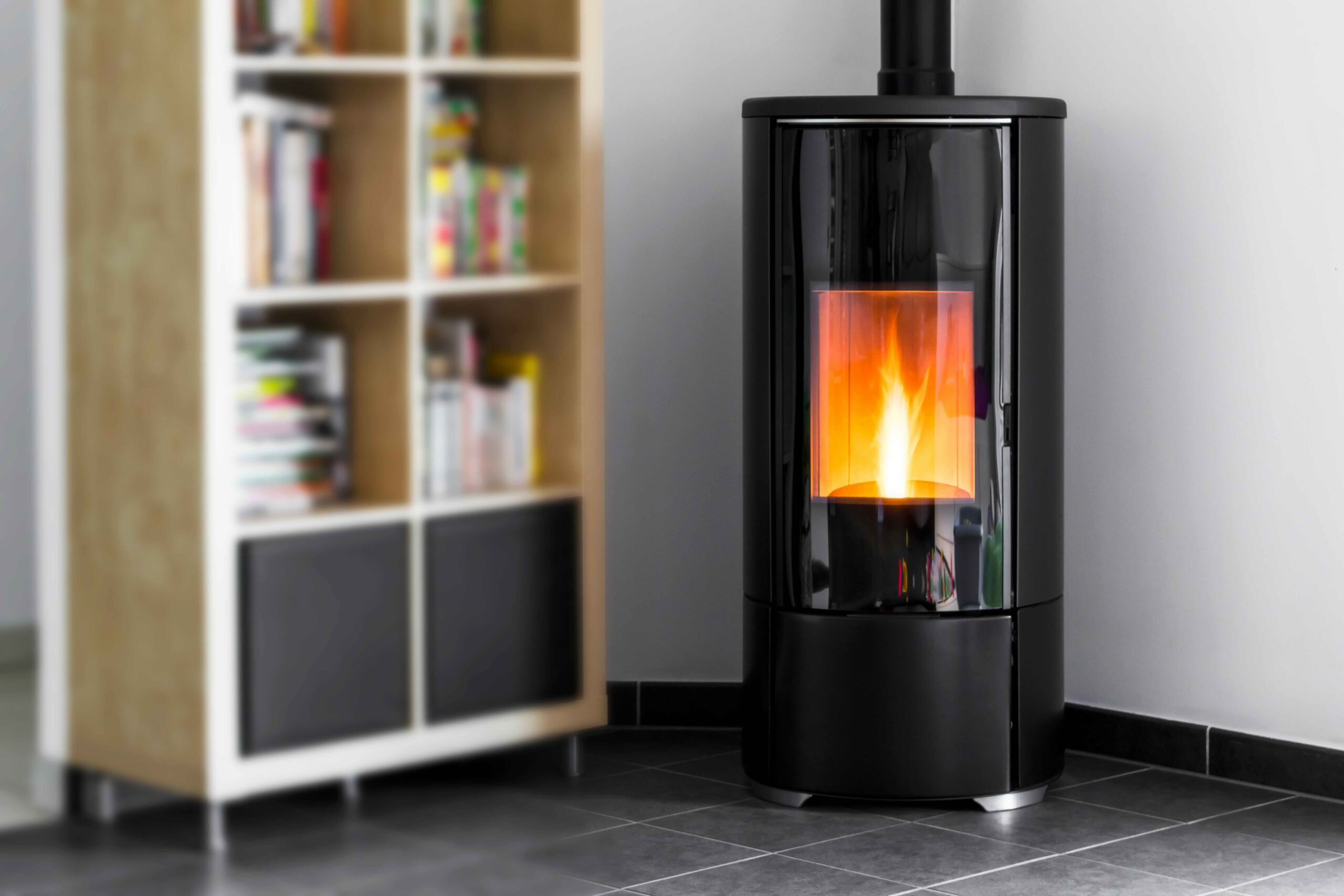
What Is a Pellet Stove and Why Are Homeowners Taking Notice
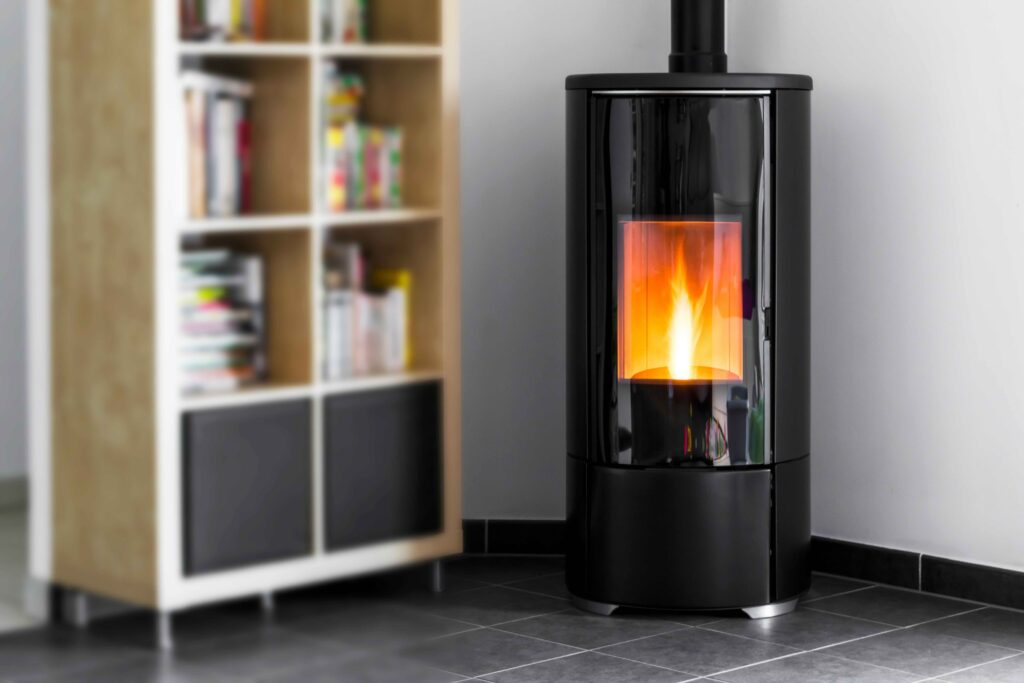
There is a certain point in every heating season where the utility bill arrives and the number on it feels genuinely offensive. That moment — and the search for something better — is exactly where pellet stoves enter the conversation. A pellet stove is a heating appliance that burns compressed wood or biomass pellets to generate heat for a living space. It sits somewhere between the rustic charm of a traditional wood-burning fireplace and the precision of a modern HVAC system, which is a combination that has made it increasingly popular among homeowners looking to cut costs, reduce emissions, or simply add a more reliable heat source to their home. The technology is not new, but the efficiency gains and design improvements over the last decade have made pellet stoves worth a serious second look for anyone weighing their heating options.
How a Pellet Stove Actually Works
Understanding the mechanics behind a pellet stove helps clarify why it performs so differently from a standard wood-burning unit. Pellets are fed automatically from a storage hopper into a burn pot, typically via an auger — a rotating screw-like mechanism that moves material at a controlled rate. A combustion fan draws air into the firebox to keep the fire burning, while a separate convection blower pushes heated air out into the room. Most units are thermostat-controlled, meaning you can program them to maintain a target temperature just like a central heating system. The combustion process is highly efficient because the pellets are manufactured to a consistent density and moisture content, which eliminates a lot of the variability you get with traditional firewood. The exhaust produced is relatively minimal, and venting requirements are simpler than those for a wood-burning stove.
The Key Advantages of Heating With Pellets
The case for pellet stoves is genuinely compelling when you break it down by what most homeowners actually care about. Fuel cost is usually the first conversation starter. Wood pellets are generally less expensive per BTU than oil, propane, or electric resistance heat, and prices tend to be more stable than fossil fuels that fluctuate with global markets. Beyond the economics, there are some real lifestyle benefits worth considering.
- High efficiency ratings — most pellet stoves operate at 70 to 90 percent efficiency, which is well above a conventional fireplace
- Automated fuel delivery means you are not manually loading wood every few hours
- Thermostat compatibility gives you the comfort control you expect from central heating
- Lower particulate emissions compared to traditional wood burning, which matters in areas with air quality regulations
- Pellets are often made from recycled wood waste, which makes them a more sustainable fuel option
- Many units qualify for federal or state energy efficiency tax credits
That combination of cost savings, convenience, and environmental consideration puts pellet stoves in a category that is hard to dismiss if you are actively shopping for an alternative heating source.
Common Drawbacks You Should Know Before Buying
No heating system is without trade-offs, and pellet stoves have a few worth naming plainly. The most significant is electricity dependency. Unlike a traditional wood stove that will keep burning during a power outage, most pellet stoves require electricity to run the auger, blowers, and controls. During a winter storm that knocks out power, your pellet stove goes cold with it — unless you invest in a battery backup or generator. Pellet stoves also require more routine maintenance than some homeowners expect. The burn pot, ash pan, heat exchanger, and venting system all need regular cleaning to maintain efficiency and prevent mechanical failure. Pellet quality matters too — low-quality pellets with inconsistent density or high ash content can cause operational problems over time. And while installation is generally straightforward compared to traditional masonry fireplaces, placement still requires access to exterior venting and a nearby electrical outlet, which can limit your options in certain homes.

Pellet Stove Versus Other Alternative Heating Options
Homeowners often compare pellet stoves against other alternatives like electric heat pumps, propane fireplaces, and wood-burning inserts. Each has its place depending on your home’s layout, existing infrastructure, and fuel availability in your region. Pellet stoves tend to outperform propane in operating cost per BTU in most markets, and they provide a visible, ambient heat source that electric systems simply cannot replicate. Compared to a standard wood-burning fireplace, pellet stoves require far less effort and produce significantly more usable heat from the same fuel mass. Heat pumps offer excellent efficiency for moderate climates but can struggle in extreme cold, whereas a pellet stove maintains consistent performance regardless of outdoor temperature. The right choice depends on whether you are looking for a primary heat source or a supplemental one, and how important things like fuel storage space and power backup are to your household.
What to Look for When Shopping for a Pellet Stove
Shopping for a pellet stove is not especially complicated, but a few specifications will help you make a confident choice. BTU output is the starting point — you need enough heating capacity to cover the square footage you intend to heat without drastically oversizing the unit, which can cause short cycling and uneven temperatures. Hopper capacity determines how long the stove can run between refills, with larger hoppers offering 24 hours or more of unattended operation. Look for units with EPA certification, which confirms they meet current emissions standards. Programmable thermostats, automatic ignition, and self-cleaning burn pots are features that meaningfully improve day-to-day usability. Brand reputation and parts availability matter more than people realize — a stove that needs a replacement auger motor in January should not require a three-week wait.
Installation Basics and Ongoing Maintenance
Professional installation is strongly recommended for a pellet stove, even though the process is less involved than installing a traditional masonry system. A certified technician will ensure proper venting, clearances from combustible materials, and a safe electrical connection. Most pellet stoves vent through a relatively small diameter flue pipe that can run horizontally through an exterior wall, which opens up installation options in homes without existing chimneys. On the maintenance side, plan on cleaning the burn pot and ash trap weekly during heavy use, and schedule a more thorough cleaning of the heat exchanger and venting system at least once per season. Keeping the hopper filled with high-quality pellets and inspecting the door gasket for wear are small habits that prevent bigger problems down the road.
Pellet Stove Coverage and Home Warranty Considerations
Here is something that catches a lot of homeowners off guard. When a pellet stove’s auger motor fails or a control board malfunctions, the repair cost is not trivial. Replacement components for pellet stoves can be surprisingly expensive, and labor charges for a qualified technician add up quickly. Standard homeowners insurance typically does not cover mechanical breakdown of appliances or heating systems — that is where a home warranty enters the picture. A home warranty is a service contract that covers the repair or replacement of major home systems and appliances when they fail due to normal wear and tear. If your pellet stove is your primary heat source, understanding what your warranty does and does not cover is a practical step toward protecting that investment long-term.
Why Armadillo Is Worth Your Attention If You Heat With Pellets
Alternative heating systems like pellet stoves represent a meaningful investment in your home’s comfort and efficiency, and they deserve the same protection you would extend to any major appliance. Armadillo is a home warranty provider built around the idea that coverage should be straightforward, honest, and actually useful when something breaks. If you are relying on a pellet stove to heat your home through the winter, having a plan in place before the auger motor seizes or the control board fails is simply smart ownership. Armadillo home warranty plans for alternative heating systems are designed with real-world failure scenarios in mind, not buried exclusions that leave you holding the bill. When you are ready to stop wondering what a repair might cost and start knowing you are covered, you can get a free pellet stove home warranty quote from Armadillo in just a few minutes. The process is direct, the pricing is transparent, and the protection is real.

Frequently Asked Questions About Pellet Stoves
Answers to the most common questions homeowners ask when considering a pellet stove as an alternative heating option.
How much does it cost to heat a home with a pellet stove?
Heating costs vary depending on your climate, home size, and local pellet prices, but many homeowners report spending between 800 and 1,800 dollars per heating season on pellets, which is often less than comparable oil or propane costs for the same period.
Can a pellet stove be used as a primary heat source?
Yes, a properly sized pellet stove can serve as a primary heat source for many homes, particularly open floor plan spaces. Some homeowners use it as a primary source supplemented by a backup system for extreme cold or power outages.
Do pellet stoves work when the power goes out?
Most pellet stoves require electricity to operate the auger, blower, and controls, so they will not function during a power outage unless connected to a battery backup or generator. This is one of the most important considerations for homeowners in storm-prone regions.
How often do you need to clean a pellet stove?
During active heating season, the burn pot and ash collection system should be cleaned at least once per week. A full cleaning of the heat exchanger, venting system, and interior components is recommended at least once annually, typically at the start or end of heating season.
What kind of maintenance does a pellet stove require?
Routine maintenance includes cleaning the burn pot, removing ash, inspecting the door gasket, checking the exhaust venting for blockages, and periodically lubricating mechanical components like the auger. Annual professional servicing is a sound practice.
Are pellet stoves environmentally friendly?
Pellet stoves are considered a relatively clean-burning alternative to traditional wood stoves and fossil fuels. They produce lower particulate emissions and use fuel often derived from recycled wood waste. EPA-certified models meet current clean air standards.
How long do pellet stoves last?
A well-maintained pellet stove can last 15 to 20 years or more. Longevity depends heavily on the quality of the unit, the quality of pellets used, and how consistently the stove is cleaned and serviced throughout its life.
Does a home warranty cover a pellet stove?
Coverage varies by provider. Some home warranty plans include alternative heating appliances as part of their heating system coverage, while others exclude them. Reviewing your specific plan details or speaking with a warranty provider directly is the best way to confirm what is included.
How much does a pellet stove cost to install?
The unit itself typically ranges from 1,000 to 3,500 dollars depending on size and features, with professional installation adding another 500 to 1,500 dollars depending on venting complexity and local labor rates. Total installed cost commonly falls between 1,500 and 5,000 dollars.
Is a permit required to install a pellet stove?
In most jurisdictions, a permit is required for pellet stove installation because it involves venting modifications and an electrical connection. Requirements vary by municipality, so checking with your local building department before installation is always the right move.