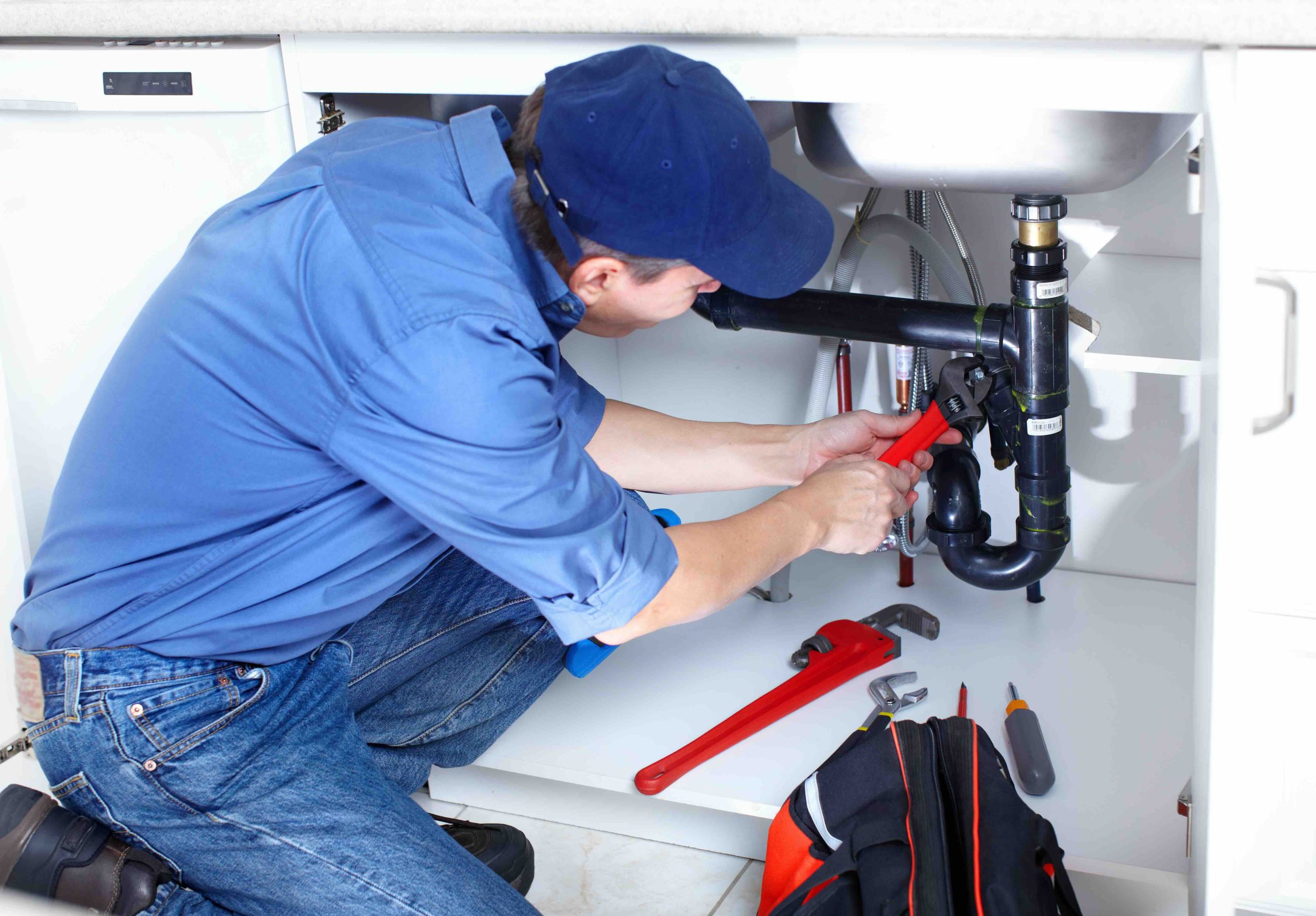
Plumber Tips Every Homeowner Should Know Before Calling for Help
Plumbing problems have a way of showing up at the worst possible time. A slow drain on a Monday morning, a mysteriously high water bill at the end of the month, a faint dripping sound in the middle of the night. Most homeowners are not plumbers, and that is perfectly fine, but knowing a few solid plumber tips can save you money, reduce stress, and help you catch small issues before they turn into expensive repairs. This guide breaks down what professional plumbers wish you already knew, explained in plain language so you can actually use it.
Know Where Your Main Water Shutoff Is Located
This is the first thing a plumber will ask you in an emergency, and you would be surprised how many homeowners have no idea where their main shutoff valve is. It is usually located near the water meter, in a basement, crawl space, utility room, or along an exterior wall. If a pipe bursts or a fixture starts flooding, you need to cut off the water supply immediately. Find it now, test that it turns, and make sure every adult in your home knows where it is. That ten-second action can prevent thousands of dollars in water damage.
Stop Treating Your Drains Like a Trash Can
This one sounds obvious until you think about what actually goes down your drains on a daily basis. Grease, coffee grounds, food scraps, hair, soap scum, wipes labeled as flushable, and more. Plumbers will tell you consistently that the majority of drain clogs and sewer backups they deal with are entirely preventable. Use a mesh drain strainer in your shower and kitchen sink. Never pour cooking grease down the drain; let it cool and throw it in the trash. Only flush toilet paper, nothing else. These habits alone will dramatically reduce your need for a plumber.
Learn to Read Your Water Meter Like a Plumber
Your water meter is one of the most useful diagnostic tools you have access to, and most homeowners never look at it. If you suspect a hidden leak, turn off every water source in your home, then check the meter. If the dial is still moving, water is flowing somewhere it should not be. This simple test can help you detect slab leaks, irrigation line breaks, or toilet leaks that would otherwise go unnoticed for months. Catching a hidden leak early is one of the best plumber tips you can apply without any tools or training.

Fix Running Toilets Before They Drain Your Wallet
A running toilet might seem like a minor annoyance, but it can waste up to 200 gallons of water per day. The most common culprit is a worn flapper, which is the rubber seal at the bottom of the toilet tank. Replacing a flapper costs just a few dollars and takes about ten minutes with basic instructions. If the flapper looks fine, the issue might be the fill valve or the float height. Plumbers often note that running toilets are one of the most underestimated sources of wasted water in a home. Do not ignore that sound.
Understand the Difference Between a DIY Fix and a Professional Job
Knowing what you can safely handle versus what requires a licensed plumber is an important skill. Some tasks fall clearly into the DIY category:
- Replacing a faucet aerator or showerhead
- Unclogging a simple drain using a plunger or hand snake
- Swapping out a toilet flapper or fill valve
- Fixing a slow drain with baking soda and vinegar
Then there are jobs that genuinely need a licensed professional, including anything involving your main sewer line, gas lines connected to water heaters, pipe replacements inside walls, or water heater installations. Attempting these without the right knowledge can create bigger problems and may void warranties on your equipment. When in doubt, make the call.
Use Plumber Tape Correctly and Often
Plumber tape, also called Teflon tape or thread seal tape, is one of the most inexpensive and effective tools in a plumber’s arsenal. It goes on threaded pipe connections to create a watertight seal and prevent leaks. If you have ever noticed a slight drip around a showerhead connection or a supply line under your sink, there is a good chance the fix is a few wraps of plumber tape. Wrap it clockwise around the threads, two to three times, before attaching the fitting. It is a small step that makes a noticeable difference, and most plumbers assume you already know this one.
Watch for the Warning Signs That Signal a Bigger Problem
Your plumbing system often gives you signals before it completely fails. Knowing what to look for helps you act before a repair becomes a replacement. Keep an eye out for these red flags:
- Water stains or discoloration on ceilings and walls
- Low water pressure in multiple fixtures at once
- Gurgling sounds from drains after flushing the toilet
- A sulfur or rotten egg smell near your water heater
- Wet spots in your yard when it has not rained
These are not just inconveniences. They can point to pipe corrosion, sewer line damage, or water heater issues that will not resolve themselves. Catching them early gives you more options and usually lower repair costs.
Maintain Your Water Heater to Extend Its Life
Most homeowners never think about their water heater until it stops working. A few maintenance steps can add years to its lifespan. First, check the temperature setting; it should be around 120 degrees Fahrenheit for safety and efficiency. Second, flush the tank once a year to remove sediment buildup, which reduces efficiency and can cause the unit to overheat. Third, test the pressure relief valve annually to make sure it is functioning. These are all tasks a plumber would point you toward during a routine checkup, and they genuinely make a difference in how long your water heater lasts.
How Armadillo Protects You When Plumbing Problems Hit Hard
Even when you follow every plumber tip perfectly, things still break. That is not a failure of maintenance; it is just the reality of owning a home. Plumbing systems age, components wear out, and sometimes the repair bill arrives without any warning. That is exactly the kind of financial surprise a home warranty is designed to absorb. Armadillo home warranty coverage for plumbing systems and repairs gives homeowners a straightforward way to protect against the cost of covered plumbing failures, without the guesswork of figuring out what is included and what is not. When something goes wrong with a covered system, you file a claim and Armadillo handles connecting you with a qualified service professional. No scrambling, no inflated emergency rates, no stress. If you are ready to stop wondering what a major plumbing repair might do to your budget, you can get a free home warranty quote for plumbing and system protection in just a few minutes. It is one of the smartest things you can pair with solid plumbing habits.
Plumber Tips: Frequently Asked Questions
These are some of the most common questions homeowners ask when it comes to plumbing maintenance, repairs, and knowing when to call a professional.
How often should I have my plumbing inspected by a professional?
Most plumbers recommend a professional inspection every two years for homes with standard plumbing. Older homes with galvanized or cast iron pipes may benefit from annual inspections to catch corrosion or buildup early.
What is the most common cause of low water pressure in a home?
Low water pressure is often caused by a clogged aerator, a partially closed shutoff valve, or pipe buildup from mineral deposits. If the pressure is low throughout the entire home, it may point to a supply line issue or a problem with the pressure regulator.
Can I use chemical drain cleaners to unclog my drains?
Chemical drain cleaners can clear minor clogs, but plumbers generally advise against regular use. They can damage older pipes, corrode fittings, and create hazardous conditions when mixed with other cleaning products. A plunger or hand snake is safer for routine clogs.
How do I know if I have a slab leak?
Signs of a slab leak include unexplained increases in your water bill, warm spots on the floor, the sound of water running when no fixtures are in use, and cracks appearing in flooring or walls. A plumber can confirm a slab leak using pressure testing or acoustic detection equipment.
What temperature should my water heater be set to?
The recommended setting is 120 degrees Fahrenheit. This temperature is hot enough for daily household use while reducing the risk of scalding and minimizing mineral buildup inside the tank.
Is it normal for pipes to make noise?
Some pipe noise is normal, particularly when hot water causes pipes to expand. However, banging sounds, known as water hammer, or persistent knocking may indicate loose pipes or high water pressure and should be evaluated by a plumber.
What should I do if a pipe bursts in my home?
Turn off the main water shutoff valve immediately to stop the flow of water. Then turn on a cold water faucet to drain any remaining pressure in the lines. Contact a licensed plumber right away and document the damage for insurance or home warranty purposes.
Does a home warranty cover plumbing repairs?
Many home warranty plans include coverage for interior plumbing systems, including leaks, pipe failures, and certain drain issues. Coverage details vary by provider and plan, so reviewing what is included before signing is important.
How do I prevent frozen pipes in winter?
Keep your home heated above 55 degrees Fahrenheit even when away, let faucets drip slightly during extreme cold, insulate exposed pipes in unheated areas, and disconnect garden hoses before the first freeze. These steps significantly reduce the risk of frozen and burst pipes.
When is it not worth repairing a plumbing fixture and better to replace it?
If a fixture requires repeated repairs, is significantly outdated, or if the repair cost exceeds half the cost of a new unit, replacement is usually the smarter long-term investment. A plumber can help you evaluate the cost-benefit of repair versus replacement on a case-by-case basis.