What Is a Plumbing Roof Vent and Why Does Your Home Have One?
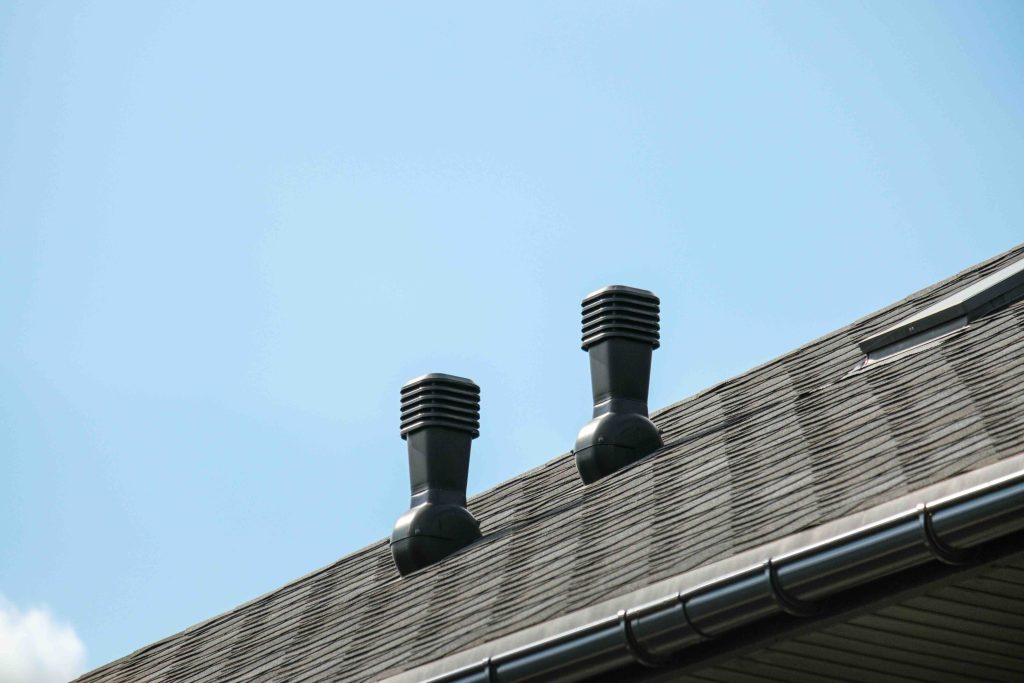
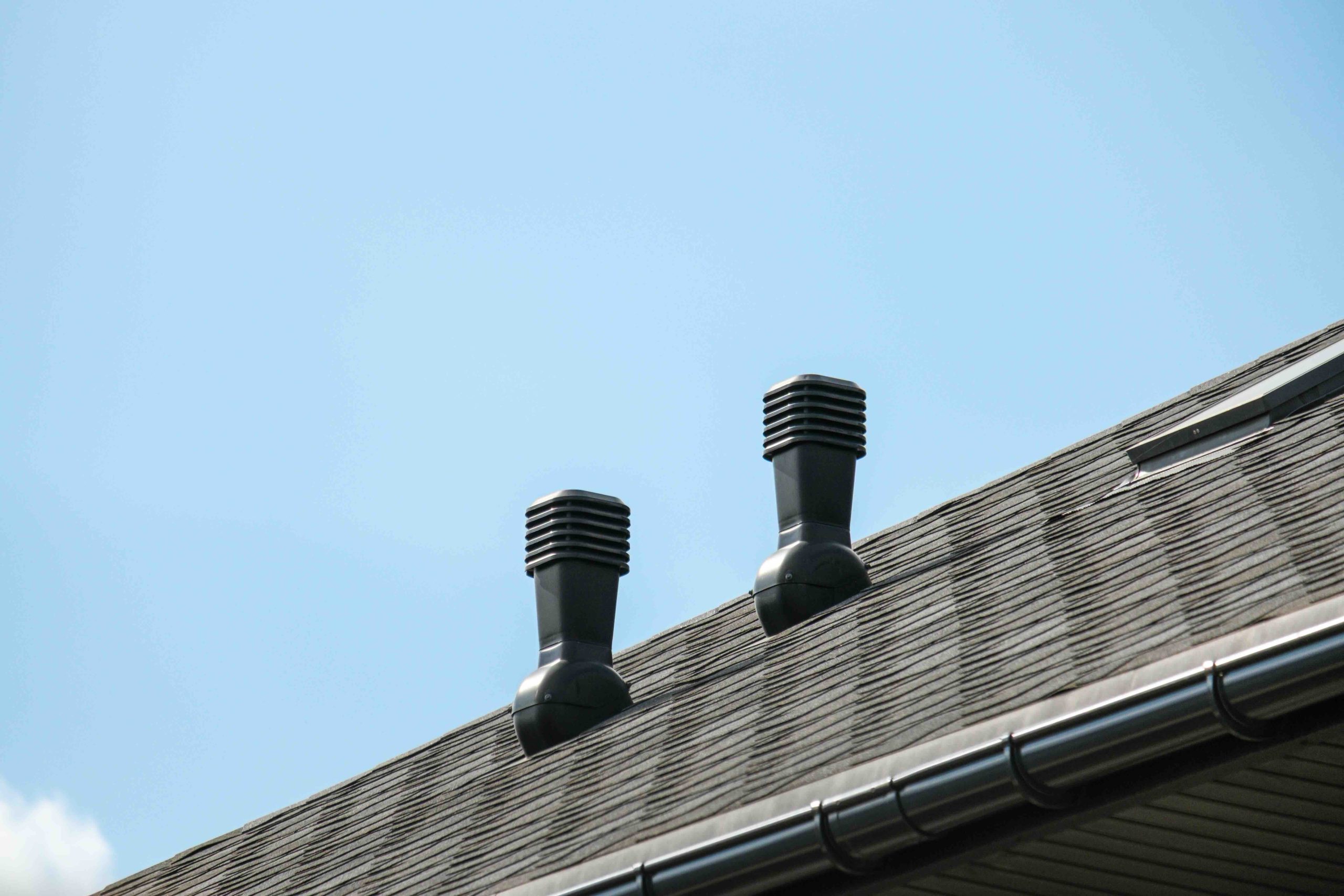
Most homeowners spend very little time thinking about the pipes sticking out of their roofs. They are easy to overlook, blending into the roofline like they have always belonged there. But those unassuming pipes are doing something critical every single day. A plumbing roof vent, sometimes called a plumbing stack vent or drain-waste-vent pipe, is a vertical pipe that runs from your plumbing system up through the roof to the open air outside. Its job is to regulate air pressure in your drain pipes and release sewer gases safely away from your living space. Without it, your plumbing system simply would not function the way it should.
How a Plumbing Roof Vent Actually Works
Here is where it gets interesting. Water moving through your drain pipes needs air behind it to flow smoothly. Think of it like a straw with your finger on top versus one that is open. When you cover the top of a straw and try to pour out liquid, it barely drips. Remove your finger, and the liquid flows freely. Your plumbing system works the same way. The roof vent provides that open pathway, allowing air into the drain pipes so water and waste can move freely toward the sewer or septic system. At the same time, the vent pushes sewer gases, including methane and hydrogen sulfide, up and out through the roof rather than back into your home through drain openings. The p-traps under your sinks work with the vent system to create a barrier, but the vent is what keeps those traps from being siphoned dry.
The Key Components of a Roof Vent System
A plumbing vent system is not just one pipe. It is a network designed to keep your entire drain system pressurized and functional. The main components include the vent stack, which is the primary vertical pipe, branch vents that connect individual fixtures to the main stack, and sometimes an air admittance valve used as an alternative in locations where running a pipe through the roof is not practical. Each fixture in your home, from toilets and sinks to tubs and washing machines, connects to this system in some way. The material used for these pipes has evolved over the years. Older homes often have cast iron or galvanized steel vent pipes, while modern construction typically uses PVC or ABS plastic, which is lighter and more resistant to corrosion.

Signs That Your Plumbing Roof Vent May Have a Problem
A blocked or damaged vent pipe can cause a surprising range of issues inside the home, and many homeowners do not immediately connect the symptoms to the roof. Common warning signs include slow-draining sinks or tubs that do not respond to standard drain cleaning, gurgling or bubbling sounds coming from toilets or drains, and a faint sewer smell inside the house, particularly near bathrooms or utility rooms. In some cases, multiple fixtures may start draining poorly at the same time, which is a strong indicator that the vent system is involved rather than a single localized clog. Debris like leaves, bird nests, and even dead animals can block vent openings at the roof, and ice can seal them shut during harsh winters. These are not minor nuisances. Left unresolved, a blocked vent can lead to broken p-trap seals, sewer gas exposure, and even structural moisture issues over time.
Advantages of a Properly Functioning Plumbing Roof Vent
- Maintains correct air pressure throughout your drain-waste system, ensuring efficient drainage from every fixture
- Prevents toxic sewer gases from migrating into your living spaces, protecting household air quality
- Extends the lifespan of your plumbing by reducing stress and pressure buildup inside drain pipes
- Supports p-trap integrity, which is the first line of defense against odors and gas intrusion
- Works passively without mechanical parts, meaning there is very little that can fail under normal conditions
Common Drawbacks and Limitations to Be Aware Of
No home system is without its challenges, and plumbing roof vents are no exception. The most obvious limitation is their location. Because these pipes terminate on the roof, inspecting and clearing them requires working at height, which is not a realistic DIY task for many homeowners. Blockages can form gradually without any obvious warning until the problem becomes significant. In colder climates, frost closures happen when warm air from inside the home meets cold exterior temperatures at the vent opening and ice forms inside the pipe. This is more common with smaller diameter vent pipes and can require a licensed plumber to resolve safely. Additionally, older vent pipes made of cast iron or galvanized steel are prone to rust and deterioration over time, and replacing them can be an involved, costly project depending on how deep within the wall or roof assembly the damage extends.
Maintenance Tips Every Homeowner Should Know
- Have the vent pipe opening inspected annually, especially after storm season, to check for debris or animal activity
- If you notice recurring slow drains or gurgling, have a plumber use a drain camera to assess the vent line before assuming the issue is just a clog
- In cold climates, ask a plumber about upsizing your vent pipe to reduce frost closure risk
- Keep trees trimmed near the roofline to reduce leaf and branch debris accumulating over vent openings
- Install a mesh vent cap if birds or small animals are a recurring problem in your area
When to Call a Professional Plumber
There is a reasonable ceiling on what homeowners should attempt when it comes to vent pipe issues. Clearing a vent from the rooftop with a garden hose or plumber’s snake is possible for someone comfortable working at height, but anything beyond that warrants a professional call. If you are experiencing persistent sewer odors, multiple slow drains at once, or visible corrosion on the exposed pipe above the roofline, a licensed plumber needs to assess the situation. Plumbers use drain cameras and pressure testing to pinpoint problems without unnecessary demolition. Permit requirements and building codes also vary by location, and any vent modifications or replacements generally need to meet local plumbing standards, another reason to leave significant repairs to the professionals.
How Home Warranty Coverage Relates to Your Plumbing Vent System
This is a detail many homeowners miss until it is too late. A home warranty plan that covers plumbing systems can be incredibly valuable when vent-related issues arise, especially because plumbing repairs are rarely cheap. Coverage typically applies to the interior plumbing components, including pipes and drain lines, though the specifics depend on the plan. When a blocked or failed vent pipe causes drainage issues or requires pipe repair within the home, a solid home warranty can offset repair costs significantly. Understanding what your plan covers, and what it does not, is essential before a problem surfaces. Roof penetrations and exterior pipe sections may fall outside standard coverage, so reading plan details carefully is always worthwhile.
Why Armadillo Is the Smart Choice for Plumbing Protection
Plumbing issues, including those tied to roof vent failures, have a way of appearing without warning and escalating quickly. That is exactly the kind of situation where having reliable home warranty coverage makes a tangible difference. Armadillo home warranty plans built around whole-home plumbing protection are designed with real homeowners in mind, offering straightforward coverage, honest terms, and a service experience that does not leave you navigating confusing exclusions at the worst possible moment. When a vent blockage cascades into a drain line repair or a plumber visit turns into a bigger project than expected, you want a plan that responds. Get a free home warranty quote for plumbing and drain coverage today and find out exactly what protection looks like for your specific home. Armadillo keeps things clear, keeps things fair, and shows up when it counts.

Frequently Asked Questions About Plumbing Roof Vents
Here are answers to the most common questions homeowners have about plumbing roof vents, how they work, and what to do when something goes wrong.
What is the purpose of a plumbing roof vent?
A plumbing roof vent regulates air pressure inside your drain pipes and releases sewer gases safely outside the home. Without it, drains would flow poorly and harmful gases could enter your living spaces.
How do I know if my plumbing roof vent is blocked?
Common signs include slow-draining fixtures throughout the home, gurgling sounds from toilets or drains, and a sewer smell inside the house. Multiple affected fixtures at once usually points to the vent system rather than a localized clog.
Can a blocked roof vent cause a sewer smell in the house?
Yes. When the vent is blocked, sewer gases cannot escape through the roof and may push back through drain openings or compromise p-trap seals, allowing odors to enter the home.
How often should a plumbing roof vent be inspected?
An annual inspection is a reasonable baseline, particularly after storm season. Homes surrounded by mature trees or in areas with active wildlife may benefit from more frequent checks.
Can I clear a plumbing roof vent myself?
It is possible if you are comfortable working on a roof safely. A garden hose or plumber’s snake inserted from the top can dislodge some blockages. However, any repair work or persistent issues should involve a licensed plumber.
What causes a plumbing roof vent to freeze?
In cold climates, warm air from inside the drain system can meet the cold pipe near the roof opening and form ice, sealing the vent shut. This is more common with smaller diameter pipes and during extended periods of extreme cold.
Is a plumbing roof vent covered under a home warranty?
Coverage depends on the specific plan. Many home warranty plans cover interior plumbing components and drain lines, but exterior roof penetrations may have different terms. Reviewing your plan details before a problem occurs is essential.
How long does a plumbing roof vent pipe last?
PVC and ABS vent pipes can last several decades with minimal issues. Cast iron and galvanized steel pipes found in older homes are more prone to corrosion and may need replacement sooner, especially if showing visible rust or deterioration.
What is an air admittance valve and is it the same as a roof vent?
An air admittance valve is a mechanical device used in locations where running a pipe through the roof is impractical. It allows air into the drain system but does not release sewer gases outside, so it serves a slightly different function than a traditional roof vent.
Can a damaged roof vent cause water damage inside the home?
Yes. If the flashing around the vent pipe where it exits the roof is damaged or improperly sealed, rainwater can enter the roof assembly and cause moisture damage to insulation, framing, and interior surfaces over time.