What Is a Portable Air Conditioner and Why Do Homeowners Love Them?
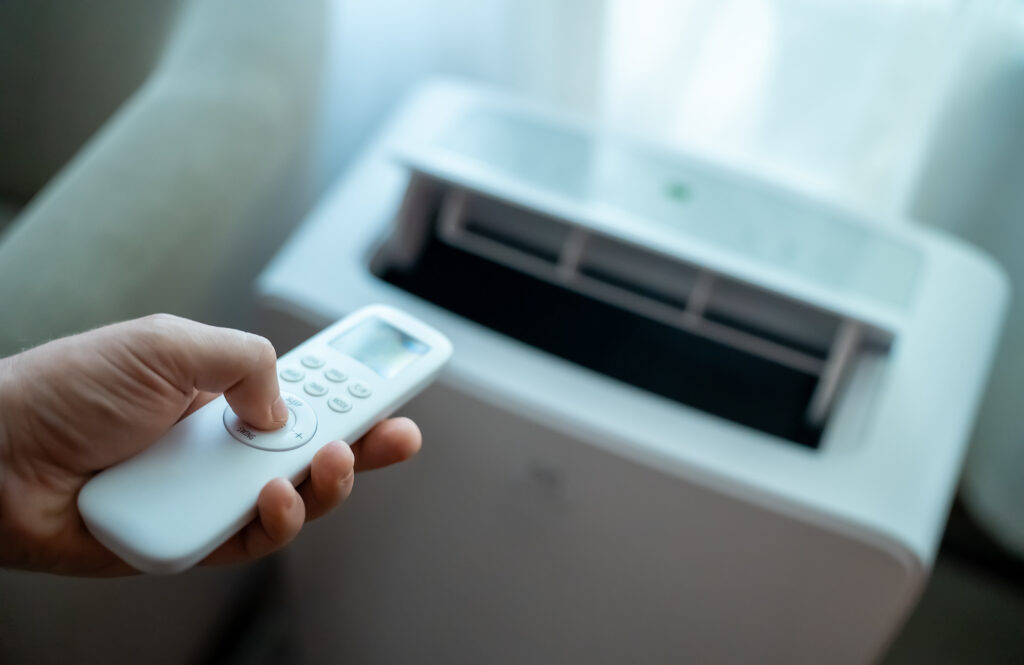
A portable air conditioner is a freestanding cooling unit that sits inside your home, typically near a window, and uses a hose to exhaust hot air outside. Unlike central air systems or window units, portable ACs can be moved from room to room, making them a practical solution for homes without ductwork, renters who cannot modify walls or windows, or homeowners who just need to cool one specific area. They plug into a standard outlet, require minimal setup, and are available at most home improvement stores. Simple, right? They mostly are — but there are a few things worth knowing before you invest in one, especially when it comes to maintenance like refrigerant recharging.
How Does a Portable Air Conditioner Actually Work?
The basic mechanics of a portable air conditioner are similar to any refrigeration cycle. Warm air from the room is pulled into the unit, passed over an evaporator coil filled with refrigerant, and cooled before being pushed back out. The refrigerant absorbs the heat, moves to the condenser coil, releases that heat through the exhaust hose to the outside, and then cycles back to do it again. Most portable units are single-hose or dual-hose designs. Single-hose models draw air from inside the room and exhaust it outside, which can slightly reduce efficiency since it creates negative air pressure. Dual-hose models pull intake air from outside, cool it, and exhaust separately — a more efficient process overall. Understanding this cycle matters because it connects directly to one of the most common performance issues homeowners encounter: refrigerant levels.
What Does It Mean to Recharge a Portable Air Conditioner?
Recharging a portable air conditioner means replenishing the refrigerant inside the sealed cooling system. Refrigerant — often R-410A or R-32 in modern units — is the chemical responsible for absorbing and releasing heat. In a properly functioning unit, refrigerant does not get used up. It cycles continuously within a closed loop. So if your portable AC is losing refrigerant, that almost always means there is a leak somewhere in the system. A recharge without fixing the underlying leak is, at best, a temporary fix. At worst, it is money spent on a problem that will return within weeks. Signs your unit may need attention include warm air blowing from the vents, ice forming on the coils, longer cooling times, or unusual hissing sounds.
Can You Recharge a Portable AC Yourself?
This is where things get a little complicated. Unlike a car AC system, portable air conditioners are not designed for easy DIY recharging. The refrigerant used in most modern units is regulated, meaning handling and purchasing it legally requires EPA Section 608 certification. Attempting to recharge a portable AC without the proper tools, certifications, or knowledge can damage the unit further, void any existing warranty, and potentially create safety hazards. Some products marketed as DIY refrigerant kits exist, but they are often incompatible with home appliances and may cause more harm than good. The honest answer here is that recharging a portable air conditioner is a job for a licensed HVAC technician, full stop.

Key Advantages of Portable Air Conditioners
For all the nuance around refrigerant and maintenance, portable air conditioners offer some genuinely compelling benefits that make them a worthwhile consideration for many homeowners. They fill a real gap in home cooling that central systems and window units sometimes cannot address.
- Flexibility to move the unit between rooms based on where cooling is needed most
- No permanent installation required, making them ideal for renters or temporary spaces
- Lower upfront cost compared to mini-split systems or central air expansions
- Effective cooling for single rooms, home offices, or spaces with poor airflow
- Available with built-in dehumidifier and fan modes for year-round use
Common Drawbacks to Know Before You Buy
Portable air conditioners are not without their limitations, and being informed before purchasing saves a lot of frustration down the road. First, they are generally less energy-efficient than window units or mini-splits of comparable capacity, meaning your electricity bill can climb during heavy use months. They also require a window or sliding door nearby to vent the exhaust hose — not always convenient depending on room layout. Noise is another factor; portable units tend to run louder than other cooling options since the entire mechanical system is inside the room with you. And as discussed, when refrigerant issues arise, repair costs can sometimes approach or exceed the value of a lower-end unit, making replacement a more practical choice in certain cases.
Maintenance Tips to Extend the Life of Your Portable AC
Staying on top of routine maintenance goes a long way toward preventing the kind of performance issues that lead to refrigerant problems in the first place. Most portable air conditioner issues that homeowners encounter stem from neglect rather than mechanical failure, and the good news is that basic upkeep is straightforward.
- Clean or replace the air filter every two to four weeks during active use
- Empty the water collection tank or condensate drain regularly to prevent overflow and mold
- Inspect the exhaust hose for kinks, blockages, or gaps in the seal around the window kit
- Keep the unit away from direct sunlight and heat sources that make it work harder
- Store the unit in a dry, upright position during off-season months to protect internal components
When Repair Makes Sense Versus When to Replace
Deciding whether to repair or replace a portable air conditioner comes down to the age of the unit, the cost of the repair, and what is actually wrong with it. If the unit is less than three years old and a refrigerant leak is confirmed, professional repair can be a reasonable investment — provided the leak source is properly sealed before recharging. Units older than five to seven years with refrigerant issues are often better candidates for replacement, particularly if the cost of service exceeds half the value of the unit. When other components are failing alongside a refrigerant problem — compressor issues, electrical faults, or control board errors — replacement is almost always the smarter financial decision.
How a Home Warranty Factors Into Portable AC Coverage
Here is something homeowners do not always think about until a problem surfaces: does a home warranty cover portable air conditioners? The answer depends heavily on the specific plan and provider. Most standard home warranty plans cover built-in or permanently installed systems, including central air conditioning and window units that are hardwired or considered part of the structure. Portable air conditioners, because they are classified as appliances rather than home systems, may fall under an appliance coverage plan rather than a systems plan — or may require specific add-on coverage. Reading the fine print matters here. Knowing what is and is not covered before something breaks is the difference between a stressful, expensive repair and a covered service call that costs you very little out of pocket.

Why Armadillo Is the Right Home Warranty Partner for Cooling Coverage
When your portable air conditioner stops working in the middle of July, the last thing you want is to navigate a confusing claims process or discover your coverage has a dozen exclusions buried in the terms. That is where having the right home warranty provider changes everything. Armadillo home warranty protection for cooling systems and appliances is built around transparency, simplicity, and actually showing up when homeowners need it most. There are no surprises about what is covered, no runaround when a repair is needed, and no fine print designed to leave you holding the bill. Whether your cooling needs involve a portable unit, central air, or anything in between, Armadillo is designed to protect the systems and appliances that keep your home comfortable year-round. If you are ready to stop worrying about what a repair might cost you, take two minutes to get a free home warranty quote for portable AC and appliance coverage and see exactly what your home qualifies for. It is the kind of preparation that makes every breakdown a whole lot less painful.
Frequently Asked Questions About Portable Air Conditioner Recharging and Home Warranty Coverage
These are the questions homeowners ask most often when dealing with portable AC performance issues, refrigerant concerns, and warranty coverage decisions.
How do I know if my portable air conditioner needs a refrigerant recharge?
Common signs include the unit blowing warm or lukewarm air, ice buildup on the evaporator coils, longer than usual cooling times, and in some cases a hissing or bubbling noise that may indicate a refrigerant leak. A licensed HVAC technician can confirm refrigerant levels with proper diagnostic tools.
Can I recharge my portable air conditioner myself?
No. Handling refrigerant requires EPA Section 608 certification, and portable AC systems are not designed for DIY recharging. Attempting it without proper credentials and equipment can damage the unit, create safety risks, and void any existing manufacturer warranty.
How much does it cost to have a portable AC professionally recharged?
Professional refrigerant recharging for a portable air conditioner typically ranges from $100 to $300 or more, depending on the refrigerant type, the extent of any leak repair needed, and local labor rates. For older or lower-cost units, replacement may be more economical.
Why does my portable air conditioner keep losing refrigerant?
Refrigerant operates in a closed loop and should never deplete under normal conditions. If your unit is losing refrigerant, it means there is a leak somewhere in the system. Simply recharging without repairing the leak will result in the same problem recurring shortly after.
Does a home warranty cover portable air conditioner repairs?
Coverage varies by provider and plan. Some home warranties include portable ACs under appliance coverage, while others limit cooling coverage to permanently installed systems. Reviewing your plan details or speaking directly with your warranty provider before a problem occurs is strongly recommended.
What refrigerant is used in modern portable air conditioners?
Most newer portable air conditioners use R-410A or R-32 refrigerant, both of which are regulated substances. Older units may use R-22, which has been phased out and is increasingly difficult and expensive to source legally.
Is it worth repairing a portable AC or should I just replace it?
If the unit is under five years old and only has a refrigerant issue that can be properly repaired, fixing it can make financial sense. For units older than five to seven years, or when multiple components are failing at once, replacement is usually the more cost-effective path.
How long do portable air conditioners typically last?
With proper maintenance, a portable air conditioner can last between five and ten years. Regular filter cleaning, proper drainage, and correct seasonal storage all contribute significantly to extending the unit’s lifespan.
Does running a portable AC in a poorly sealed room affect refrigerant levels?
No, room conditions do not affect refrigerant levels. However, poor room insulation or gaps around the exhaust hose can make the unit work harder, reducing efficiency and potentially accelerating wear on internal components over time.
What should I do if my portable AC is blowing warm air but the filter is clean?
If the air filter is clean and the unit is still blowing warm air, the issue may involve low refrigerant, a faulty compressor, a dirty evaporator coil, or a blocked exhaust hose. At that point, a professional diagnostic inspection is the appropriate next step rather than attempting to troubleshoot further on your own.