Understanding Portable Air Conditioner Refrigerant Refills: A Homeowner’s Guide
Portable air conditioners offer immediate relief during uncomfortable heat waves or when specific areas in the home need extra cooling. Their plug-in convenience and mobility make them a popular solution for renters, homeowners with older systems, and those living in temperate zones. But like any appliance, they require maintenance—and one of the least understood aspects is refrigerant health. If your unit isn’t cooling like it used to, a refrigerant issue could be to blame. Knowing when and how to address it can save you time, money, and effort in the long run.
What Is a Portable Air Conditioner and How Does It Work?
A portable air conditioner is a self-contained cooling unit that typically sits on the floor and vents hot air through a flexible exhaust hose out of a nearby window or wall. Its primary components mirror those found in standard HVAC systems: a compressor, condenser coil, evaporator coil, fan system, and refrigerant fluid. Refrigerant is the unsung hero of the whole process. It cycles through the system, absorbing heat from the indoor air and moving it outside, leaving your space cooler and more comfortable.
Unlike split systems, portable AC units don’t have the capacity for large-scale cooling, but their simplicity and versatility make them effective for small areas. Most are designed as closed systems, meaning they shouldn’t lose refrigerant under normal operating conditions. However, leaks, component failures, or years of heavy use can eventually lead to low refrigerant levels.
What Does Refrigerant Actually Do in a Portable AC Unit?
Refrigerant plays one key role: heat exchange. When your portable AC draws in warm air, the refrigerant inside the evaporator coil absorbs that heat and changes from a low-pressure liquid into a gas. Then it moves through the compressor, where pressure increases, and on to the condenser coil, where it releases the absorbed heat outside the home and turns back into a liquid. This cycle repeats constantly. If there’s not enough refrigerant, this chain reaction can’t function properly. Cooling will suffer, the unit will work harder, and components can overheat or fail prematurely. Knowing that, the condition and quantity of refrigerant becomes critical.
Signs Your Portable AC Might Need a Refrigerant Refill
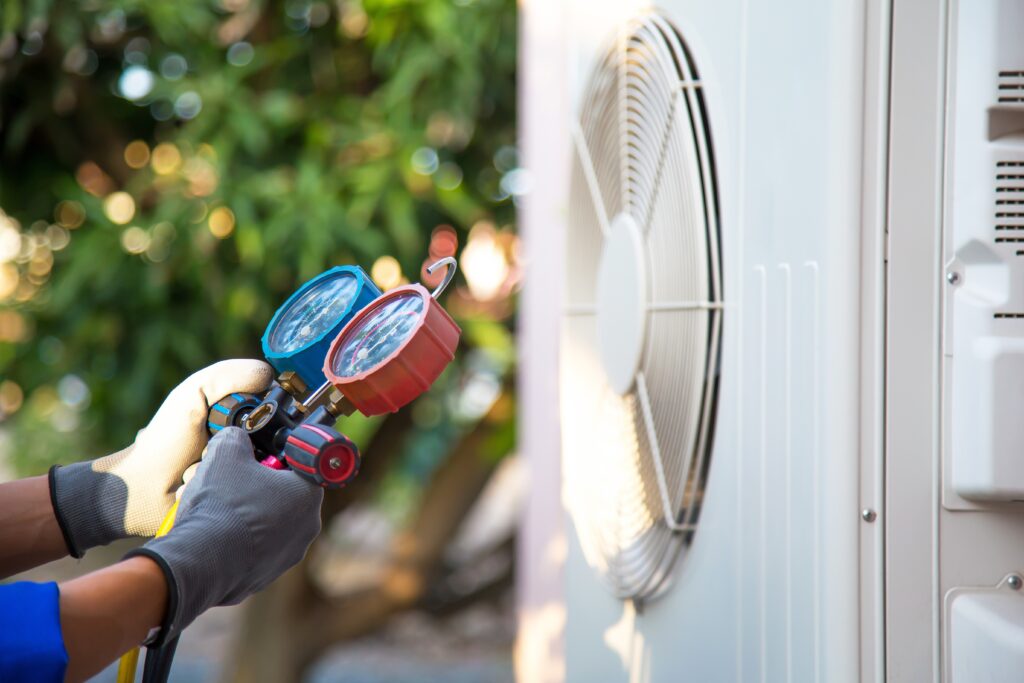
Portable air conditioners aren’t designed to require frequent refills. However, certain problems could arise that signal a refrigerant issue. These include weaker airflow, inconsistent or declining cooling power, ice forming on the evaporator coil, or hissing sounds suggesting a refrigerant leak. A refrigerant recharge isn’t generally a task homeowners handle themselves due to federal regulations and the complexity of safely handling refrigerants. In many cases, a leak may require repair before adding more refrigerant—throwing in a top-up without addressing the root issue only delays the inevitable and potentially worsens unit damage.
Challenges of Refilling Refrigerant in Portable AC Units
Technically, portable air conditioners are considered sealed systems. That means the refrigerant is encased in a permanently closed loop and should not diminish naturally over time. If refrigerant levels are low, it’s because of a leak. The challenge here lies in access. These units are not typically designed with refill ports—refilling may involve disassembling the casing and installing valve fittings to draw vacuum, refill, and test for re-leakage. This is not DIY territory. In fact, only an EPA-certified HVAC technician is legally allowed to recharge refrigerants classified as ozone-depleting substances, such as R-22 or even some older formulations of R-134a or R-410A used in legacy units.
Refill or Replace? Knowing When It’s Time
Repairing a refrigerant issue in a portable AC unit involves cost-benefit analysis. Some repairs can exceed the price of a new unit. If your machine is several years old and no longer under manufacturer warranty, it may make more sense to replace it—especially since modern models are more energy-efficient and compliant with current environmental standards. Refilling refrigerant could temporarily fix the issue, but if the leak persists, costs can snowball. Trusted technicians can help you run the numbers and decide if revival or replacement is the right course based on your use patterns, space size, and comfort priorities.
Home Warranty Coverage: Does It Include Portable AC Refrigerant Issues?
This is where many homeowners bump into an unfortunately common gap. Traditional home warranties may exclude portable air conditioners because they’re considered plug-in appliances rather than integrated home systems. Even those that do cover air conditioning often limit refrigerant coverage or exclude it entirely past a certain dollar amount. That said, newer warranty providers—particularly those positioned to handle more flexible modern homes—are reshaping these terms. It pays to closely review policy language and prioritize warranty plans that explicitly address HVAC coverage, refrigerant replenishment, and portable systems as part of a customizable service lineup.
Preventative Steps to Extend the Life of Your Portable AC
Reducing the risk of refrigerant-related issues starts with care and maintenance. Keep air filters clean to maintain proper airflow through the coils. Clear dust and debris from the vents and inspect the exhaust hose for blockages or kinks. Since refrigerant relies on pressure equilibrium within a sealed system, even minor vibrations or bumps during storage can potentially lead to cracks or loosening of internal components. Store the unit upright, covered, and away from low-temperature environments that could cause components to contract. Also, be strategic with where and how long you run the unit to avoid overtaxing the compressor, which plays a central role in refrigerant cycling.
Protect Your Home—and Cooling Comfort—with Armadillo
If your portable AC is acting up, refrigerant issues could be the culprit—but they’re rarely straightforward to repair or diagnose. That’s why choosing a smart and responsive home warranty provider makes all the difference. At Armadillo, we understand how today’s homeowners rely on a variety of systems, both traditional and portable. With tailored plans, transparent coverage, and access to professional technicians, we help bring clarity and confidence to household maintenance. Whether you need a fast refrigerant solution or peace of mind for future appliance hiccups, we’re here to help. Explore coverage options today at armadillo.one or build your customized plan in seconds at our plan builder.