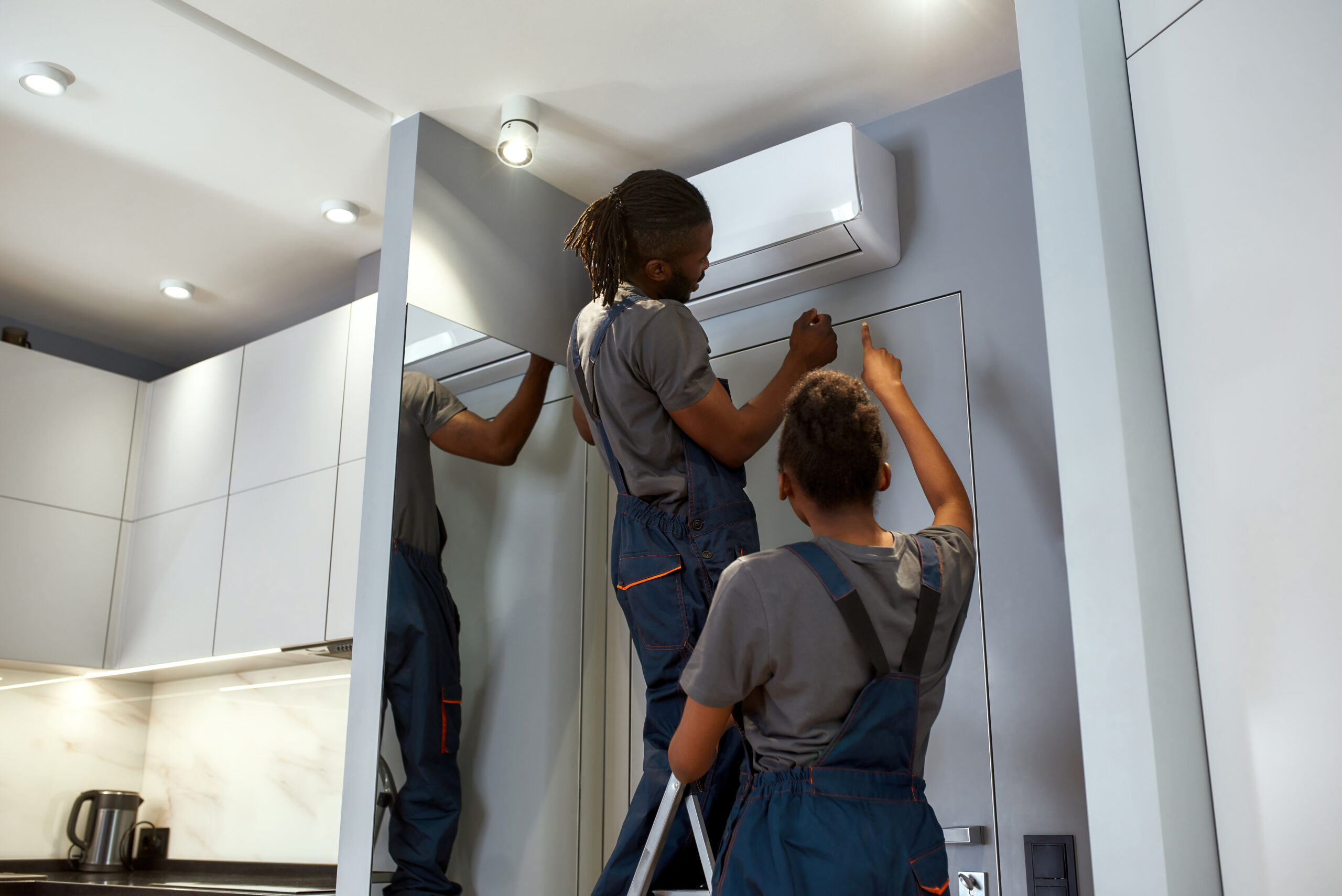
Understanding Air Conditioner Condensation: What Every Homeowner Should Know
Air conditioning is not just about cooling—it’s a process involving airflow, humidity control, and thermal exchange. One often-overlooked byproduct of that process is condensation. Whether you’re a new homeowner or a seasoned one troubleshooting water dripping near your unit, understanding what causes air conditioner condensation and how to handle it is essential. It helps you keep your home comfortable while avoiding costly damage or repairs. Let’s explore the science behind condensation, how it should be managed, what can go wrong, and how homeowners can proactively protect both their system and their space.
What Is Air Conditioner Condensation?
Condensation is a natural and expected result of the cooling process. When warm, humid air is drawn into your HVAC system, it passes over cold evaporator coils. These coils absorb heat from the air—but in doing so, they also cause the moisture in the air to condense into water droplets. This water, now liquid again, needs to be drained away from the unit properly. That’s where the condensate pan and drain line come into play. Their job is simple in theory: collect the water and channel it outside or into a household drain. In practice, things can become more complicated if those pieces of the system malfunction or if maintenance is neglected.
How the Condensate System Works
The mechanism behind managing condensation is straightforward but critical to the health of your HVAC system and the home around it. Your indoor air handler or furnace houses a drain pan beneath the evaporator coils. As condensation occurs, the water droplets fall into this pan. From there, a drain line—often made of PVC—carries the water away, typically outside the house or into a plumbing system drain. In some cases, particularly where gravity doesn’t do the trick, a condensate pump is used to actively move the water upward and out of the home. These elements need to be fully functional and clean to prevent overflow or backup, which could result in water damage, mold growth, or even system shutdowns if triggered by a safety sensor.
Benefits of Proper Condensate Management
Efficient condensate control doesn’t just protect your air conditioner—it protects your home. First, it helps regulate indoor humidity, making your home more comfortable and less prone to mold or allergens. Second, when the drain system is working properly, it prevents water leaks that can ruin drywall, floors, or insulation. Lastly, it ensures that your cooling system runs without triggering unnecessary maintenance calls or damage-related shutdowns. It’s one of those quietly integral components of home maintenance that, when managed properly, goes almost unnoticed—and that’s a good thing.
Common Issues with Condensate Drainage
Despite its simple task, the condensate system is prone to problems—especially if regular maintenance is ignored. The most frequent issue homeowners experience is clogging in the drain line. Dust, dirt, algae, or even insects can block the narrow pipe, preventing water from draining. When that happens, the water overflows, often resulting in ceiling leaks or puddles around the HVAC unit. Additionally, the condensate pan itself can corrode or become misaligned. In systems requiring a condensate pump, failure of that mechanical part can be another weak point. Many units are equipped with float switches that halt operation when water isn’t draining correctly—but while this protects the system, it can be puzzling to a homeowner unfamiliar with what the switch is signaling.
Step-by-Step: Preventing Condensate Problems at Home
The good news is that most condensation-related issues are preventable. Regular, simple maintenance can keep things running smoothly. Start by scheduling at least one professional HVAC inspection per year, preferably before the cooling season begins. During that visit, technicians will typically clean the evaporator coils, flush the drain line, and inspect the drain pan. Homeowners can also check the drain line themselves periodically—look for standing water near the unit or musty smells that might indicate algae growth. In some cases, adding a touch of vinegar to the drain line can help break down buildup. Keeping your air filter clean is also crucial, as it reduces dust that can migrate to the coils and eventually to the drain system.
Should You Repair or Replace Components?
When condensation issues occur, the decision to repair or replace often comes down to the age and condition of the system. If a drain pan has rusted through or a drain pipe is cracked, replacement is often the faster, more cost-effective solution. For units that are over a decade old and showing signs of wear beyond the condensation system—such as inconsistent cooling or unusual noises—replacement of the whole system might be worth considering. In contrast, a clogged line or failed pump is usually simple to diagnose and repair. Always weigh the cost of repair against the overall age and reliability of the unit. A qualified technician can provide insights, but having warranty coverage in place makes this decision less financially risky.
Condensation and Your Home Warranty: Coverage Considerations
One of the simplest ways to take the sting out of unexpected condensation problems is by making sure your HVAC system is covered under a home warranty plan. In many cases, issues like clogged condensate lines, failed drip pans, or broken pumps are considered covered repairs—if not due to intentional neglect. Armadillo offers selected plan options that specifically account for cooling systems and associated drainage components. With a warranty in place, instead of calling around frantically for a technician, homeowners can get resolution quickly without risking hundreds of dollars in surprise invoices. And when problems arise, knowing they’ll be handled by licensed professionals provides invaluable peace of mind in moments that could otherwise feel overwhelming or financially stressful.
Secure Your HVAC System with Armadillo
An HVAC system is a major investment—and one that deserves robust protection. Air conditioner condensation may seem like a small detail, but when overlooked, it becomes a big problem fast. Investing in a home warranty through Armadillo ensures that your cooling system, including its drainage functionality, is taken care of without the hassle. Plans are flexible, coverage is transparent, and filing claims is refreshingly simple. Your home deserves confidence. Back it up with protection that keeps up. Visit armadillo.one to learn more or start customizing your plan now at our plan builder.