Understanding Mold in Air Ducts: What Homeowners Need to Know
Air ducts are often out of sight, so it’s easy for homeowners to put them out of mind. But when mold starts forming inside your ductwork, it becomes more than just a cosmetic issue — it can quietly harm indoor air quality, reduce HVAC efficiency, and impact your family’s health. Mold in air ducts is an issue that creeps in gradually and typically goes undetected until symptoms start appearing. If you’re a homeowner trying to get a handle on HVAC maintenance or exploring the value of a home warranty, this guide will walk you through the basics: how air ducts work, why mold forms, and what to do about it. Let’s take a closer look at one of the quieter — but more damaging — threats in your home.
How Air Ducts Work in Your Home
Your home’s air duct system is responsible for moving heated or cooled air from your HVAC system throughout each room. This network consists of supply ducts that blow conditioned air out and return ducts that bring air back to the HVAC unit for re-conditioning. In a properly sealed and insulated system, these ducts create a continuous loop of climate control, helping your home stay comfortable regardless of the season.
Air ducts are typically made from sheet metal, fiberglass, or flexible plastic. They’re threaded behind walls, through ceilings, and around crawlspaces, making them difficult to inspect. Over time, dust and moisture can accumulate inside these ducts. When conditions are right, this creates an environment where mold thrives almost invisibly. Understanding how mold gets into this system starts with understanding what causes it to grow in the first place.
How Mold Forms in Air Ducts
Mold is a type of fungus that spreads and grows in warm, damp, and dark environments. Air ducts check every box. The typical causes of mold growth in ductwork include persistent humidity, leaky ductwork, poor insulation, and condensation from your HVAC system. If your HVAC system has a clogged drain pan, a dirty filter, or an imbalanced airflow, these issues can introduce excessive moisture inside the ducts. Once mold spores land in a moist, dusty spot — which ducts often provide — they begin to grow and spread.
In many cases, homeowners don’t realize there’s mold in their ductwork until they notice persistent allergy symptoms, musty odors, or visible mold around vents. In homes with central air, the HVAC system can distribute those spores into every room, amplifying the problem. Quick identification is crucial because mold not only damages the HVAC system but also poses potential long-term health risks.
Common Signs of Mold in Ductwork
There are several subtle and not-so-subtle signs that suggest mold could be present in your HVAC ducts. Any lingering musty odor when you turn on the air conditioning or heat could be cause for concern. If you or your family members begin experiencing increased respiratory irritations, sneezing, or itchy eyes at home — particularly when the HVAC system kicks on — mold may be contributing.
In more advanced cases, you might even see dark patches or spotting near air vents or hear complaints about inconsistent airflow due to blockages inside the ducts. HVAC professionals often use inspection cameras to confirm the presence of mold, particularly when it’s hidden deep within the duct network. Keeping an eye (and nose) out for these signs helps catch problems early, before they expand or cause additional expense.
Risks Associated with Moldy Air Ducts
The health implications of indoor mold can range from mild to severe. Mold spores circulate through your HVAC system and enter each room it serves. For individuals with asthma, allergies, or compromised immune systems, exposure can cause chronic respiratory problems, skin irritation, headaches, or fatigue. Children and elderly individuals are especially vulnerable.
Beyond health risks, mold in air ducts can also strain your HVAC system. As spores cling to duct walls and vents, they reduce air efficiency, airflow, and overall performance. This can result in higher energy bills, more frequent system breakdowns, and lower indoor comfort. In the long run, the presence of mold increases wear and tear on your unit, often leading to repair or replacement earlier than expected. It’s the kind of invisible problem that slowly degrades your system behind the scenes, without immediate obvious indicators.
Options for Cleaning and Prevention
Once mold is found in ductwork, professional cleaning is the safest and most effective route. Duct cleaning specialists use high-powered vacuums, HEPA filters, and antimicrobial treatments to remove mold thoroughly. However, simply cleaning the mold isn’t enough. The underlying moisture or ventilation problem also needs to be corrected. Otherwise, the mold is likely to return.
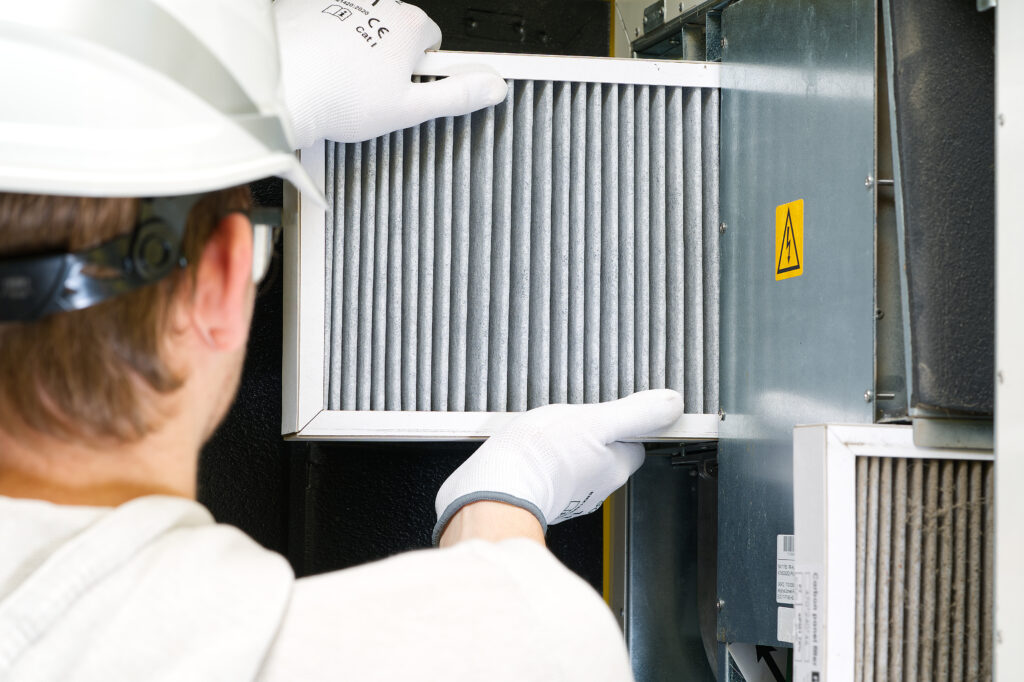
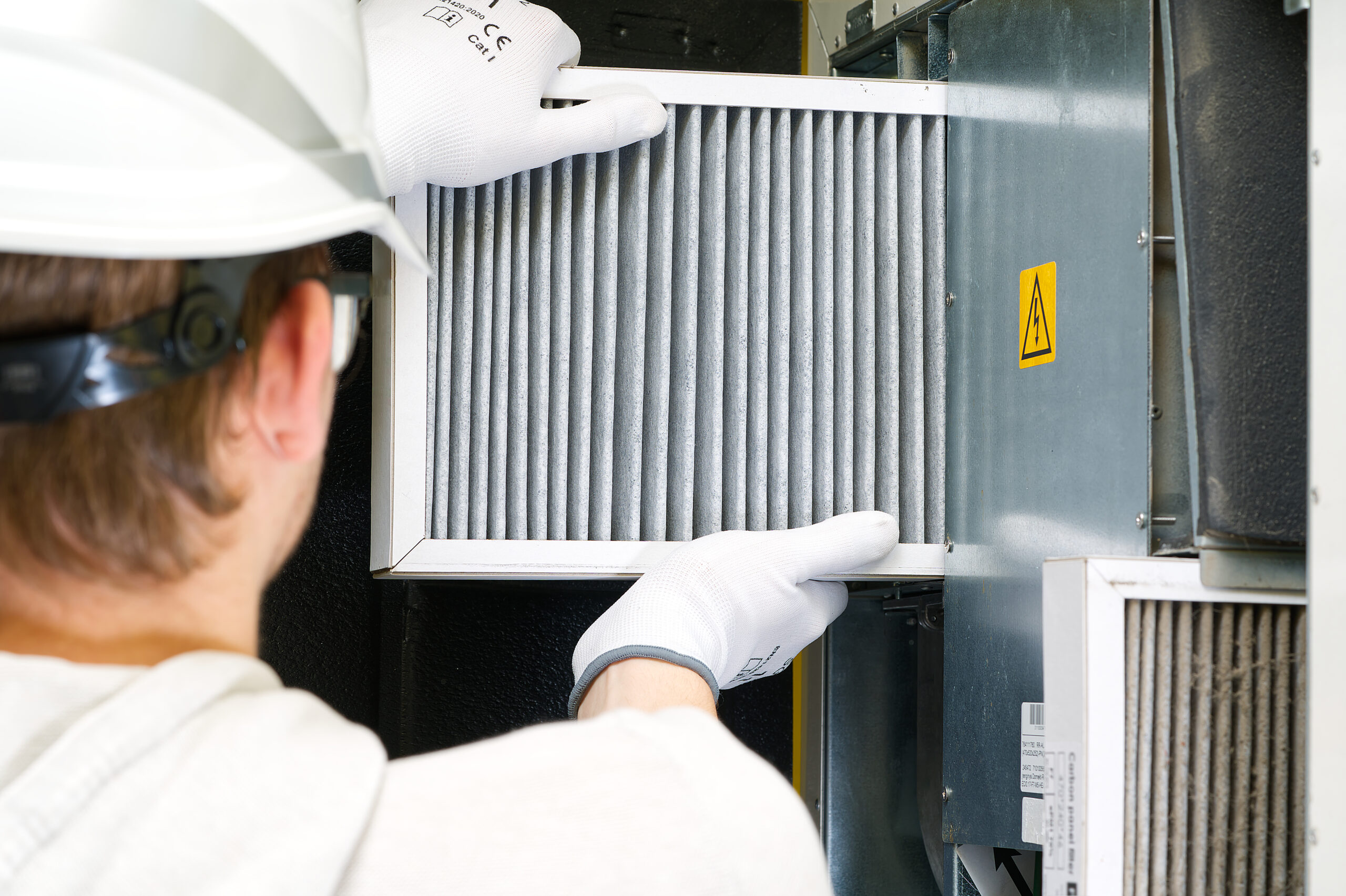
Investing in routine HVAC maintenance — changing filters regularly, checking for condensation, and having annual inspections — goes a long way toward preventing mold. Adding a dehumidifier or improving attic insulation can also help minimize moisture in duct systems. In climates with high humidity, sealing ducts and ensuring your HVAC is equipped with adequate drainage is essential. Prevention is the most manageable and affordable approach in the long term.
How Home Warranties Fit Into Mold Prevention
While most home warranties don’t cover direct mold remediation, they often cover the underlying HVAC issues that lead to mold — like a malfunctioning evaporator coil, clogged condensate line, or failing blower motor. These are system components that, if neglected or left unrepaired, can introduce moisture into the duct network. A comprehensive home warranty can protect you from surprise repair costs and help maintain your HVAC system’s health, indirectly reducing the risk of mold formation in ducts.
It’s important to understand exactly what’s covered in your home warranty plan. Some providers offer optional HVAC maintenance coverage, seasonal system checkups, or add-ons that can help with indoor air quality. Catching these root causes before they evolve into larger problems ensures mold never gets the chance to grow, and your home avoids becoming a breeding ground for allergens and costly damage.
When to Take Action
If you suspect something’s wrong with your ductwork — unexplained health issues, a musty air quality, inconsistent temperature between rooms — it’s time to investigate. The earlier you act, the easier and less expensive the solution becomes. Scheduling an HVAC system inspection, especially before heavy heating or cooling seasons, can uncover mold-friendly conditions early. Even if your system seems to be working fine, silent moisture buildup could be setting the stage for spores later.
For homeowners who want peace of mind, having a home warranty in place creates an added layer of protection. It’s a proactive way to budget for future repairs while guarding against system breakdowns that can trigger mold headaches. The easier it is to fix an issue, the less damage it can cause. Managing mold risk starts with managing the system that controls your home’s airflow and comfort.
Keep Your Home Protected with Armadillo
Mold in your air ducts may not be the first thing on your mind when it comes to home upkeep, but it’s waiting in the background — silent, aggressive, and entirely preventable. With a modern home warranty from Armadillo, you can stay ahead of the systems that matter most. We offer plans designed for today’s homeowner — fast, tech-driven, and built for real-life reliability. Protect your HVAC system, avoid surprise mold-inducing repairs, and maintain indoor air quality with coverage that’s both smart and convenient. Take the first step by building your personalized plan here.