Understanding Leaky Sprinklers: How to Prevent Water Waste and Protect Your Lawn
Sprinkler systems are often the unsung heroes of residential landscape care. When working properly, they quietly deliver uniform coverage, ensuring your lawn stays green and your garden thrives. A leaky sprinkler, however, can shift from a background feature to a source of waste, damage, and frustration almost overnight. For homeowners, knowing how this system operates—and what can go wrong—is the first step toward long-term savings and water efficiency. Grounded in the nuances of the home warranty space, this article serves as a detailed guide to understanding your sprinkler system, diagnosing leaks, and determining when to make repairs or seek coverage from a home warranty provider.
How Residential Sprinkler Systems Work
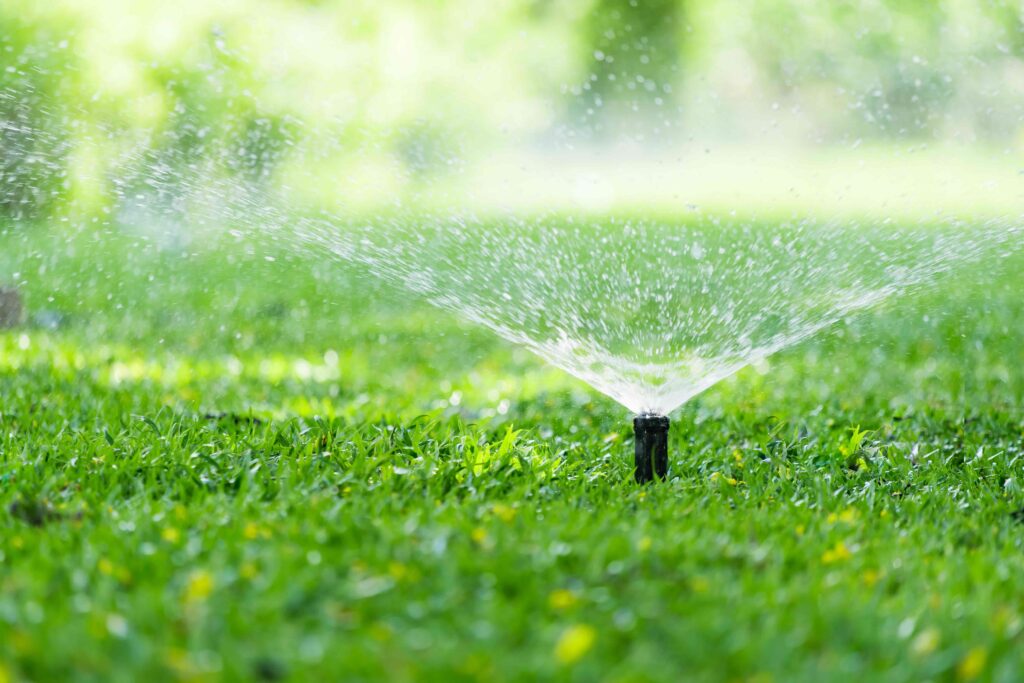
At their simplest, sprinkler systems comprise a network of underground pipes, valves, and heads that work together to distribute water across specific zones in your yard. These systems can be programmed to activate based on time, weather conditions, or soil moisture levels. Water flows from your home’s main supply into the control valves, which then regulate how much water is sent to various zones through lateral pipes. Sprinkler heads act as the system’s endpoint, spraying water in predetermined patterns and ranges based on nozzle design and pressure regulation.
Most modern systems include a backflow prevention device to protect your drinking water from contamination, timers for automated scheduling, and rain sensors that help avoid unnecessary watering. While this automation adds to convenience, it also means issues like hidden leaks can go unnoticed without deliberate monitoring.
What Causes a Sprinkler to Leak?
Leaks can develop at virtually any point in your irrigation system, from the underground piping to the exposed sprinkler heads. One common cause is damage to pipes from freezing temperatures or invasive tree roots. Over time, small cracks in the pipes or joints allow water to seep through, even when the system is turned off. Valve malfunctions—often due to dirt, worn diaphragm seals, or mineral buildup—can also result in persistent leaking.
In many cases, sprinkler heads themselves become culprits. Whether through mower incidents, foot traffic, or simple wear and tear, damaged heads may begin to drip or spray unevenly. Gasket deterioration inside the head can lead to steady leaks, further compounded by high water pressure or improperly set spray patterns. Knowing where to look is key; even a slow leak can result in hundreds of gallons of wasted water each month.
Signs You May Have a Leak in the System
Leaks in sprinkler systems are not always immediately obvious, which is what makes periodic inspection so important. Signs often include unusually high water bills, soggy patches or standing water in parts of your yard, or sprinkler heads that continue dripping long after the system shuts off. In some cases, you may notice reduced water pressure in specific zones or irregular spray patterns, indicating potential blockages or leaks beneath the surface.
You might also see greener-than-usual patches of grass near where a leak is occurring. While this may appear positive, it typically signals saturation beyond healthy levels and likely points to an ongoing issue underground. A visual inspection of each sprinkler head—both when the system is on and off—can usually help isolate where the leaking originates.
Long-Term Risks of Letting Leaks Go Unrepaired
Ignoring a leaky sprinkler can lead to far more than just wasted water. Soil erosion around your foundation, pooling that attracts pests, and mold development beneath mulch or grass are all potential outcomes when water consistently seeps in unintended areas. Worse, underground leaks can create voids that destabilize soil, affecting the structural integrity of walkways, driveways, and even the base of your home.
Over time, persistent leaks can strain other parts of your irrigation system, forcing pumps and valves to work harder than necessary. This added stress shortens the lifespan of your overall system, increasing the frequency and cost of required repairs. Leaky sprinklers also impact plant health, either by beneath-the-surface waterlogging or through inefficient distribution that leaves some areas parched and others overwatered.
Is a Sprinkler System Covered by Home Warranty Plans?
This is where it gets nuanced. Many standard home warranty plans do not cover yard irrigation systems outright—but there are exceptions. Coverage depends on the policy and provider. Some companies offer optional add-ons that specifically include sprinkler systems, while others may limit coverage to just electrical or valve components. At Armadillo, we believe that protecting your home should extend beyond what’s inside the walls. Select Armadillo home warranty plans offer optional irrigation system coverage, helping safeguard you from repair costs due to mechanical failure or normal wear and tear, provided the issue affects covered components like valves or controllers.
It’s important to review your home warranty policy carefully, noting which elements fall under coverage and which are excluded due to negligence or improper installation. Preventative maintenance—even simple tasks like flushing the lines and checking for leaks—can go a long way in meeting eligibility requirements for coverage when problems arise later.
Tips for Preventing Leaks and Extending Sprinkler Life
Routine maintenance is the cornerstone of keeping any home system in peak condition, and sprinkler systems are no exception. Start with a seasonal inspection, ideally before and after winter, to identify any signs of frost damage or pipe displacement. Make sure to regularly clean each sprinkler head to prevent clogs and blockages that could redirect water flows and increase stress on the system.
Installing a pressure regulator ensures water is flowing at optimal levels without overwhelming your irrigation lines. Additionally, consider upgrading to more modern smart irrigation controllers, many of which monitor usage, adapt to weather patterns, and send leak alerts to your mobile device. These connected systems aren’t a luxury—they’re a practical investment in long-term home efficiency.
When to Repair vs. Replace Components
Not every issue with your sprinkler system requires a full overhaul. Cracked sprinkler heads or worn washers are easily replaced at minimal cost. Damaged above-ground piping can often be serviced without professional help. However, persistent leaks that emerge in multiple areas may suggest systemic problems—such as deteriorating pipes or failing control valves—where a broader repair or replacement is justified.
Keep in mind that deeply buried pipes, crossing utilities, or complex zone systems usually warrant professional service. Infrared imaging or pressure testing may be necessary to pinpoint underground leaks. If multiple valve replacements or ongoing patchwork repairs are needed, replacement of the system—either full or partial—may prove more cost-effective in the long term. That’s where the right home warranty coverage pays off, helping you control your out-of-pocket exposure.
Why Armadillo Is the Smart Choice for Sprinkler System Protection
When something goes wrong with your sprinkler system, it’s rarely just a matter of replacing one component. It often involves locating the issue, freeing up time and energy, and managing costs you didn’t plan for. Armadillo understands how these everyday inconveniences affect the larger homeowner experience. That’s why we’ve designed home warranty plans that let you add optional irrigation coverage tailored to your property.
With Armadillo, you get more than just problem resolution—you get strategic, future-facing protection that complements your lifestyle. Our smart digital platform keeps everything streamlined, from service requests to system insights. Learn more about our coverage options at armadillo.one, or get started today by building your plan at our plan builder. Don’t wait for water waste to turn into water damage. Let Armadillo keep things flowing the right way.