Why There’s Condensation in Your Air Ducts and What You Can Do About It
Condensation in your home’s air ducts isn’t just a nuisance—it’s a red flag. From mold to water damage, that dampness can be more destructive than most homeowners realize. Understanding what causes condensation, how your HVAC system interacts with your home environment, and what options are available for prevention and mitigation is the first step to stopping the problem early. In the home warranty industry, we see this issue over and over—and while the solution varies slightly in every case, the core of the problem is often the same: poor airflow, insulation inefficiencies, and HVAC systems that work harder than they should.
Understanding the Role of Air Ducts in Your HVAC System
Your air ducts are essentially the lungs of your home. They distribute heated or cooled air from your HVAC system to each room, and they return stale air back to the core units for filtration and reconditioning. Whether you have a furnace, central air conditioner, or a heat pump, the system relies on the integrity of these ducts to function efficiently. Condensation forms in air ducts when moist, warm air meets the cooler surfaces inside the ductwork—especially if that ductwork isn’t insulated responsibly or lives in spaces like attics or crawl spaces where temperature differentials are more extreme.
What Causes Condensation in Air Ducts?
Condensation usually stems from a collision between cold ductwork and warm, humid air. It’s physics, and unfortunately, it’s persistent. If your home experiences high humidity—maybe due to seasonal weather, insufficient ventilation in bathrooms or kitchens, or foundation leaks—you’re giving condensation plenty of raw material to work with. The air ducts, especially if they run through unconditioned spaces, offer cooler surfaces where moisture from the air condenses into droplets. That collected moisture doesn’t just disappear; it often soaks into insulation, drips onto drywall, or invites biological contaminants you don’t want to deal with later—like mold or mildew.
The Consequences of Ignoring the Problem
Ignoring condensation in your air ducts can lead to expensive and even hazardous consequences. Mold growth, for instance, is a frequent side effect and can impair indoor air quality and trigger respiratory issues for you and your family. Over time, water droplets collecting inside ductwork can weaken duct joints, erode insulation, and cause long-term inefficiencies in your HVAC system’s performance. Eventually, water damage expands to surrounding structures—wood rot in framing, warped drywall, staining, and even ceiling collapses. Homeowners often miss the issue until it leaves a more visible mark—by the time there’s a water stain, the underlying problem has likely been brewing for a while.
How to Prevent Condensation from Forming
Tackling duct condensation is more about prevention than repair. First, proper duct insulation is critical. If your ducts pass through unconditioned areas like the attic or basement, that’s where condensation commonly starts. Upgrading the insulation around the duct exterior can dramatically reduce the surface temperature differential that causes moisture to condense in the first place. In tandem with insulation, controlling your home’s humidity levels is essential. Dehumidifiers, exhaust fans, and smart home thermostats that monitor relative humidity can keep your home’s environment consistent and reduce overall moisture content. And don’t neglect system maintenance—replacing clogged air filters, checking for duct leaks, and ensuring that air returns are unblocked will help your HVAC system breathe more easily, which keeps everything running more efficiently and reduces moisture accumulation.
When It’s Time to Call a Professional
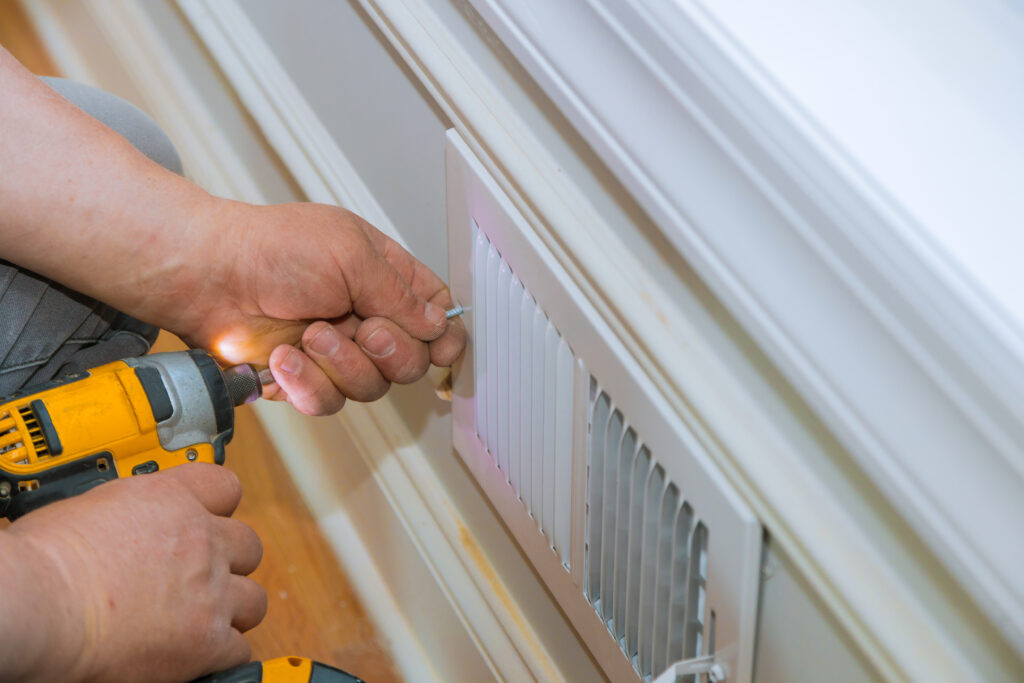
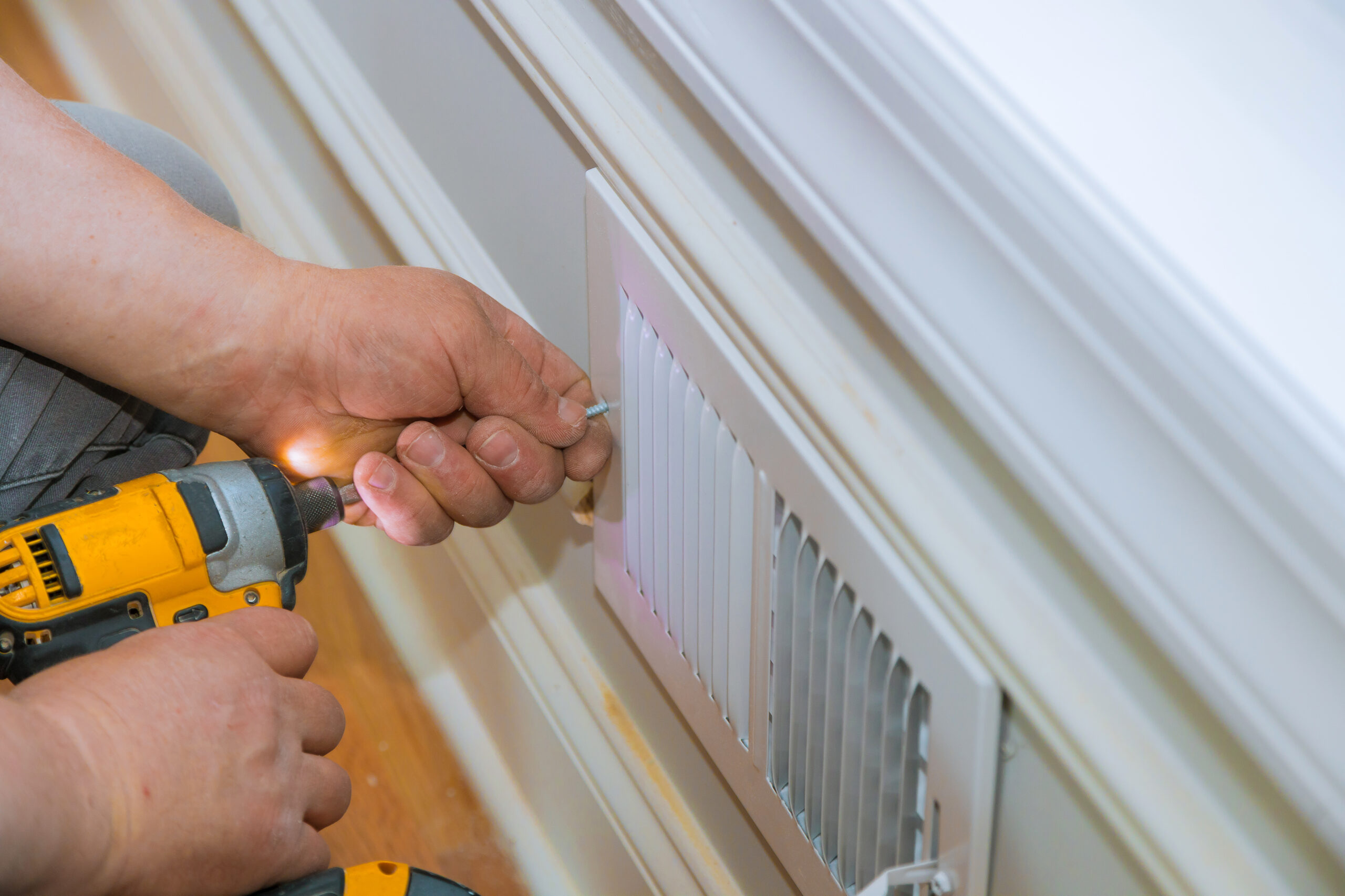
There’s only so much a homeowner can address on their own. If condensation issues persist after adjusting humidity levels and insulating ducts, it’s time to bring in HVAC professionals. They’ll assess whether your system is oversized, improperly balanced, or compromised by leaks or faulty return air flow. Sometimes, the root of the issue is less about moisture and more about air pressure and temperature imbalance. Additionally, professional duct cleaning and inspection might reveal microbial buildup or structural flaws that need more aggressive mitigation.
What Role Does a Home Warranty Play?
This is where a trusted home warranty plan—like the kind offered through Armadillo—empowers homeowners to act quickly, without fearing high repair costs. If your HVAC system falls prey to mechanical failure exacerbated by persistent condensation, costs can spiral quickly. Having a warranty in place helps turn major repairs into manageable service visits. While home warranties don’t typically cover mold removal or water damage restoration, they often do cover the mechanical components of failed heating and cooling systems. That allows you to get professional attention before cascading issues take hold—and since HVAC components run 24/7 in some homes, being covered delivers both financial protection and peace of mind.
Why Armadillo Is a Smart Choice for HVAC Peace of Mind
Preventing air duct condensation is possible, but only if you stay proactive. Maintenance, monitoring, and thoughtful moisture control all come into play. But even as you stay vigilant, mechanical failures can still occur—and that’s where a smart home warranty delivers real value. Armadillo offers homeowner-centric coverage plans that are transparent, flexible, and effective. If your HVAC system is aging or working overtime, having robust, reliable coverage from a partner like Armadillo prepares you for whatever comes next. Curious how we can help protect your home’s vital systems? Visit Armadillo’s homepage or explore personalized coverage options with our Plan Builder tool. We’re built for the unexpected—so your home stays covered, rain or shine.