How Pool Noodles Can Help You Protect One of Your Home’s Most Overlooked Systems: Insulated Plumbing
When we think about home maintenance, we tend to focus on the obvious: the HVAC system in summer, the water heater in winter, maybe a fresh coat of paint every few years. But there’s another essential element quietly working year-round that deserves a share of your attention: your home’s insulated plumbing system. Believe it or not, this is where the humble pool noodle becomes surprisingly relevant. Whether you’re protecting pipes in colder climates, improving energy efficiency, or just boosting the durability of your home’s infrastructure, understanding pipe insulation is key to preventing inconvenient—and often expensive—repairs down the line.
What Is Insulated Plumbing?
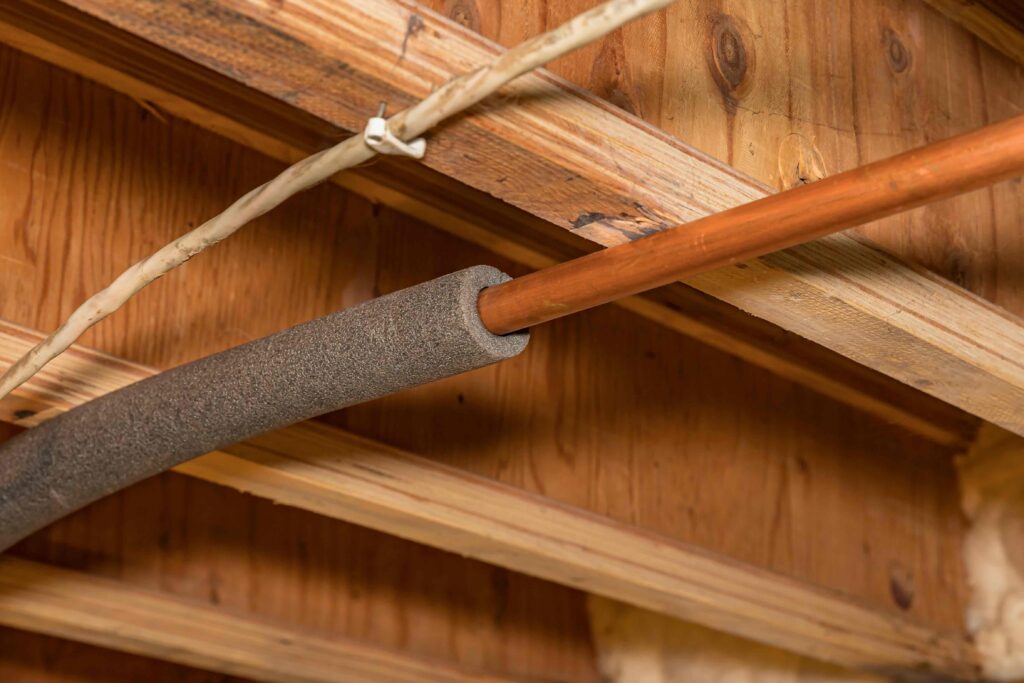
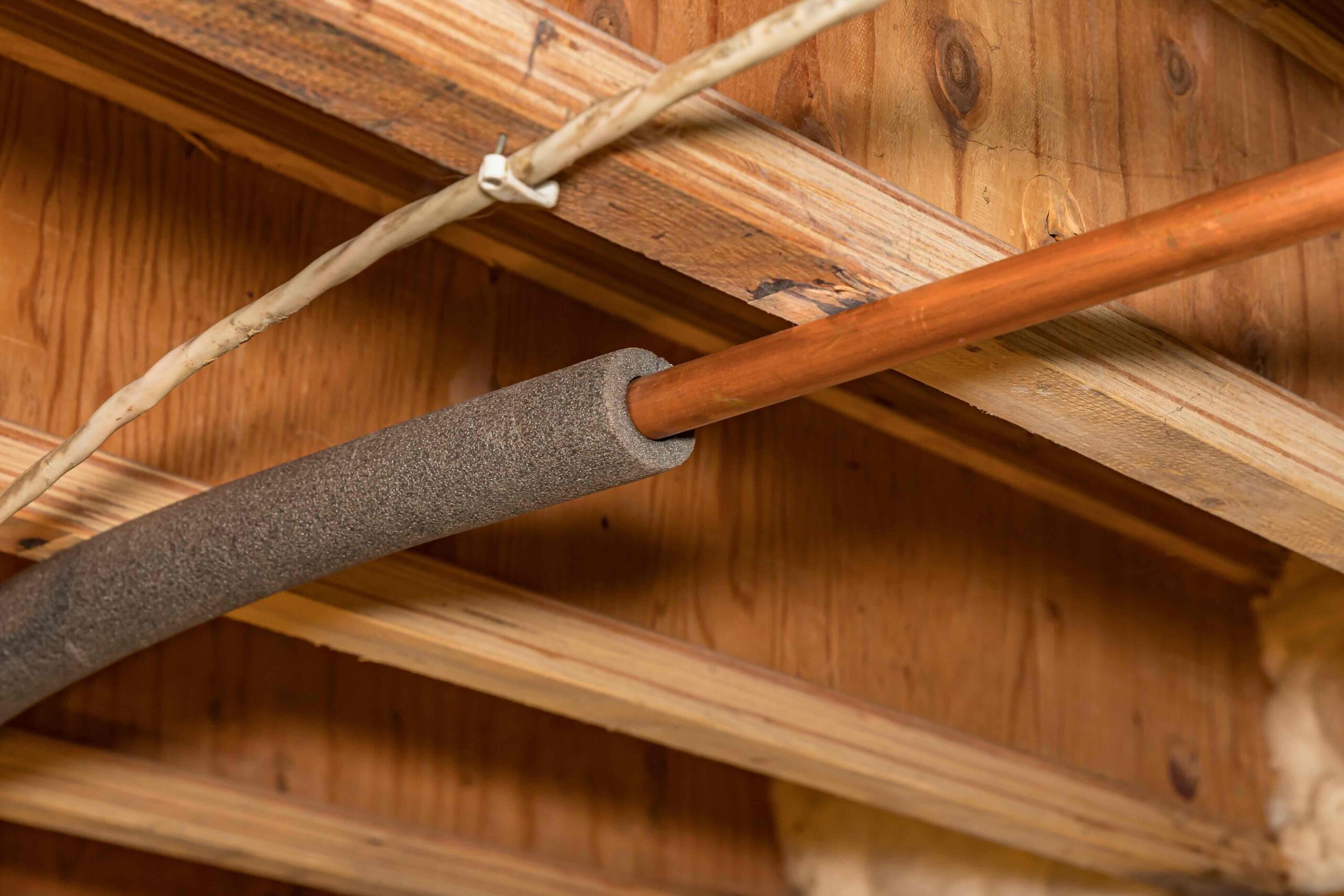
Insulated plumbing refers to the practice of wrapping the pipes in your home—usually water supply lines and sometimes drainpipes—with a thermal barrier. This typically takes the form of foam or rubber tubes that encase the pipe and help regulate temperature. The objective is straightforward: reduce heat loss from hot water pipes, prevent cold water pipes from sweating, and most critically, protect vulnerable pipes from freezing and bursting during low temperatures. Though some builders install insulation during construction, many homeowners discover too late that their pipes are inadequately protected. That’s where simple materials, like polyethylene insulation tubing—or yes, even repurposed pool noodles—can play a role in a temporary or DIY solution.
How Does Pipe Insulation Work?
Pipe insulation works by creating a thermal buffer between the pipe and surrounding air. Hot water pipes lose heat as water travels from your water heater to the faucet. Insulation reduces that temperature drop, helping you get warm water faster and reducing the energy needed to reheat it. On the other hand, cold water pipes can attract condensation during humid months, which leads to dripping and, over time, water damage or mold growth. For winter protection, insulated plumbing is crucial. When water freezes it expands, and if that happens inside a pipe, pressure can build until it cracks or bursts. Insulation slows the rate at which pipes lose heat, making it less likely that they’ll reach freezing temperatures, especially in exposed areas like basements, attics, crawlspaces, or exterior walls.
What’s the Advantage of Pipe Insulation?
The benefits of adding or maintaining pipe insulation in your home go beyond basic protection. First, there’s cost savings. Insulated hot water pipes retain heat better, which translates into lower energy bills and quicker hot water from your taps or shower. Then there’s water conservation. Because the temperature in your lines remains more consistent, you’ll spend less time waiting for water to warm—using less water overall. There’s also longevity. Insulation reduces wear and tear on your water heater and pipes by minimizing expansion, contraction, and corrosion caused by extreme temperature fluctuation. Lastly, a properly insulated plumbing system translates to peace of mind, particularly during winter months when frozen pipes can lead to sudden, catastrophic damage and costly repairs.
Why Pool Noodles Are Mentioned in This Context
Here’s where it gets clever. Pool noodles—the colorful cylindrical foam toys found in virtually every big-box store come summer—are made from the same closed-cell polyethylene foam used in general pipe insulation. They’re light, flexible, and happen to fit neatly over pipes with a standard half-inch to one-inch diameter. Homeowners, particularly DIY enthusiasts, have discovered that cutting slits along one side and sliding them over exposed pipes offers a makeshift pipe insulation solution. While this certainly isn’t a professional replacement for proper insulation, it can be surprisingly effective in an emergency or as a stopgap. In short, if you’re in a bind and know a cold snap is on its way, a pool noodle is better than nothing, though eventually you’ll want to install formal pipe sleeves designed specifically for the purpose.
Potential Drawbacks to Insulated Plumbing
Everything has its limits, and plumbing insulation is no different. Over time, especially in moist or humid environments, foam insulation can degrade. It can also be vulnerable to pests—mice and insects sometimes gnaw at it or nest nearby. Poor installation is another risk. Gaps in the coverage, mismatched sleeve sizes, or flawed seams can reduce the effectiveness of the entire system. If insulation gets wet from a leak or condensation that wasn’t controlled properly, it can actually trap moisture against the pipe, accelerating corrosion or enabling mold growth. That’s why it’s essential to inspect your plumbing insulation regularly and maintain proper sealing and support. Also, while DIY fixes like wrapping pipes with towels or pool noodles might feel smart in the short term, they shouldn’t be substituted for durable, tested materials that comply with building codes and deliver consistent performance.
Professional Tips for Best Pipe Insulation Results
If you’re looking to insulate your home’s plumbing, start by identifying priority zones. Exposed pipes in crawlspaces, unheated basements, exterior walls, and attics are the most vulnerable to freezing. Measure your pipes and purchase pre-slit foam pipe insulation that fits securely without compressing. Adhesive strips work well for sealing long runs, while duct tape can bridge seams or curves. Consider using thicker insulation in extremely cold regions, and don’t overlook valves and elbows—insulating these can be just as important. For homeowners who want maximum efficiency, consider pairing pipe insulation with pipe trace heating cables in high-risk areas. These cables warm pipes when plugged in, with the insulation helping to distribute and preserve the heat. Finally, not all insulation is created equal; high-quality, flame-retardant closed-cell foams provide better thermal efficiency and greater safety over time. Know what you’re getting and follow manufacturer guidelines for installation.
Why Pipe Problems Can Still Arise—Even With Insulation
Even well-insulated pipes can’t work miracles. If your plumbing system is aging, has corrosion issues, or features outdated materials like galvanized steel, insulation is only part of the solution. Likewise, insulation won’t protect against water hammer, mineral buildup, or underground line failure. These broader plumbing challenges can arise regardless of how well you’ve wrapped your pipes. That’s where a comprehensive home warranty that covers plumbing systems—both internal and external—becomes invaluable. Few homeowners prepare for the time and cost associated with pipe bursts behind walls or under slabs. And when issues surface, they rarely do so at convenient times. A warranty offers access to vetted pros and potentially substantial savings on repair and replacement.
Consider Armadillo for All-Around Plumbing Protection
When it comes to protecting your home’s plumbing, insulation should be part of a layered approach that includes good maintenance, smart materials, and a reliable safety net. A home warranty from Armadillo can close the coverage gap that even the best insulation can’t fill. By offering modern, transparent plans that protect against both expected wear and unpredictable failure, we help homeowners stay ahead of repair costs—and behind fewer surprises. Explore our flexible coverage options that include plumbing systems and exterior pipe protection at www.armadillo.one. Ready to start your personalized plan now? It only takes a few clicks at our plan builder page. Protect your home beyond the basics—every pipe, every season.