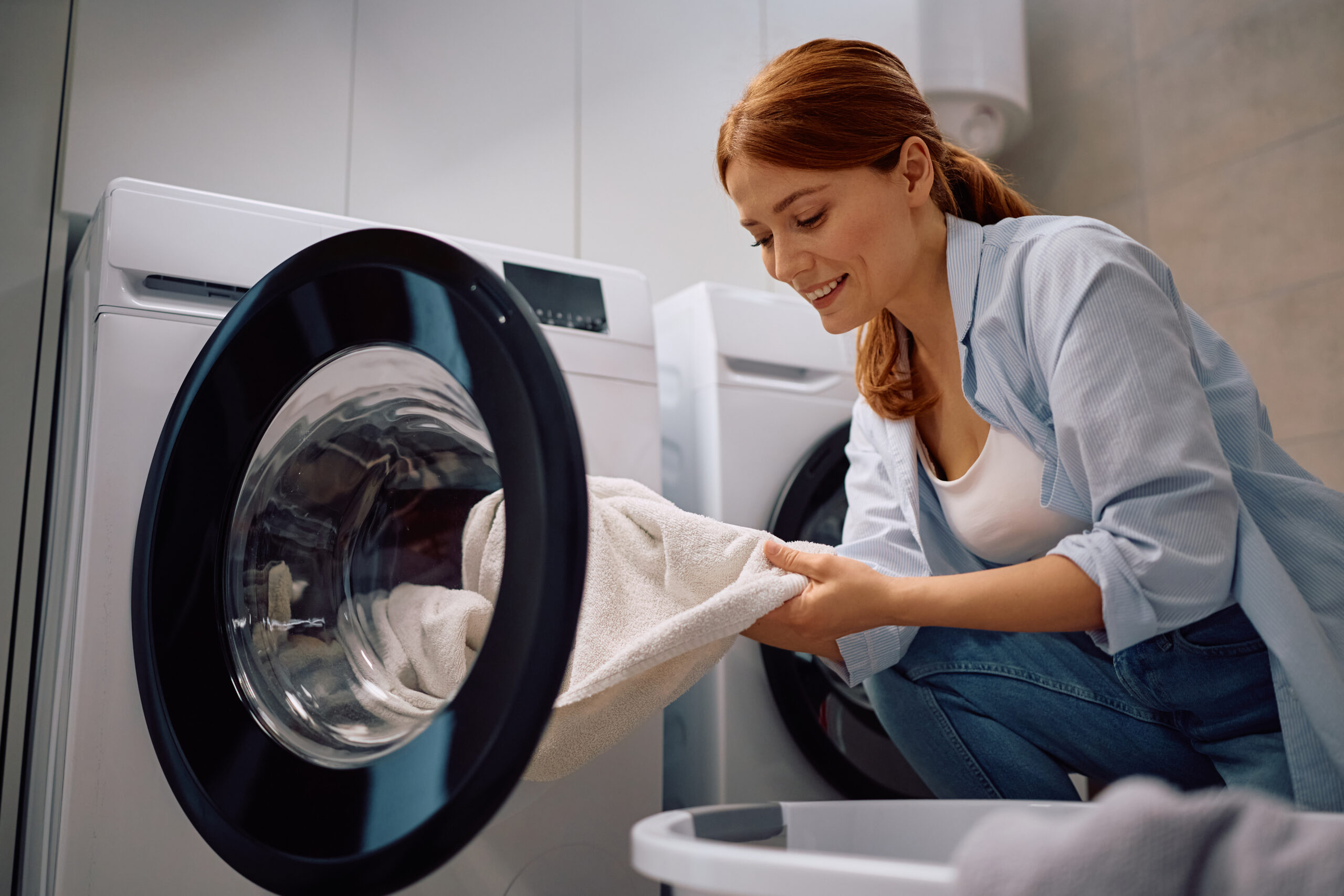
What is a Washer Overflow Pan—and Why Every Laundry Room Needs One
Water damage is one of the most common (and costly) issues homeowners face. A silent leak or a sudden overflow from your washing machine can lead to warped floors, mold, and disrupted daily life. One surprisingly simple solution? A washer overflow pan. While it might not get the attention a new appliance or bathroom remodel does, this low-profile tool plays a critical role in preventing water damage. If you have a laundry area—especially on an upper floor—understanding the purpose and importance of a washer overflow pan matters. Let’s explore how it works, what it protects, and why it’s a far more significant part of your home than it looks.
Understanding the Washer Overflow Pan
A washer overflow pan, sometimes referred to as a washer drain pan or washing machine tray, is a shallow, durable pan designed to sit underneath your washing machine. Its purpose is straightforward: catch and contain water leaks or overflows before they can reach your floors. The pan typically includes a fitting that connects to a drainpipe, redirecting the water safely away. While simple in structure, it provides a powerful buffer between a defective washing machine and potential flooring or structural damage. For homeowners with installations on second stories or in closet spaces, it’s an essential layer of protection.
How a Washer Overflow Pan Works
Think of it as the last line of defense between a plumbing mishap and a flooring disaster. When a washing machine leaks from its hose, pump, or fittings—or if it overflows due to a clog—the water will naturally flow downward. A washer pan catches that water before it seeps into your floor. Most pans are crafted from high-impact plastic or stainless steel, and have a standard drain hole that connects to your home’s plumbing system. That drain directs water away to the nearest drainage point, usually a floor drain or a utility sink. In homes without a built-in secondary drain, the overflow pan can at least contain water long enough for you to detect and address it without immediate property damage.
Why It Matters More Than You Think
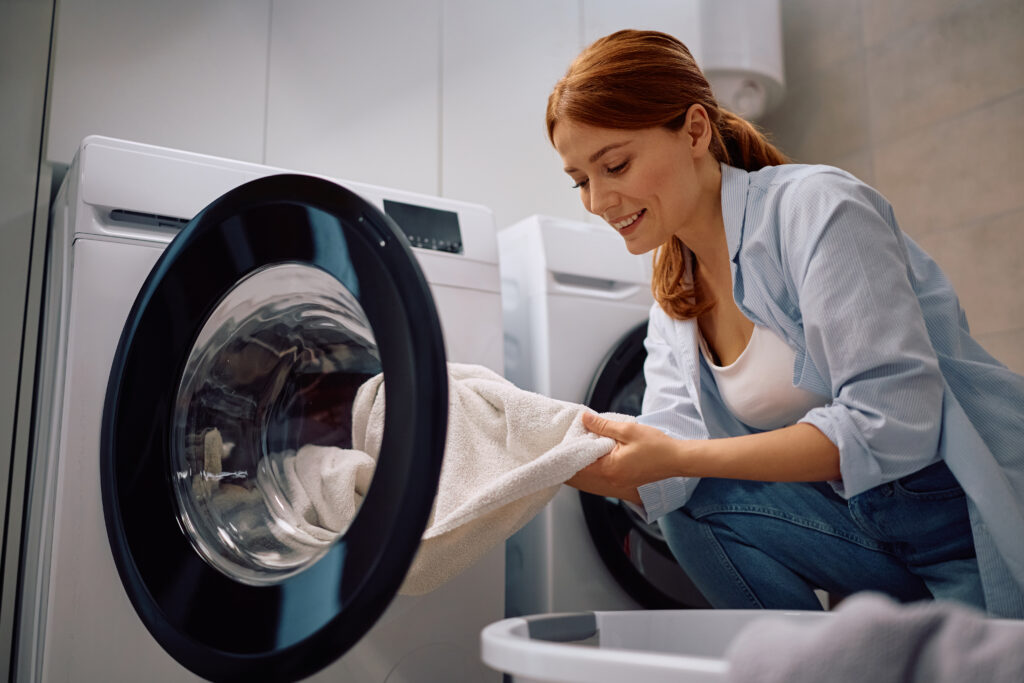
The average washing machine can use between 15 to 45 gallons of water per load. A leak—even a minor one—can soak into subflooring, drywall, or carpeting quickly. Damage like warped wood, peeling paint, or mildew doesn’t just impact aesthetics—it also affects the value and integrity of your home. While many people focus attention on maintaining the washing machine itself, the supporting infrastructure around it (like a washer pan) is equally critical. Especially in condominiums, second-story laundry rooms, or tightly packed laundry closets, a washer overflow pan is not just helpful—it’s a must-have.
Benefits of Installing a Washer Overflow Pan
The immediate benefit is prevention. A washer overflow pan acts as a passive safeguard. With very little maintenance or interaction, it stands ready to catch and contain leaks. Homeowners experience peace of mind, knowing they’ve taken a tangible step toward reducing the risk of water damage. It also satisfies building codes in many municipalities, particularly for second-floor installations. With low upfront cost and simple integration into both new and existing laundry setups, the washer drain pan provides exceptional return on investment. Over time, that small pan could save you from massive repair bills and insurance claims.
Potential Drawbacks and Things to Consider
No solution is flawless. While washer overflow pans are helpful, they are only as effective as their setup. If the pan doesn’t connect to a proper drain, its capacity becomes limited. For many standard homes, that means water could overflow the pan if the washing machine fails dramatically. Additionally, over time, sediment, lint, or soap residue can clog the pan’s drainage connection—rendering it less effective or backing water up into unexpected places. If your home was never fitted with a floor drain near the laundry area, retrofitting one can be a larger plumbing investment. However, even in an undrained setup, the presence of a washer pan still buys you time, serving as an early detection point that something is wrong.
Choosing the Right Washer Overflow Pan
Washer overflow pans are not one-size-fits-all. Like washing machines themselves, dimensions and fittings vary. Before purchasing, measure your washer’s footprint—length, width, and clearance. Choose a pan made from durable materials that resist cracking or warping, particularly under weight and water pressure. If your laundry area has a built-in drain, ensure the pan’s outlet can connect easily. If not, you may need to consult a licensed plumber about redirecting or installing a drainage path. Brands and materials matter here—cheaper versions may degrade quickly or warp under pressure. Investing in a high-quality model increases long-term value and reliability.
Washer Overflow Pans and the Bigger Home Warranty Picture
In the context of your broader home maintenance strategy, think of a washer overflow pan as one of many smart, forward-thinking tools that work quietly in the background. Much like a good home warranty, it exists to minimize surprise breakdowns and financial upheaval. At Armadillo, we believe homeownership is about security and smart choices, not guesswork. Our customizable home warranty plans are designed to provide reliable, tailored protection against systems and appliance failure—including coverage for laundry equipment and plumbing issues. With fast claims processing and flexible plans, we make it simple to protect your most essential home systems. Learn more about how we support homeowners at armadillo.one. Ready to tailor a plan that fits your home? Start building your coverage here: Get started with your plan. A washer overflow pan is just one layer of protection—Armadillo is the next.