Understanding Your Water Heater: How It Works, Pros, Cons, and When to Protect It
Every home relies on a water heater, though most of us don’t give it much thought until something goes wrong. Whether you’re stepping into a hot shower or rinsing dishes after dinner, your water heater is quietly doing its job behind the scenes. But what exactly is it? How does it work? And more importantly, when should you consider protecting it with a home warranty? In this article, we’ll explore everything you need to know, so you can make smarter decisions when it comes to one of the hardest-working systems in your home.
What is a Water Heater?
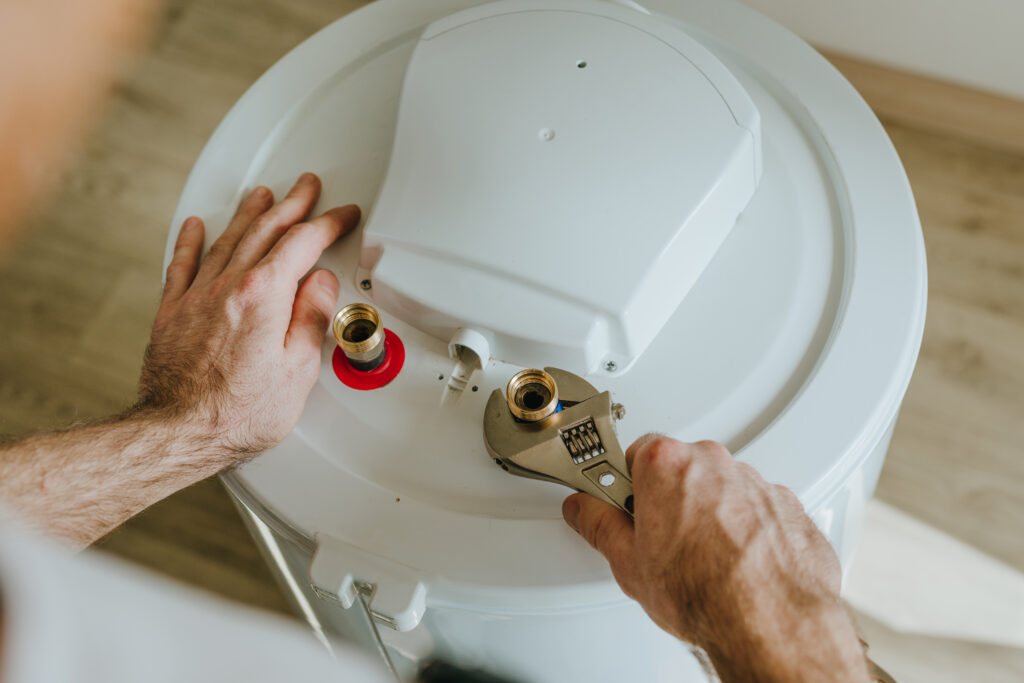
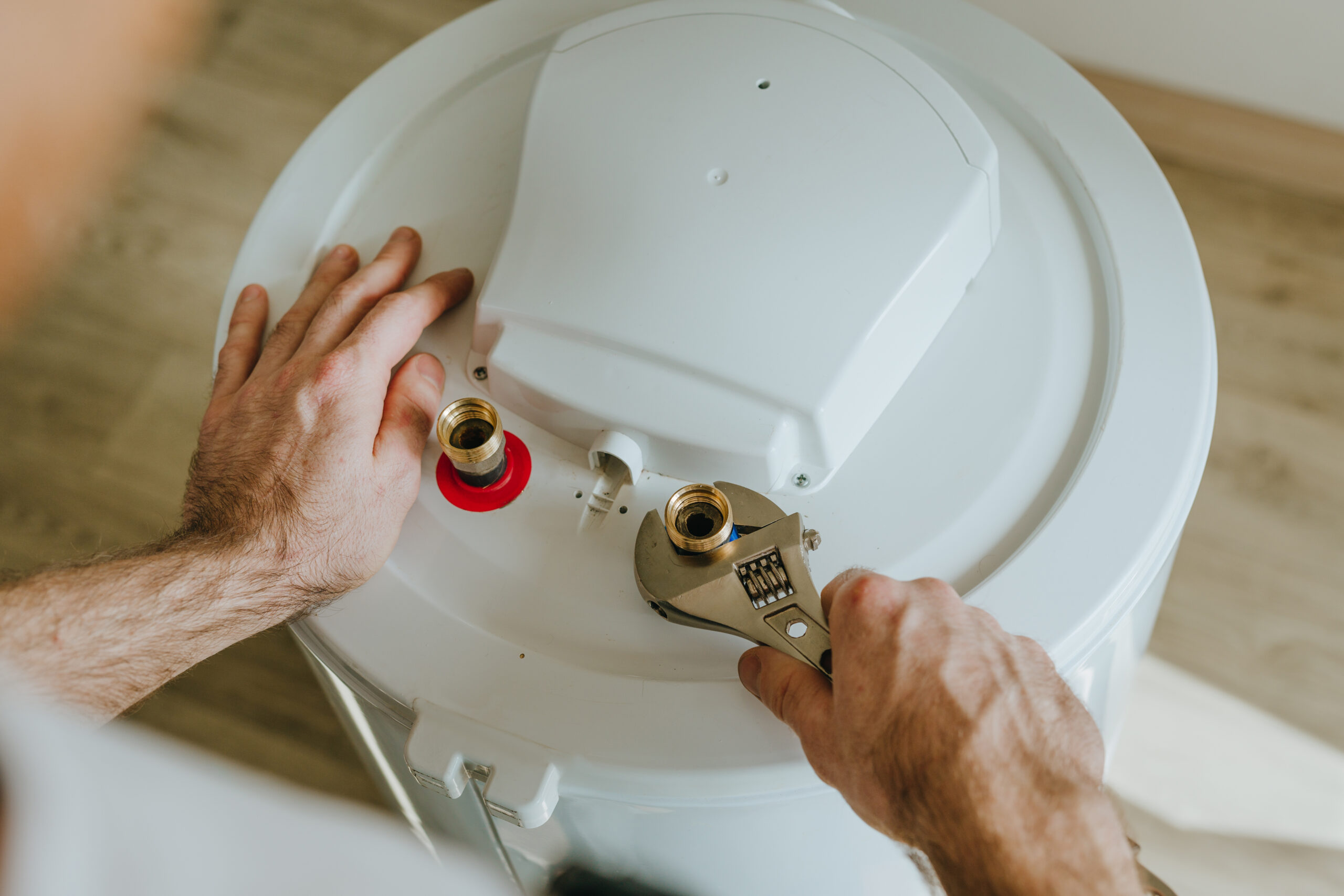
A water heater is a household appliance responsible for delivering hot water to your sinks, showers, dishwashers, and washing machines. It takes in cold water from your home’s plumbing and heats it via electricity, gas, or even solar power. The most common types found in residential homes are tank water heaters and tankless (on-demand) systems.
Tank water heaters store a reserve of hot water in a cylinder, maintaining a consistent temperature so hot water is ready when you need it. Tankless systems, on the other hand, heat water directly as it flows through the unit, eliminating the need for storage and effectively offering endless hot water—but typically at a higher installation cost.
How Does a Water Heater Actually Work?
Let’s not overcomplicate this. In a traditional tank water heater, cold water enters through a dip tube and is heated either by gas burners or electric elements located at the base of the tank. That hot water rises to the top where it’s dispensed through your home’s plumbing when you turn on a faucet.
In gas models, a burner beneath the tank ignites when the thermostat tells it the water has cooled too much. Exhaust gases from combustion are vented safely out your home. Electric models use heating elements that work like a giant version of what’s in your coffee maker. Simple in concept, but when components like the thermostat, pressure relief valve, or anode rod fail, the system can shut down or even cause damage if not caught early.
Types of Water Heaters: Which Is Right for You?
Tank water heaters are favored for their lower upfront cost and easy installation. They typically hold between 30 to 80 gallons and can serve families of various sizes. However, if multiple fixtures are used simultaneously—say, someone’s running the dishwasher while two showers are going—it could temporarily run out of hot water until the tank refills and reheats.
Tankless water heaters avoid this by heating water on demand. They’re more energy-efficient over time and take up less space but do require specialized installation—higher initial cost, potential electrical upgrades, and ongoing maintenance to prevent scaling. For homeowners prioritizing long-term savings and a smaller footprint, tankless may be a strong option.
Advantages of a Reliable Water Heating System
Consistency is the key here. When functioning properly, a water heater offers predictable comfort every day. You get smooth hot water delivery to all your fixtures, efficient energy use tailored to your household’s demand, and modern models come with digital diagnostics that make monitoring performance far easier than before.
A newer, well-installed system also brings reduced energy bills and environmental impact. Energy Star-rated models can reduce water heating costs by 8 to 34 percent, depending on the type and your household’s usage. And with improvements in insulation and burner technology, today’s options recover faster and last longer than ever.
Common Drawbacks and Maintenance Risks
Water heaters, like every mechanical system, aren’t invincible. If ignored, sediment build-up can accumulate in the bottom of a tank, reducing efficiency and leading to overheating. Over time, anode rods—which protect the tank from rust—wear out and leave the system vulnerable to corrosion and leaks. Electrical issues, gas valve failures, thermostat problems, and ignition breakdowns are also common.
Many homeowners also overlook that these units have an average lifespan. For traditional tanks, it’s roughly 8 to 12 years; for tankless, closer to 15. Without regular draining and inspection, a water heater’s performance can sharply decline well before its expected end of service. Some signs include popping noises (yes, that’s a real thing), discolored water, or even a lukewarm shower when you were expecting comfort.
How to Extend the Life of Your Water Heater
Preventative maintenance should never be underestimated. Flushing your tank annually to remove sediment is one of the simplest ways to maximize your unit’s life and efficiency. Similarly, replacing the anode rod every few years and checking for loose fittings can sidestep more expensive problems before they escalate.
Installing a pressure regulator and ensuring your pressure relief valve is functional are added layers of protection, especially if you live in areas with hard water or fluctuating utility performance. For tankless systems, descaling and flushing once a year (or more in hard water regions) prevents mineral build-up that can choke the system over time.
Why a Home Warranty Matters for Your Water Heater
While good habits go a long way, mechanical failure is never fully avoidable. A home warranty, especially one designed to cover major systems and appliances, can be the difference between a stressful breakdown and a quick, affordable repair. Replacement costs for water heaters can range from $800 to $2,500 depending on type and installation complexity—costs that are rarely convenient when they hit.
Home warranties provide predictable costs and easy access to vetted technicians. For homeowners without strong DIY knowledge or time to manage contractors, a warranty is essential peace of mind. It doesn’t eliminate the need for maintenance, but it removes the uncertainty of unexpected failure. That’s especially valuable for water heaters which tend to fail suddenly and without much warning.
Why Armadillo Is the Smart Choice to Protect Your Water Heater
At Armadillo, we understand the real-world frustrations of surprise breakdowns and expensive repair quotes. Your water heater works tirelessly, and when it doesn’t, your day is immediately disrupted. Our home warranty plans are designed to give confident owners the protection they need without complexity or hidden terms. We simplify coverage for vital systems, deliver responsive service when it matters, and believe homeowners deserve options that match how they live.
Water heaters are more than just plumbing add-ons. They’re critical to your comfort, energy use, and convenience. If your current unit is past its prime, or if you simply want to protect yourself from the high cost of replacement, consider signing up with Armadillo. You can explore our plans and coverage options directly at https://www.armadillo.one. Ready to build your custom plan today? Start here: https://app.armadillo.one/plan-builder?current=zip.