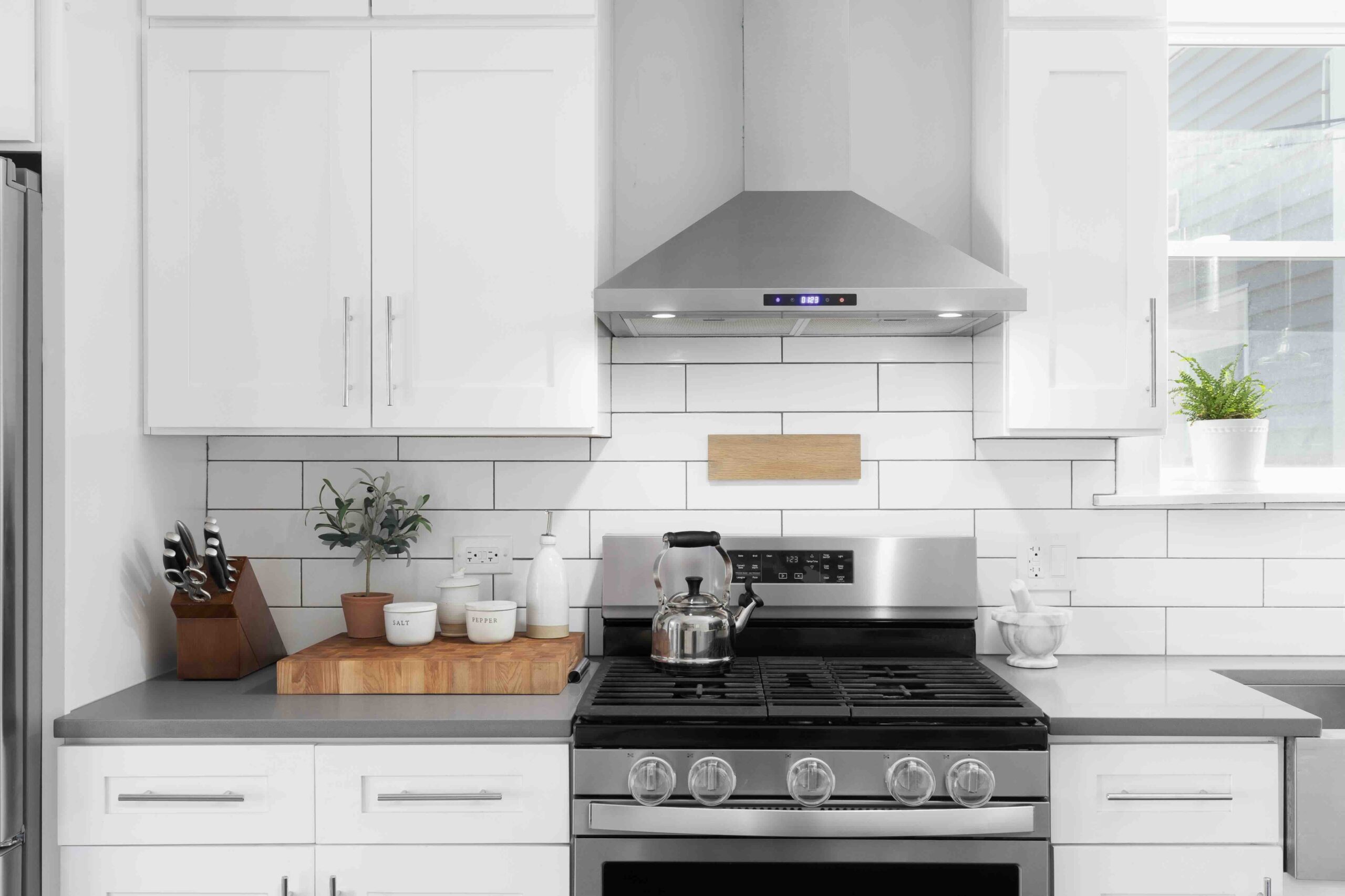
What Is a Range Oven Hood and Why Does Your Kitchen Need One?
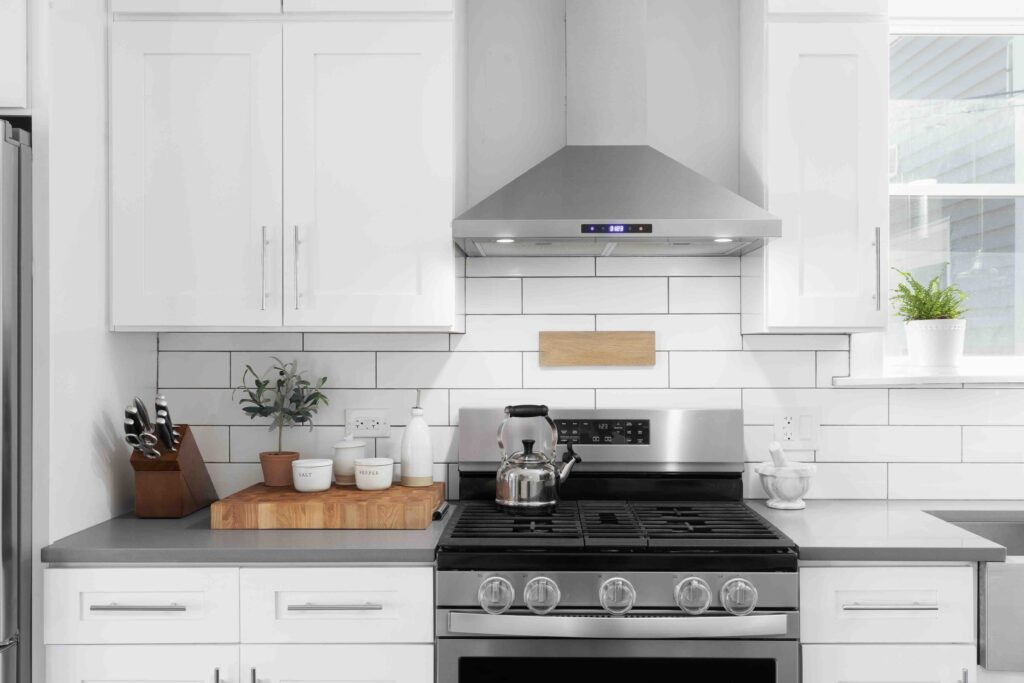
If you have spent any amount of time cooking on a stovetop, you already know what happens without proper ventilation. Smoke lingers, grease coats the cabinets, and whatever you made for dinner follows you into the living room. A range oven hood — sometimes called a range hood, exhaust hood, or kitchen hood — is the appliance mounted above your stove or cooktop that captures and removes all of that. It pulls in smoke, steam, grease particles, and cooking odors before they have a chance to settle into your home. It sounds simple because, at its core, it is. But the details matter quite a bit when you are deciding what type to install or how to maintain the one you already have.
How a Range Hood Actually Works
The mechanics are pretty straightforward. A range hood uses a fan or blower motor to pull air upward through a filter system. Depending on the type, that air is either vented outside through ductwork or recirculated back into the kitchen after passing through a series of filters. Ducted hoods are generally considered more effective because they physically remove contaminants from the kitchen. Ductless or recirculating hoods use charcoal and mesh filters to capture grease and neutralize odors before pushing the cleaned air back into the room. Most hoods also include built-in lighting to illuminate the cooking surface, which is honestly one of those features you do not think about until you have it and then cannot imagine cooking without it.
The Different Types of Range Hoods You Will Encounter
Not all hoods are built the same, and the right option for your kitchen depends on your layout, your cooking habits, and your budget. Here is a quick look at the most common types homeowners encounter:
- Under-cabinet hoods: Mounted directly beneath upper cabinets, these are the most common and cost-effective option for standard kitchen layouts.
- Wall-mount chimney hoods: These attach to the wall above an open cooking area and have a sleek, chimney-style appearance that works well in modern kitchens.
- Island hoods: Designed for cooktops installed on a kitchen island, these hang from the ceiling and need ductwork routed through the ceiling or ceiling cavity.
- Insert or liner hoods: These are built into custom cabinetry and are a popular choice in high-end kitchen remodels where aesthetics are a priority.
- Downdraft hoods: These rise from behind or beside the cooktop and pull air downward instead of upward — useful when overhead installation is not possible.

The Real Benefits of Having a Quality Range Hood
Beyond keeping your kitchen from smelling like last Tuesday’s fish tacos, a range hood offers genuine, practical benefits that impact your home’s air quality, cleanliness, and even its value. Cooking releases carbon monoxide, nitrogen dioxide, and fine particulate matter — especially when using a gas range. A properly functioning range hood significantly reduces your exposure to those pollutants. From a maintenance standpoint, removing grease-laden air before it deposits onto walls, ceilings, and cabinets means less scrubbing and a longer lifespan for your kitchen finishes. Some real estate professionals also note that updated or high-performing ventilation is a feature buyers notice, particularly in kitchen-forward homes.
Common Drawbacks and Limitations to Know About
Range hoods are reliable appliances, but they do come with some trade-offs worth knowing upfront. Ducted hoods require professional installation and proper ductwork routing, which can add to initial costs — especially in homes where that infrastructure does not already exist. Ductless models are easier to install but require regular filter replacements to remain effective, and they simply do not perform at the same level as vented units. Noise is another factor. Higher CFM (cubic feet per minute) ratings typically mean more airflow and better performance, but also louder operation. Some homeowners find the noise disruptive, particularly in open-concept spaces where the kitchen connects to living areas.
CFM Ratings and Why They Matter More Than You Think
CFM is how ventilation capacity is measured, and it is the single most important specification to evaluate when choosing a range hood. The general rule is 100 CFM for every 10,000 BTUs your range produces. For a standard gas range running around 40,000 to 60,000 BTUs, you are looking at a minimum of 400 to 600 CFM. Electric cooktops generate less heat and generally require less ventilation capacity, though the right number still depends on how frequently and intensely you cook. Going too low on CFM means the hood cannot keep up during high-heat cooking. Going excessively high without proper makeup air — replacement air drawn back into the home — can create negative pressure issues that affect how doors open, how fireplaces draft, and even how other appliances perform.
Maintenance Tips to Keep Your Range Hood Running Efficiently
This is the part people tend to skip until something goes wrong. Regular maintenance keeps your hood performing well and extends its service life considerably. A few habits worth building into your routine include:
- Clean grease filters monthly — most mesh filters are dishwasher safe, which makes this easier than it sounds.
- Replace charcoal filters every three to six months if you have a ductless unit, or more frequently if you cook daily.
- Wipe down the hood’s exterior regularly to prevent grease buildup from hardening on the surface.
- Check the ductwork annually for grease accumulation if you have a ducted system, particularly in the areas closest to the hood.
- Test the fan speeds and lighting periodically so small issues do not go unnoticed until they become larger ones.
When to Repair Versus Replace Your Range Hood
Range hoods typically last between 10 and 15 years with proper care, though some units perform well beyond that range. Minor issues like a burned-out bulb, a clogged filter, or a loose connection are straightforward repairs that do not warrant replacement. When the motor starts to fail, the fan makes grinding or rattling noises, or the suction noticeably decreases despite clean filters, those are signs the unit may be nearing the end of its useful life. At that point, repair costs need to be weighed against the age of the appliance and the cost of a comparable replacement. If the hood is older than 10 years and requires a significant repair, replacement is often the more economical path.
How a Home Warranty Can Protect Your Range Hood Investment
Here is where homeownership gets real. When a range hood motor burns out or an electrical component fails, the last thing you want is an unexpected repair bill landing in your lap during an already busy month. That is exactly where a home warranty earns its value. Armadillo’s home warranty coverage for kitchen appliances and ventilation systems is designed to take the financial unpredictability out of owning and maintaining the systems your home depends on every day. From the range hood above your stove to the appliances that keep your kitchen running, having a plan in place means you are never caught off guard by a repair or replacement cost. If you are ready to see what coverage looks like for your specific home, you can get a personalized home warranty quote that covers your kitchen appliances and range hood in just a few minutes. Armadillo keeps the process simple, the coverage clear, and the support responsive — because protecting your home should never feel complicated.

Frequently Asked Questions About Range Oven Hoods
Here are answers to the questions homeowners ask most often about range hoods, how they work, and how to keep them in good shape.
What is the difference between a ducted and ductless range hood?
A ducted range hood vents air outside the home through a duct system, making it more effective at removing smoke, grease, and pollutants. A ductless or recirculating hood filters the air and returns it to the kitchen, making it easier to install but less effective overall.
How do I know what CFM rating I need for my range hood?
A common guideline is 100 CFM per 10,000 BTUs produced by your range. For most residential gas ranges, a hood rated between 400 and 600 CFM is sufficient. Heavier cooking or commercial-style ranges may require higher ratings.
How often should I clean my range hood filters?
Mesh or baffle grease filters should be cleaned at least once a month. If you cook frequently or use high heat regularly, cleaning them every two to three weeks is a better practice. Most are dishwasher safe.
Can I install a range hood myself?
Under-cabinet ductless hoods are often manageable DIY projects for handy homeowners. Ducted installations, island hoods, or any hood requiring new ductwork or electrical work should be handled by a licensed professional.
Why is my range hood not removing smoke effectively?
The most common causes are clogged or saturated filters, a CFM rating that is too low for your cooking output, or a failing fan motor. Check the filters first, then assess the fan performance before calling for service.
Does a range hood need to be directly above the stove?
Yes, proper positioning matters. The hood should be centered above the cooktop and installed at the manufacturer-recommended height — typically 24 to 30 inches above an electric range and 28 to 36 inches above a gas range.
Is a range hood covered under a home warranty?
Coverage depends on the specific home warranty plan. Many plans that include kitchen appliances will cover range hoods, particularly the mechanical and electrical components. Reviewing what your plan includes before a repair is needed is always a smart move.
How long does a range hood typically last?
With regular maintenance, most range hoods last between 10 and 15 years. Higher-quality units from reputable manufacturers can last longer, especially when filters are cleaned consistently and the motor is not overworked.
What causes a range hood to make loud or unusual noises?
Common causes include loose fan blades, debris caught in the blower, worn motor bearings, or vibration from improperly secured ductwork. If the noise is new or getting worse, having a technician inspect it sooner rather than later can prevent further damage.
Do range hoods help with indoor air quality?
Yes, meaningfully so. Cooking — especially on a gas range — releases pollutants including carbon monoxide, particulate matter, and nitrogen dioxide. A properly functioning ducted range hood removes these contaminants from the kitchen environment before they circulate through the home.