What Is a Range Vent Hood and Why Does It Matter in Your Kitchen?
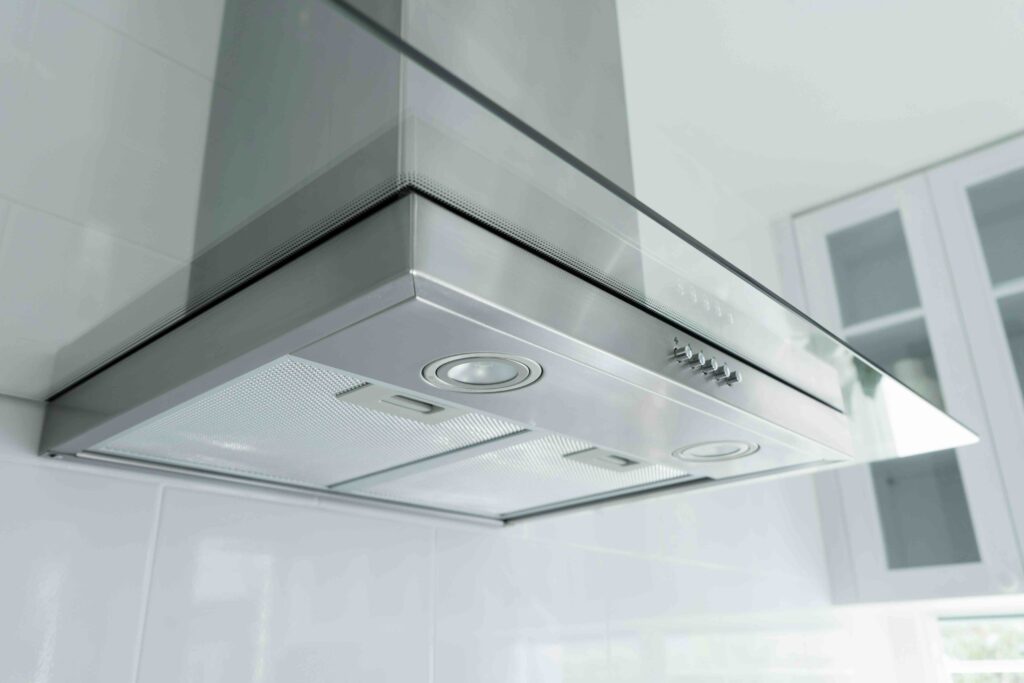
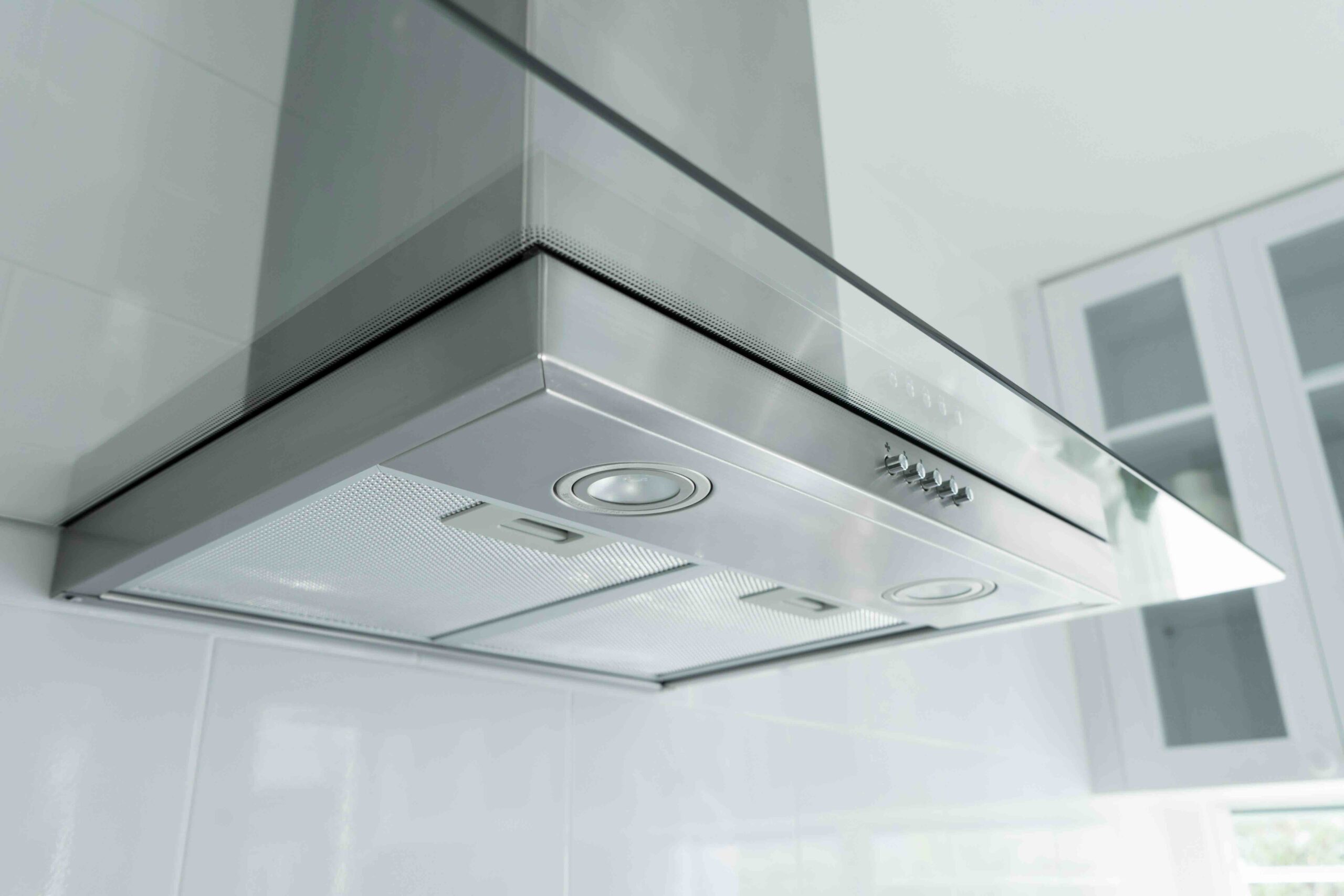
If you have ever stood over a sizzling pan and watched smoke curl toward your ceiling, you already understand the basic problem a range vent hood is designed to solve. A range vent hood, sometimes called a range hood or kitchen exhaust hood, is a ventilation appliance installed above your cooktop or range. Its job is to capture heat, smoke, grease particles, steam, and cooking odors before they spread through your home. It sounds simple, and in concept it is, but the details matter a lot when it comes to choosing the right one, installing it correctly, and keeping it in good shape over time.
How a Range Vent Hood Actually Works
At its core, a range vent hood uses a fan or blower system to pull air upward from the cooking surface. That air passes through one or more filters, which trap grease and other particles, and then the air is either exhausted outside through ductwork or recirculated back into the kitchen after passing through a carbon filter. Ducted models send contaminated air completely out of the home, which is generally the more effective option. Ductless or recirculating models filter the air and push it back into the room, which works reasonably well for lighter cooking but has limitations with heavy grease or strong odors. Most hoods also include lighting so you can actually see what you are cooking, which is a small detail that homeowners tend to appreciate more than they expect.
Range Vent Hood Height Above the Cooktop: The Measurement That Drives Everything
Here is where things get specific, and this detail matters more than most homeowners realize. The height at which you install a range vent hood above your cooking surface has a direct impact on how well it performs and whether it is safe to operate. Mount it too high and it loses suction effectiveness, allowing smoke and grease to escape into the room. Mount it too low and you create a fire hazard and a physical obstacle while cooking. Most manufacturers and building codes share a consistent general guideline on this, and it is worth understanding before you buy or install anything.
- For standard electric cooktops, the recommended installation height is typically between 20 and 24 inches above the cooking surface.
- For gas cooktops and ranges, the recommended height is slightly greater, usually between 24 and 30 inches, because gas flames produce more intense heat.
- Always defer to the specific manufacturer instructions for your hood model, as some units have unique requirements that fall outside general guidelines.
- Local building codes may have additional requirements, so checking with your municipality before installation is always a smart step.
Getting this measurement right during installation is not optional. It affects performance, safety, and even your warranty coverage on the appliance. Many range hood manufacturers will note in their documentation that improper installation height can void the product warranty, so this is genuinely one of those details worth slowing down for.
The Advantages of a Properly Installed Range Vent Hood
When a range vent hood is the right size, installed at the correct height, and functioning as designed, the benefits to your home are real and measurable. Better indoor air quality is the obvious one. Cooking generates airborne particles, carbon monoxide in homes with gas ranges, and volatile organic compounds that accumulate in indoor air over time. A ducted hood removes all of that from the living space. Beyond air quality, there is the matter of grease accumulation. Without ventilation, grease coats surfaces, cabinets, and walls over time, making your kitchen harder to clean and potentially creating a fire risk. A functioning hood dramatically reduces that buildup. There is also the comfort factor. Pulling heat away from the cooking zone keeps your kitchen cooler, which matters during summer months especially. And honestly, a quiet, well-functioning hood just makes the cooking experience more pleasant.

Common Drawbacks and Limitations Homeowners Should Know
Range vent hoods are not without their challenges. Ducted models require proper ductwork routing, which can be expensive to install in homes that were not originally built with kitchen exhaust in mind. If the duct run is too long or has too many bends, airflow efficiency drops significantly. Ductless models avoid that issue but do require regular filter replacement to remain effective, and they simply cannot match the performance of a properly ducted system for heavy cooking. Noise is another common complaint. High-powered hoods running at full speed can be quite loud, and some homeowners find that disruptive during everyday cooking. Regular maintenance is non-negotiable regardless of which type you have, and that is something people tend to underestimate until the filters are caked with grease and the hood is pulling barely any air at all.
Choosing the Right Range Vent Hood for Your Kitchen
The selection process involves more than picking something that looks good above your range. Ventilation capacity is measured in cubic feet per minute, or CFM, and matching the right CFM to your cooktop is essential. A general rule of thumb is to calculate roughly 100 CFM per 10,000 BTUs of gas output, or for electric ranges, approximately 100 CFM for every 10 inches of cooktop width. Hood style matters too. Under-cabinet hoods are the most common in standard kitchens. Wall-mounted chimney hoods work well in kitchens with no upper cabinets above the range. Island hoods hang from the ceiling above cooktops positioned on kitchen islands and require particularly careful placement to capture rising air effectively. The finish, size, and features you choose will depend on your kitchen layout and your cooking habits, but those functional specifications should drive the decision first.
Installation Tips and What to Expect During the Process
Installing a range vent hood is a project that some experienced DIYers can handle, but ducted installations in particular often benefit from professional involvement. Running ductwork through cabinets, walls, or ceilings requires planning and sometimes carpentry work. Electrical connections need to meet local code requirements. And again, that mounting height has to be measured carefully before anything gets fastened to the wall. If you are replacing an existing hood, the process is generally more straightforward since the ductwork and electrical supply are already in place. New installations in kitchens that never had a hood before involve considerably more work and cost. Budget expectations vary widely based on hood type and whether ductwork needs to be installed, but homeowners should be prepared for installation costs that can range from a few hundred to well over a thousand dollars depending on complexity.
Maintenance Practices That Keep Your Hood Running Well
A range vent hood that is not maintained regularly will gradually become ineffective. Grease filters should be cleaned monthly if you cook frequently, or at minimum every one to three months for average use. Most mesh grease filters are dishwasher safe, which makes the task reasonably manageable. Carbon filters in ductless models are not washable and need to be replaced according to manufacturer recommendations, typically every three to six months. The interior of the hood itself should be wiped down periodically to prevent grease accumulation. The fan blades and motor housing can also collect grease over time, and neglecting that buildup can reduce airflow and, in worst-case scenarios, become a fire risk. Keeping up with these tasks is not difficult, but it does require consistency.
How a Home Warranty Can Protect Your Range Vent Hood Investment
Range vent hoods are mechanical appliances with fans, motors, lighting components, and control systems that can and do fail over time. When a motor burns out or an electrical component stops working, repair or replacement costs can catch homeowners off guard. This is exactly the kind of situation where having a reliable home warranty makes a tangible difference. trusted home warranty coverage for kitchen appliances including range vent hoods means that when something breaks down through normal wear and use, you are not absorbing that cost alone. Armadillo offers straightforward, homeowner-friendly warranty plans designed to cover the systems and appliances you depend on every day. If you want to protect your kitchen appliances and stop worrying about unexpected repair bills, now is a good time to get a free home warranty quote for range hood and appliance protection and see exactly what coverage looks like for your home. The process is fast, the plans are transparent, and the peace of mind is genuinely worth it.

Frequently Asked Questions About Range Vent Hood Height and Installation
These are the questions homeowners ask most often when navigating range vent hood selection, installation, and maintenance.
What is the standard height for a range vent hood above an electric cooktop?
The standard recommended installation height for a range vent hood above an electric cooktop is between 20 and 24 inches measured from the cooking surface to the bottom of the hood. Always verify this against your specific hood manufacturer’s installation guide.
Why is the height of a range vent hood above a gas range different from an electric range?
Gas burners produce more intense, open flames that generate greater heat than electric cooktops. To maintain safe clearance and prevent heat damage to the hood, gas ranges typically require a minimum of 24 inches and up to 30 inches of clearance between the cooking surface and the hood.
Can installing a range hood too high affect its performance?
Yes. Mounting a range vent hood too high reduces its ability to effectively capture smoke, grease, and steam. The suction zone has a limited reach, and the farther the hood is from the cooking surface, the more contaminants escape into the room before being captured.
Does range vent hood height affect my appliance warranty?
It can. Many manufacturers specify exact installation height requirements in their documentation, and failing to follow those specifications can void the manufacturer’s warranty on the appliance. Always follow the installation instructions precisely.
What is the difference between a ducted and ductless range vent hood?
A ducted range vent hood exhausts air outside the home through ductwork, removing grease, smoke, and odors completely. A ductless model filters the air through a carbon filter and recirculates it back into the kitchen. Ducted systems are generally more effective, particularly for heavy cooking.
How often should I clean my range vent hood filters?
Grease filters in ducted and recirculating hoods should be cleaned at least once a month if you cook frequently, or every one to three months for lighter use. Carbon filters in ductless models need to be replaced rather than cleaned, typically every three to six months.
What CFM rating do I need for my range vent hood?
For gas ranges, a common guideline is 100 CFM per 10,000 BTUs of burner output. For electric cooktops, approximately 100 CFM per 10 inches of cooktop width is a reasonable starting point. Higher BTU or high-heat cooking styles benefit from higher CFM ratings.
Is range vent hood installation a DIY project or should I hire a professional?
Replacing an existing hood is often manageable for experienced DIYers since the ductwork and electrical supply are already in place. New installations that require routing ductwork or new electrical connections typically benefit from professional installation to ensure code compliance and optimal performance.
Does a range vent hood help with indoor air quality?
Yes. Cooking generates smoke, steam, grease particles, carbon monoxide from gas appliances, and other airborne contaminants. A properly functioning ducted range vent hood removes these pollutants from the kitchen, meaningfully improving indoor air quality over time.
Can a home warranty cover range vent hood repairs?
Yes, many home warranty plans include coverage for built-in kitchen appliances, which can include range vent hoods when they fail due to normal wear and use. Coverage specifics vary by plan, so reviewing the terms of your warranty is important to understand what is and is not included.