Receptacle and Light Switch Wiring: What Every Homeowner Needs to Know
Electrical work is one of those home topics that tends to get filed under “I’ll figure it out later.” But understanding how your receptacles and light switches are wired — even at a basic level — is genuinely useful. It helps you troubleshoot small issues, communicate clearly with electricians, and make smarter decisions when upgrading your home. This is not about turning every homeowner into a licensed electrician. It is about giving you enough knowledge to feel confident in your own house.
What Are Receptacles and Light Switches, Really?
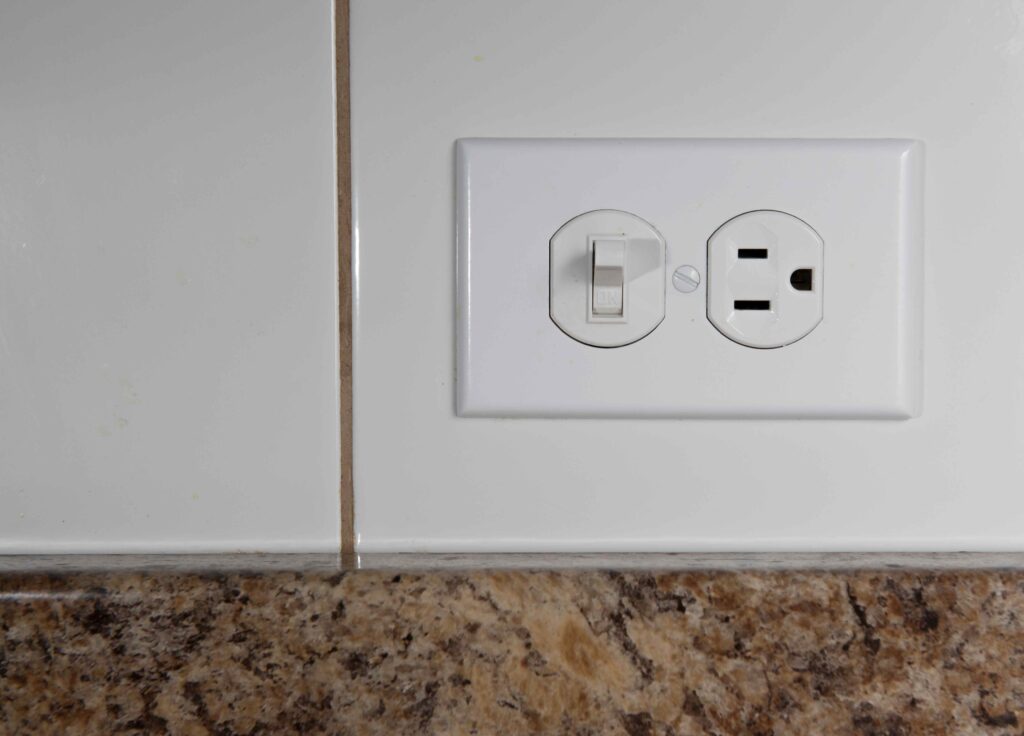
At their core, receptacles and light switches are the points where your home’s electrical system meets everyday life. A receptacle — what most people call an outlet — allows you to plug in devices and draw power from your home’s wiring. A light switch controls the flow of electricity to a fixture, either completing or interrupting the circuit to turn a light on or off. They seem simple enough, but behind every plate cover is a small network of wires doing precise, coordinated work. The typical residential system runs on 120-volt circuits for standard outlets and switches, with 240-volt circuits reserved for larger appliances like dryers or ranges.
How Receptacle Wiring Works
A standard receptacle connects to three wires: a hot wire, a neutral wire, and a ground wire. The hot wire — typically black — carries the live current from the panel to the outlet. The neutral wire — usually white — completes the circuit by returning current back to the panel. The ground wire — bare copper or green — provides a safe path for electricity in the event of a fault, protecting both people and devices. The wiring enters the electrical box behind the outlet, connects to the appropriate terminals on the receptacle, and is then secured with the cover plate. That sequence sounds straightforward, but the configuration can vary depending on whether outlets are wired in series, where one feeds power to the next, or in a home-run layout, where each outlet connects directly back to the panel.
How Light Switch Wiring Works
Light switch wiring is a touch more nuanced, especially once you move beyond a basic single-pole switch. In a simple single-pole setup, the switch interrupts the hot wire running to the light fixture. When the switch is off, the circuit is open and no current flows. When it is on, the circuit closes and the light activates. Where it gets interesting is with three-way and four-way switches, which allow you to control the same fixture from multiple locations — think a hallway with switches at both ends. These setups use traveler wires that create alternate paths for current, allowing either switch to complete or break the circuit. It is a clever piece of engineering once you see how the pieces connect.

The Key Advantages of Understanding Your Home’s Wiring
Knowing how receptacles and switches work pays off in ways that are more practical than you might expect. Here is where that knowledge delivers real value:
- You can identify when an outlet or switch is behaving abnormally and describe the issue accurately to a professional.
- You are better equipped to evaluate quotes and recommendations from electricians, which helps you avoid unnecessary upsells.
- You can make informed upgrade decisions, like switching to GFCI outlets in wet areas or installing smart switches for home automation.
- You understand which issues are cosmetic, like a loose cover plate, versus which ones require licensed attention, like flickering lights tied to a faulty connection.
Common Wiring Issues Homeowners Encounter
Even in well-maintained homes, electrical issues crop up. Loose wire connections are among the most common culprits behind outlets that stop working or switches that feel warm to the touch. Reversed polarity — when the hot and neutral wires are connected to the wrong terminals — can cause devices to malfunction and create shock risks. Older homes may still have aluminum wiring or ungrounded two-prong outlets, both of which present safety concerns that modern standards have addressed. Backstabbed connections, where wires are pushed into the back of a receptacle rather than properly secured to the terminal screws, are notoriously unreliable and a frequent source of intermittent power loss.
When to DIY and When to Call a Professional
This is where homeowners need to be honest with themselves. Replacing a like-for-like outlet or switch — same voltage, same configuration, same box size — is often within the reach of a careful, safety-conscious DIYer who turns off the correct breaker and uses a voltage tester. Anything beyond that, including running new circuits, upgrading panels, or troubleshooting persistent tripping or flickering, is firmly in licensed electrician territory. Electrical work done incorrectly is not just a warranty issue — it is a fire and safety hazard. The permit and inspection process exists for a reason, and bypassing it can create serious problems when you go to sell your home.
Upgrading Outlets and Switches: Smart Choices for Modern Homes
If your home still has two-prong ungrounded outlets, replacing them with GFCI outlets is one of the highest-value electrical upgrades you can make. GFCI — Ground Fault Circuit Interrupter — outlets detect imbalances in electrical current and shut off instantly to prevent shock. They are required by current code in bathrooms, kitchens, garages, and outdoor areas. Smart switches are another popular upgrade, allowing you to control lighting remotely, set schedules, and integrate with home automation systems. Many smart switches require a neutral wire, which older wiring configurations may not include in the switch box, so that is worth confirming before purchasing.
How Home Warranties Relate to Your Electrical System
Here is something many homeowners do not fully consider: home warranties can cover electrical system failures, including the wiring, outlets, and switches that make up your home’s everyday infrastructure. When a covered component fails due to normal wear and use, a home warranty helps manage the cost of repair or replacement. That matters because electrical repairs — especially those involving panels, wiring, or complex switch configurations — can add up quickly. A home warranty does not replace the need for proper maintenance or professional installation, but it does provide a financial safety net for the unexpected breakdowns that come with owning a home.
Why Armadillo Is the Right Home Warranty Partner for Electrical Coverage
When your electrical system acts up — whether it is a failed outlet, a malfunctioning switch, or something more involved — the last thing you want is to navigate a complicated claims process while also dealing with the stress of a system that is not working. That is where Armadillo home warranty coverage for electrical systems and essential home components makes a real difference. Armadillo is built around the idea that home protection should be straightforward, honest, and actually useful — not buried in fine print. If you want to understand exactly what is covered before committing to a plan, you can get a personalized home warranty quote for your electrical system and other covered components in just a few minutes. Knowing your home’s wiring is one layer of protection. Having a warranty that backs you up when something fails is another — and both matter.

Frequently Asked Questions About Receptacle and Light Switch Wiring
Here are the questions homeowners ask most often about receptacle and light switch wiring, answered clearly and directly.
What is the difference between a receptacle and an outlet?
The terms are often used interchangeably, but technically a receptacle is the actual device mounted in the wall that accepts plug connections, while an outlet refers more broadly to any point in a wiring system where electricity is made available for use. In everyday conversation, they mean the same thing.
Why does one outlet in my home stop working even when the breaker has not tripped?
The most common cause is a tripped GFCI outlet somewhere else on the same circuit. GFCI outlets protect multiple downstream receptacles, and when one trips, it cuts power to all of them. Locate the GFCI outlet on that circuit — often in a bathroom, kitchen, or garage — and press the reset button.
Is it safe to replace an outlet myself?
Replacing a like-for-like outlet on a de-energized circuit is generally manageable for a careful homeowner who uses a non-contact voltage tester and follows proper safety steps. Any work involving new wiring, panel connections, or circuit changes should be handled by a licensed electrician.
What does it mean if a light switch feels warm to the touch?
A switch that feels warm — not just slightly above room temperature — can indicate a loose connection, overloaded circuit, or a failing switch. This warrants prompt attention from a licensed electrician, as heat in electrical components is a potential fire risk.
What is a three-way switch and how does it differ from a standard switch?
A three-way switch allows you to control a single light fixture from two different locations, such as at the top and bottom of a staircase. Unlike a standard single-pole switch that simply opens and closes one circuit path, a three-way switch uses traveler wires to alternate between two circuit paths.
What is a GFCI outlet and where is it required?
A GFCI — Ground Fault Circuit Interrupter — outlet monitors electrical current and shuts off instantly if it detects an imbalance, preventing electric shock. Current electrical codes require GFCI protection in bathrooms, kitchens, garages, outdoor areas, and any location near water sources.
Can I replace a two-prong ungrounded outlet with a three-prong outlet?
You can replace a two-prong outlet with a GFCI-type three-prong outlet even without a ground wire, which is the code-compliant method for updating older ungrounded circuits. However, running a proper ground wire to the outlet box is the more complete solution and should be done by a licensed electrician.
What causes an outlet to have reversed polarity?
Reversed polarity happens when the hot and neutral wires are connected to the wrong terminals on the receptacle — often the result of a careless or uninformed installation. It can cause some devices to malfunction and creates a shock hazard, so it should be corrected by a qualified professional.
Does a home warranty cover electrical outlets and switches?
Many home warranty plans include coverage for the electrical system, which can encompass wiring, outlets, and switches when they fail due to normal wear. Coverage specifics vary by provider and plan, so reviewing what is included before purchasing is important.
How do I know if my home’s wiring is outdated or unsafe?
Signs of outdated or unsafe wiring include two-prong outlets throughout the home, frequent breaker trips, flickering lights, discolored outlet covers, a burning smell near electrical components, or the presence of aluminum wiring. A licensed electrician can perform a full inspection and identify what needs to be updated.