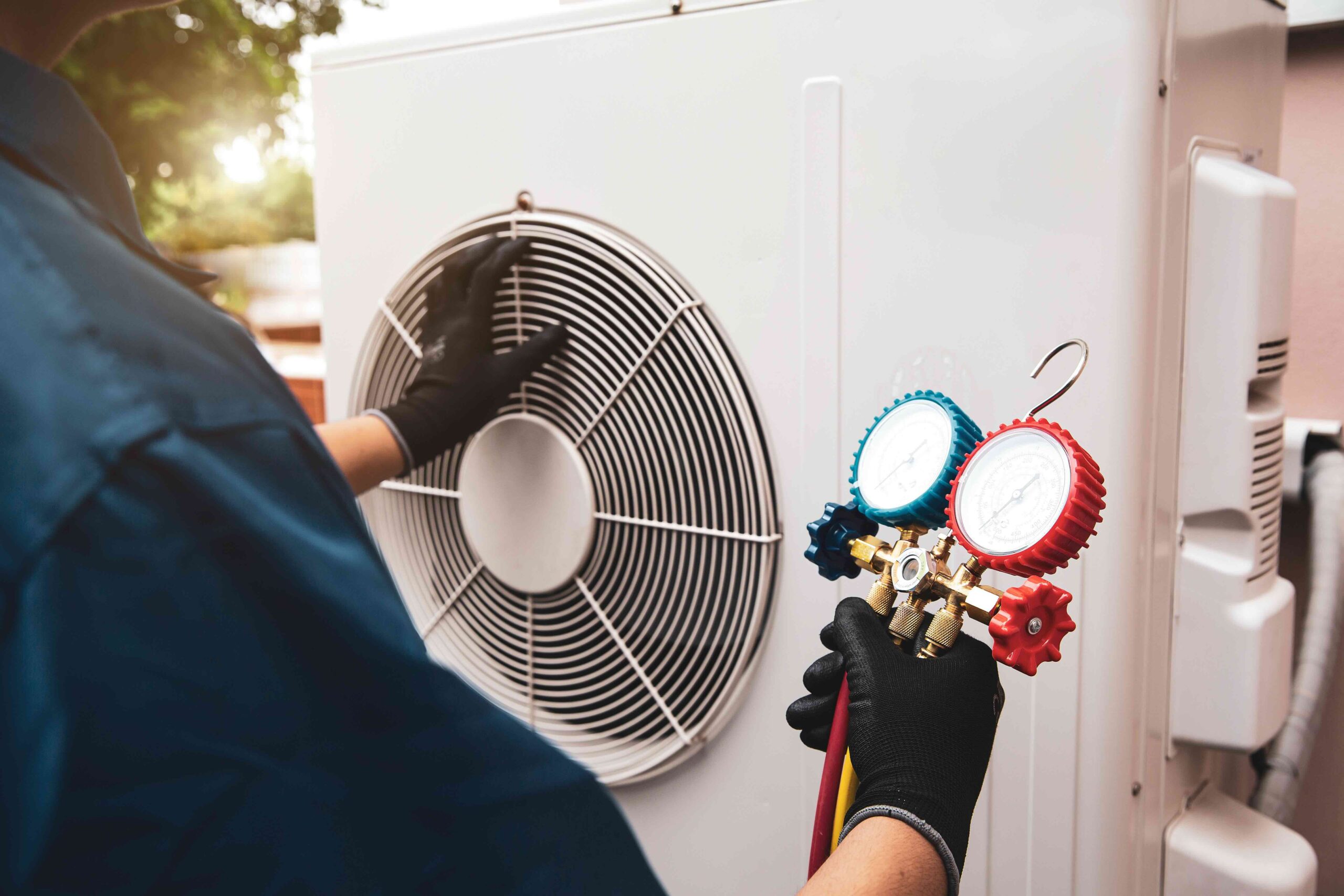
What Is a Recharge HVAC System and Why Should Homeowners Care?
If your air conditioner is blowing warm air on a hot summer day, there is a reasonable chance someone has mentioned the word “recharge” to you. It sounds simple enough, almost like plugging in your phone. But HVAC refrigerant recharging is a bit more involved than that, and understanding what it actually means can save you from making costly mistakes or getting talked into a service you might not need. This article breaks down the recharge HVAC process from start to finish, in terms that make sense whether you have owned a home for twenty years or just got the keys last month.
Understanding What HVAC Refrigerant Actually Does
Your air conditioning system does not generate cold air from nothing. It moves heat from inside your home to the outside using a chemical compound called refrigerant. That refrigerant cycles between liquid and gas states inside a closed loop, absorbing heat indoors and releasing it outside. Without the right amount of refrigerant, the whole process breaks down. The system struggles, your home stays warm, and your energy bills quietly climb. Refrigerant is the lifeblood of your cooling system, and its pressure and charge level have to be precisely maintained for everything to work correctly.
What Does It Mean to Recharge an HVAC System?
Recharging an HVAC system means adding refrigerant back into the system to restore it to its proper operating level. The term “recharge” is actually a bit of a misnomer because refrigerant is not consumed like gasoline. In a properly functioning system, refrigerant levels should never drop. If they have, that almost always means there is a leak somewhere in the system. So a recharge without addressing the underlying leak is, at best, a temporary fix and, at worst, a waste of money. A qualified HVAC technician should always identify and repair the source of the leak before adding any refrigerant.
How the Recharge Process Works Step by Step
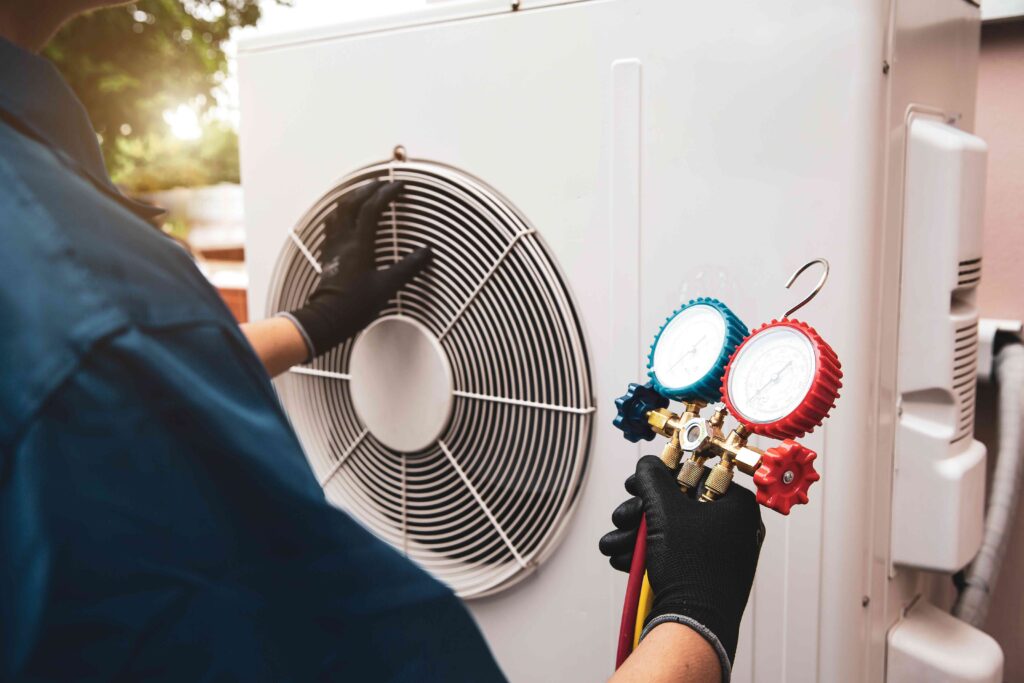
When a technician comes out to recharge your system, the process involves more than just hooking up a canister. Here is what a thorough and properly handled refrigerant recharge typically looks like:
- The technician inspects the system for visible signs of refrigerant leaks, including oil stains around fittings and coils
- Pressure gauges are connected to the refrigerant lines to measure current charge levels
- A leak detection test is performed using electronic detectors or UV dye
- If a leak is found, it is repaired before refrigerant is added
- Refrigerant is added in the correct type and quantity based on the manufacturer specifications
- System pressures and temperatures are verified after the recharge to confirm proper operation
Skipping any of these steps is a red flag. A technician who simply adds refrigerant without checking for leaks is not doing the job correctly, and the problem will return.
Types of Refrigerant Used in Home HVAC Systems
Not all refrigerants are the same, and the type your system uses matters. Older systems built before 2010 commonly used R-22, also known as Freon. R-22 has been phased out due to its environmental impact and is no longer manufactured in the United States. If your system still uses R-22, recharging it is significantly more expensive because the refrigerant itself is increasingly scarce. Most modern systems use R-410A, which is more environmentally friendly and widely available. Newer systems are beginning to transition to R-32 and other low-global-warming-potential alternatives. Knowing which refrigerant your system requires helps you have a more informed conversation with your technician and avoid surprises on the invoice.

Key Advantages of Properly Recharging Your HVAC System
When a refrigerant recharge is done correctly and the underlying issue is resolved, the benefits are real and noticeable. Your system returns to its designed efficiency level, which means your home cools more effectively and your energy costs stabilize. A properly charged system also puts less strain on the compressor, which is the most expensive component in your air conditioner. Protecting the compressor protects your investment. Beyond that, resolving refrigerant issues early prevents the kind of cascading damage that turns a manageable repair into a full system replacement. Think of it like changing your oil before the engine seizes.
Common Drawbacks and Risks to Be Aware Of
There are real drawbacks to the recharge process that homeowners should understand before scheduling service. First, cost can be significant. Depending on the refrigerant type, labor, and whether a leak repair is involved, a recharge can run anywhere from two hundred to over a thousand dollars. Second, if the root cause is not addressed, the refrigerant will leak out again and you will be back to square one. Third, older systems using R-22 face a difficult economic calculation. The cost of recharging a system that is already aging may not be worth it compared to investing in a new, efficient unit. Finally, refrigerant handling requires EPA certification, so this is never a DIY job. Attempting to handle refrigerants without proper credentials is illegal and genuinely dangerous.
Signs Your HVAC System May Need a Refrigerant Recharge
Catching a refrigerant issue early can prevent more expensive damage down the road. Watch for these indicators that something may be off with your system’s refrigerant levels. Warm or lukewarm air coming from vents when cooling mode is active is one of the clearest signs. Ice forming on the refrigerant lines or evaporator coil is another common symptom, which seems counterintuitive but is a direct result of low refrigerant pressure. You might also notice longer cooling cycles, meaning the system runs and runs but never quite gets your home to the set temperature. Unusually high electricity bills during cooling season can also point to reduced system efficiency caused by refrigerant issues. If you notice a hissing or bubbling sound near the indoor or outdoor unit, that can sometimes indicate an active refrigerant leak.
Practical Tips for Homeowners Before Calling a Technician
Before picking up the phone, there are a few things worth doing on your end. Check and replace your air filter if it has not been changed recently, because a clogged filter can mimic the symptoms of low refrigerant by restricting airflow. Make sure all vents throughout the home are open and unobstructed. Confirm the thermostat is set correctly and functioning properly. Take note of when the symptoms started and whether anything changed around that time, such as a power surge or a period of extreme heat. Having this information ready helps the technician diagnose the issue faster, which ultimately saves you time and potentially money. Also, verify the age and model of your system before the appointment so you can have a productive conversation about whether a recharge is the right call or whether replacement is worth considering.
How Armadillo Home Warranty Helps Protect Your HVAC Investment
Here is where things get practical. HVAC systems are among the most expensive components in any home, and refrigerant issues are exactly the kind of unexpected repair that can knock a budget sideways. That is where Armadillo home warranty coverage for HVAC systems and major appliances becomes genuinely valuable. Rather than absorbing a large repair bill out of pocket, a home warranty plan can cover the cost of covered HVAC repairs, including those related to refrigerant and system components. Armadillo keeps the process straightforward and the coverage honest, so you are not decoding fine print when your air conditioner gives out in July. If you want to know what a plan would look like for your specific home, you can get a personalized home warranty quote for HVAC and cooling system protection in just a few minutes. Taking that step now, before something breaks, is one of the more underrated moves a homeowner can make.

Frequently Asked Questions About HVAC Recharging
Here are answers to the questions homeowners most commonly ask about the HVAC recharge process, refrigerant, and what to expect from service.
How often does an HVAC system need to be recharged?
A properly functioning HVAC system should never need to be recharged. Refrigerant does not get used up. If your system is low on refrigerant, it means there is a leak that needs to be identified and repaired first.
How much does it cost to recharge an HVAC system?
Costs vary based on refrigerant type, system size, and whether a leak repair is involved. A typical recharge can range from $200 to over $1,000. Systems still using R-22 refrigerant tend to be on the higher end due to the scarcity of that refrigerant.
Can I recharge my own air conditioner?
No. Handling refrigerant requires EPA Section 608 certification. Attempting to add refrigerant without proper credentials is illegal and poses serious health and safety risks. Always hire a licensed HVAC technician.
What type of refrigerant does my HVAC system use?
The refrigerant type is listed on a label affixed to your outdoor condenser unit. Systems manufactured before 2010 commonly use R-22, while most systems made after that date use R-410A. Newer systems may use R-32 or similar alternatives.
Will my home warranty cover an HVAC refrigerant recharge?
Coverage depends on your specific home warranty plan and provider. Some plans cover refrigerant as part of HVAC system repairs. Reviewing your plan details or speaking with your warranty provider directly is the best way to confirm what is included.
Why is ice forming on my air conditioner if it is low on refrigerant?
When refrigerant levels drop, pressure inside the evaporator coil falls below normal. This causes the coil to get excessively cold and freeze moisture from the surrounding air. Ice buildup is a common and recognizable symptom of low refrigerant charge.
How long does an HVAC recharge take?
The recharge itself may only take an hour or two, but a thorough job that includes leak detection and repair can take several hours. The total time depends on the complexity of the leak and the size of the system.
Is it worth recharging an older HVAC system that uses R-22?
In many cases, no. R-22 is expensive and increasingly difficult to source. If your system is more than 12 to 15 years old and requires R-22, the cost of recharging may approach or exceed the value of replacing the system with a modern, efficient unit.
What happens if I ignore low refrigerant in my HVAC system?
Running a system with low refrigerant puts significant strain on the compressor, which can lead to compressor failure. Compressors are one of the most expensive components in an air conditioning system to replace, so ignoring refrigerant issues can turn a manageable repair into a major expense.
How do I know if my HVAC technician is EPA certified to handle refrigerants?
You can ask the technician or the company directly for proof of EPA Section 608 certification. Reputable HVAC companies will have no hesitation providing that documentation. Hiring uncertified individuals for refrigerant work is both illegal and risky.